





 Português
  Inglês
  Espanhol
  5 min de leitura
  0 comentários


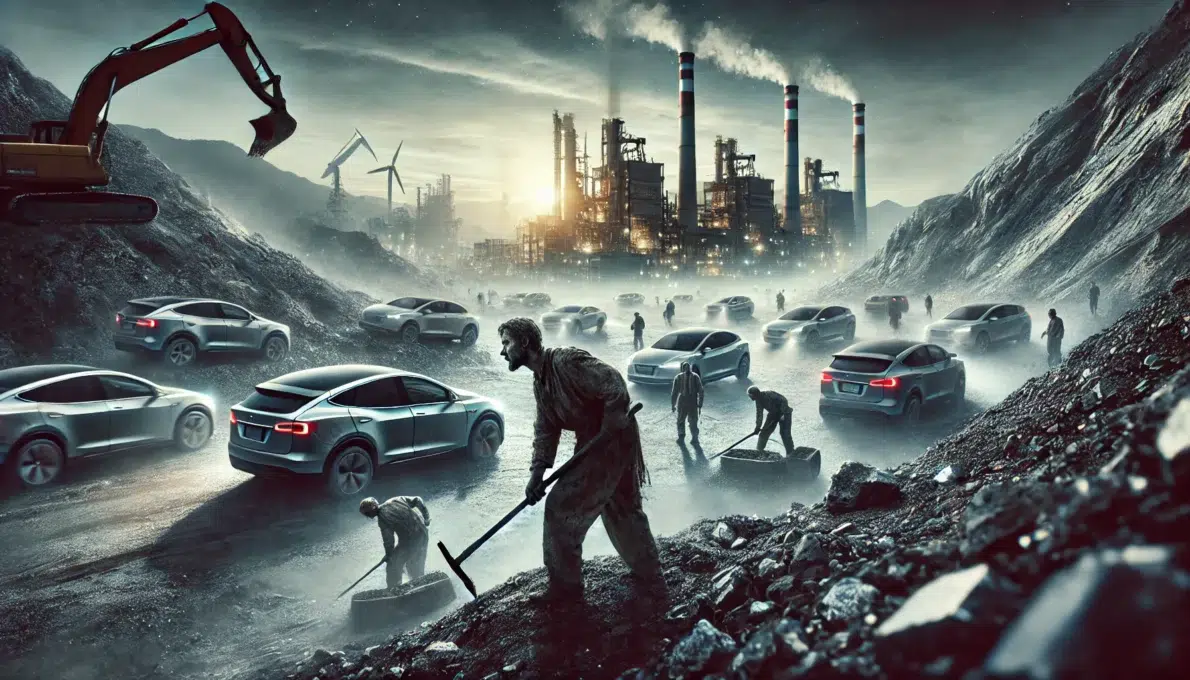
Mining for Electric Cars by BYD, Tesla, and Volkswagen Is Linked to Serious Human Rights Violations
Mining companies face hundreds of abuse allegations, and automotive companies continue to purchase minerals from them. According to the latest report from the Business and Human Rights Resource Centre (BHRRC), a nonprofit organization, the extraction of minerals used to manufacture electric vehicles and batteries is rife with abuse allegations. And automakers continue to source materials from some of the worst offenders.
Since 2010, the BHRRC has documented 631 allegations of human rights abuses related to seven key minerals used in electric vehicles, rechargeable batteries, and renewable energy technologies. Many of the allegations have been made against a small group of companies, which have been linked to three of the world’s largest electric vehicle manufacturers: Volkswagen Group, Tesla, and BYD.
“Things are not getting better,” said Caroline Avan, Director of Natural Resources and Just Transition at BHRRC. The need for more renewable energy and clean transportation is evident, but these technologies should not harm the people living and working in the areas where companies source their raw materials, she stated.
-
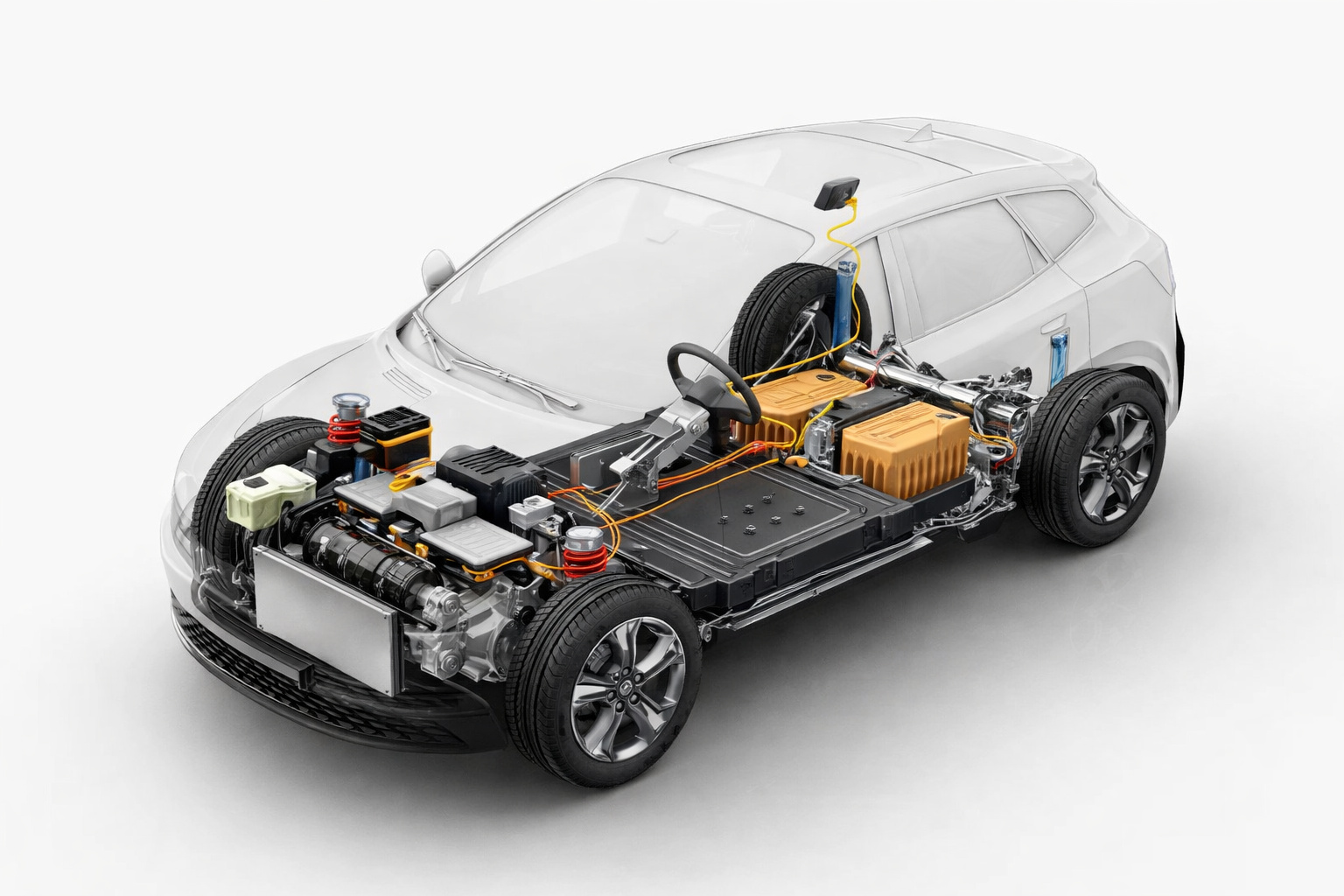
China Surprises Automotive Industry With Battery That Promises Electric Car Able to Run Up to 1,000 km Without Recharge
-
Why BYD Grew So Fast in Brazil and How Blade Batteries, Electric Cars, and Industrial Incentives Shaped This Expansion in the National Automotive Sector
-
Electric Cars Make Progress in Brazil in 2026 and Promise to Reduce Drivers’ Costs with Cheaper Energy, While Infrastructure Grows Slowly Across the Country
-
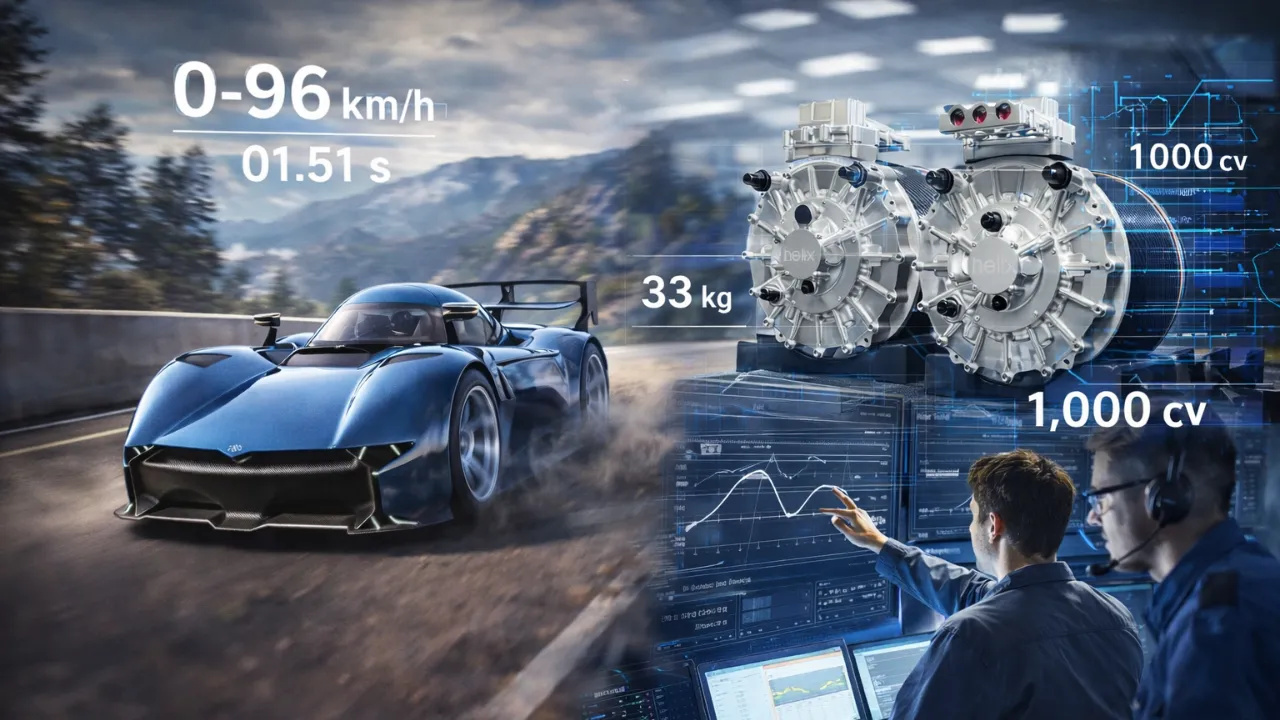
This Helix Electric Motor Weighs Only 33 Kg and Turns the McMurtry Spéirling Into a Compact 1,000 Hp Missile That Takes Just 1.5 Seconds to Reach 100 Km/H
“Things are not getting better”
“The fight against climate change is a human rights imperative at this moment, but it should not be seen as a license to ignore human rights in mining operations,” Avan said.
Electric Cars and Demand for Minerals
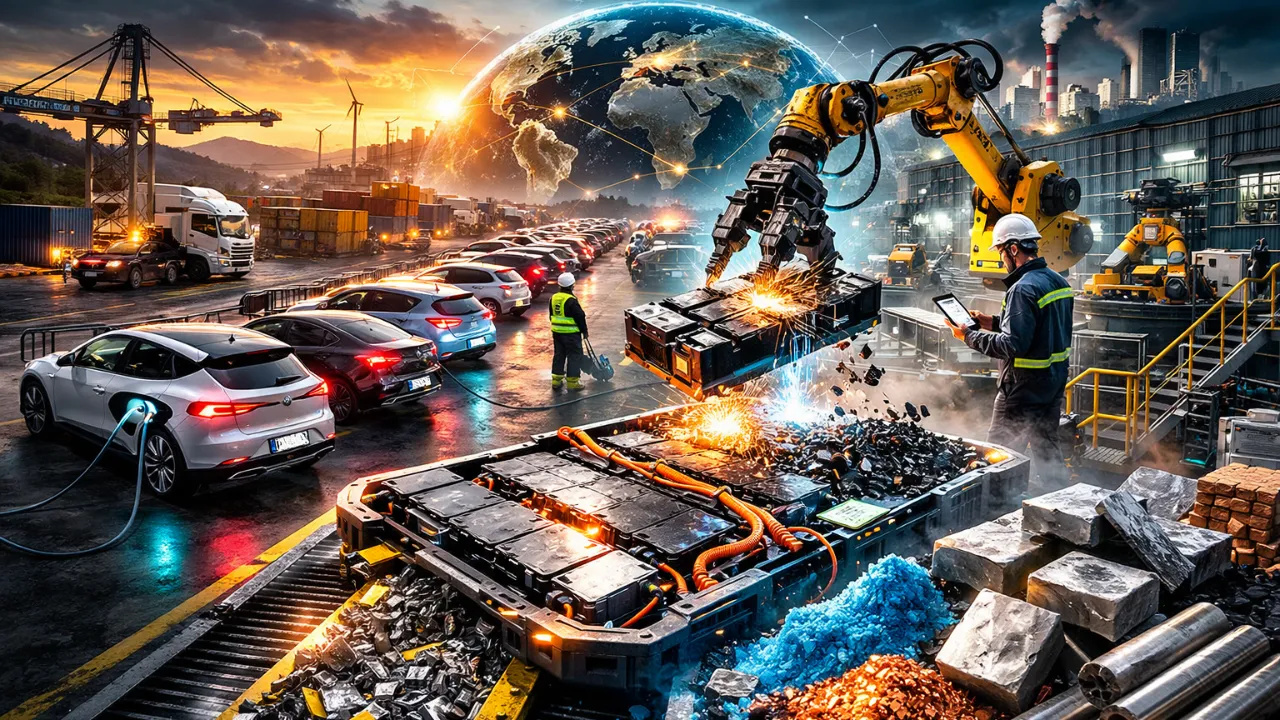
An electric vehicle requires approximately six times more minerals than a typical gasoline-guzzling car. The demand for critical minerals used in electric vehicles and energy storage batteries for renewable energy could multiply by ten by 2040, according to a conservative estimate from the International Energy Agency. The rush to secure all these minerals without concern for ensuring they are extracted humanely is where the problems arise.
The latest report from BHRRC includes potential abuses related to mining seven minerals: bauxite, cobalt, copper, lithium, manganese, nickel, and zinc. The organization has been tracking these allegations since 2019 using publicly available records, including court documents and regulatory filings, as well as reports from other NGOs and media outlets.
In the last year alone, 91 new allegations were detected, including a “sharp increase in labor rights violations and worker deaths,” which accounted for approximately 40 percent of new allegations in 2023. Across its dataset dating back to 2010, labor violations, including 53 work-related deaths, represent a quarter of all allegations. For 2023, alleged attacks against human rights defenders, water pollution, and threats to water access are also significant issues.
There were 91 new allegations found in just the last year, including a “sharp increase in labor rights violations and worker deaths.”
Since 2010, more than half of the allegations have been made against just 10 companies. State-owned China Minmetals now leads the group, surpassing the Swiss multinational mining giant Glencore, which held the top spot for the past two years.
Mining and the Major Companies Involved
Upon reviewing the sustainability reports and media coverage of the three largest electric vehicle manufacturers in the world, a history of agreements was found with Glencore and China Minmetals.
To advance its ambitions in electric vehicles, Volkswagen signed an agreement with Glencore and battery maker Contemporary Amperex Technology Co Ltd (CATL) in 2017, Reuters reported. Under the agreement, CATL would purchase 20,000 metric tons of cobalt products from Glencore for Volkswagen’s electric vehicle batteries.
In 2023, VW’s battery division, PowerCo, initially agreed to support a SPAC deal alongside Glencore and Stellantis to acquire nickel and copper mines in Brazil, although the deal reportedly failed later that year due to pricing disputes. Volkswagen also identified gold sourced from Glencore in its supply chain, according to its 2023 Responsible Sourcing Report. The company declined to comment on BHRRC’s findings but stated that it is working to comply with Germany’s new Supply Chain Due Diligence Law.
Tesla sources nickel from a Glencore mine in Australia and cobalt from two Glencore mines in the Democratic Republic of Congo, according to the company’s 2021 and 2022 impact reports. In 2022, workers from one of those cobalt mines spoke about unsafe working conditions, lacking water and proper breaks, and receiving little food or pay. Cobalt is often referred to as “the blood diamond of batteries” due to the dangers faced by workers extracting it.
Neither Tesla nor Glencore immediately responded to requests for comment. Tesla’s 2022 impact report explains that the company conducts audits of its suppliers to improve working conditions at each site and ensure that “corrective actions” are taken to address any issues. The company promotes “working with suppliers when problems arise rather than walking away.”
BYD’s Rise in the Electric Vehicle Market
In the past year, Chinese company BYD surpassed Tesla to become the largest seller of electric vehicles in the world, despite its vehicles not being available in the United States due to high tariffs. China Minmetals also surpassed Glencore this year, accumulating more abuse allegations than any other company in BHRRC’s report.
BYD does not mention its more than 10,000 suppliers in its 2023 CSR report (Tesla and Volkswagen only provide a partial list in their reports). However, it is reported that Hunan Changyuan Lico, a subsidiary of China Minmetals, is one of BYD’s lithium battery material suppliers. BYD did not immediately respond to a request for comment.
In an independent report published in February by environmental and human rights groups, automotive companies were rated based on the progress they made in eliminating environmental harm and human rights abuses. Tesla ranked third, behind Ford and Mercedes-Benz, in this assessment. Volkswagen ranked sixth, and BYD ranked 16th out of 18 companies.
Automakers are undoubtedly not the only industry that has a lot of work to do to prevent abuses in their supply chains. The rechargeable batteries that power many of the devices we use in our lives are made with many of the same materials cited in these reports.
Governments, mining companies, and manufacturers that purchase their products must take action to end abuses, Avan from BHRRC states. This includes adopting policies that prioritize human rights and empower people to have a say in projects that may affect their communities.
“When it comes to a significant amount of flagrant and serious neglect regarding occupational health and safety in mines, it’s not rocket science. These issues can be solved,” Avan says. “What [manufacturers] should do is engage with the mining sector, ask questions, and set requirements and expectations for better protection of human rights.”
Each of the 10 companies that, according to BHRRC, received the most allegations of human rights violations responded that they address abuse allegations and implement changes as a result, including Freeport-McMoRan, Solway Group, and Tenke Fungurume Mining.
Neither China Minmetals nor Glencore immediately responded to requests for comment. However, a spokesman for Glencore commented on BHRRC’s report last year in an email: “Our assets are located in diverse contexts, some… in more challenging sociopolitical circumstances with a history of conflict, limited basic services, and weak rule of law… We work in partnership with government, civil society, and development agencies to share knowledge, build capacity, and contribute to sustainable social and economic outcomes.”









Seja o primeiro a reagir!