





 Portuguese
  English
  Spanish
  3 min of reading
  0 comments


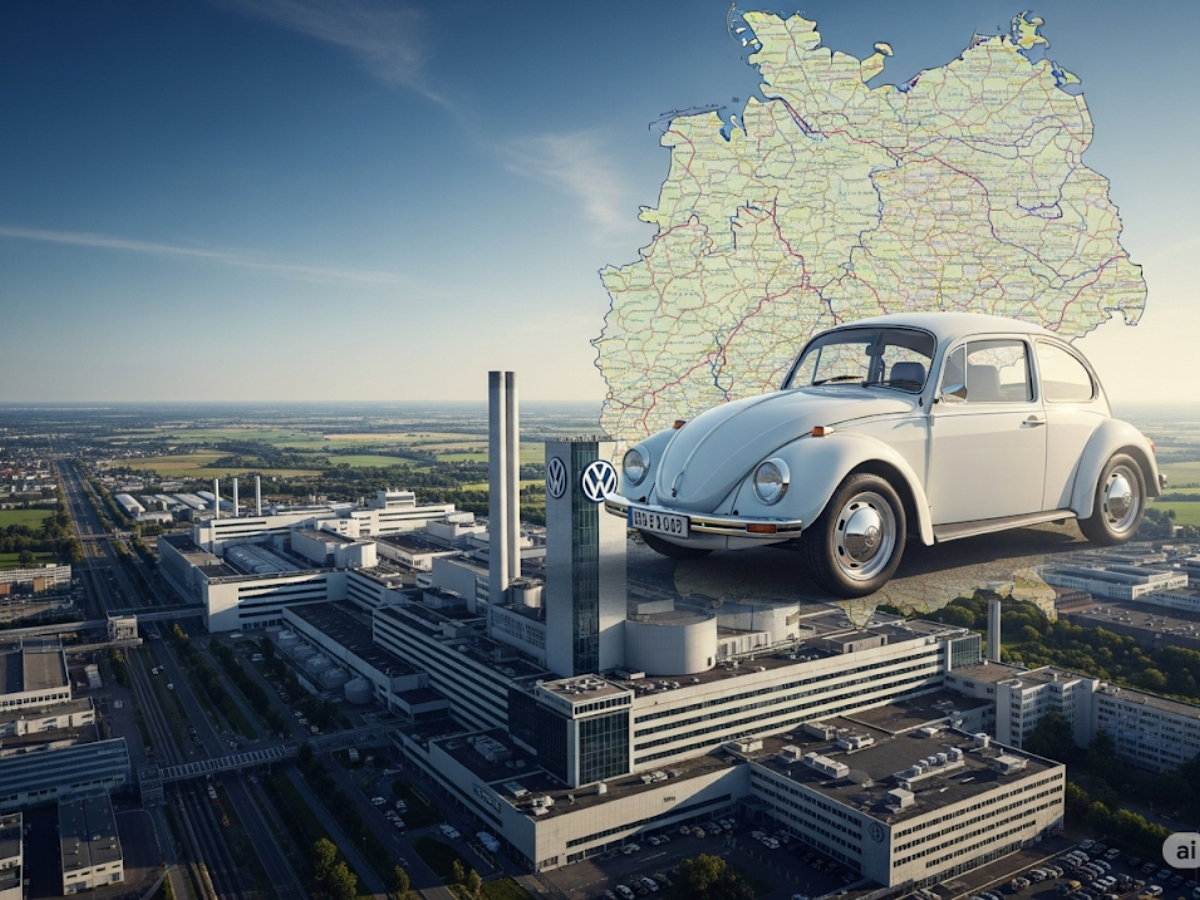
Discover How Volkswagen Was Saved Not from Bankruptcy, But from Dismantling, by the Vision of Major Ivan Hirst and a Crucial Order of 20,000 Beetles by the British Army
The narrative that Volkswagen was saved from bankruptcy by a British officer is a fascinating chapter in automotive history. At the end of World War II, the Wolfsburg factory was in ruins and its future was uncertain. However, the main threat was not financial, but rather physical dismantling as part of war reparations.
Understand the real story of Volkswagen’s revival. We show how Major Ivan Hirst’s pragmatic vision and a strategic military order not only prevented the destruction of the factory but also laid the foundations for the rise of one of the largest manufacturers of automobiles in the world.
The Ruins of Wolfsburg, Volkswagen’s Factory at the End of World War II
The origins of Volkswagen are linked to the German Nazi regime and the “People’s Car” (Volkswagen) project, conceived by Ferdinand Porsche. The Wolfsburg factory, however, produced few civilian cars before being converted for military production, manufacturing vehicles such as the Kübelwagen and components for V-1 bombs.
-
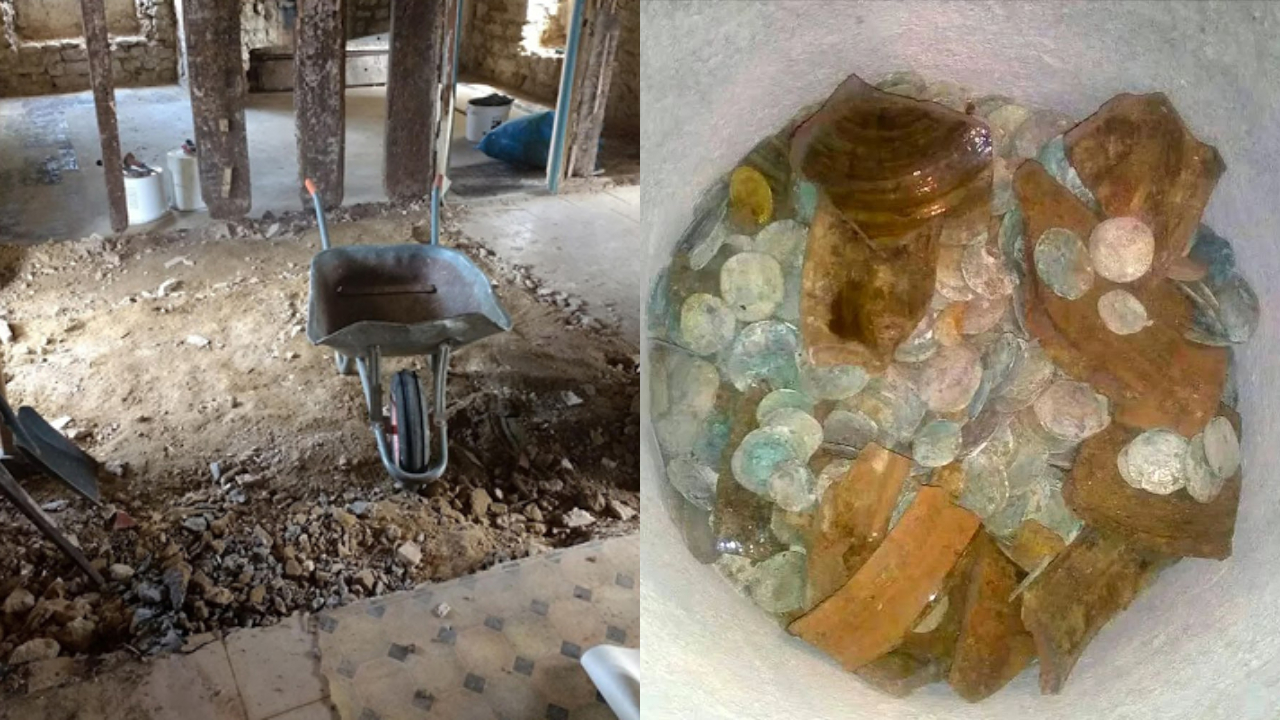
A couple buys an old chalet, breaks the kitchen floor for renovation, and finds over a thousand coins of gold and silver hidden since the English Civil War over 4 centuries ago.
-
Rigid bags with their days numbered: new trend prioritizes comfort in 2026.

-
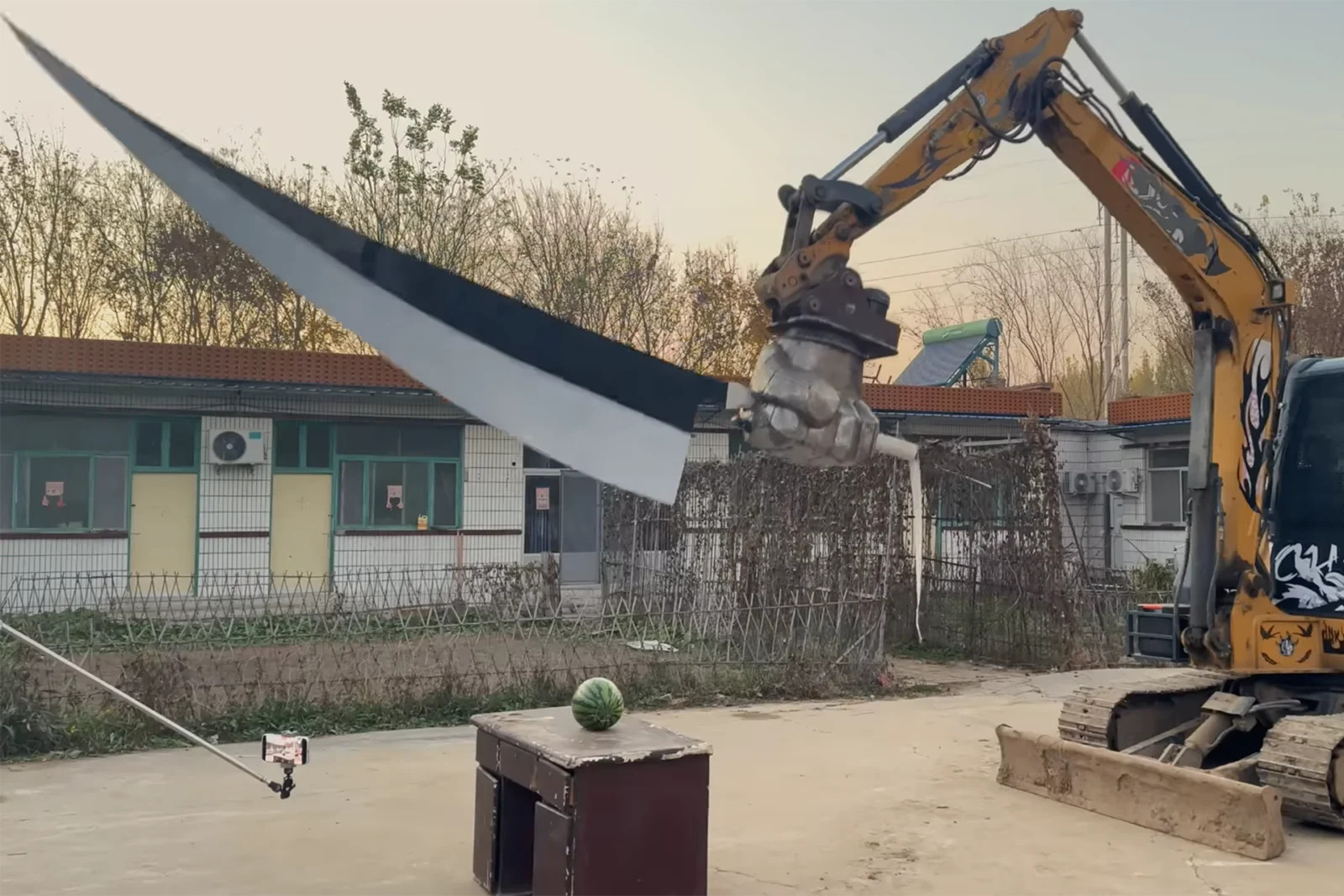
YouTuber creates an excavator equipped with a giant 4.5-meter sword to challenge his brother to a rematch, and the invention quickly goes viral on social media.
-
The U.S. Army surprises the world by presenting the UH-60MX Black Hawk helicopter capable of flying without pilots, controlled by a tablet, featuring the MATRIX system, smart sensors, and full autonomy in real combat and rescue missions.


In 1945, after years of Allied bombings, the factory was severely damaged. However, much of the essential machinery had been moved to safe locations, preserving its productive potential. The greatest danger was the Allied policy of dismantling German industries, and the Wolfsburg factory was on the list.
The Architect of Volkswagen’s Revival
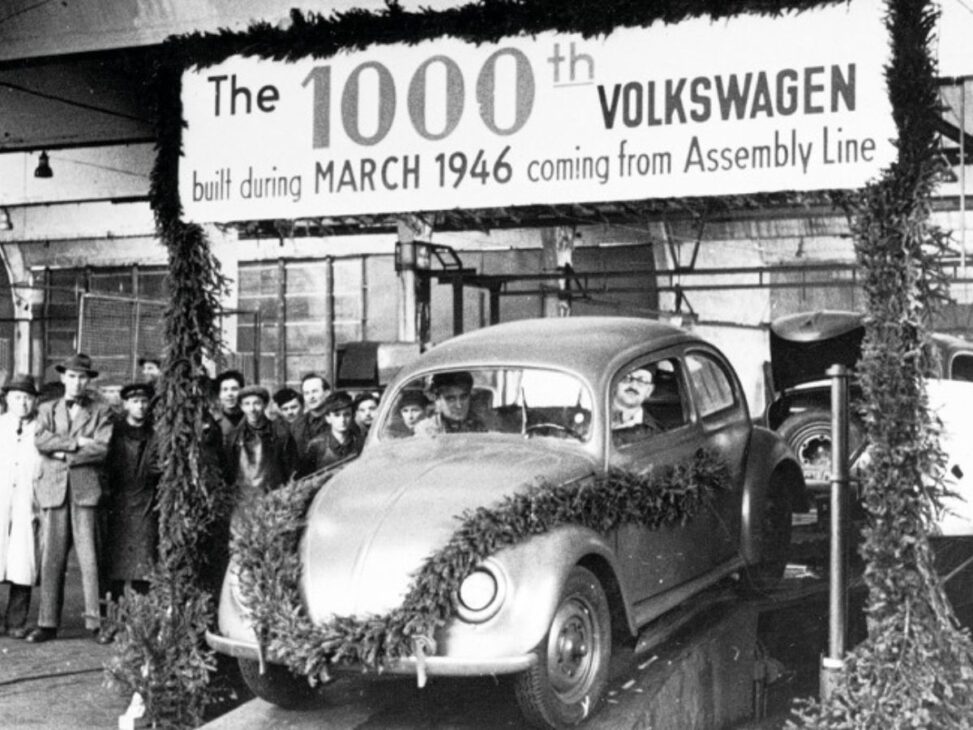
Major Ivan Hirst, a British officer of the Royal Electrical and Mechanical Engineers (REME) with an engineering background, was sent to Wolfsburg in August 1945 to oversee the factory. Despite the ruins and the negative assessments from British automotive industry experts, who considered the Beetle unviable, Hirst envisioned its potential.
With pragmatic and humanitarian leadership, he motivated the demoralized German workforce, overcame material shortages, and established the foundations for the resumption of production, demonstrating a vision that went beyond initial directives.
The Moment When Volkswagen Was Saved from Dismantling
The decisive intervention occurred when Hirst presented a prototype of the Beetle to the British Military Government. Impressed and in need of vehicles for their occupying forces, the British placed a formal order for 20,000 Volkswagen Type 1 (Beetles) on August 22, 1945.
This order was the “lifeline” for the factory. It provided an immediate purpose, justified the allocation of scarce resources such as steel and coal, and, crucially, ended the imminent dismantling plans. Volkswagen was saved from physical annihilation by this British pragmatism.
Reconstruction, Quality, and Hirst’s Legacy
Under Hirst’s leadership, the production of the Beetle officially resumed on December 27, 1945. The process was arduous, marked by material shortages and an undernourished workforce. Hirst implemented rigorous quality control measures, essential for the future commercial and export success of the Beetle.
He was also instrumental in creating a network of dealerships and service centers and initiated exports in 1947. In 1948, Hirst played a key role in appointing experienced German industrialist Heinrich Nordhoff as General Director, preparing the company for autonomous and professional management.
Was Volkswagen Saved from Bankruptcy or Annihilation?
The claim that Volkswagen was saved from “bankruptcy” is inaccurate. The company was actually rescued from physical destruction and oblivion. Without an owner and under the threat of dismantling, its future was nonexistent.
Major Ivan Hirst, with his engineer’s vision and inspiring leadership, was the central figure in this revival. The order for 20,000 Beetles by the British Army was the catalyst that enabled Hirst to transform a ruined factory into an embryo of success. This period under British tutelage not only saved Volkswagen but also paved the way for it to become a symbol of the German economic miracle and a global automotive powerhouse.





Seja o primeiro a reagir!