





 Portuguese
  English
  Spanish
  4 min of reading
  7 comments


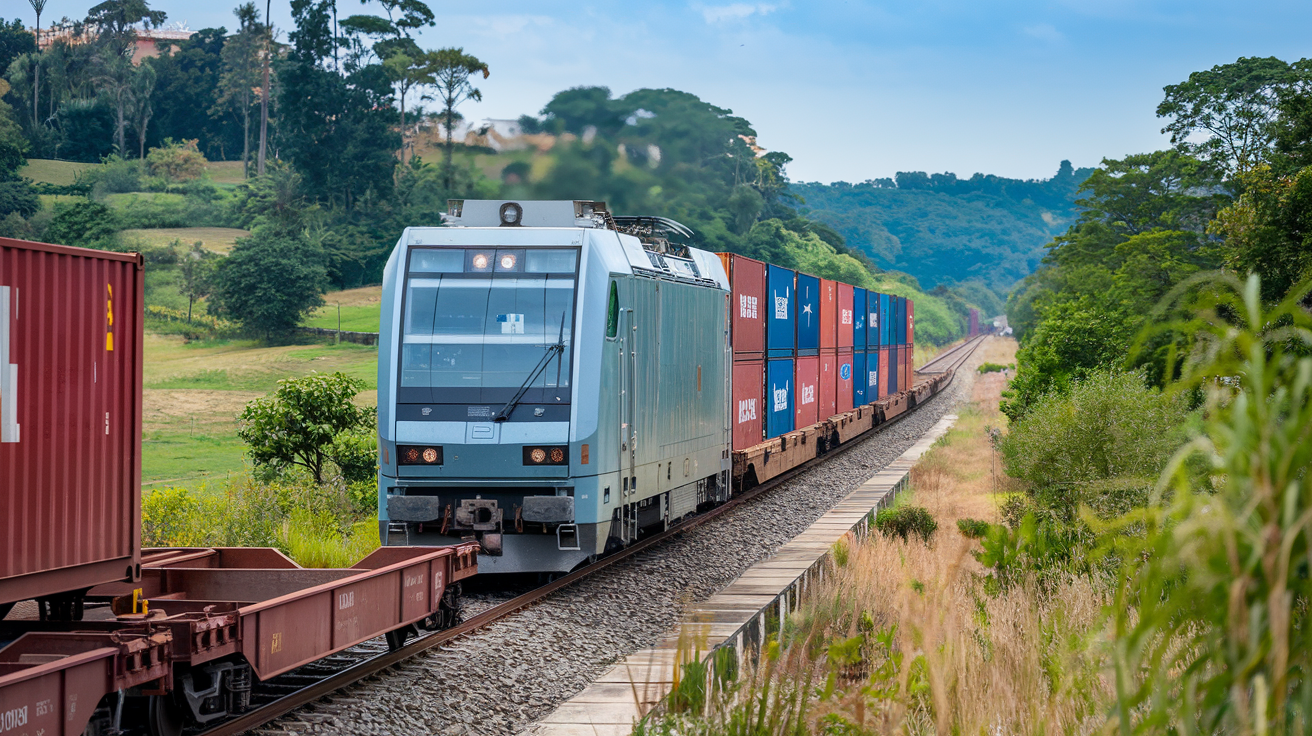


Double-Decker Trains Revolutionize Logistics in Brazil! More than 170 thousand containers transported between Sumaré and Rondonópolis, increasing efficiency by 40% and reducing pollutant emissions. This is the future of Brazilian railways! Discover how this technology is changing the national market and bringing unexpected benefits.
The Return of the Railway? Double-Decker Trains Expand Operations and Are Responsible for the Transportation of More Than 170 Thousand Containers Between Brazilian Cities.
Double-decker trains, also known as double stack, are changing the landscape of rail transport in Brazil.
Although railways have lost ground over the years, a surprising initiative has resurrected their relevance and brought efficiency to national logistics.
But how did a well-established technology in the United States become responsible for moving more than 174 thousand containers between Sumaré, in São Paulo, and Rondonópolis, in Mato Grosso? This advancement has more impact than one might imagine.
-
Unemployment rises again to 5.8% at the beginning of 2026, raising alarms about the end of temporary positions and its impact on the Brazilian job market.

-
Document organization can cut invisible costs in small businesses, a simple step that prevents waste, rework, and losses in daily operations.

-
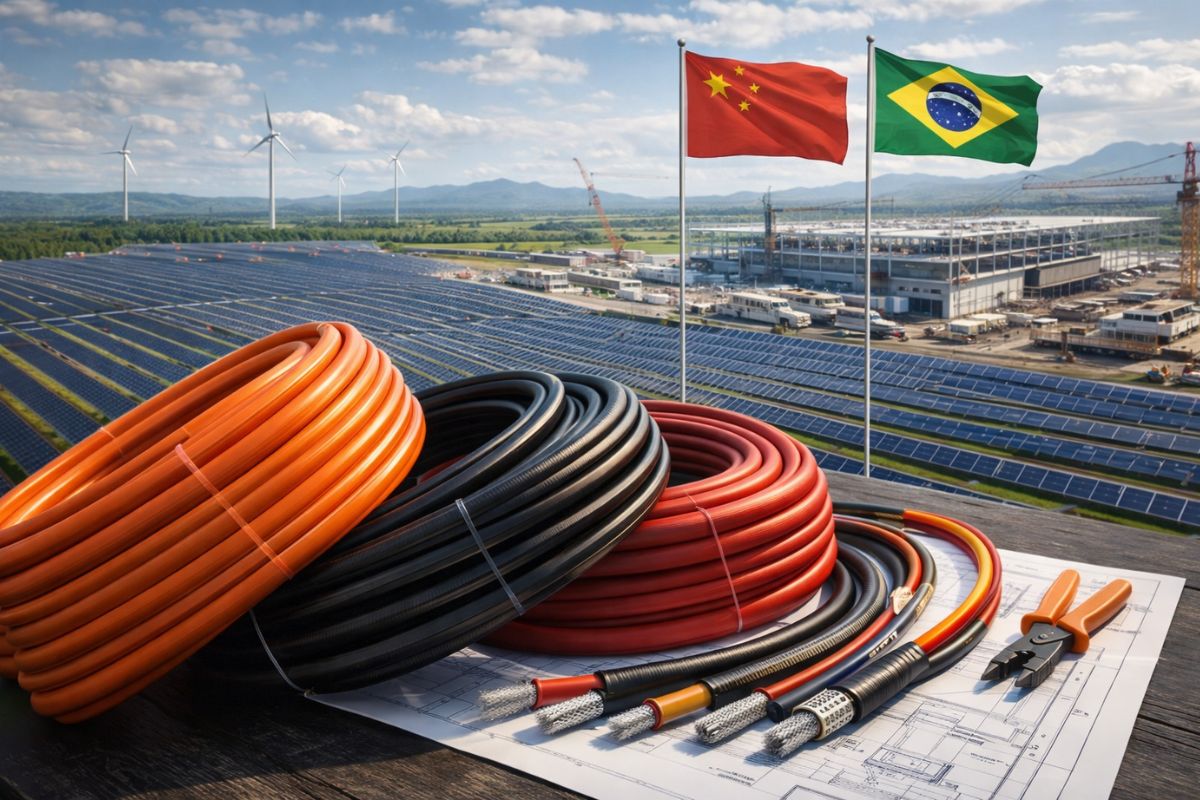
Chinese giant worth nearly R$ 4 billion that manufactures cables for electric cars, solar energy, and robotics wants to open a factory in SC.
-
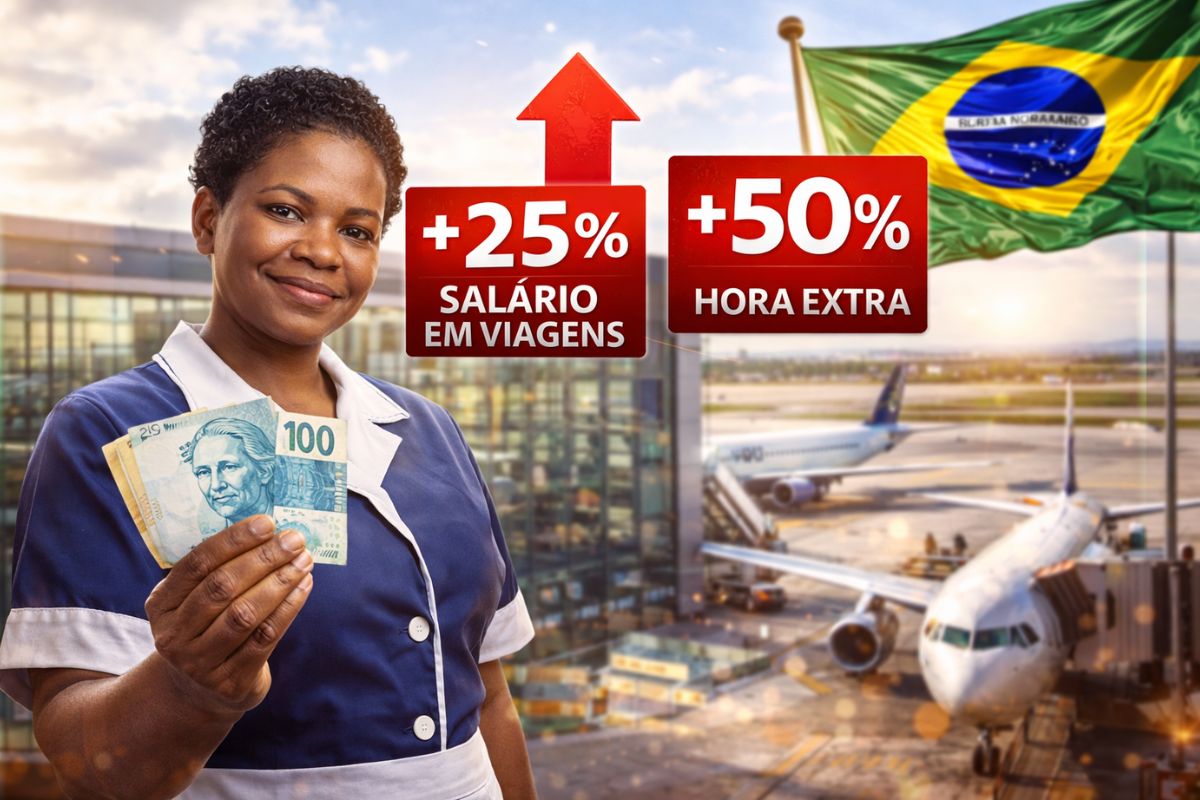
Many employers do not know, but the law guarantees domestic workers a 25% increase in salary during trips, 50% for overtime, 20% for night shifts, and 17 additional benefits that can lead to labor lawsuits if not paid.

A Revolution in Brazilian Rail Logistics
Between 2019 and 2024, double stack trains made 1,300 trips, transporting thousands of tons of goods across Brazil.
According to Brado Logistics, the company responsible for the project, the adoption of this technology allowed for an increase of about 40% in loading capacity.
This translated not only into efficiency but also into environmental benefits, with a significant reduction in greenhouse gas emissions.
Today, the diversity of products transported is impressive. From beverages, detergents, and animal feed to cement and paints, the system connects markets quickly and sustainably.
According to Luciano Johnsson, CEO of Brado, the project opened doors for a wide range of products to use the railway as a logistics alternative, something previously unthinkable in Brazil.
A Project Inspired by Global Solutions
The story of the project began in 2017, when engineers from Brado traveled to the United States to study how double stack trains operate.
This technology is widely used in North American railways, known for their high efficiency and transportation capacity.
Upon returning to Brazil, the company conducted rigorous tests to adapt the model to the national reality.
This included checking speed, balancing, and potential interferences on the railway lines. Additionally, it was necessary to adjust the railway terminals, such as the one in Sumaré, creating innovative solutions from scratch.
Renewed Infrastructure and Fleet Expansion
To enable the use of double-decker trains, Brado invested heavily in infrastructure. They acquired 148 double stack cars and three locomotives.
Today, the fleet has grown to 298 cars dedicated to this route. Additionally, 60 points along the railway underwent significant renovations, including the repositioning of electrical wires, raising overpasses, and lowering tracks.
The interventions also expanded logistical capacity. On the route between São Paulo and Mato Grosso, transport is not limited to inputs for agriculture.
The reverse route is marked by the sending of corn to food industries in São Paulo, strengthening integration between the states.
Pioneering in Latin America
Although double stack trains are common in the United States, the route between Sumaré and Rondonópolis was the first in Latin America to operate with this technology.
With cars reaching nearly six meters in height, the system challenged standards and boosted cargo transport in the country.
“The Brazilian internal market has benefited enormously from this innovation.
Today, consumers in Mato Grosso can buy various products that arrived in the state by railway, without even realizing that they were transported in a more sustainable and efficient manner,” noted Luciano Johnsson.
Environmental and Logistical Impacts
Double stack trains bring positive impacts both for the environment and the economy. According to Brado, multimodal transport based on rail harnesses the best of each mode, with trains covering long distances and trucks handling short segments, a solution that reduces pollutant emissions.
Another highlighted point is the reduction in operational costs. With greater transport capacity, trains can meet growing demands without overloading the highways.
Furthermore, the increased predictability and safety offered by railways attracted new clients and types of cargo, expanding the company’s service portfolio.
The Future of Brazilian Railways
Brado Logistics is a subsidiary of Rumo Logística, which has been continuously investing in the expansion of its railway network.
Currently, Rumo is responsible for operating the Paulista Network, covering 2,100 kilometers and passing through 117 municipalities in the state of São Paulo, including cities like Americana, Nova Odessa, and Hortolândia.
The advancements achieved with double-decker trains show that rail transport can be a viable solution for Brazil.
The success of the Sumaré-Rondonópolis route may inspire new projects and broaden the use of this technology to other regions of the country.
And you, what do you think? Is Brazil ready to bet more on railways as a logistics solution? Leave your opinion in the comments!








Poderia também aproveitar o sucesso do projeto e expandir para o transporte de passageiros .
Que alegria é para mim ler esta matéria num momento de perturbação política e econômica que o Brasil se encontra. Amo meu país e sonho um dia ver ele dar muito orgulho a cada brasileiro que nasceu nessa terra. Espero que essa ideia seja compartilhada e comentada em todo país e no mundo, pois sei que os estados unidos guarda com muito carinho esse patrimônio histórico a quem eles deve respeito pela contribuição na economia norte americana.
Parabéns Bolsonaro e Tarcísio, o trabalho de vocês na logística das ferrovias começou a dar resultado 👏👏👏
Kkkk Esses aí são representantes da indústria automobilística, tem até “trens” que rodam com pneus, e só sai investimento nesse setor ferroviário se privatizado com ações externas offshore do dólar. Patético!