





 Portuguese
  English
  Spanish
  3 min of reading


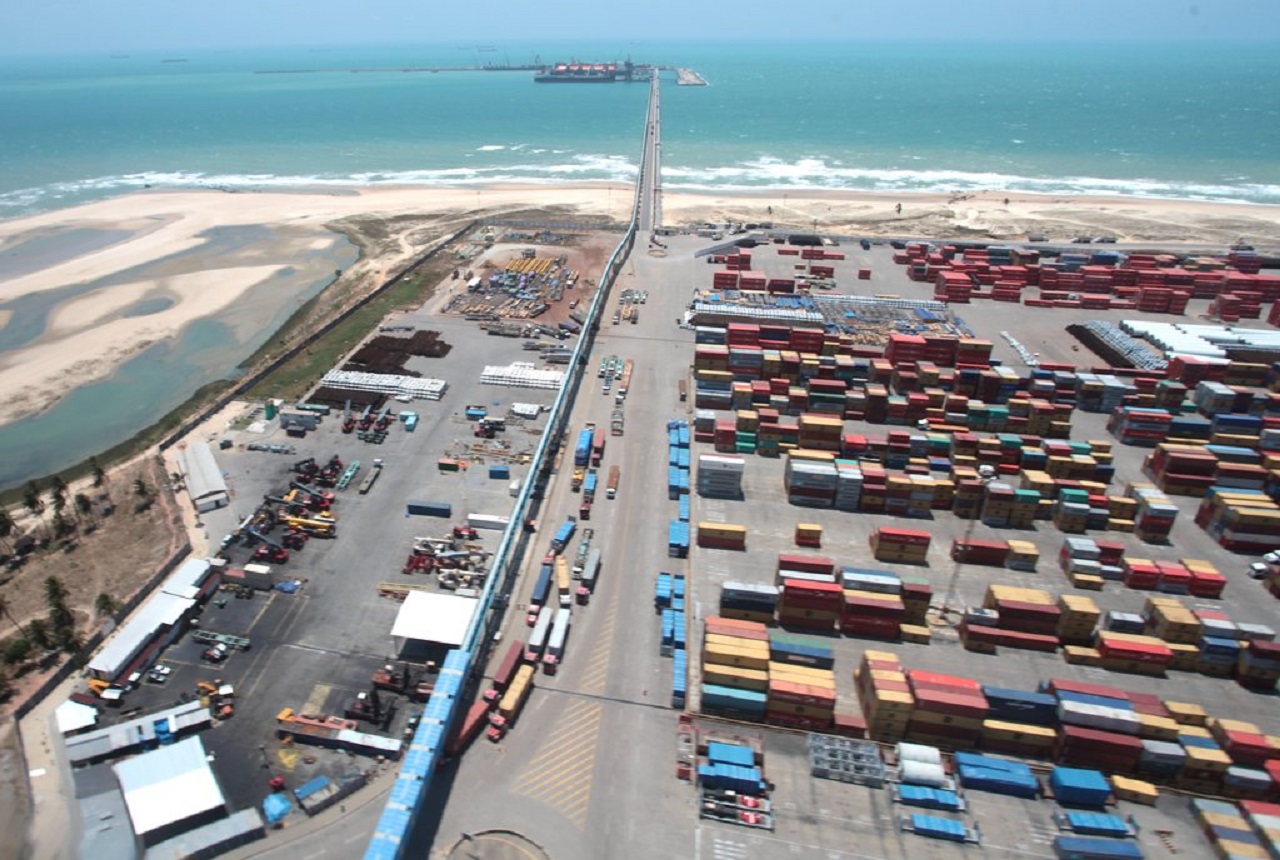
The Multinational ABB Has Just Signed a New Contract with Ceará for the Development of a Green Hydrogen Plant at the Port of Pecém.
The Northeast is ahead in the race for green hydrogen production in the country. The Government of Ceará and the multinational ABB signed a memorandum of understanding this week for the construction of a hub for green hydrogen production in the state. According to the company, the goal is for ABB to be one of the main technological partners of institutions and companies involved in advancing this project, which includes the Port of Pecém.
Learn How ABB Will Operate at the Port of Pecém in Ceará
ABB’s participation in the Green Hydrogen Hub will begin with technical feasibility studies for developing a production plant. Being a major reference in equipment for both electric power generation and energy consumption optimization, the company will also provide assets and technology to assist in green hydrogen production, which requires large amounts of energy at more competitive costs.
According to the Manager of the Energy Division at ABB Brazil, Renato Martins, at this point, the company can add significant value to the project in Ceará with its digital energy management solutions, whether it is renewable solar, biomass, wind, or hydro sources, as well as electrical equipment and rectifiers.
-
Unemployment rises again to 5.8% at the beginning of 2026, raising alarms about the end of temporary positions and its impact on the Brazilian job market.

-
Document organization can cut invisible costs in small businesses, a simple step that prevents waste, rework, and losses in daily operations.

-
Renewable energy advances over protected areas in Brazil, and a survey by the Energy Transition Observatory reveals silent impacts that challenge environmental conservation and pressure sensitive traditional territories.

-
Rio Grande do Sul accelerates energy transition: State invests in renewable technologies and consolidates decarbonization strategies and pathways to attract billions in new industrial investments.

A solution in view for the new hub at the Port of Pecém is the use of systems connected to the Remote Control Center, installed at the company’s headquarters in São Paulo, to generate periodic technical reports and diagnostics. The use of these technologies and procedures is a necessary step to optimize the operations of the green hydrogen production unit, reducing the cost of H2 per kg produced.
Partnership Between ABB and Ceará Aims to Highlight Brazil
The objective of the partners in the Green Hydrogen Hub at the Port of Pecém is to position Brazil as a producer, distributor, and exporter on a global scale. The country has the conditions to be a leading player in the global market, and the topic gained traction with the announcement of the triennial plan of the National Hydrogen Program (PNH2) by the Ministry of Mines and Energy in December.
Although abundant in nature, hydrogen is rarely found in its elemental form. Thus, extraction must be done from raw materials such as natural gas, coal, or oil. Green hydrogen, on the other hand, is extracted through a process of electrolysis of water that uses renewable electric energy sources.
Brazil is one of the countries that generate the most renewable energy in the world and, according to data from Bloomberg NEF, is one of the few that can offer green hydrogen at the lowest cost globally, at US$ 0.55 per kg by 2050.
Ceará Will Become a Powerhouse of Fuel in the Country
In the state of Ceará, conditions for production and export are equally favorable, with high capacity for solar and wind energy generation, availability of land for building a hub, strategic location of the Pecém Complex, water availability through desalination, and many others.
Martins emphasizes that the state of Ceará is doing an excellent job showcasing to the world the benefits of installing projects at the Port of Pecém and attracting those interested in bringing new investments. This creates opportunities for new ventures, in which private companies can be involved, and obtain excellent results from this synergy. He states, however, that the country must promote the implementation of regulations and standards if it wants to become a strong exporter of green hydrogen (H2V) and its derivatives.









Seja o primeiro a reagir!