





 English
  Francês
  Alemão
  Italiano
  Japonês
  Norueguês
  Portuguese
  Spanish
 3 min of reading


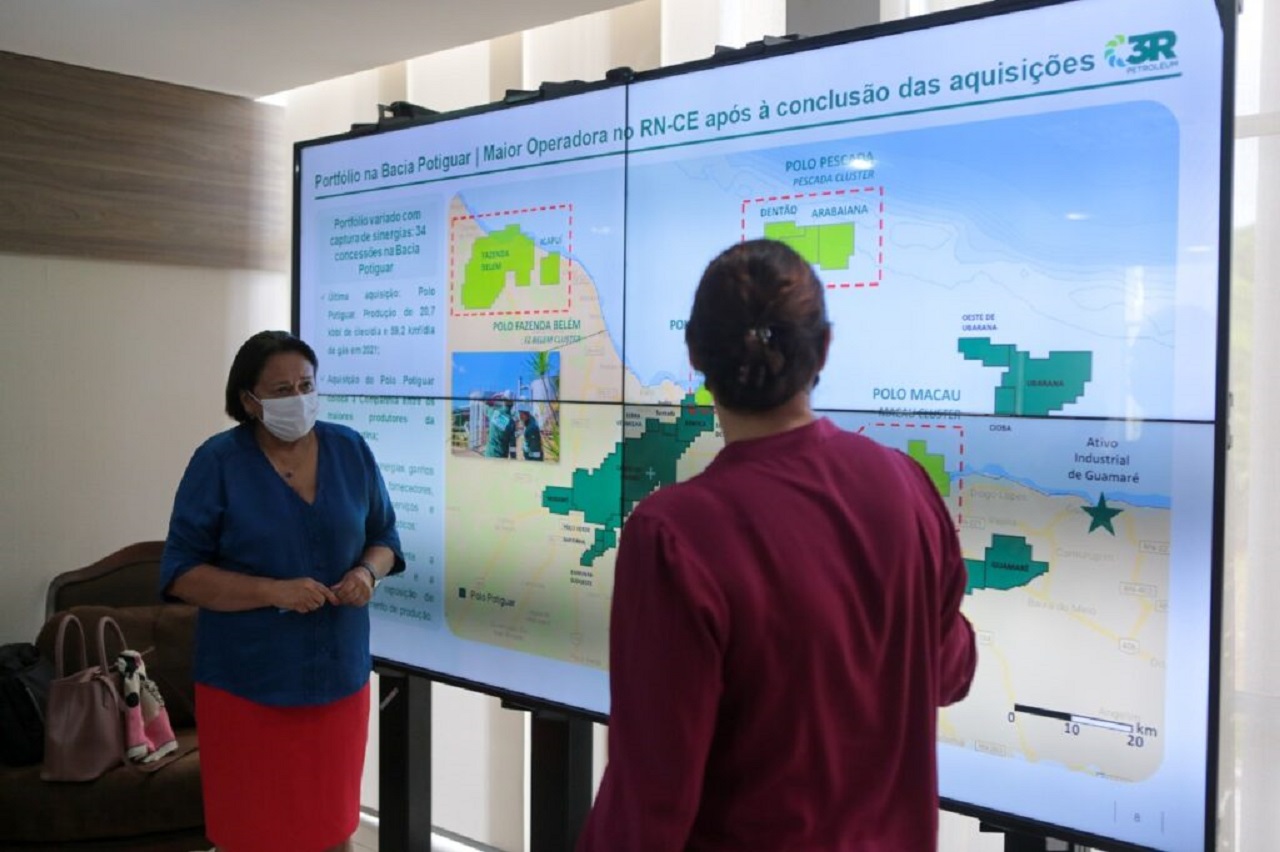
Public Hearing in Mossoró Will Discuss the Economic Recovery of the Oil and Gas Sector in Rio Grande do Norte
The Mossoró City Council will bring together the oil and gas industry operating in the state of Rio Grande do Norte and representatives from government entities to discuss the economic recovery in the oil sector, focusing on the companies that acquired concessions resulting from Petrobras’ Divestment Program. The public hearing will take place this Thursday, March 31, starting at 9 a.m. At the invitation of councilor Lamarque Lisley de Oliveira, the proponent of the hearing, the Brazilian Association of Independent Oil and Gas Producers (ABPIP) will participate in the event, represented by the Executive Secretary, Anabal Santos Jr.
Experts Discuss Oil and Gas Exploration in the State
This will be an excellent opportunity for us to continue discussions regarding oil and gas exploration in the state, as well as important pending points, such as the state bill addressing local piped gas services and environmental licensing, essential for independent companies to increase investments in the state,” he explained.
Santos Jr. expresses optimism about the progress of discussions in Rio Grande do Norte. “We participated in a public hearing held at the Legislative Assembly in Natal on the 17th of this month. I see that conversations are evolving, and we are willing to work together with the State to resolve these bottlenecks, so that the sector’s production is not harmed. Regarding the Gas Bill, we are already building a new version together with the State Government to offer this improvement for consideration in the ALRN. As for the review of the state environmental licensing law, we expect the State Government to create a working group so that, finally, the processing of this issue is more expedited,” said the executive.
-
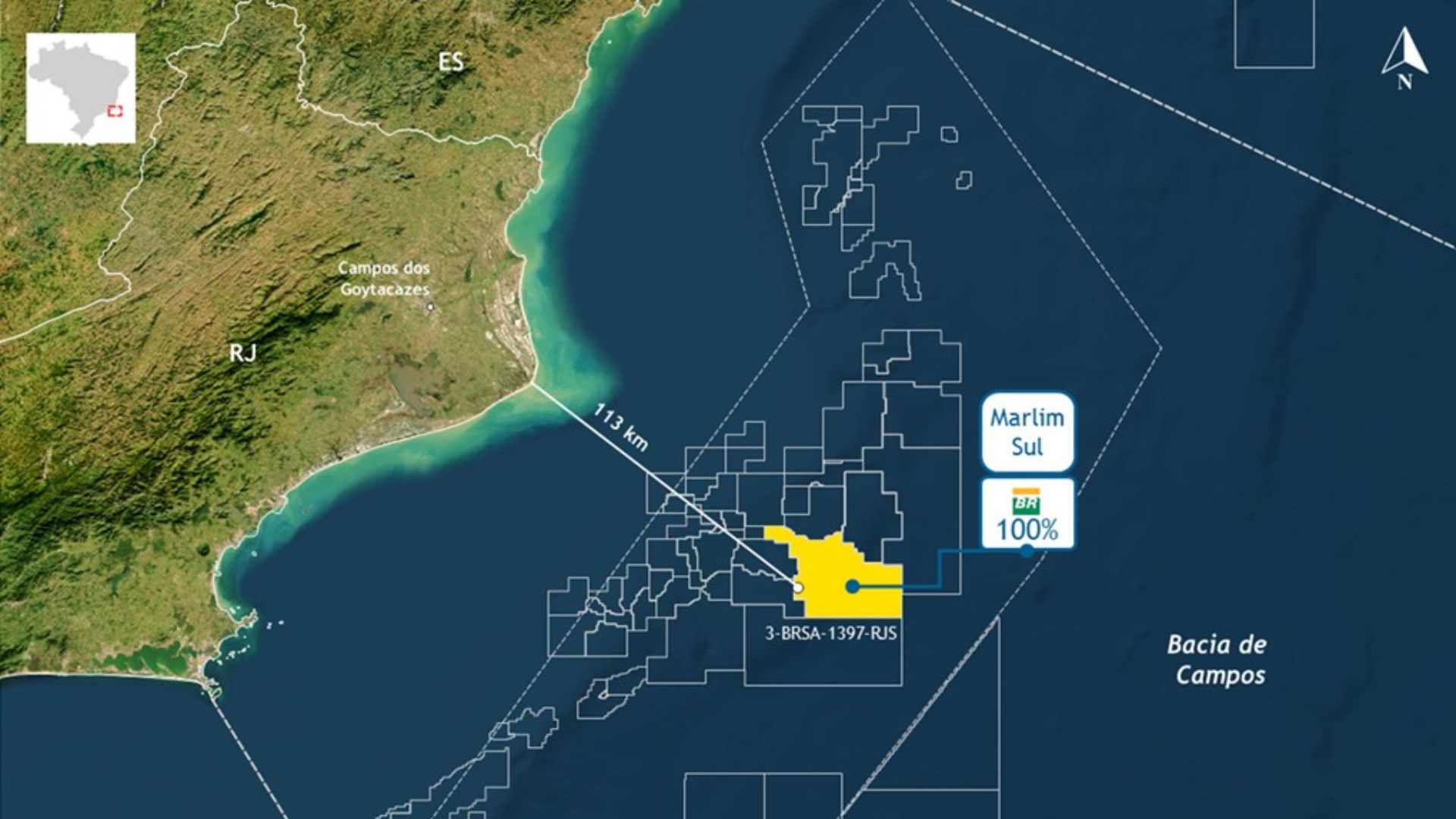
Petrobras announces new oil discovery in the pre-salt of the Campos Basin and reinforces Brazil’s prominence with high-quality reserves that can increase production and energy revenues.
-
Alert in the fuel market: Analysts and a former director of ANP warn that oil prices may worsen in the coming months due to global instability.
-
Ocyan brings executives and digital solutions to Macaé Energy 2026 and highlights offshore expansion with Nexio and a new base in Macaé.

-
Petrobras advances 4.6% with rising oil prices and the dollar, reigniting the debate on macro risks, pricing policy, and fiscal impact in Brazil.

Potiguar Production
Rio Grande do Norte stands out in the oil production scene carried out by small operators. Independent producers, who operate mature fields purchased from Petrobras, mostly from the onshore environment, already account for 50% of the production in Rio Grande do Norte, currently at 40,700 boe/d, considering February 2022.
Together, independent producing companies generated R$ 250 million in royalty payments to the State in 2021 and about R$ 24.7 million in participation to landowners. There is also a forecast of billions in investments to be made in the State by these companies. Only the Potiguar Pole, operated by 3R Petroleum, is expected to receive investments of around R$ 7 billion, as informed by the company’s CEO, Ricardo Savini, during a Public Hearing at ALRN.
Experts Discuss the Gas Bill
According to Santos Jr., as of January 1 of this year, Rio Grande do Norte began to have a supply of natural gas directly provided by independent producing companies, with a decrease of up to 35% in the molecule’s value compared to what was previously charged by Petrobras.
“ABPIP has been working with the State to seek adjustments to the Bill 371/21, which establishes the norms related to the exploration of local piped gas services, in order to ensure harmony between state and federal assignments,” he explained.
Another essential point to ensure the attraction of even more investments from independent producers in RN, according to Santos Jr., is regarding the proposal for harmonization and simplification of environmental licensing of activities in land areas and the removal of the requirement for the Environmental Assessment and Performance Report (RADA).
“Environmental licensing is still a significant bottleneck in RN, which currently imposes the highest costs in Brazil. It is necessary to advance on this issue, which has been under discussion in the state for about four years, so that RN can indeed achieve the necessary progress for economic activities in oil and gas,” he concluded.









Seja o primeiro a reagir!