





 Portuguese
  English
  Spanish
  3 min of reading
  0 comments


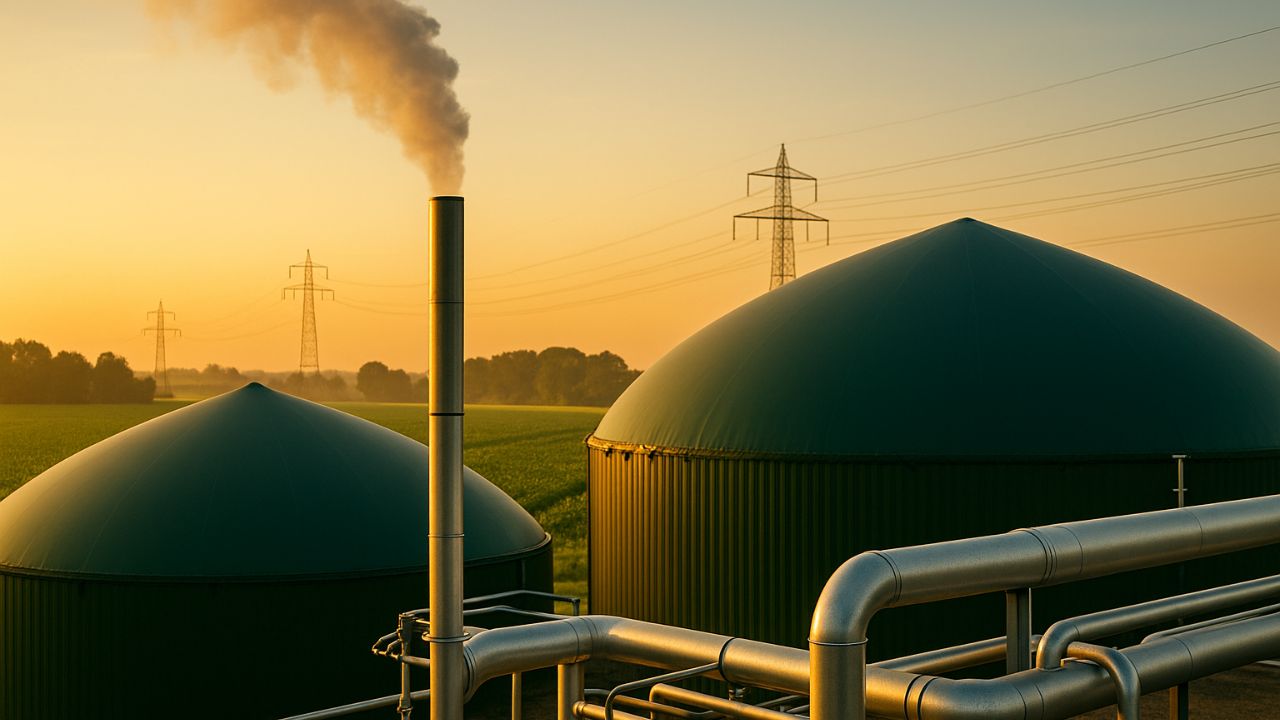
Initiative Seeks to Provide Power and Stability to the Electric Grid, In Addition to Creating a Certificate of Origin for Renewable Gas, Aligning Brazil with International Climate Goals.
The Brazilian Association of Waste Energy (Abren) is developing a proposed bill. The goal is to enable the contracting of biogas plants to supply power to the Brazilian electric system. The measure also includes the creation of a certificate of origin for biogas, through the National Zero Methane Program, to enhance the source’s attributes.
Biogas Plants as a Solution for Power and Stability of the Grid
The generation of dispatchable energy is one of the main benefits of biogas. According to Abren’s president, Yuri Schmitke, biogas plants are capable of offsetting the power deficit generated by intermittent renewable sources, such as solar.
“We can use biogas like a battery, as a load stabilization during times when there are no renewables in the system”, explains Schmitke. He adds that the proposal should not impact energy tariffs. “The idea is to create a mechanism where the federal government will allocate biogas and energy recovery within the reserve energy. And there won’t be an impact on tariffs because this generation will enter as capacity”.
-
The Economist states that Brazil has a “secret weapon” against expensive oil and highlights how the country can reduce economic impacts even in international scenarios of high volatility.

-
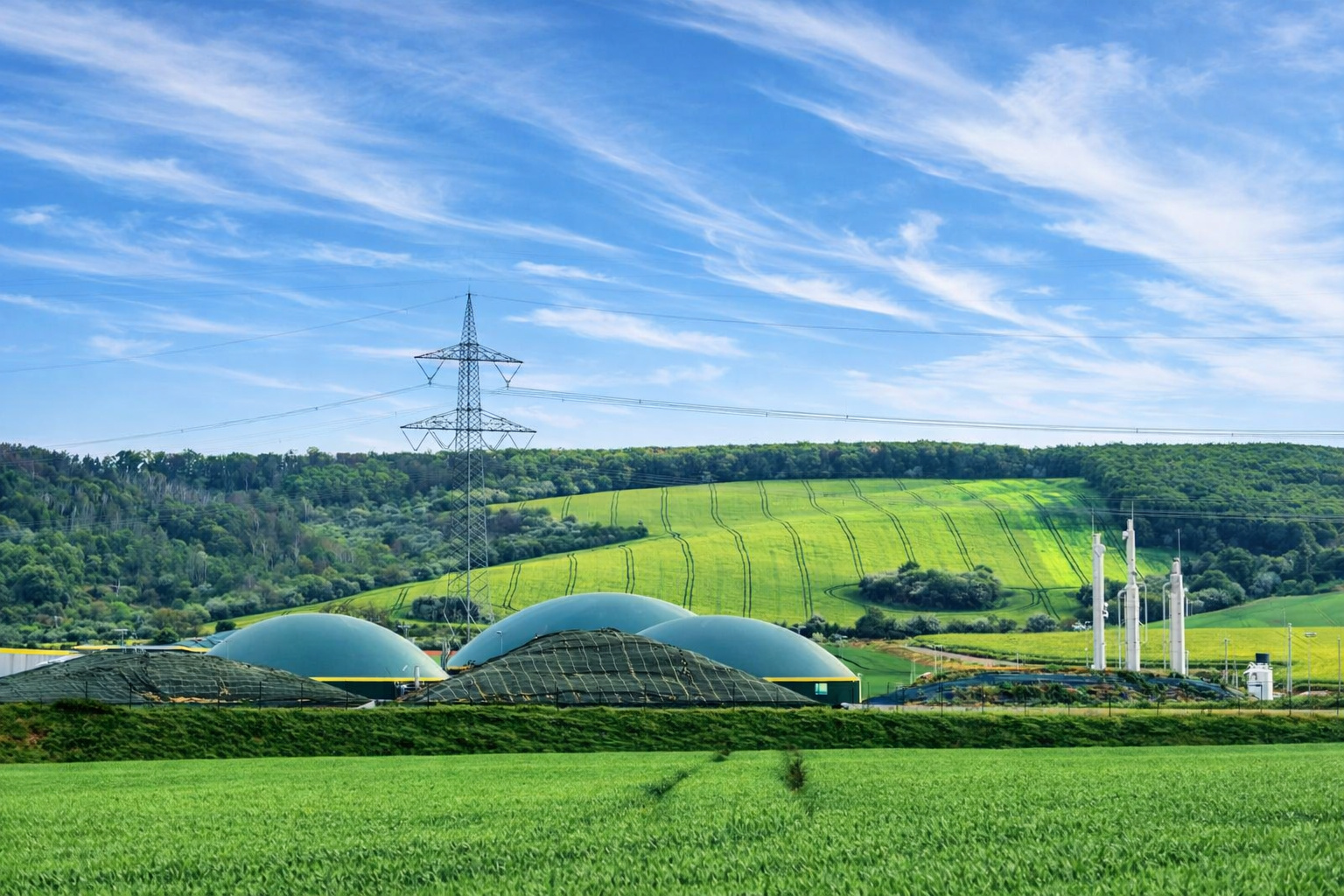
Brazil accelerates decarbonization in the South: International forum in Foz do Iguaçu gathers leaders to discuss the advancement of biomethane in the energy matrix and the potential of “caipira pre-salt.”
-
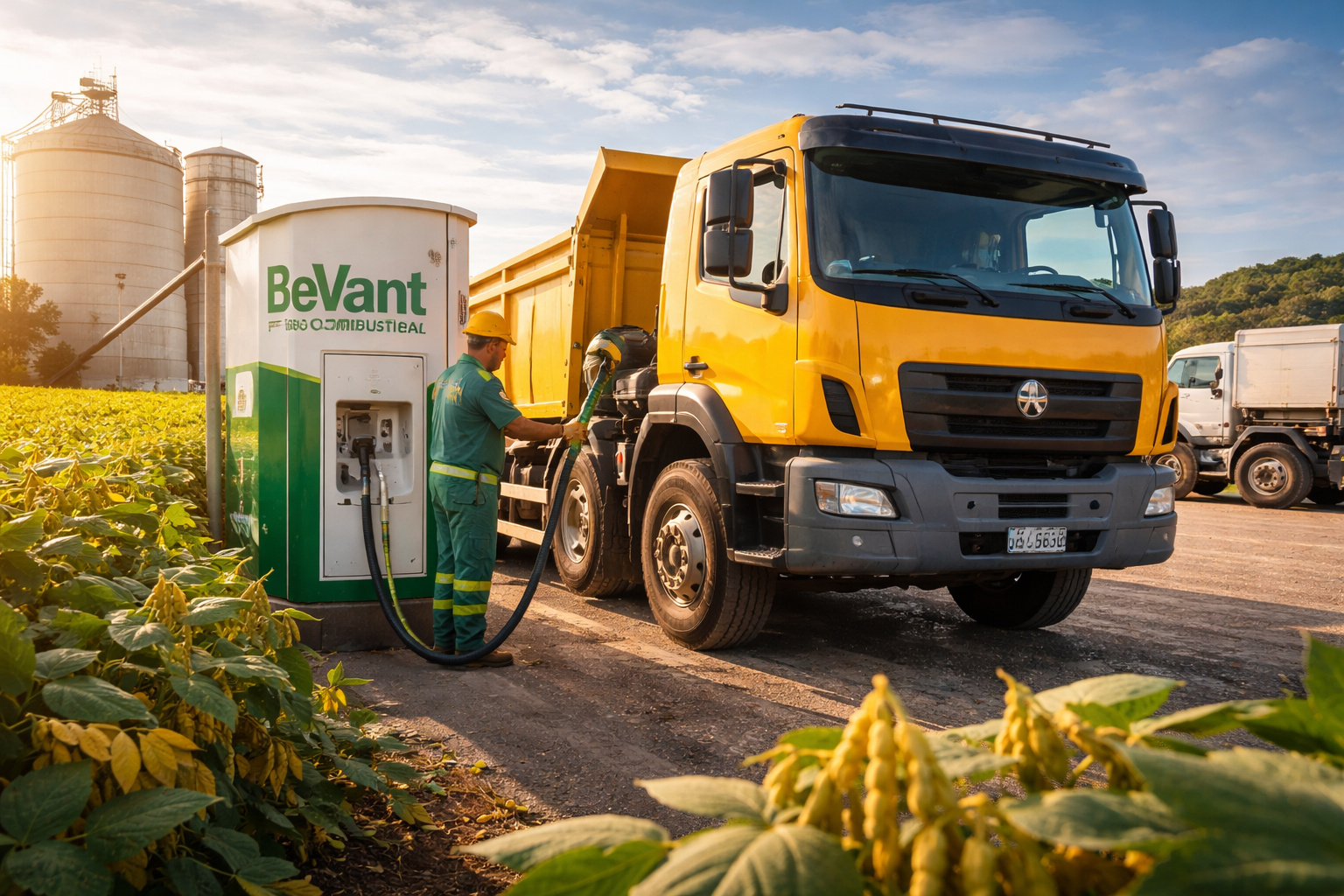
As diesel prices soar due to conflicts in the Middle East, a Brazilian city decides to test a little-known biofuel that promises to completely replace fossil fuel without adaptation and could change the future of energy in the country.
-
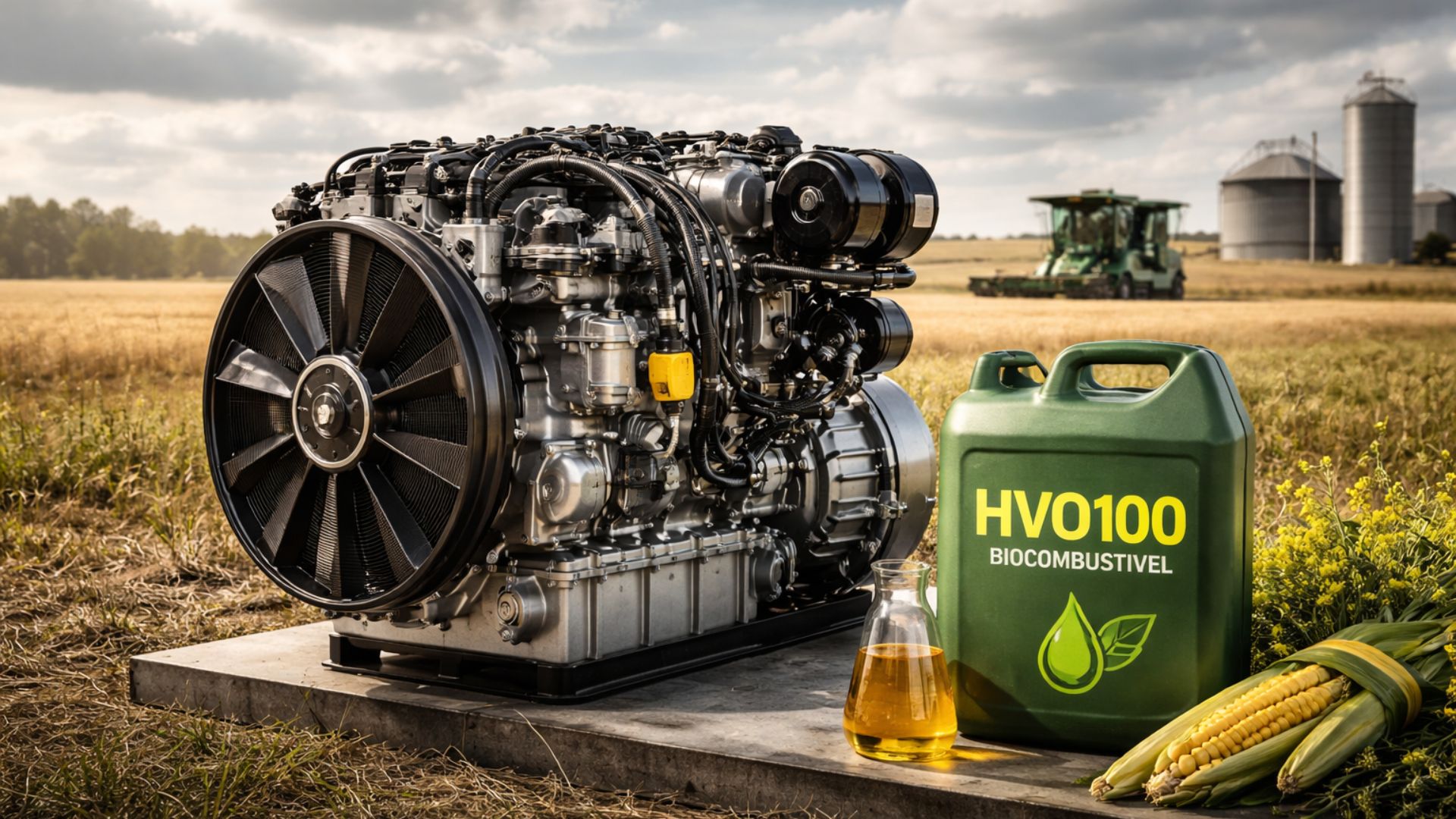
Innovation with biofuel engines transforms agribusiness by replacing diesel without the need for major adaptations, ensuring energy efficiency and helping to reduce dependence on oil.

Creation of the Certificate of Origin to Enhance Biogas
A central point of the initiative is the creation of a certificate of origin for biogas. This certificate will be essential to enhance the source and its environmental potential. The expectation is that the document will follow international rules, allowing its commercialization abroad as well.
The executive from Abren emphasizes that this certification directly contributes to emission reduction targets. “This will enhance the utilization of biogas in Brazil”, he states.
Brazilian Potential and Alignment with Global Climate Goals
Brazil has enormous energy potential in its waste. Currently, the country utilizes only 3% of the biogas it could produce. “Brazil can become the largest producer of biogas in the world. And for that to happen, we will need both electric energy and biomethane”, says Schmitke.
The proposal is aligned with international commitments. The Paris Agreement, signed by Brazil, aims for a 30% reduction in global methane emissions by 2030. The country also committed at COP 29 to reduce emissions from organic waste, whose main sources in Brazil are agriculture and urban waste.
Contracting Mechanism and Expected Government Support
Abren proposes that the contracting of biogas plants occur through public calls conducted by Aneel. The contracted volumes would be defined in line with the goals of the Climate Plan. The association hopes that the bill receives support from the federal government, as it follows the same logic as other decarbonization policies, such as Paten and the Future Fuel Law.
The idea resembles an amendment suggested by Senator Wellington Fagundes (PL/MT) within the scope of Paten, which did not advance. The difference is that the previous proposal called for municipal bidding, while the current one centralizes the process within Aneel.
Initiative Stimulates Feasibility Studies in Municipalities
In addition to contracting, the project aims to stimulate waste management at the local level. The initiative will create goals for municipalities to conduct economic-financial feasibility studies of the energy recovery of their waste.
“Today we bury all the waste without conducting any study. So, this is a project that is within the priority of the federal government, of decarbonization”, concludes Schmitke.
With information from Eixos.









Seja o primeiro a reagir!