





 English
  Francês
  Alemão
  Italiano
  Japonês
  Norueguês
  Portuguese
  Spanish
 5 min of reading
  0 comments


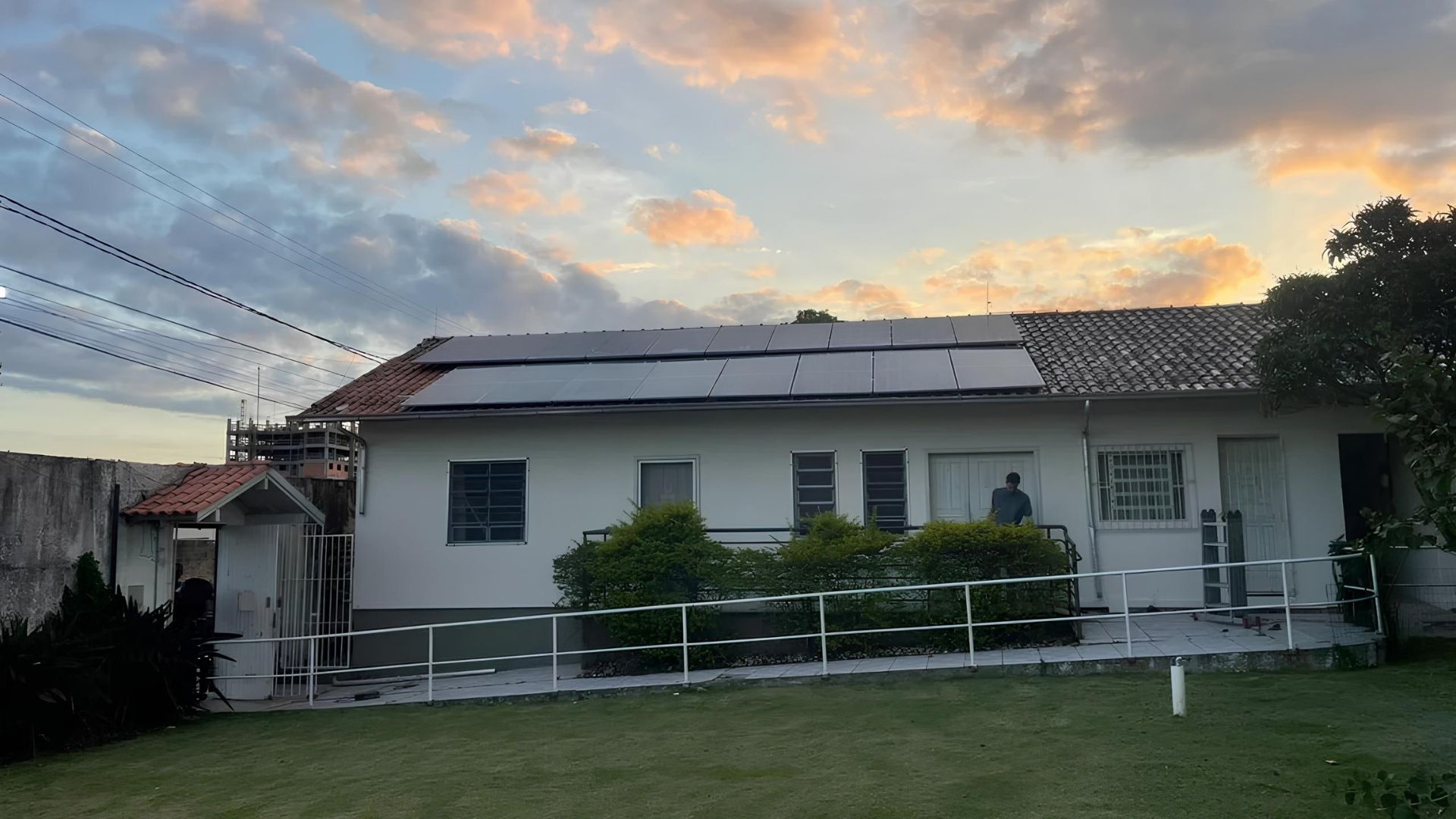
The Senior Shelter in Tubarão Invests in Solar Energy to Reduce Costs, Ensure Savings on the Electric Bill, and Strengthen Sustainability and Care Actions for the Elderly
The Senior Shelter in Tubarão has taken an important step towards modernizing its structure by putting into operation a solar energy system, an initiative that strengthens the institution’s sustainability, generates savings on the electric bill, and enhances the capacity for care provided to the elderly residents.
According to a report published by Notisul this Sunday (14), the action, made possible through community partnerships and institutional support, represents a strategic advance for an entity that primarily depends on donations and the engagement of the local community.
Senior Shelter in Tubarão Bets on Solar Energy to Reduce Costs
Right at the beginning of its operation, the new photovoltaic system has already begun to supply part of the shelter’s energy consumption, contributing to a reduction in monthly expenses. In a scenario where every saved resource can be reverted to more comfort, health, and dignity, the initiative reinforces the Senior Shelter‘s commitment to good management and the well-being of the elderly residents.
-
Roraima bets on the sun to escape high tariffs: Amid the energy crisis and price hikes, solar energy is growing in Roraima and transforming consumption in the North region.
-
Copel boosts solar energy in Paraná and brings innovation to public schools, promoting savings on electricity bills, energy efficiency, and a direct impact on the quality of education.
-
Brazil reaches historic milestone in solar energy: Sector surpasses 2 million accumulated green jobs and generates billions in the national economy even under market pressure.
-
Minas Gerais takes the lead in renewable energy: State surpasses historic mark of 14 GW in solar energy generation in MG and consolidates dominance in the Brazilian electric sector.
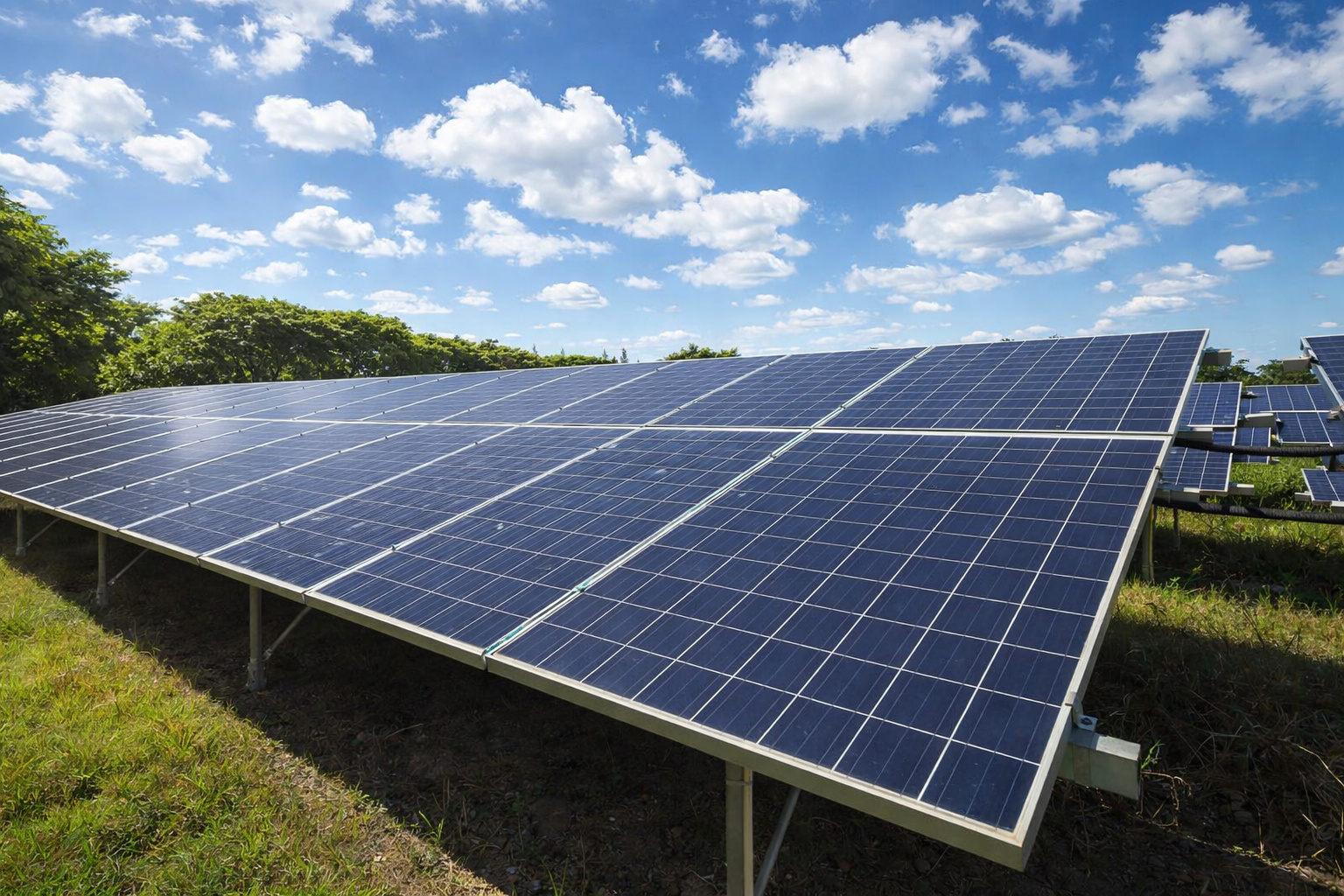
The system installed at the Senior Shelter has a capacity of 4.27 kWp, with seven solar panels spread over an approximate area of 23 square meters. The estimated generation is about 413 kWh per month, an amount sufficient to cover a significant part of the institution’s consumption.
The expectation is for a savings on the electric bill of up to 10% per month, a relevant percentage for a philanthropic entity that maintains its activities with limited resources. According to a technical survey, before the implementation of the solar energy system, electricity expenses accounted for about 8% of the shelter’s annual administrative costs, making the investment a strategic choice to ensure long-term financial balance.
Reducing fixed expenses is essential to ensure the continuity of care for the elderly, especially in long-term institutions that offer free services.
Solar Energy as a Tool for Sustainability at the Senior Shelter
In addition to the financial impact, the adoption of solar energy strengthens the environmental commitment of the Senior Shelter in Tubarão. The use of a clean and renewable source contributes to reducing the dependence on conventional energy and decreasing the institution’s environmental footprint.
The transition to renewable sources has solidified as a trend in Brazil, driven both by the pursuit of savings and by environmental concerns. In the case of social institutions, this movement gains even more relevance, as it combines environmental responsibility with efficiency in resource management.
Environmental sustainability and social responsibility go hand in hand, especially when the benefits reach those who need it most.
Project Made Possible by Partnerships and Community Support in Tubarão
The solar energy project of the Senior Shelter was presented by the Masonic Lodge União e Progresso in the municipality and sponsored by the Sicredi Regional South SC Social Fund. The technical installation was carried out by the company Photon Solar, also based in Tubarão.
The total investment was R$ 9,825.00, an amount that included the supply of equipment, installation, commissioning, and approval with the electric utility. The installed equipment has an estimated lifespan of up to 25 years, ensuring prolonged benefits for the shelter over the next decades.
This cooperation model demonstrates how the union between entities, companies, and the community can make structuring projects possible, even in institutions that do not have large financial resources.
Savings on the Electric Bill Strengthens Care for the Elderly
The Senior Shelter currently serves 24 elderly individuals in long-term care, offering free food, medications, healthcare, occupational activities, and psychosocial support. Each reduction in operational costs represents the possibility to expand or further qualify these services.
With the savings on the electric bill provided by solar energy, part of the resources previously allocated for electricity payment can be redirected to essential areas, such as improvements in food, acquisition of medications, maintenance of physical structure, and promotion of activities that stimulate the physical and emotional well-being of residents.
Management and Modernization of the Senior Shelter with Solar Energy
At the helm of the institution, President Karla Hamada has been conducting a continuous process of modernization at the Senior Shelter in Tubarão. In recent months, the entity has addressed and regularized pending legal requirements, ensuring it is fully prepared to seek new resources, agreements, and partnerships.
According to the president, the installation of the photovoltaic system goes beyond reducing expenses. For her, the project represents a direct investment in the quality of care offered to the elderly, ensuring better operating conditions and greater financial stability for the shelter. Efficient management, combined with sustainable initiatives like solar energy, strengthens the institution and expands its capacity for long-term planning.
The Community Keeps the Mission of the Senior Shelter in Tubarão Alive
The operation of the Senior Shelter heavily depends on community involvement. In addition to the technical team, volunteers work daily in caring for the elderly, contributing to recreational activities, emotional support, and well-being initiatives.
The institution also promotes fundraising events and ongoing campaigns to collect food, hygiene products, and financial resources. These actions are essential to cover fixed expenses, such as food, medications, maintenance of the facility, and payment of professionals.
The installation of the solar energy system adds to this collective effort, demonstrating that community support can result in lasting and structural solutions.
Solar Energy and Social Responsibility in the Brazilian Context
The expansion of solar energy in Brazil has benefited not only homes and businesses but also social and philanthropic institutions. The growth of distributed generation allows organizations to reduce costs and increase their energy autonomy while contributing to a cleaner energy matrix.
In the case of the Senior Shelter, the project stands out as an example of how technology can be strategically applied in the third sector, promoting savings on the electric bill, environmental sustainability, and the strengthening of the entity’s social mission. These initiatives are likely to become increasingly common as the benefits of renewable energy solidify in the country.
More Sustainability, More Care, and a Safer Future for the Elderly
The implementation of the solar energy system marks a new moment for the Senior Shelter in Tubarão. The initiative reduces costs, strengthens financial sustainability, values the environment, and, most importantly, expands the capacity to offer dignified and quality care to the elderly.
The savings on the electric bill, combined with the community’s engagement, transforms into more care, more comfort, and more quality of life for those living there, reinforcing the importance of projects that unite social responsibility and sustainability.







Seja o primeiro a reagir!