





 Portuguese
  English
  Spanish
  3 min of reading
  0 comments



With New Rules, Adjustments to the Income Tax and Direct Comparisons with Freelancers and Microenterprises, the MEI Remains Advantageous in Many Scenarios, but Requires Strategic Attention to Avoid Losses and Common Mistakes
in recent years using the MEI as an entry point. However, changes that occurred in 2025 raised relevant questions about the future of this model in 2026.
Given this, comparing the MEI with other forms of operation has become essential. Working as a freelancer or opening a microenterprise may seem simple, but generates distinct financial impacts.
This information was disclosed by “Monetizando Negócios,” a channel specialized in business education, based on tax simulations and updated rules expected for 2026.
-
Unemployment rises again to 5.8% at the beginning of 2026, raising alarms about the end of temporary positions and its impact on the Brazilian job market.

-
Document organization can cut invisible costs in small businesses, a simple step that prevents waste, rework, and losses in daily operations.

-
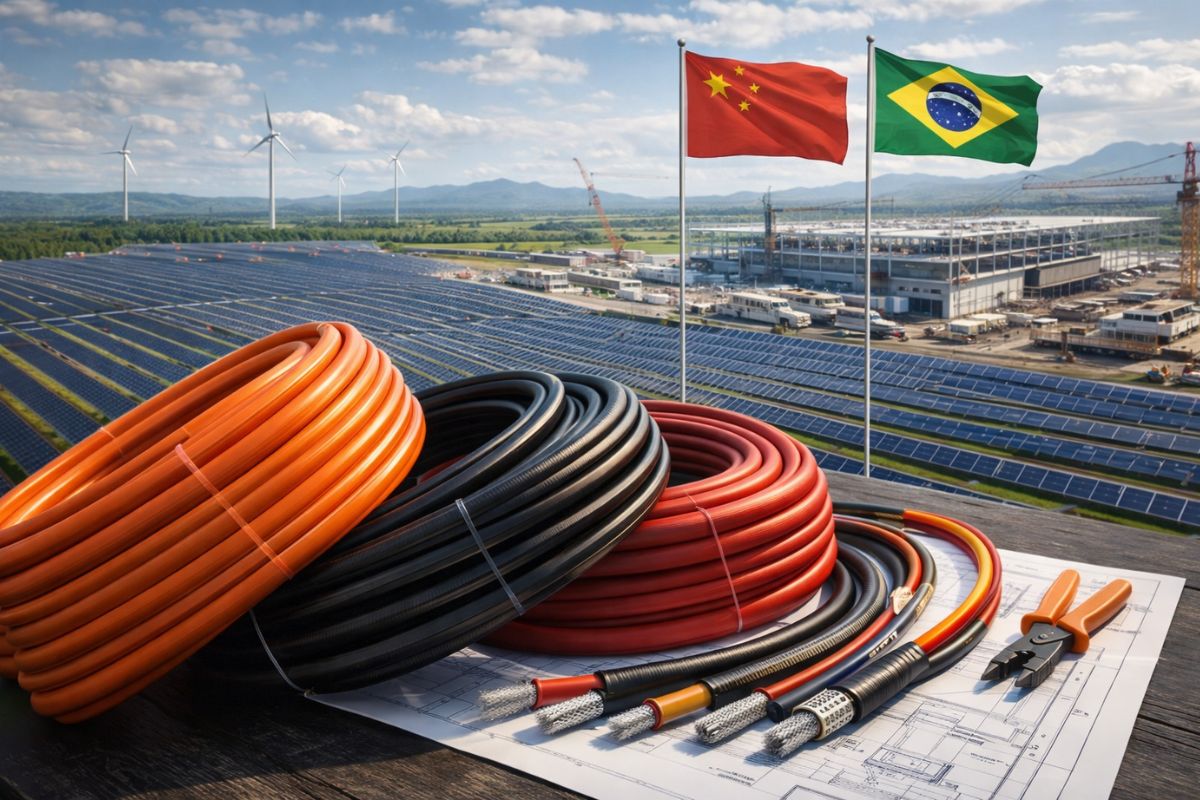
Chinese giant worth nearly R$ 4 billion that manufactures cables for electric cars, solar energy, and robotics wants to open a factory in SC.
-
Many employers do not know, but the law guarantees domestic workers a 25% increase in salary during trips, 50% for overtime, 20% for night shifts, and 17 additional benefits that can lead to labor lawsuits if not paid.

What Changed in the MEI and Why the Topic Returned to the Center of Debate
The MEI was created in 2008 to formalize informal workers. Since then, it has attracted nearly 17 million Brazilians, mainly due to its simplicity and low monthly cost.
However, throughout 2025, fiscal adjustments and discussions about revenue limits reignited the debate. Many began to question whether the model still makes sense.
In this context, the fear of losing advantages or paying more taxes grew. Still, the MEI continues to offer the lowest tax burden among business regimes.
Moreover, the process of opening remains free. The entrepreneur does not need an accountant, digital certificate, or high initial capital.
For this reason, the MEI remains an entry point for those wishing to undertake with safety and predictability.
Practical Comparison Between MEI, Freelancer, and Microenterprise
When analyzing real numbers, the difference becomes evident. A MEI that earns up to R$ 6,750 per month pays around R$ 80.90 in taxes through the DAS.
On the other hand, a microenterprise in the Simples Nacional, with the same revenue, easily exceeds R$ 870 monthly. This amount includes taxes, accounting, and INSS.
Meanwhile, freelancers also need to collect income tax and social security contributions. Even with the new exemption threshold expected for 2026, the cost remains high.
Consequently, working as a freelancer can cost almost the same as maintaining a microenterprise. Still, many continue in this model due to lack of knowledge.
For this reason, the MEI generates an annual savings of nearly R$ 9,500. This amount can be reinvested in the business, accelerating growth.
Advantages of MEI in 2026 and Cautions That Cannot Be Ignored
Besides tax savings, the MEI offers important operational benefits. It is possible to issue invoices, open a PJ account, and hire an employee.
At the same time, the monthly DAS payment guarantees access to INSS benefits, such as sick pay, maternity salary, and retirement.
However, there are clear rules. The MEI cannot have partners, branches, or participation in another company. It must also respect the annual revenue limit.
Meanwhile, the MEI truck driver follows its own rules, with a higher ceiling. This exception expands opportunities for those working in road transportation.
Finally, despite recent changes, the MEI remains the simplest and cheapest option for those starting. Information and planning remain decisive.
With the current rules, would you choose the MEI to start a business in 2026 or would you seek another path?










-

-

2 pessoas reagiram a isso.