





 Portuguese
  English
  Spanish
  3 min of reading


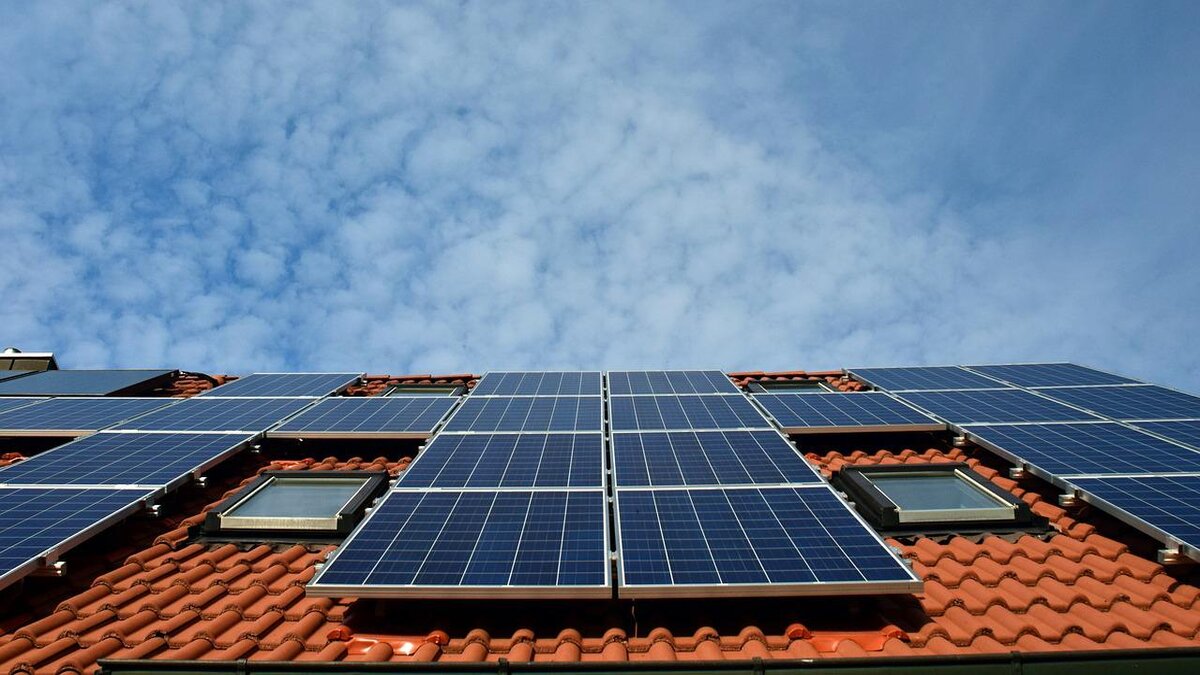
The Creation Of The New Legal Framework For The Own Solar Energy Generation Is Driving The Search For Photovoltaic Panels And Absolar Highlighted That The Solar Energy Production In Homes Should Double By The End Of 2022.
For this Thursday, (07/28), Absolar (Brazilian Association of Photovoltaic Solar Energy) has projections that indicate strong growth in the production of solar energy in homes during the year 2022, reaching nearly 25 average gigawatts (GW), double the current amount. These numbers will be driven mainly by tax benefits for those who start their own production by early 2023, with a significant increase in demand for photovoltaic panels.
Purchase Of Photovoltaic Panels And The Growth Of The Solar Energy Sector Will Have Significant Increase In 2022, Reports Absolar
The current Brazilian scenario in the solar energy production sector is becoming increasingly heated, mainly due to factors such as the rise in fuel prices and the search for self-generated energy. Thus, Absolar points to a strong increase in demand for photovoltaic panels and the installation of new solar energy systems in homes throughout the country.
The association also expects that the installed capacity in Brazil will double by the end of 2022, reaching 25 (GW) of production, a volume that represents almost two Itaipu plants, the largest in the country, with 14 gigawatts (GW) of capacity.
-
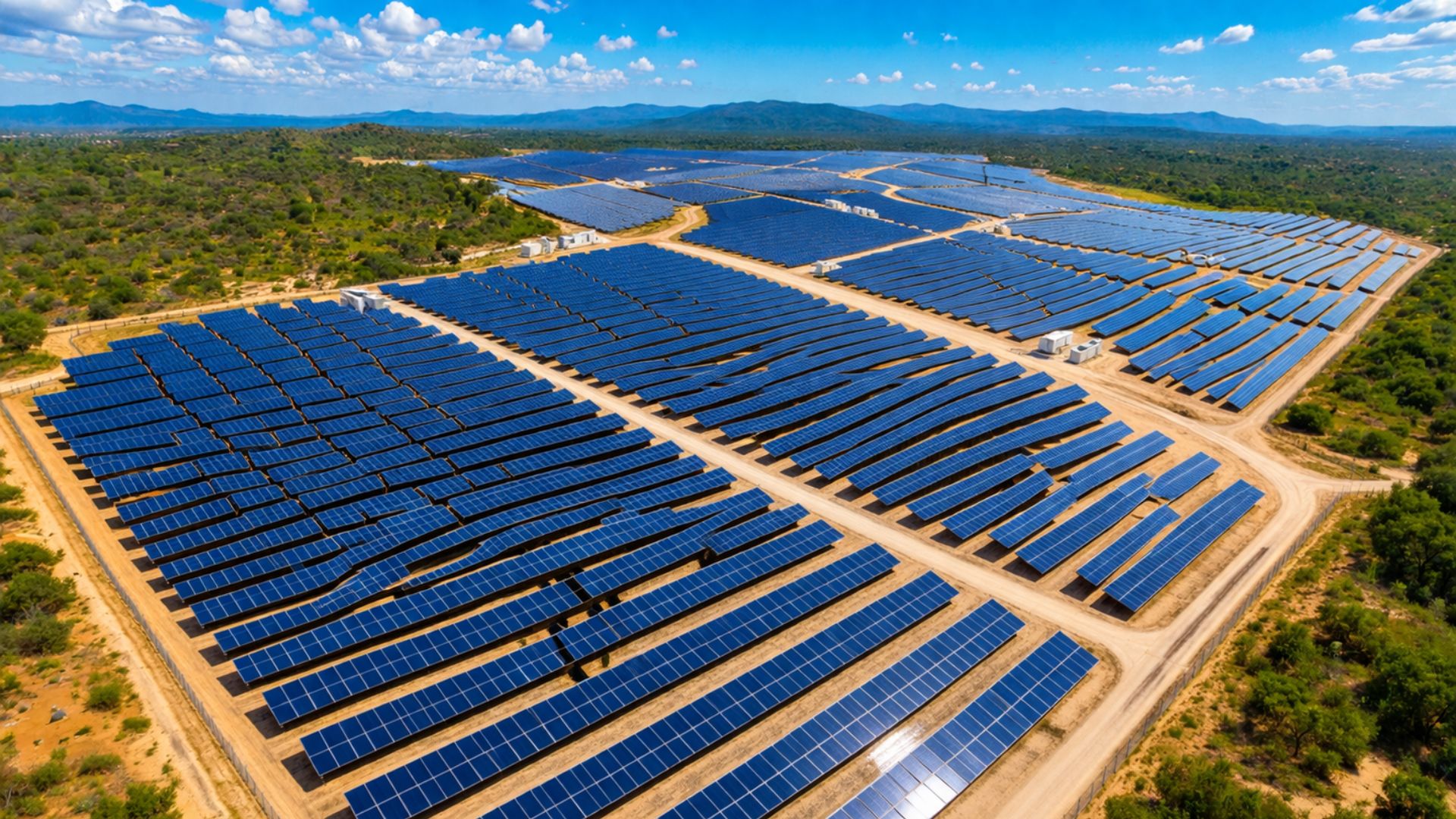
The Sol do Agreste Photovoltaic Complex begins operations in Pernambuco and accelerates the expansion of solar energy in Brazil, directly impacting the reduction of emissions and strengthening the sustainable energy matrix.
-
Renewable energy advances over protected areas in Brazil, and a survey by the Energy Transition Observatory reveals silent impacts that challenge environmental conservation and pressure sensitive traditional territories.

-
Rio Grande do Sul accelerates energy transition: State invests in renewable technologies and consolidates decarbonization strategies and pathways to attract billions in new industrial investments.

-
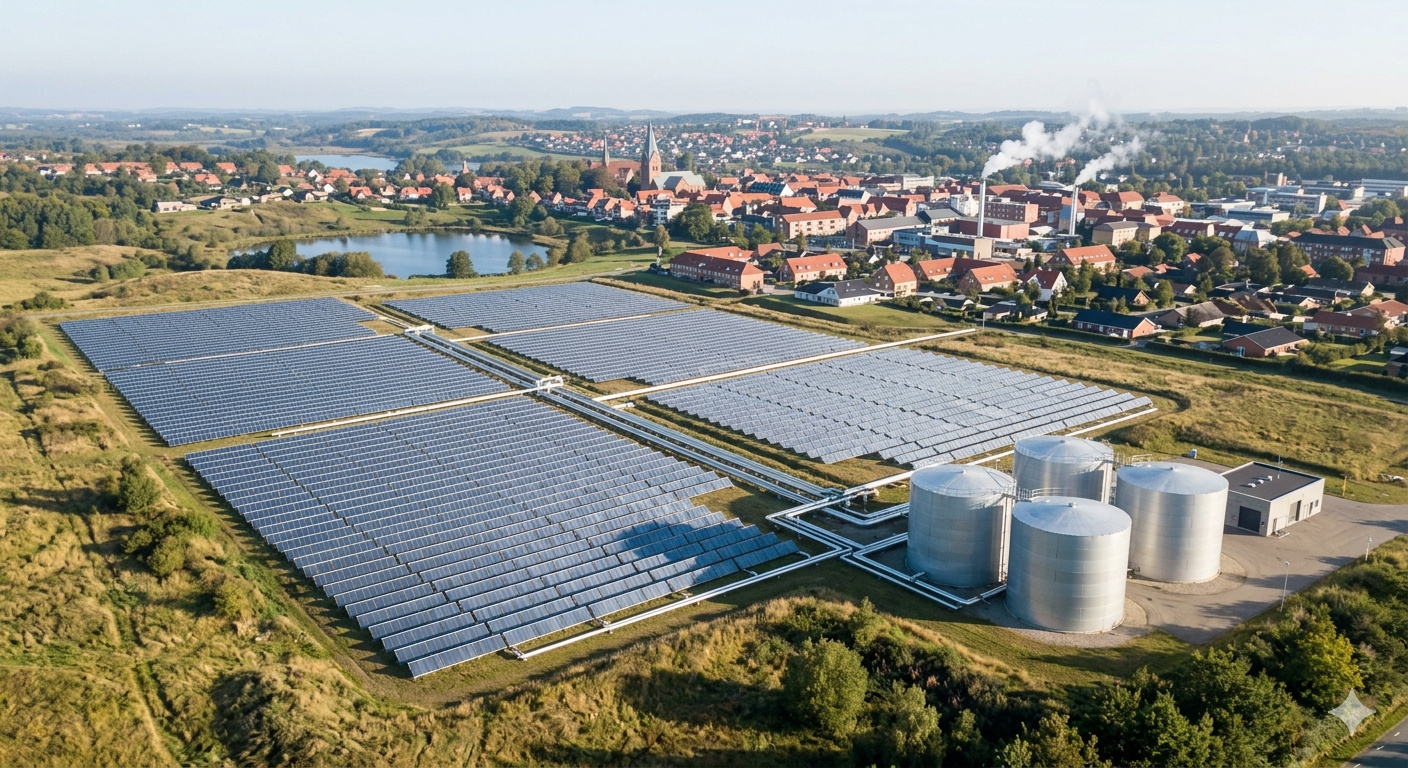
With 160,000 m² of collectors, an area larger than 20 football fields, Silkeborg, in Denmark, hosts a solar thermal plant that heats 19,500 homes and could become the largest solar heating plant in the world.

Furthermore, the relevance of the sector in the national scenario continues to grow, and Absolar announced last week that solar energy has become the third largest source in the national energy matrix, with 8.1%, surpassing natural gas, and behind hydropower — the main source, with 53.9% — and wind power (10.8%).
Moreover, according to projections from Win, a distributor of solar equipment, the expectation is to register a growth of 300% this year, the same level recorded in 2021. The end of 2022 will be essential for the increase in the purchase of photovoltaic panels, due to the tax benefits of the new regulatory framework, which gives a larger discount on the electricity bill to consumers who install systems by January 2023. Therefore, companies are beginning to move to prepare for an increase in the demand for products.
Tax Benefits Of The New Legal Framework For The Own Solar Energy Generation Will Strongly Boost The Installation Of New Systems In 2022
The new regulatory framework for the own solar energy generation in Brazil, approved in January of this year, will be essential for this growth in the search for photovoltaic panels and energy generation.
This is because there will be an exemption from sector charges until the end of 2045 for those who install a solar self-generation system by January 7, 2023. Therefore, consumers who produce more than they use will be able to feed the excess energy into the grid and receive the remainder in credits.
Rodrigo Sauaia, president of Absolar, commented on the future of the solar energy sector in the country and stated that high electricity costs and international conflicts will drive an increase in the installation of new systems in the national territory, as a way to reduce expenses with the resource.
Thus, he stated that “In addition to the scenario of rising energy prices, the law was an important milestone after two years of discussions and brings stability for investors and for the consumer, who is taking the opportunity to organize. Today, two-thirds of the total installed capacity is made up of small solar panels. Taking advantage of this rule until 2045 is an opportunity.”









Seja o primeiro a reagir!