





 Português
  Inglês
  Espanhol
  3 min de leitura
  7 comentários


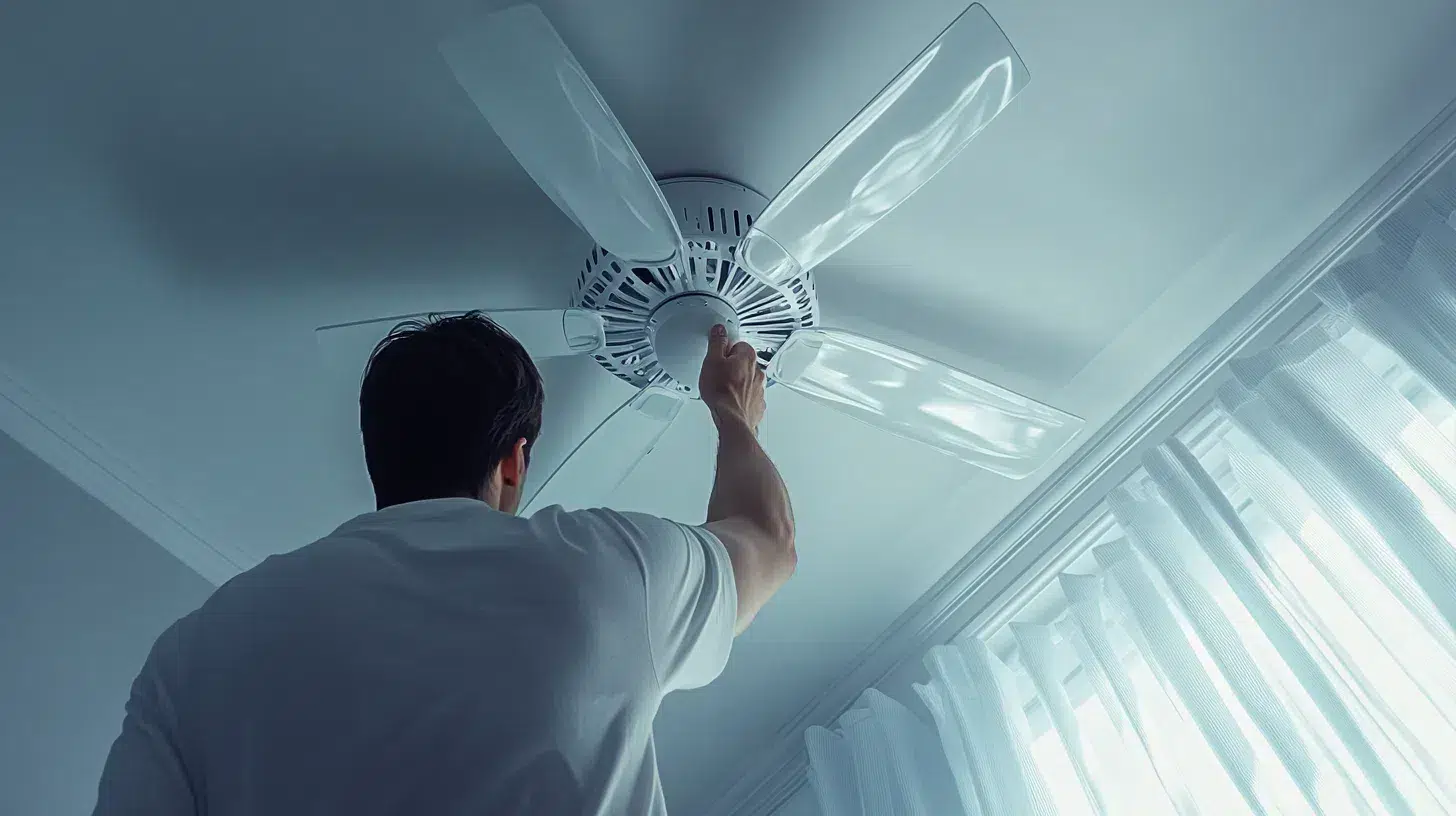


Radiant Ceiling Technology Revolutionizes, Offering Energy Efficiency and Silent Comfort, Ideal for Modern and Sustainable Buildings
Sustainable innovation promises to replace traditional fans and the famous air conditioning, offering superior thermal comfort and energy efficiency in modern and elegant constructions.
The radiant ceiling system emerges as a promising innovation, providing a more efficient and sustainable alternative to traditional ceiling fans.
This cooling technology stands out for its ability to cool environments uniformly and silently, without relying on air currents or moving components.
-
A bright yellow mushroom imported from Asia escaped from a cultivation farm in the United States in 2010 and is now aggressively spreading across 25 states, destroying entire communities of native fungi in American forests.

-
Buried under China, a colossal machine weighing 20,000 tons began operating as the largest neutrino detector on the planet and, in just 59 days, surpassed results that science took half a century to achieve.

-
Iran enters the center of a climate alert after the war emitted 5.6 million tons of CO2 in two weeks, surpassing the annual pollution of entire countries.

-
Lunar exploration may change after a Chinese probe finds a “cavity” of radiation that reduces the impact on astronauts by up to 20% at certain times on the Moon.
How Does Radiant Ceiling Work?
The radiant ceiling operates through the installation of radiant panels on the ceiling, which contain tubes through which low-temperature water circulates.
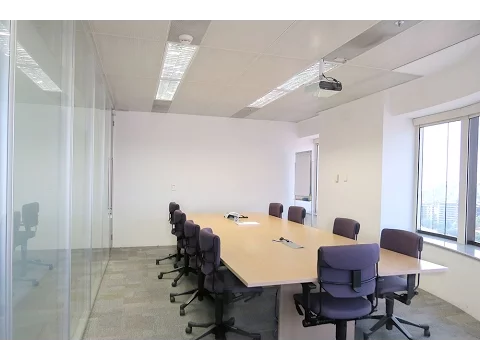

This system utilizes the physics of thermal radiation to distribute cold or heat uniformly, ensuring superior thermal comfort.
The circulating water, which is cooled or heated as needed, allows the system to be used in both warm and cold climates, making it versatile for different environments and seasons.
Advantages of the Radiant Ceiling System
One of the main advantages of the radiant ceiling is its energy efficiency, as the system does not move air, thus reducing energy consumption and providing significant savings on electricity bills.
Studies indicate that energy efficiency can be increased by up to 30% compared to conventional air conditioning systems.
Additionally, it offers a discreet design that is aesthetically pleasing, freeing up space on the floor and walls and keeping environments visually organized.

Another important feature is the absolute silence during operation, making it ideal for places that require tranquility, such as libraries and meeting rooms.
The system also requires little maintenance, as it does not have ducts or moving components, such as fans or coils, that need regular cleaning.
This low maintenance requirement can also result in lower operating costs over time.
Integration and Sustainability
The radiant ceiling can be integrated with other climate control systems, such as radiant floors and conventional heaters, as well as alternative energy sources, such as solar panels and geothermal systems.
This flexibility not only increases energy efficiency but also reduces the environmental impact of air conditioning.

The use of renewable energy, in particular, can significantly reduce a building’s carbon footprint, aligning with global goals for emission reduction.
Application in Buildings
The installation of the radiant ceiling is viable in both new constructions and renovations of existing buildings.
It is essential that qualified professionals are hired to ensure that the system is correctly implemented and integrated into the architectural design, optimizing its performance and contributing to an aesthetically pleasing finish.
The technology can be adapted to work in different types of construction, from residential to commercial and industrial buildings, offering customized solutions for every need.
The Future of Residential Air Conditioning
With increasing concerns about energy efficiency and thermal comfort, radiant ceilings present themselves as a viable and desirable alternative for residential air conditioning.
While traditional ceiling fans and air conditioning systems have their limitations, radiant ceilings promise to revolutionize the market, offering a more advanced and sustainable solution.
The installation cost can vary significantly, depending on factors such as area, material used, and location, with average prices between R$ 200 and R$ 500 per square meter.

However, the initial investment can be offset by energy savings and the durability of the system when compared to air conditioning.
As more people become aware of the advantages of this technology, radiant ceilings could become the new standard for the air conditioning of homes and commercial buildings.
Additionally, with technological advancements, it is expected that implementation costs will decrease over time, making this solution even more accessible to a broader audience.
The potential for customization and integration with other technological innovations makes radiant ceilings a smart choice for those looking to align comfort, savings, and environmental responsibility in their home or workspace.
SOURCE: BRASILPERFIL






Matéria de IA.
Fiquei interessado, mas o texto é superficial.
Como a água é resfriada e bombeada?
Naturalmente será necessário refrigeradores / aquecedores para o líquido refrigerante além de uma bomba para circular esse líquido.
E o custo disso?
Escreveu muito e não disse nada. Isso é papo de vendedor forasteiro.