





 Portuguese
  English
  Spanish
  2 min of reading
  7 comments


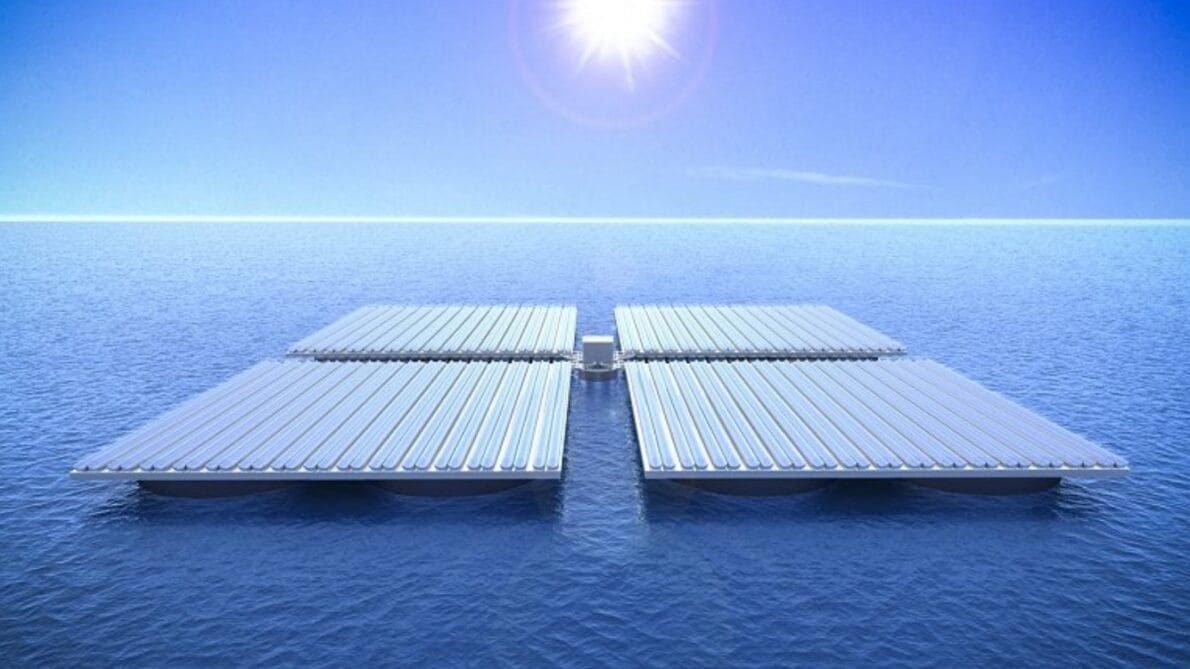

Innovation Discovered by Scientists May Finally End World Thirst with the Use of Solar Energy. Find Out How It Works!
An innovation promises to change the reality of millions of people worldwide: a solar-powered desalination system capable of transforming saltwater into potable water. Developed by scientists from King’s College London in collaboration with MIT and the Helmholtz Institute, this technology has incredible potential to revolutionize access to clean water, especially in developing countries, according to Olhar Digital.
The system uses specialized membranes to separate salt ions from water, adjusting the voltage and water flow based on solar light availability. In tests conducted in India and the USA, the solar energy system has shown it can produce a significant amount of freshwater daily, offering an economical and sustainable solution for communities affected by water scarcity.
Applications Beyond Desalination
In addition to converting saltwater into potable water using solar energy, this technology has the potential to:
-
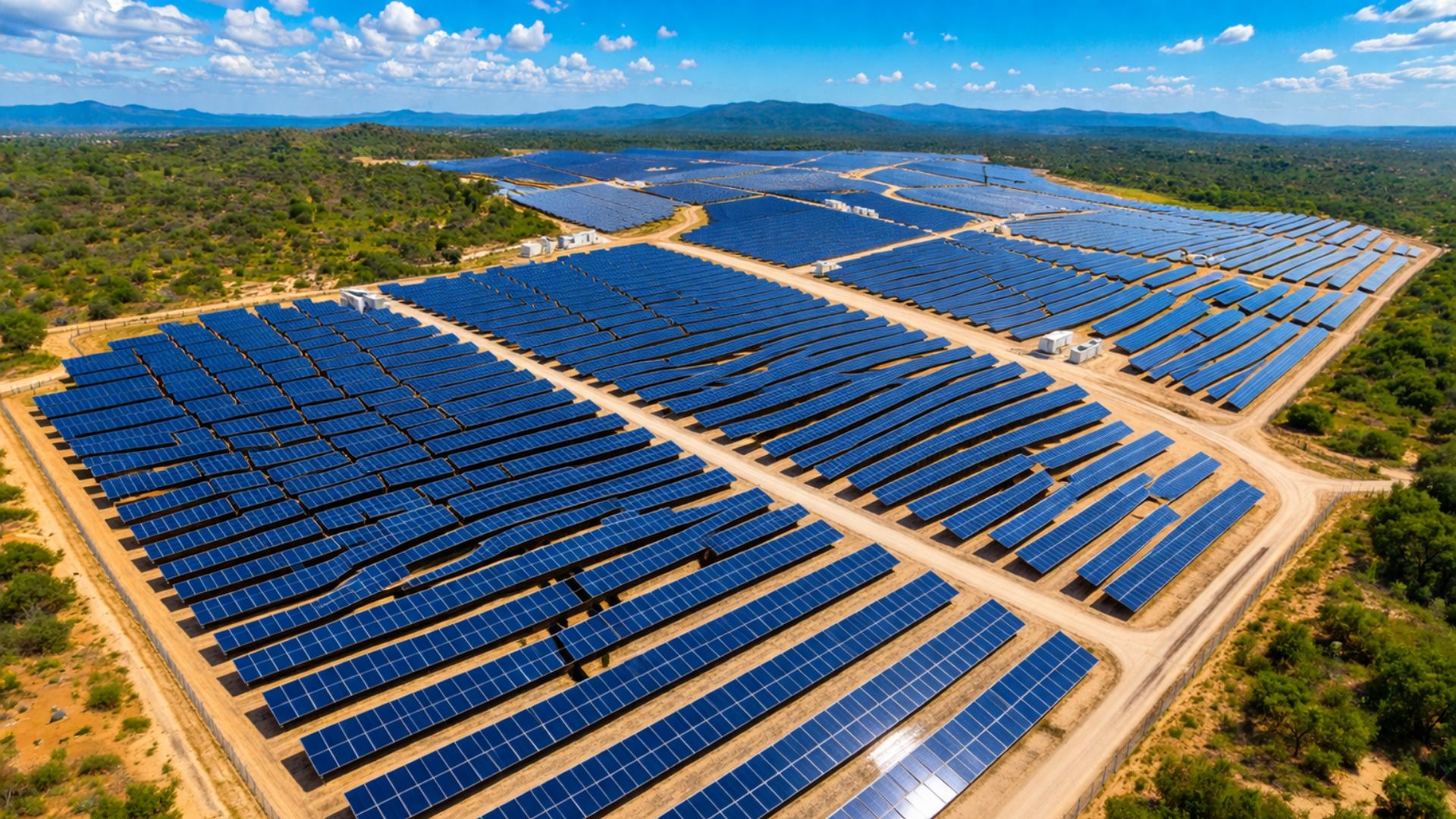
The Sol do Agreste Photovoltaic Complex begins operations in Pernambuco and accelerates the expansion of solar energy in Brazil, directly impacting the reduction of emissions and strengthening the sustainable energy matrix.
-
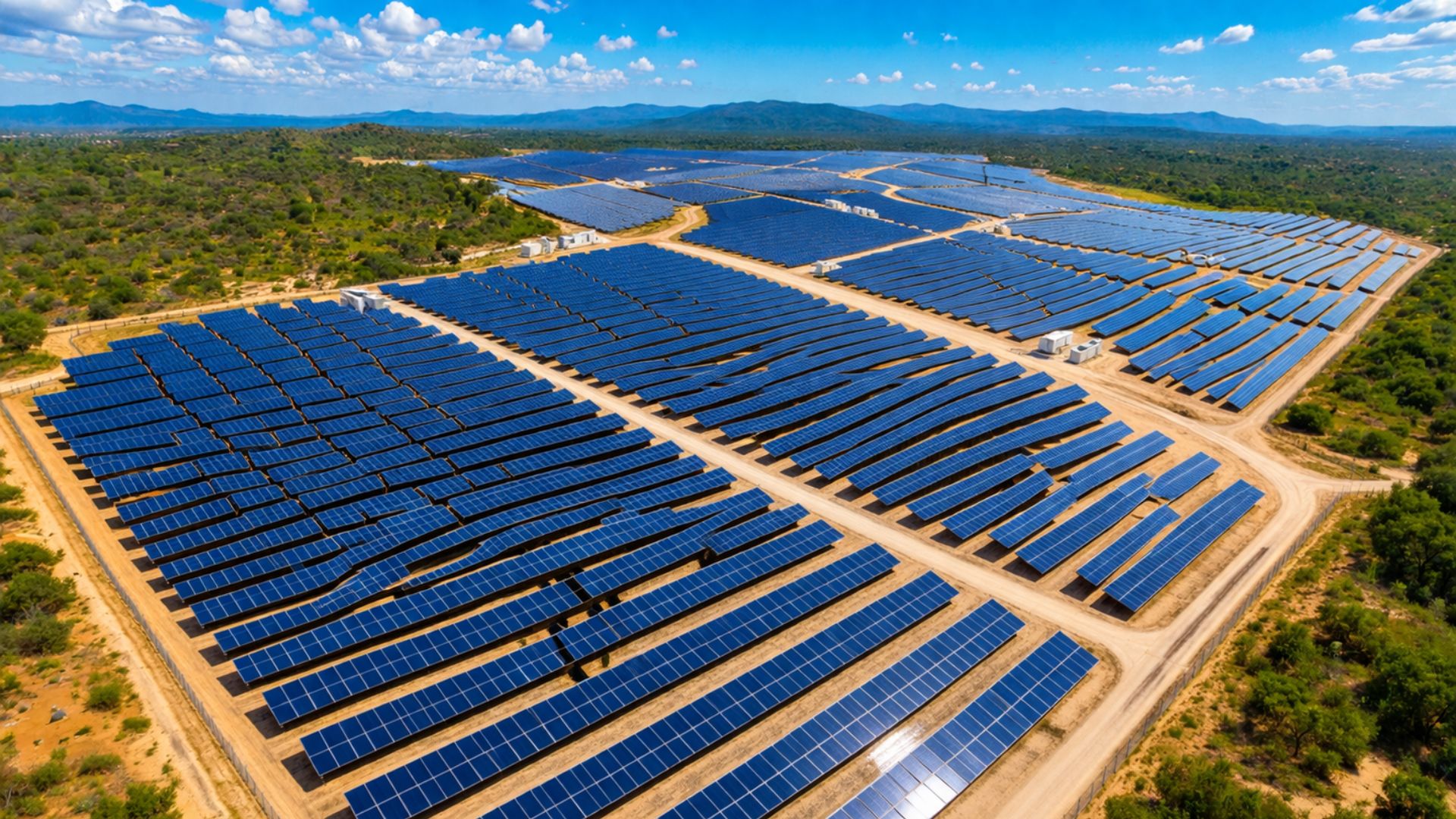
The Sol do Agreste Photovoltaic Complex begins operations in Pernambuco and accelerates the expansion of solar energy in Brazil, directly impacting the reduction of emissions and strengthening the sustainable energy matrix.
-
Renewable energy advances over protected areas in Brazil, and a survey by the Energy Transition Observatory reveals silent impacts that challenge environmental conservation and pressure sensitive traditional territories.

-
Rio Grande do Sul accelerates energy transition: State invests in renewable technologies and consolidates decarbonization strategies and pathways to attract billions in new industrial investments.

- Be used in irrigation and wastewater treatment;
- Reduce costs and carbon emissions in the agricultural sector;
- Provide a sustainable solution to global water and climate issues;
- Mitigate the effects of climate change, especially in agriculture;
Furthermore, by providing freshwater for irrigation at a reduced price, without compromising volume, it can help farmers face challenges such as drought and high water costs.
How Does the Solar Energy Desalination Process Work?

Photo: Image Credit King’s College London
Next Steps and Future Impact
The researchers are planning to apply this solar energy technology to other sectors, such as wastewater treatment and the production of alkaline to help the ocean absorb more CO2 from the atmosphere. This would not only decarbonize agriculture but also bring broader environmental and climate benefits.
In a world where about 40% of the population faces water scarcity, this innovation promises to be a game-changer, providing reliable access to safe drinking water, emission-free onsite, and with a discount of approximately 22% compared to traditional methods.









Novo sistema que transforma água salgada em potável:
Com relação à este sistema, que considero impactante pelos benefícios que poderá produzir, principalmente, em regiões tão carentes com relação a água potável. Não obstante, a minha indagação como leigo no assunto que não quer calar é a seguinte: É certo que em todo processo envolvendo mudança com relação ao meio ambiente geram externalidades positivas e negativas. Com relação as negativas, que eu acho ser uma, gostaria de saber qual o destino da quantidade de sal que é separada da água salgada.
Que maravilhosa descoberta. Isso é um bem pra humanidade. Se os governantes não extorquir esse bem, será uma alegria para a humanidade.👏👏👏👏👏👏
Entendo que, no processo, ocorre a extração do sal, que precisará ter alguma destinação, de modo a não promover o desequilíbrio na salinizascao da água do mar; que poderá ter efeitos devastadores no bioma marinho. Estou correto?
Era isso que estava pensando. O que vão fazer com os rejeitos do sal? Será que nossos oceanos vão virar um mar Morto? Como vai ser o mar Vermelho e o golgo Pérsico?
O oceano Pacífico vai se tornar revoltoso?
O oceano Atlântico já foi conhecido como Tenebroso! E o aquecimento das águas dos oceanos, como o do Pacífico, que já causa o El Niño? Comi fica a situação?
Como o processo é feito sobre o mar,e menos complicado