





 Portuguese
  English
  Spanish
 5 min of reading
  0 comments


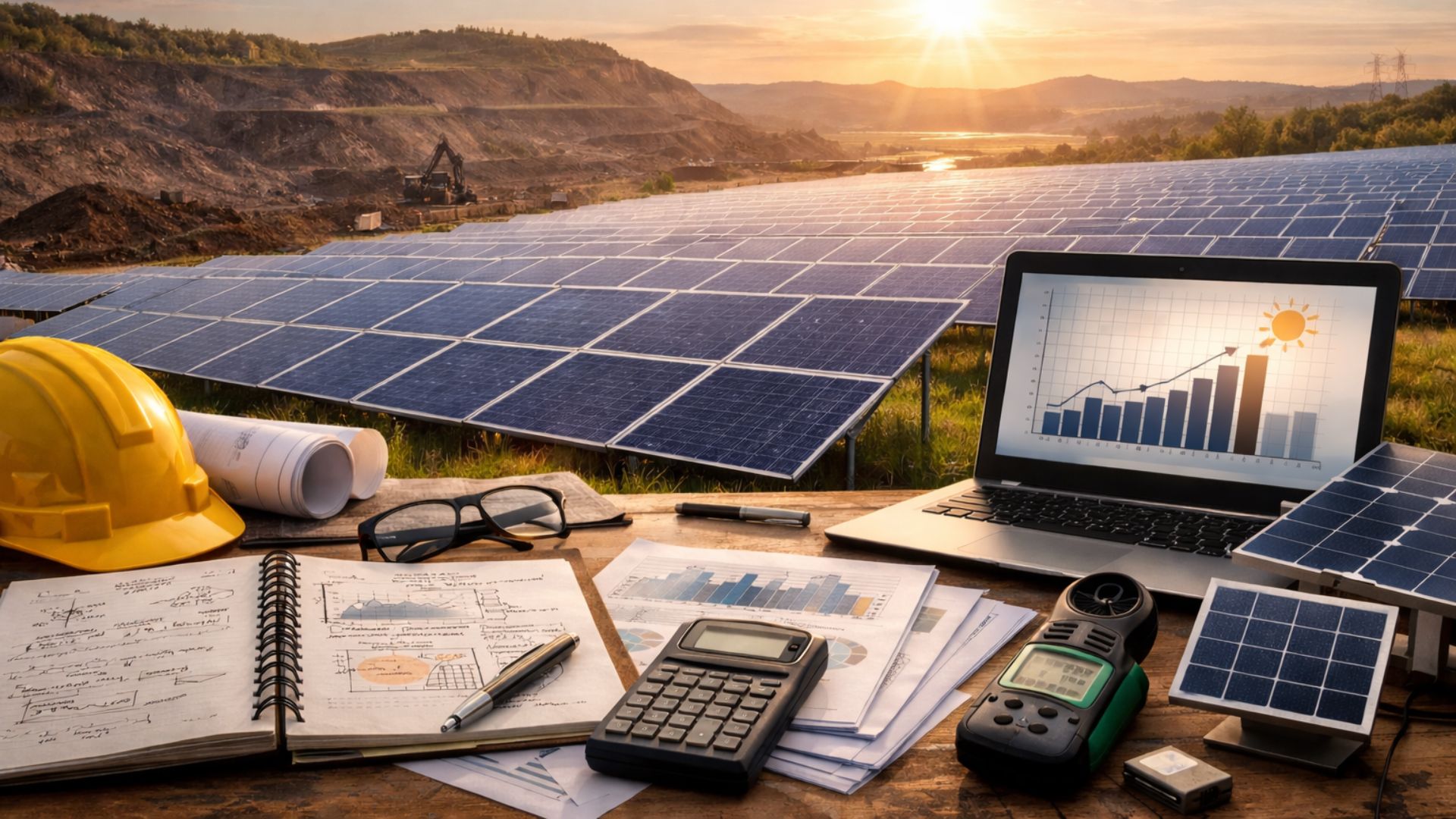
Research Developed by UniSatc Academic Gains Visibility Abroad by Presenting Applied Studies on Solar Energy in Areas Impacted by Mining, Reinforcing the Role of Scientific Innovation in International Congresses.
The UniSatc University Center concludes the year with highlight in the scientific scene by having UniSatc academic with solar energy research published in international congresses, highlighting studies focused on the reuse of areas degraded by coal mining and the generation of renewable energy. According to an article published by the Engeplus website this Sunday (28) and previously on the UniSatc’s own website, the initiative reinforces the institution’s role in the production of applied knowledge and its contribution to global debates on sustainability and energy transition.
UniSatc Academic and Publication in International Congresses
A UniSatc academic from the Electrical Engineering program had two scientific articles accepted at international congresses, addressing the potential of solar energy in regions impacted by mining activities in Southern Santa Catarina. The research demonstrates how environmentally degraded spaces can be transformed into sources of clean energy, generating environmental, social, and economic benefits.
The international publication reinforces UniSatc’s role as a reference in applied research, while projecting local academic work beyond national borders. The international recognition of scientific research is one of the main indicators of academic quality.
-
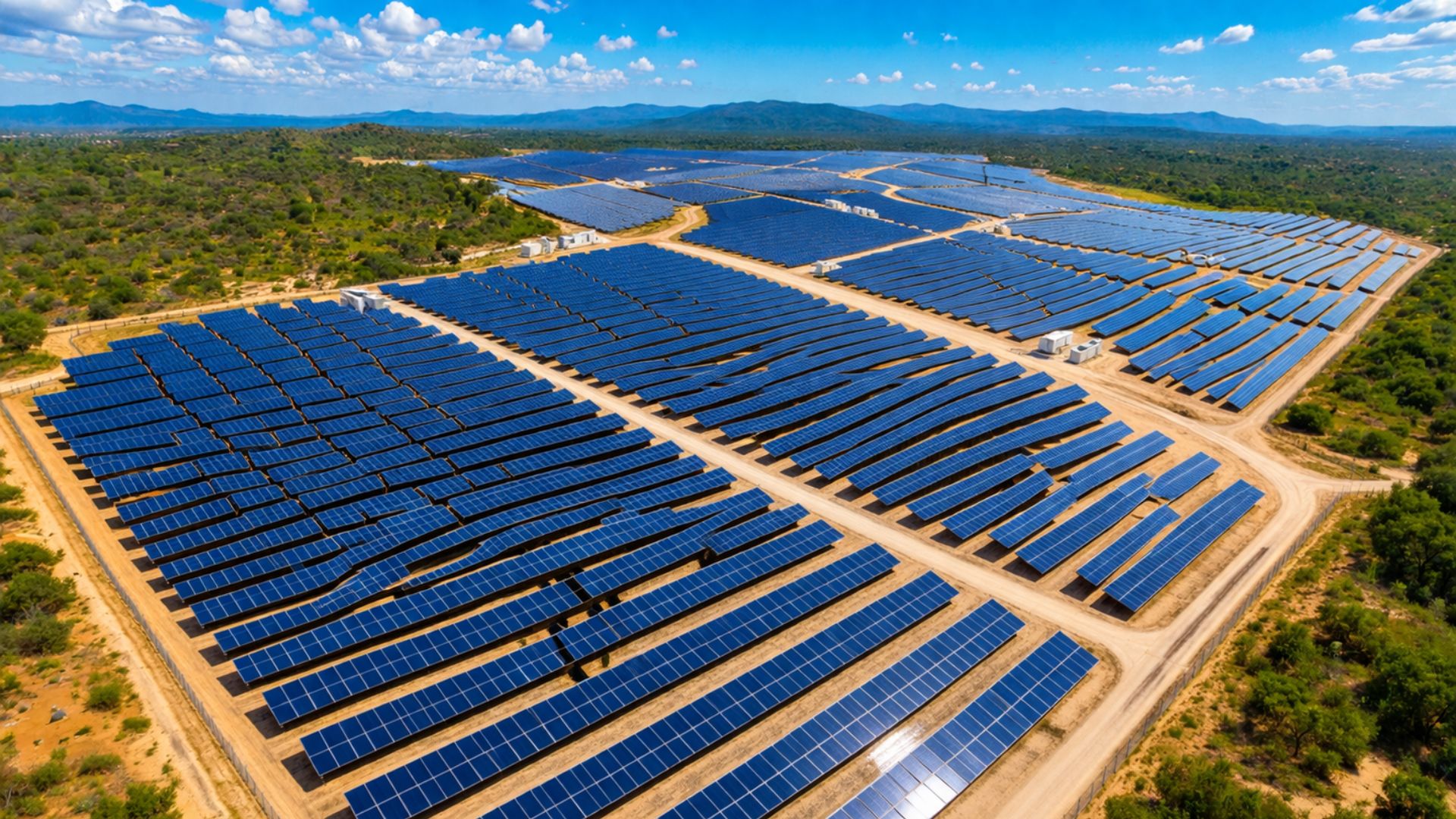
The Sol do Agreste Photovoltaic Complex begins operations in Pernambuco and accelerates the expansion of solar energy in Brazil, directly impacting the reduction of emissions and strengthening the sustainable energy matrix.
-
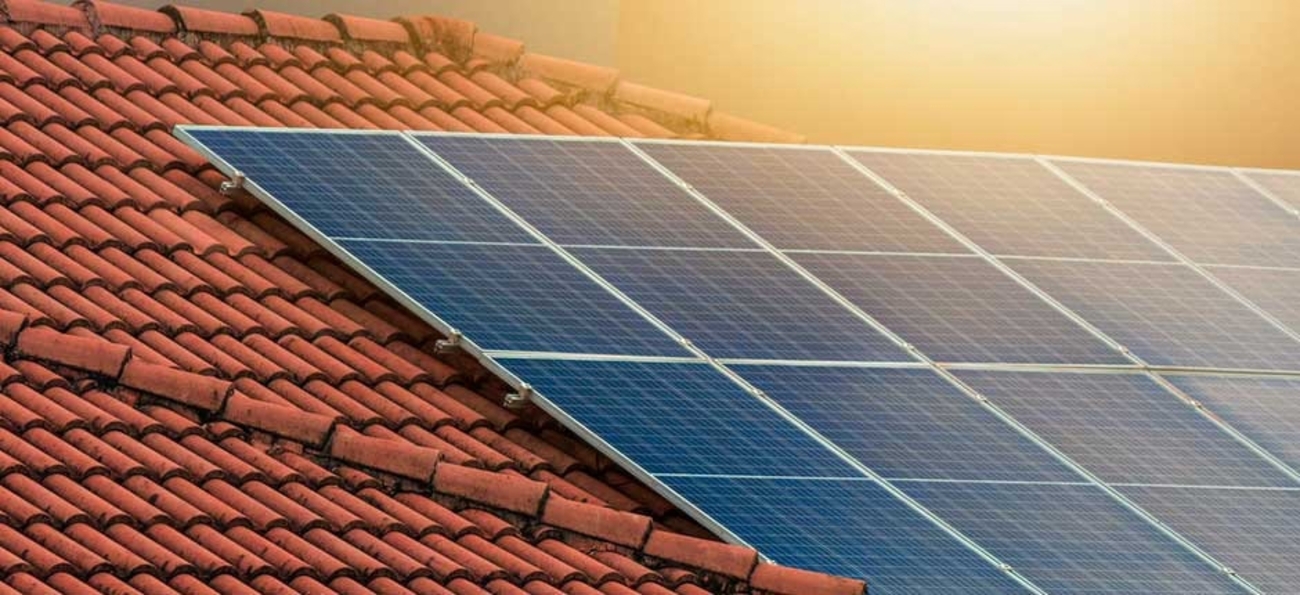
Roraima bets on the sun to escape high tariffs: Amid the energy crisis and price hikes, solar energy is growing in Roraima and transforming consumption in the North region.
-
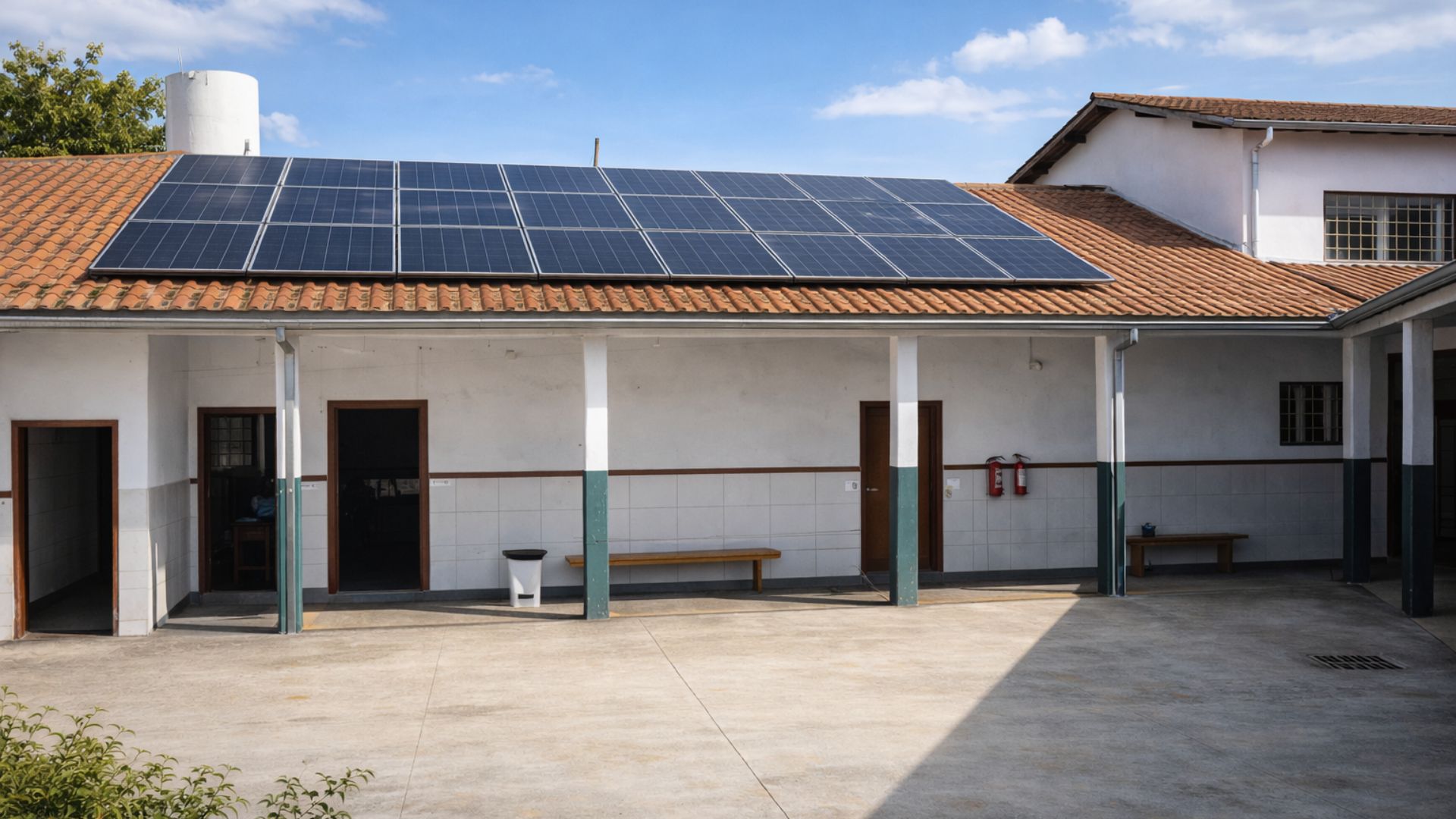
Copel boosts solar energy in Paraná and brings innovation to public schools, promoting savings on electricity bills, energy efficiency, and a direct impact on the quality of education.
-
Brazil reaches historic milestone in solar energy: Sector surpasses 2 million accumulated green jobs and generates billions in the national economy even under market pressure.
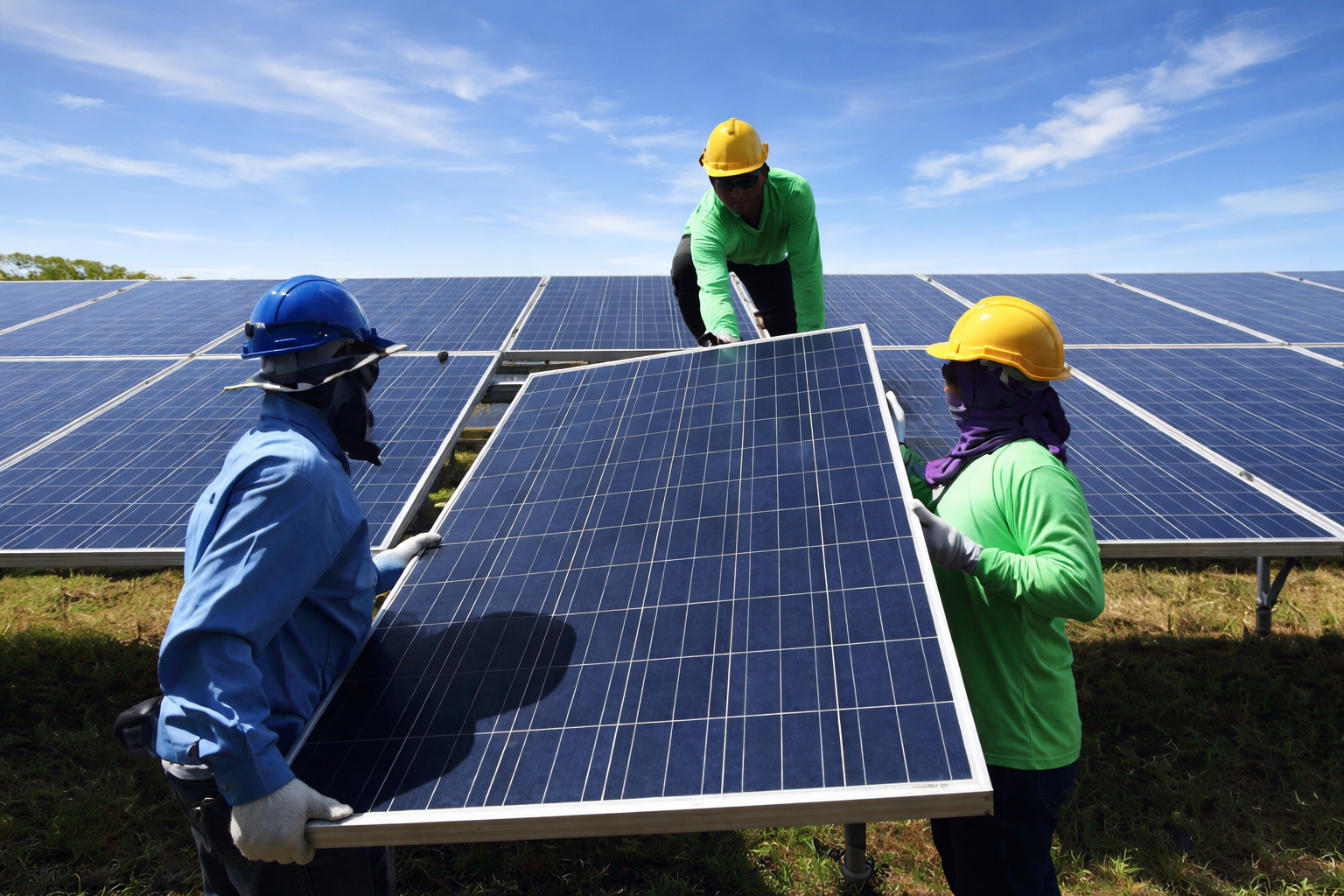

In this context, academic Leonardo Kunen from UniSatc had his studies selected for presentation at international congresses, a process that requires methodological rigor, thematic relevance, and effective contribution to the advancement of knowledge.
Participation in these events allows the scientific production developed at UniSatc to be evaluated by researchers from different countries. Furthermore, it strengthens the exchange of experiences and amplifies the impact of solar energy research, a topic increasingly strategic in the global scenario.
UniSatc as a Hub for Applied Solar Energy Studies
UniSatc has consistently invested in training professionals capable of developing studies aligned with contemporary demands. The area of solar energy is one of the priorities, especially due to its growth potential and environmental relevance.
By encouraging academics to develop research focused on regional issues, UniSatc promotes a critical and practical education. This teaching model integrates theory, technical application, and socio-environmental responsibility, preparing students to operate in an increasingly sustainability-oriented market.
Studies on Degraded Areas and Solar Energy in Treviso
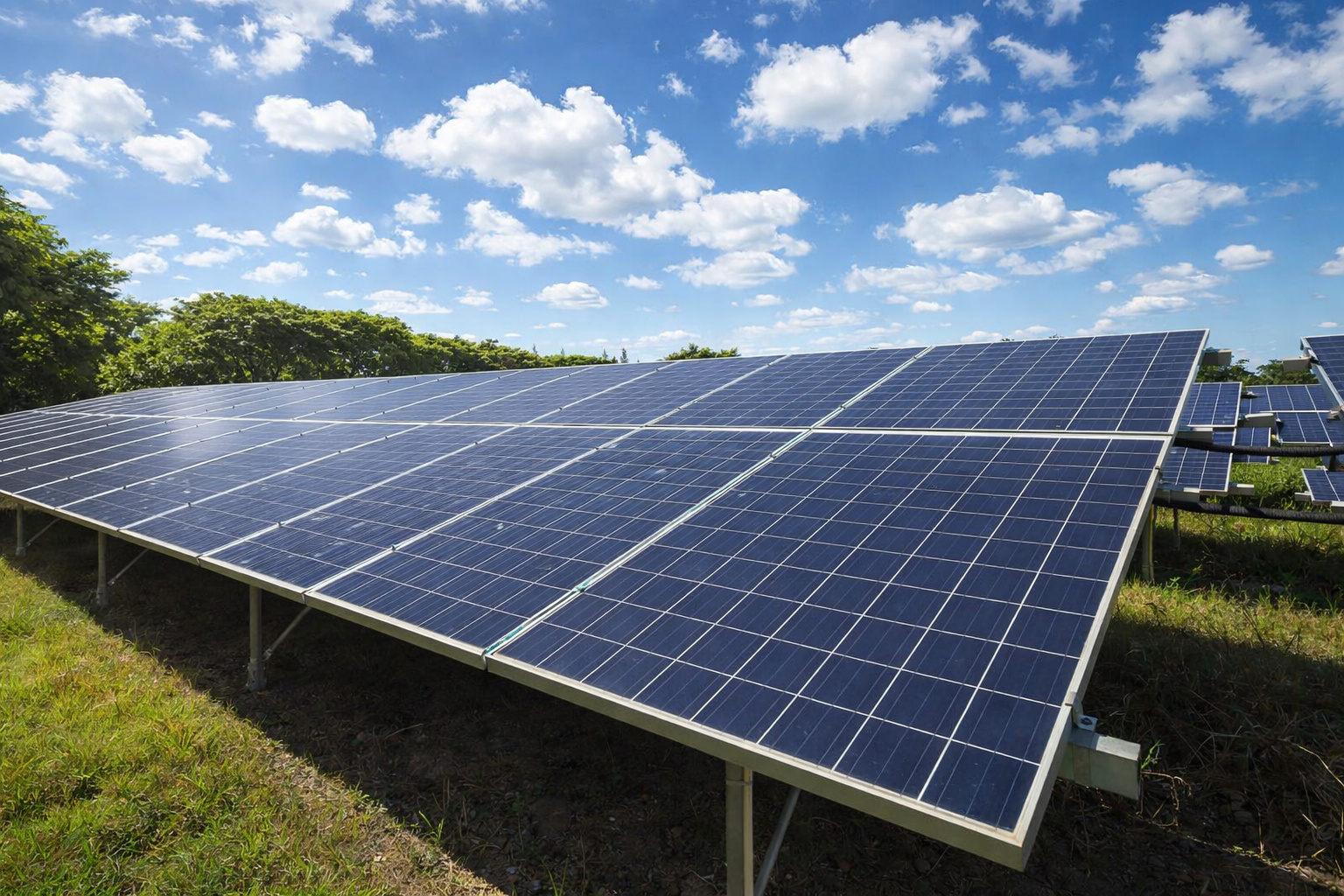
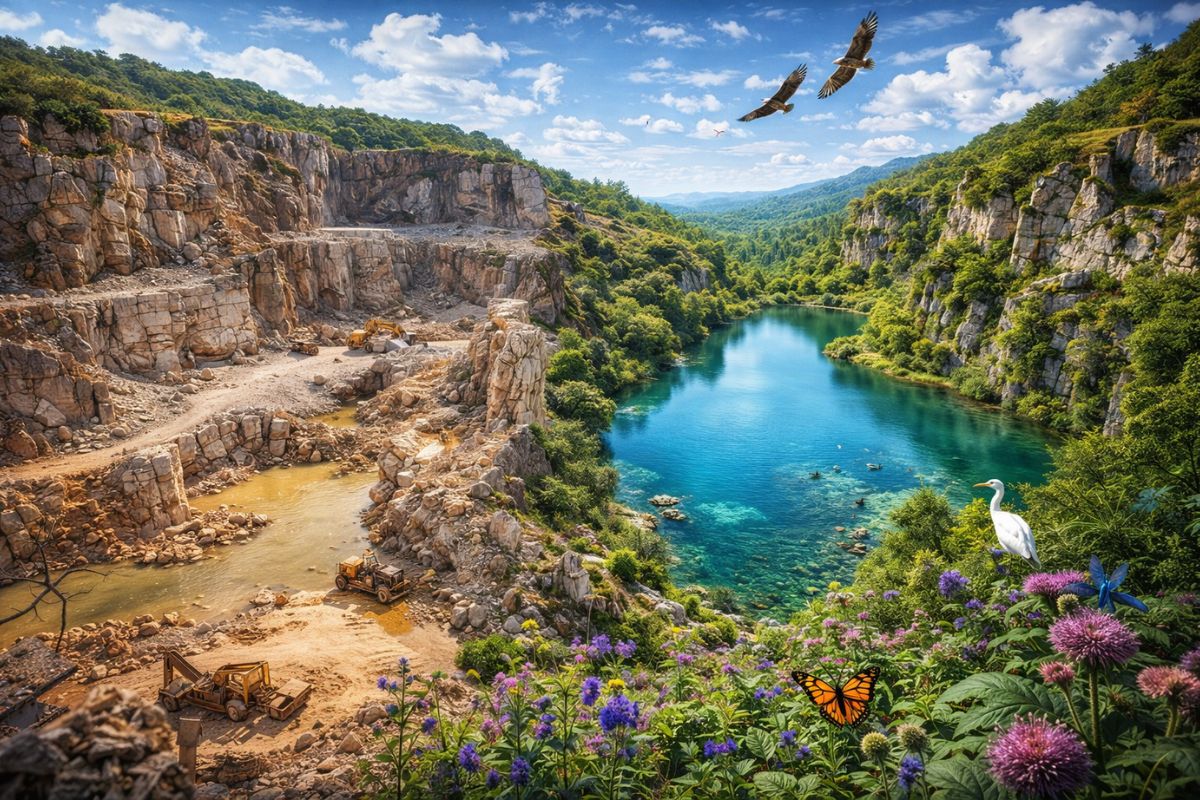
One of the studies presented at international congresses analyzed areas degraded by coal mining in the municipality of Treviso. The work evaluated the technical feasibility of installing solar energy plants on these lands, considering factors such as solar incidence, topography, and environmental impact.
The results indicate that previously unusable areas can be repurposed for clean energy generation. This approach directly contributes to environmental recovery, in addition to reducing pressure on preserved and productive areas.
Another relevant aspect of the study is the potential for generating direct and indirect jobs. The implementation of solar energy projects in degraded areas can boost the local economy, creating opportunities in regions historically marked by environmental liabilities.
Solar Energy and Regional Sustainable Development
Solar energy plays a central role in Brazil’s energy transition. The country presents favorable climatic conditions and has advanced in diversifying its energy matrix. In Southern Santa Catarina, the studies developed by UniSatc academics demonstrate that this renewable source can be integrated into regional sustainable development strategies.
Thus, solar energy ceases to be just a technological alternative and becomes a tool for territorial requalification. This vision aligns with discussions at international congresses that advocate for energy solutions associated with environmental recovery and social inclusion.
Research in Criciúma Reinforces the Potential of Solar Energy
The second article published in international congresses focused on a degraded area located in Criciúma. In this study, the potential for generating solar energy capable of meeting significant residential consumption demands over a year was evaluated, based on widely recognized technical parameters in the scientific literature.
The research reinforces the possibility of giving a new purpose to areas impacted by mining, integrating renewable energy production and urban planning. This approach broadens the debate on the intelligent use of urban and peri-urban land, especially in municipalities facing historic environmental challenges.
Academic, UniSatc, and Education Focused on Innovation
The trajectory of academic Leonardo Kunen reflects an academic education focused on innovation and the resolution of real problems. UniSatc, by encouraging applied studies and participation in international congresses, strengthens students’ scientific autonomy and broadens their professional perspectives.
For the coordinator of the Electrical Engineering program at UniSatc, André Tavares, the publications are a direct reflection of teaching quality. According to him, these results demonstrate that academics are encouraged to develop solutions aligned with regional realities and the challenges projected for the future. He stated that international recognition reinforces the institutional commitment to academic excellence.
Importance of International Congresses for Academic Studies
The publication of articles in international congresses represents an important milestone in the education of any academic. These events serve as spaces for scientific validation, technical updating, and research network building.
In the case of UniSatc, participation in international congresses increases the institution’s visibility and strengthens its insertion in the global scientific landscape. Locally developed studies in solar energy begin to contribute to international debates, especially in countries facing similar challenges related to mining and environmental recovery.
Social and Economic Impacts of Solar Energy Studies
The studies presented by the UniSatc academic also have social and economic relevance. Solar energy projects in degraded areas can stimulate productive chains, generate jobs, and promote social inclusion in regions affected by mining.
Furthermore, the generation of clean energy contributes to reducing greenhouse gas emissions and fulfilling environmental commitments made by Brazil. Thus, academic research consolidates itself as a strategic instrument for sustainable development.
A Milestone for Academic Research and Energy Transition
The highlight of the UniSatc academic in international congresses evidences the strength of applied scientific research when combined with quality education. The studies on solar energy and the repurposing of degraded areas demonstrate that the university can act as a transformative agent of regional reality.
More than individual recognition, this achievement symbolizes a collective advancement, which strengthens UniSatc, values Brazilian science, and contributes to the construction of a more sustainable and socially responsible energy future.






Seja o primeiro a reagir!