





 English
  Francês
  Alemão
  Italiano
  Japonês
  Norueguês
  Portuguese
  Spanish
  3 min of reading
  0 comments


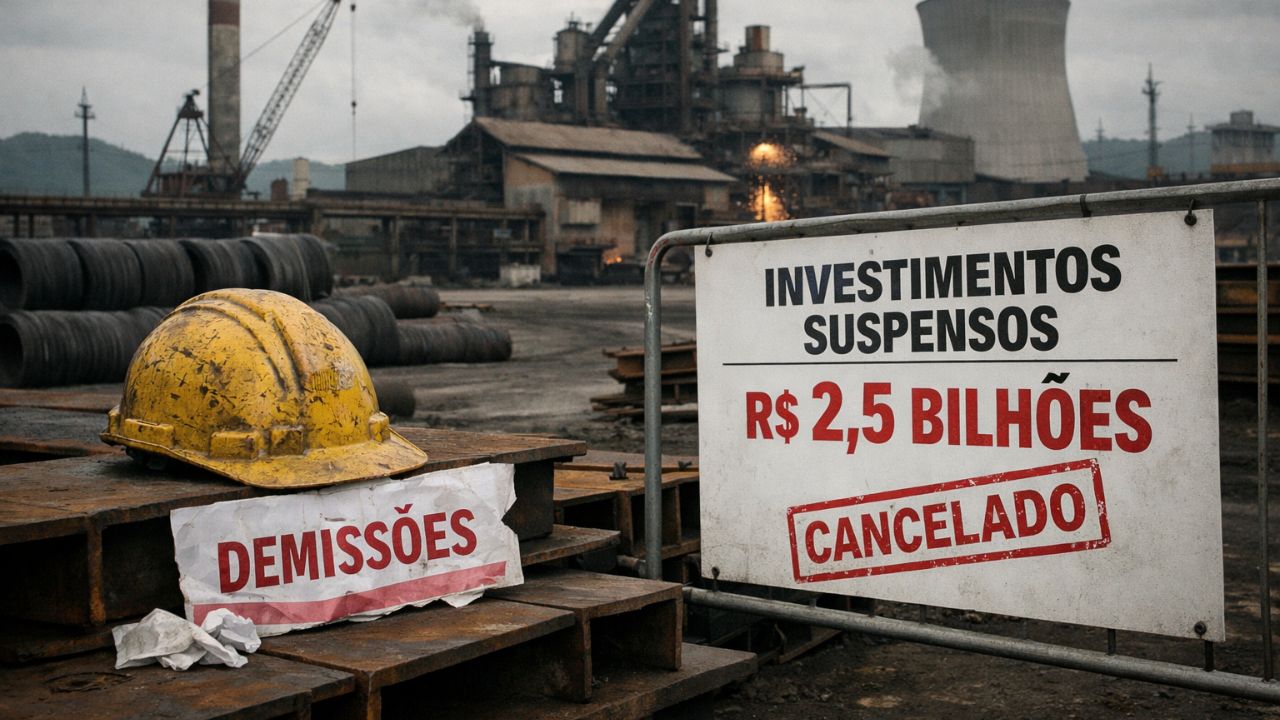
Chinese Steel Dominates Market And Pushes Brazilian Steel Industry To Decline: By November 2025, Sector Lost 5,1 Thousand Jobs And Suspended R$ 2,5 Billion In Investments.
The steel industry in Brazil faces a concerning scenario in 2025: by November, the sector cut around 5,1 thousand jobs and suspended R$ 2,5 billion in planned investments, according to data presented by the Instituto Aço Brasil.
The reduction in jobs and the halt of investments occur amidst growing pressure from steel imports, mainly from China, which has altered the competitive dynamics of the domestic market.
This movement was highlighted in a press conference on December 16, when representatives of the entity warned about the need for more robust trade defense measures — arguing that the entry of foreign steel below market prices has harmed domestic producers.
-
Recent Studies on Ancient Metallurgy Reveal That Various Tools Made Over Three Thousand Years Ago Used Iron from Rare Material That Fell from the Sky Long Before Humanity Mastered Iron Production

-
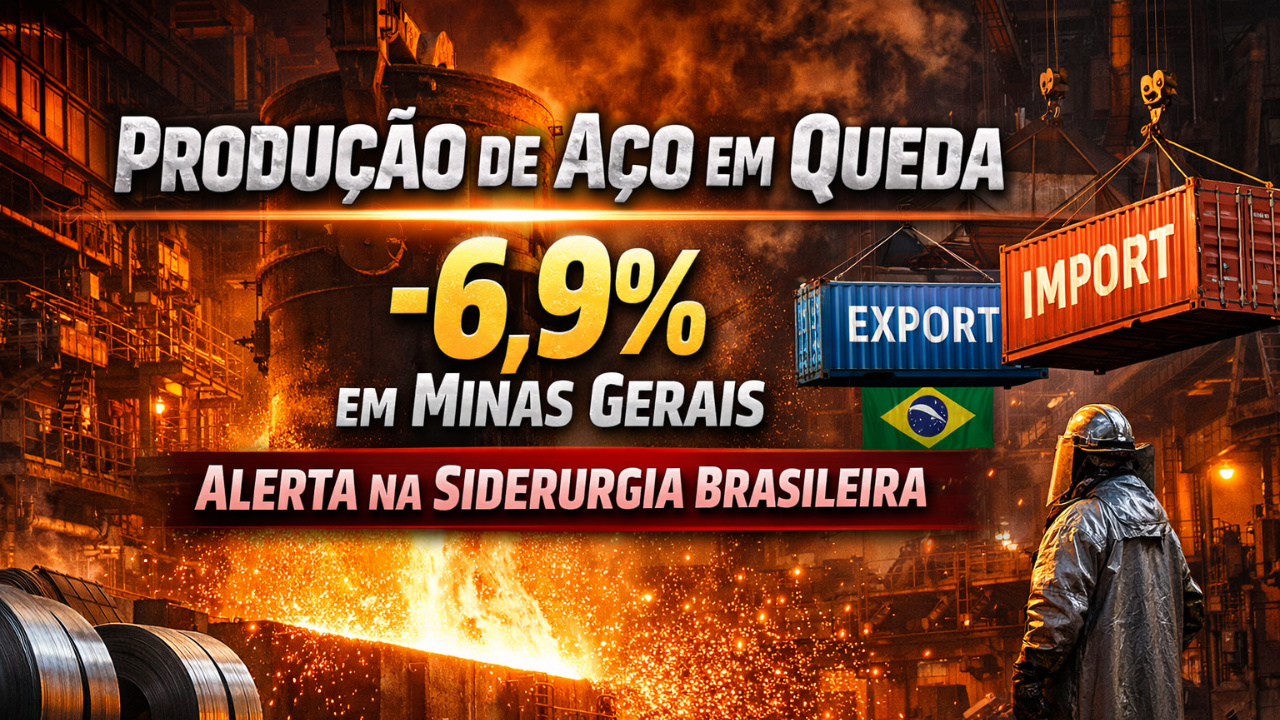
Steel Production Falls 6.9% in Minas Gerais, Raising Alert in Brazilian Steel Industry
-
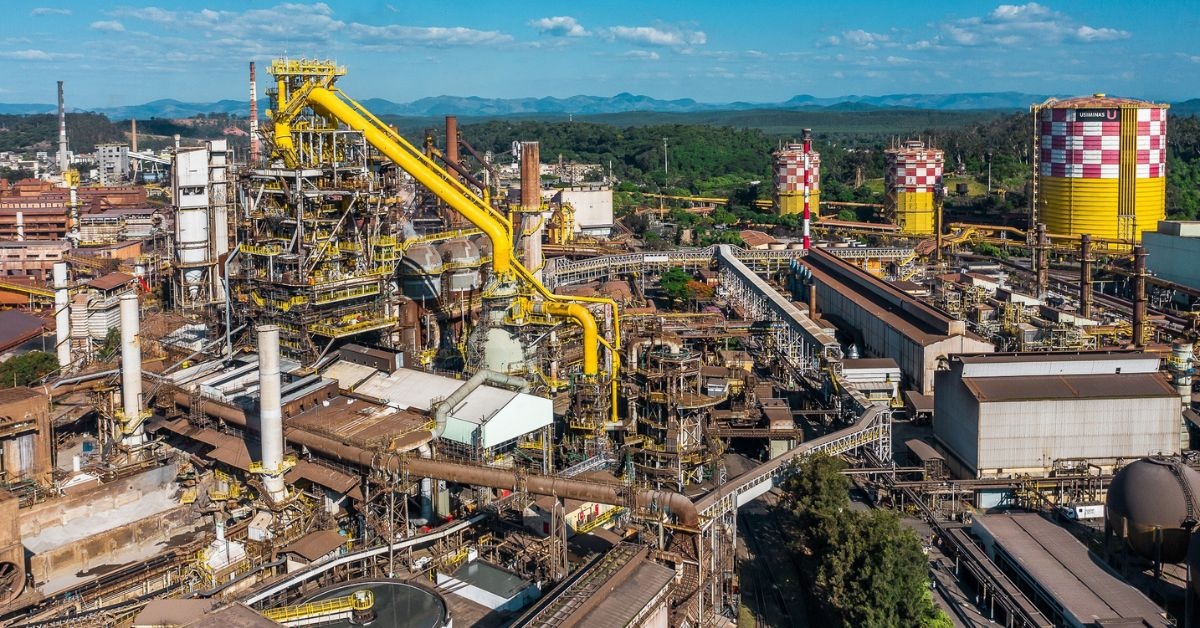
Brazilian Steel Industry Grows in Third Quarter of 2025, Maintains Margins, Reduces Costs, and Faces Imported Steel Surge Amid Commercial Uncertainties
-
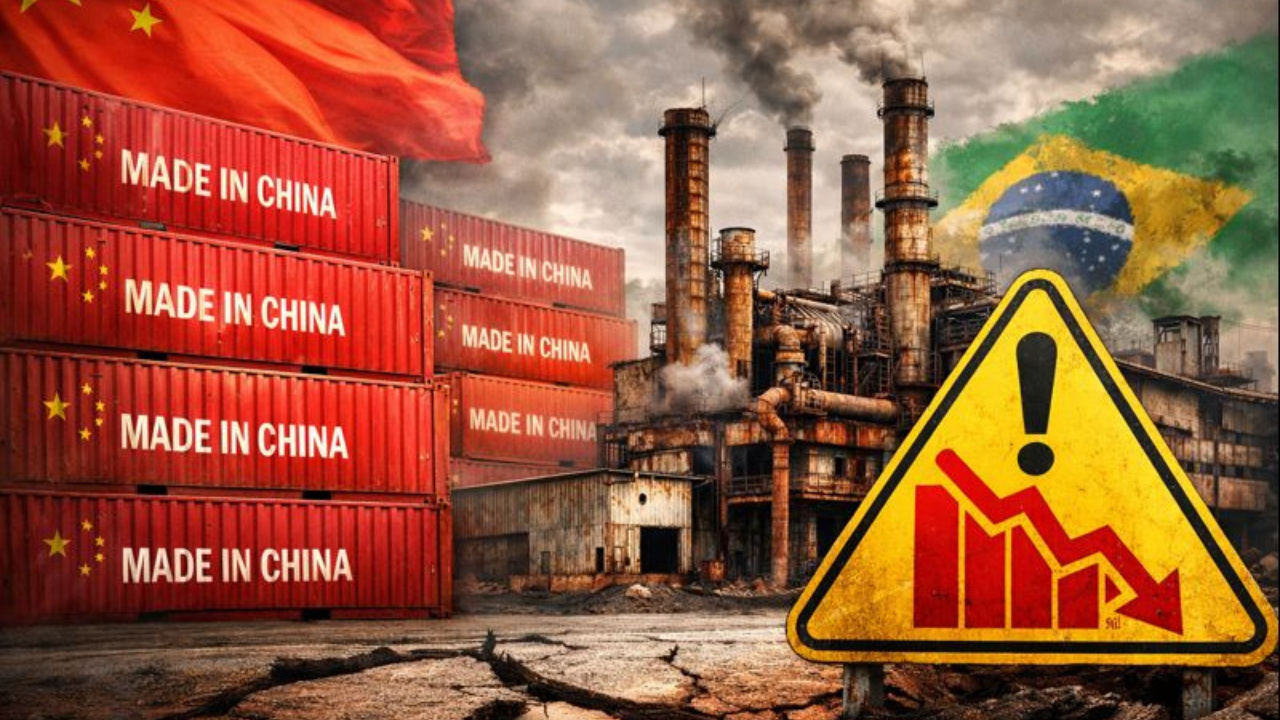
Predatory Steel Imports Accelerate Brazilian Deindustrialization

Direct Impacts On Employment And Production
The reduction in jobs is one of the most tangible effects of the current crisis in the steel industry.
In addition to the 5,1 thousand jobs lost, several mills had to halt operations, including four blast furnaces, one steelworks, and five minimills — smaller units that operate by processing metal scrap.
This situation reflects a combination of weaker domestic demand and strong competition from imported products entering the country at lower prices, according to the Instituto Aço Brasil.
The volume of steel imported by Brazil between January and November 2025 reached 5,4 million tons of flat products, with 64% coming from China.
Suspended Investments In The Steel Sector Reflect Loss Of Confidence
The suspension of R$ 2,5 billion in investments signals a loss of confidence among steel groups in the near-term growth perspective.
These funds were part of plans for modernization and expansion of production units but were postponed in response to the adverse business environment.
Additionally, many projects — such as blast furnaces and steelworks — have ceased operations or reduced activities, representing a setback in production capacity and competing with tighter margins from foreign importers.
Pressure From Imports And Pricing Strategies
One of the main factors challenging the national steel industry is the strong presence of imported steel, especially from China, in the Brazilian market.
The entity representing the sector has pointed to signs of practices like dumping — when products are sold abroad below cost or below reference prices to gain markets — which increases external competitiveness over domestic production.

The price of Chinese steel coils dropped from US$ 560 per ton in January 2024 to around US$ 454 in November 2025, according to data cited by the Instituto Aço Brasil, which also contributes to reducing the competitiveness of national products.
Decline In Production And Utilization Of Production Capacity
The slowdown is also reflected in production numbers. The Instituto Aço Brasil revised its projections for 2025 downward, estimating a decline of 2,2% in crude steel production in the country, with about 33,1 million tons by the end of the year.
Domestic and foreign sales are also expected to follow the weaker performance.
Idle capacity in Brazilian mills remains high, with utilization estimated at 68% of installed capacity, below levels considered healthy by the industry, which range between 80% and 85%.
Steel Industry Calls For Government Action To Curb Imports
Given this scenario, the steel industry seeks governmental support through trade defense mechanisms.
In 2025, Brazil maintained tariffs of 25% on a set of imported steel products that exceed quotas, a measure that is still considered insufficient by sector representatives.
The tightening of tariff barriers and quotas is advocated as a way to balance competition and protect the domestic industry — a strategy that could directly influence the maintenance of jobs and future investments.
The steel industry in Brazil faces a delicate moment, where job losses, suspended investments, and excess imports point to a cycle of medium and long-term challenges.
Without concrete actions to curb external pressure or stimulate domestic demand, steel companies may continue to face difficulties in resuming sustainable growth.
Alternatives such as incentive policies, opening new markets, and strengthening internal production chains are topics that should be discussed in the sector to avoid further losses and stabilize one of the pillars of the Brazilian industry.








-

-

2 pessoas reagiram a isso.