





 Português
  Inglês
  Espanhol
  5 min de leitura
  2 comentários


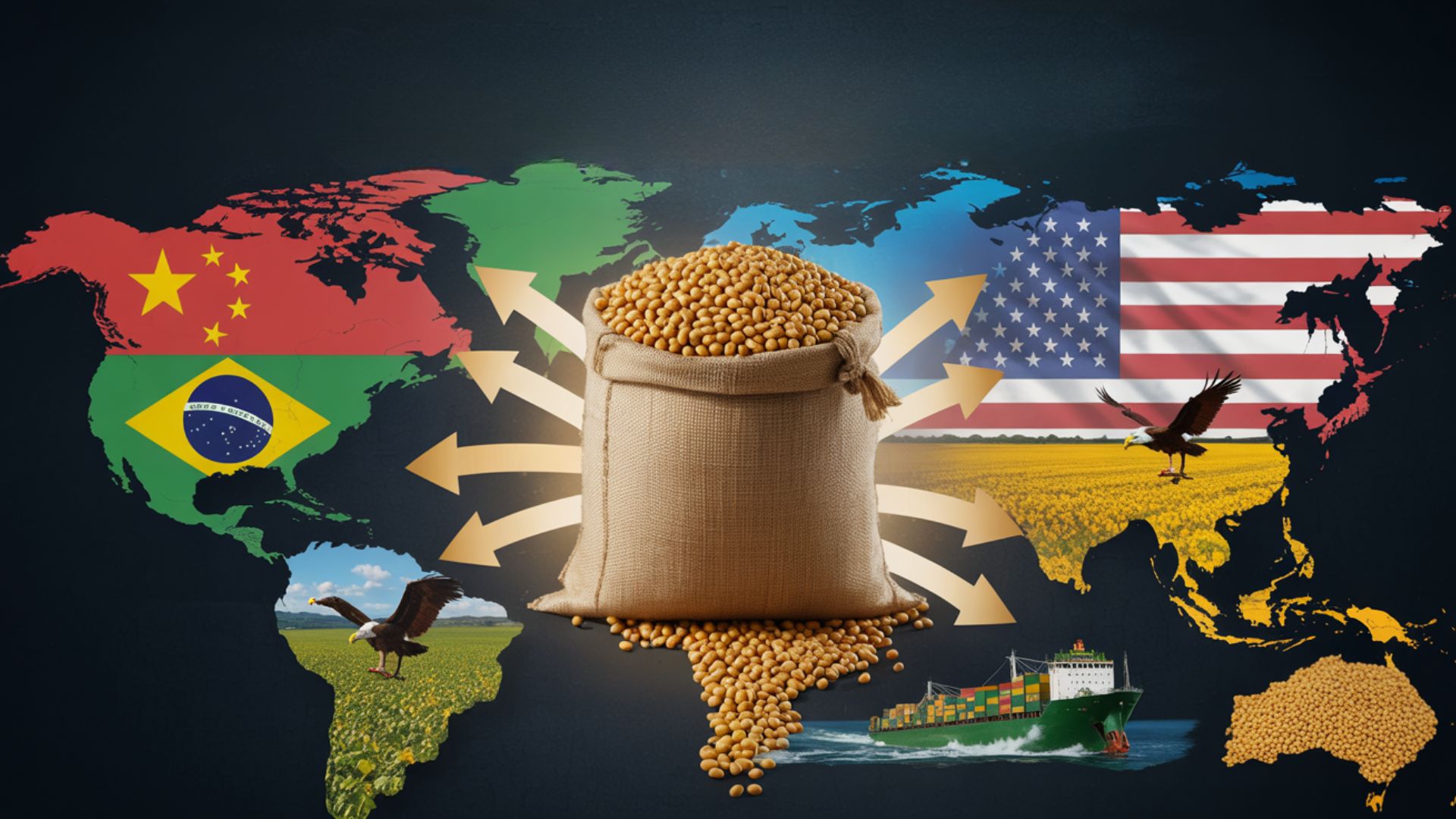


Trade Dispute Between The United States And China Pressures Brazil, Which Dominates Soybean Exports To Beijing, But Could Lose Ground In The Largest Agricultural Market In The World With The Extension Of The Tariff Ceasefire.
The competition for soybeans in the world’s largest market has entered a new phase.
With the 90-day tariff ceasefire between the United States and China — subsequently extended for another three months — and pressure from President Donald Trump to increase Chinese purchases of the grain produced by farmers in the U.S., experts point to a risk of reduction in Brazil’s share of Chinese imports.
The move comes days after Washington imposed high tariffs on Brazilian products and amid efforts by Beijing and Washington to negotiate a broader trade agreement.
-
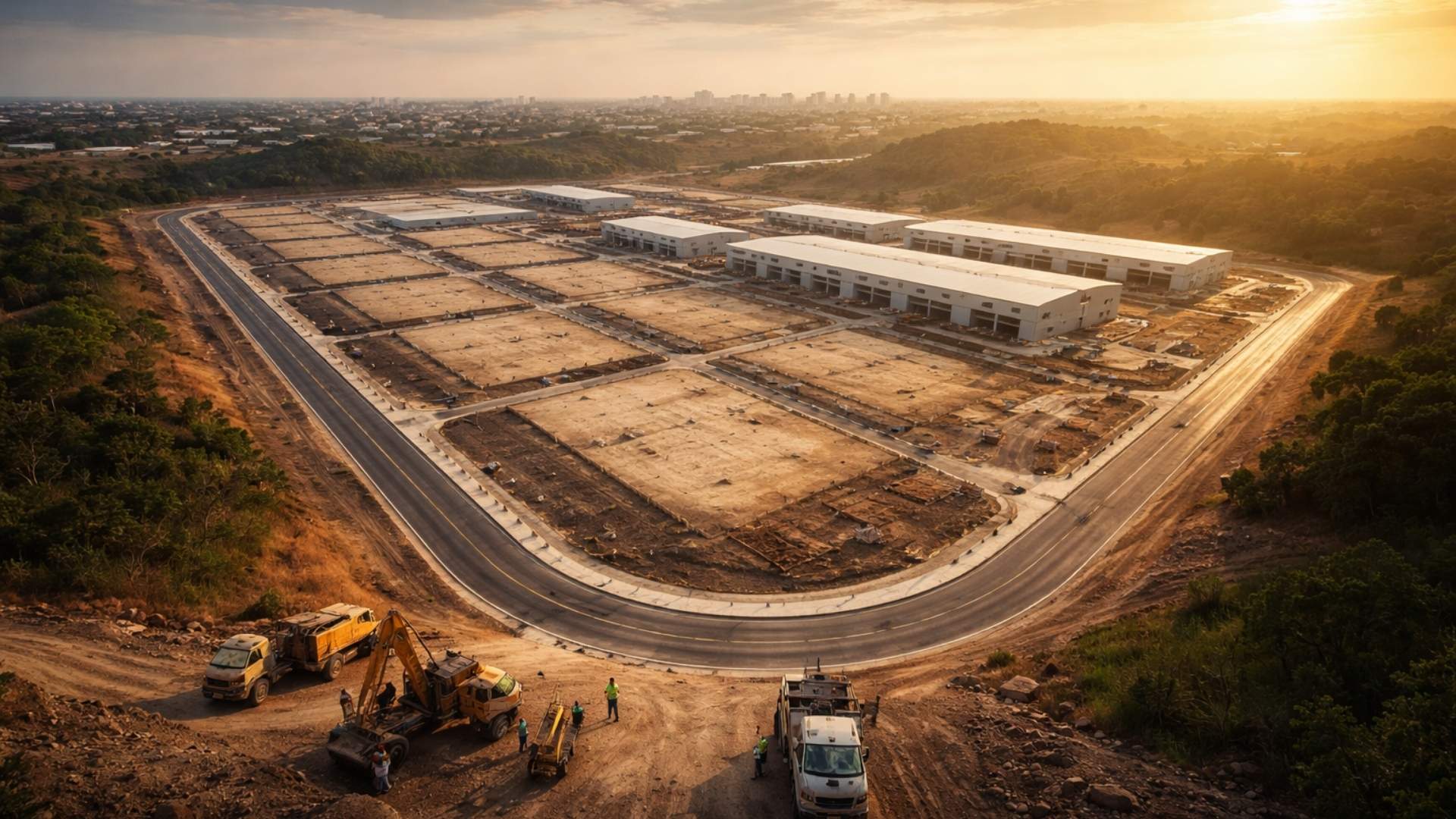
Brazilian city gains industrial hub for 85 companies that is equivalent to 55 football fields.

-
Peugeot and Citroën factory in Argentina cuts production by half and opens a layoff program for more than 2,000 employees after Brazil drastically reduced purchases of Argentine vehicles.

-
A Brazilian city gains a factory worth R$ 300 million with the capacity to process 200 thousand tons of wheat per year, a mill of 660 tons/day, silos for 42 thousand tons, and an industrial area of 276 thousand m².
-
Havan will leave the shopping mall in Blumenau to inaugurate something that the chain has never done before: a megastore in half-timbered style in the Historic Center of the city, which is expected to be completed in May and change the landscape of local retail.

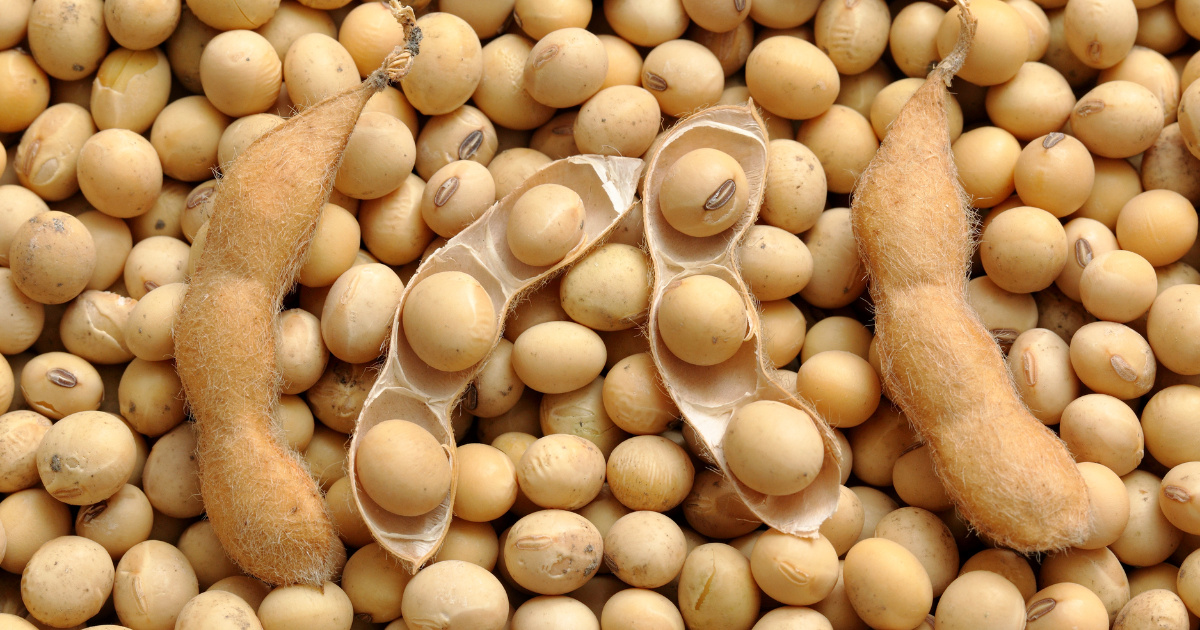
China accounts for 61.1% of all global soybean imports and predominantly relies on foreign supplies to feed its pig and poultry populations.
Only 15% of domestic consumption is covered by national production; the 85% remaining comes from abroad.
In 2024, the country imported 105.03 million tons, spending US$ 52.8 billion.
Of that total, 74.6 million came from Brazil, equivalent to 71.1% of Chinese purchases, while the U.S. supplied 22.1 million tons (22%). Argentina and Uruguay accounted for much smaller volumes.
Ceasefire Between The U.S. And China Pressures Brazilian Soybeans
Just days after the 50% tax on Brazilian products went into effect in the U.S., Trump took to social media to ask China to “quickly quadruple” its purchases of American soybeans.
The statement came when there were still two days left in the initial suspension period of tariff escalation between the two countries.
On May 12, the governments had temporarily reduced their tariffs: from 145% to 30% on American tariffs applied to Chinese goods and from 125% to 10% on Chinese tariffs on U.S. products.
One day after the declaration, Washington and Beijing extended the ceasefire until November 12, while negotiations continue.
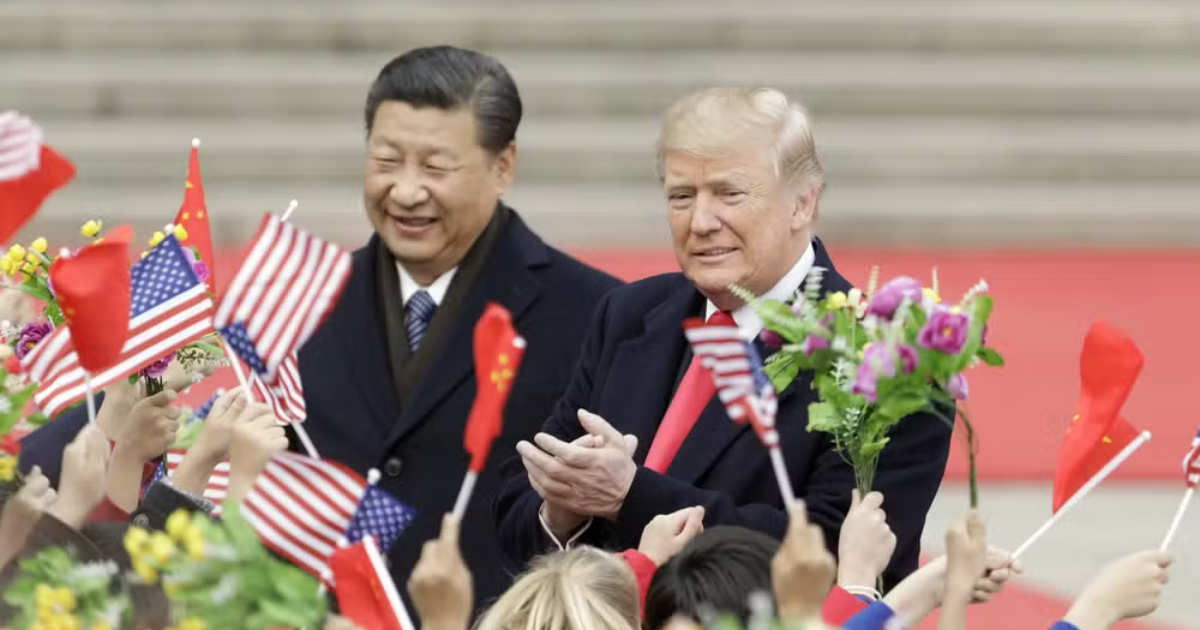
“The swift service will be provided,” Trump wrote, thanking Xi Jinping and reiterating the request for increased purchases.
Although he did not directly mention Brazil, a change in Chinese demand for American soybeans would immediately affect the space occupied by Brazilian grain in the market.
Brazil And China In A Relationship Of Interdependence
According to analysts, Brazil is exposed because soybeans can be used as a bargaining chip in political negotiations between China and the United States.
Alberto Pfeifer, a researcher at Insper Agro Global and professor at USP, states that the U.S. “currently does not have the capacity to quadruple” its exports, but Trump’s statement suggests that the product could be incorporated into concessions under discussion.
One possibility would be the creation of tariff-exempt quotas for American soybeans, a measure that would also benefit Beijing by diversifying suppliers.
The problem, Pfeifer recalls, is that the dependence is mutual.
Brazil sends 73.4% of its exported soybeans to China, according to MDIC.
This trade represents 9% of all Brazilian export revenue.
In other words, any adjustment in China’s purchasing preferences immediately impacts the national agribusiness and the trade balance.
Reaction Of The Brazilian Government And Phone Call Between Lula And Xi
The reaction in Brasília was critical.
For Celso Amorim, special advisor to the Presidency on international affairs, Trump’s request shows “almost a state of war” against Brazil, as the plea is not based on market logic, but on political force.
Amorim expressed his belief, however, that China should not abandon the strategic partnership built with Brazil.
During the same period, President Luiz Inácio Lula da Silva and Xi Jinping spoke by phone. According to official statements, both reaffirmed their political and economic alignment.
Xi stated that the ties between the countries are experiencing “their best historical moment” and that Brazil and China are ready to expand cooperation in areas such as health, oil and gas, digital economy, and satellites.
Lula, for his part, emphasized the pursuit of new business opportunities and the intention to deepen integration.
History Of The Trade War Favored Brazil
Until 2012, the United States was the main supplier of soybeans to China.
Starting in 2013, Brazil took the lead, and by 2016, both had similar shares: 45.7% for Brazil and 40.4% for the U.S.
The scenario changed with Trump’s rise to power and the adoption of tariffs against foreign products.
In 2017, Brazil’s share rose to 53.3%, while the American share fell to 34.4%.
In 2018, the trade war led Beijing to retaliate against Washington with tariffs on agricultural commodities, including soybeans.
This measure caused Brazil’s share to soar to 75.1%, against only 18.9% from the U.S.
Two years later, in January 2020, the “Phase One” agreement committed China to purchase US$ 40 billion per year of American agricultural products for two years.
However, the target was not fully met: between 2020 and 2022, only 73% of the promised value was fulfilled, while Brazil maintained its lead, albeit with a smaller margin over the U.S.
Prospects For The Soybean Market In 2025
In 2025, already under a new Trump term, the protectionist rhetoric resumed.
Despite the ceasefire, there are currently no records of Chinese purchases of American soybeans for the fourth quarter.
According to market sources, reserves for September amount to about 8 million tons, all from South America.
For October, the confirmed purchases are around 4 million tons, also from South America.
In the same period last year, China had reserved 7 million tons of U.S. soybeans.
The price variable, however, remains decisive.
Without tariff charges, American soybeans for shipment in October would be about US$ 40 per ton cheaper than Brazilian soybeans.
This differential could impact short-term purchasing decisions, even though logistical capacity and harvest timing may limit immediate substitution.








O desequilíbrio do presidente dos EUA é a corda que faltava para ele amarrar no próprio pescoço. Nenhum líder de nação responsável, gozando de juízo perfeito, vai negociar com o desequilibrado do Trump, sem um pé atrás. Ele não tem a confiança nem da família e apoiadores mais próximos, e a melhor prova é o dono do X. Agora é esperar porque já tá dando ruim pro “dono do mundo”. Imagina o inelegível e quase “papudense” num mesmo barco com o “cenoura”? Affff!
É jogo ****, briga de **** grande, a conferir se a China vai se mostrar leal aos compromissos assumidos com o Brasil….