





 Portuguese
  English
  Spanish
  4 min of reading
  1 comment


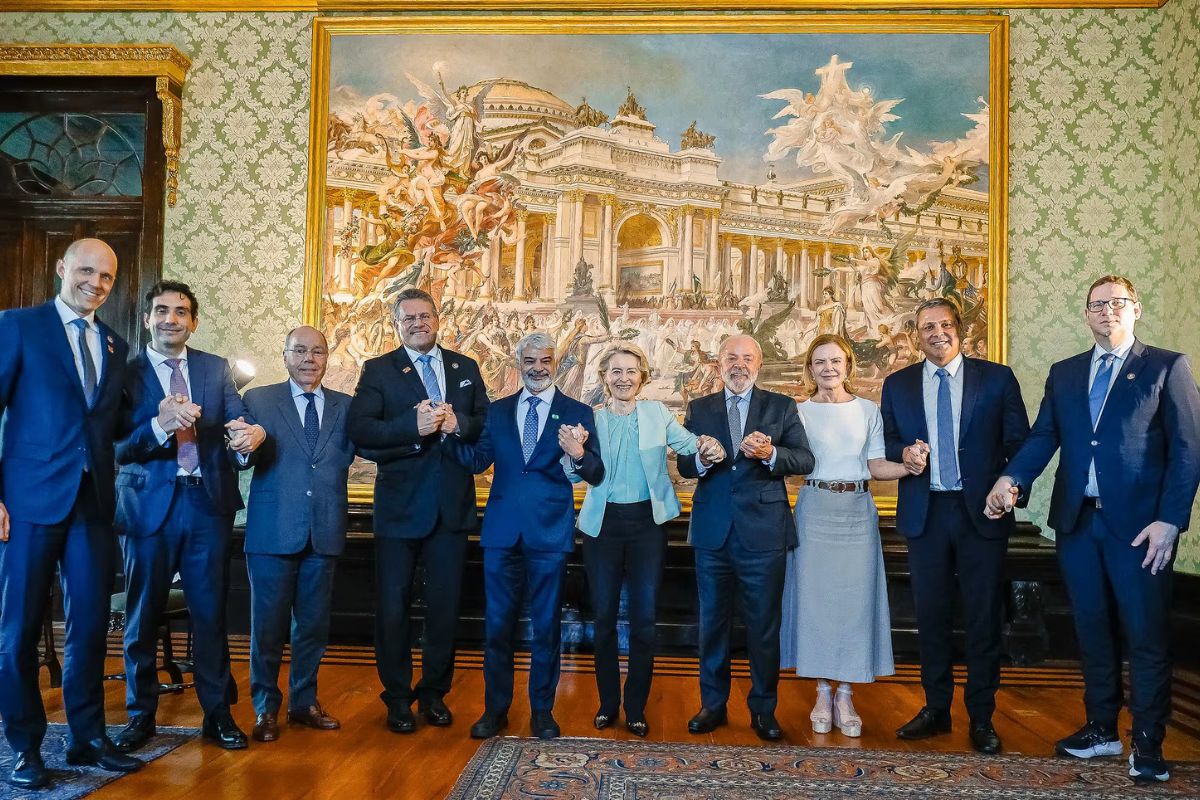


Treaty Between Mercosur and European Union Opens the Way for Zero Tariff on Thousands of Brazilian Products, Strengthens the National Industry, Expands the International Insertion of the Country and Projects Lasting Impacts on Foreign Trade.
A historic agreement between Mercosur and the European Union promises to eliminate the import tax on more than five thousand Brazilian products, uniquely opening the world’s largest consumer market to the national industry and the country’s foreign trade.
According to data from the National Confederation of Industry, the entry into force of the treaty creates a new standard for Brazilian products in the global scenario, significantly expanding the reach of exports and repositioning Brazil in international value chains.
Brazilian Products with Zero Tax and Immediate Market Opening
The survey indicates that more than five thousand Brazilian products will have the import tax eliminated in the European Union as soon as the agreement comes into force.
-
A new Brazilian shopping center worth R$ 400 million will be built in an area equivalent to more than 4 football fields, featuring 90 stores, 5 cinemas, a supermarket, a college, and parking for 1,700 cars, potentially generating 3,000 jobs.

-
Larger than entire cities in Brazil: BYD is building a 4.6 km² complex in Bahia with a capacity for 600,000 vehicles per year, but the discovery of 163 workers in conditions analogous to slavery has shaken the entire project.

-
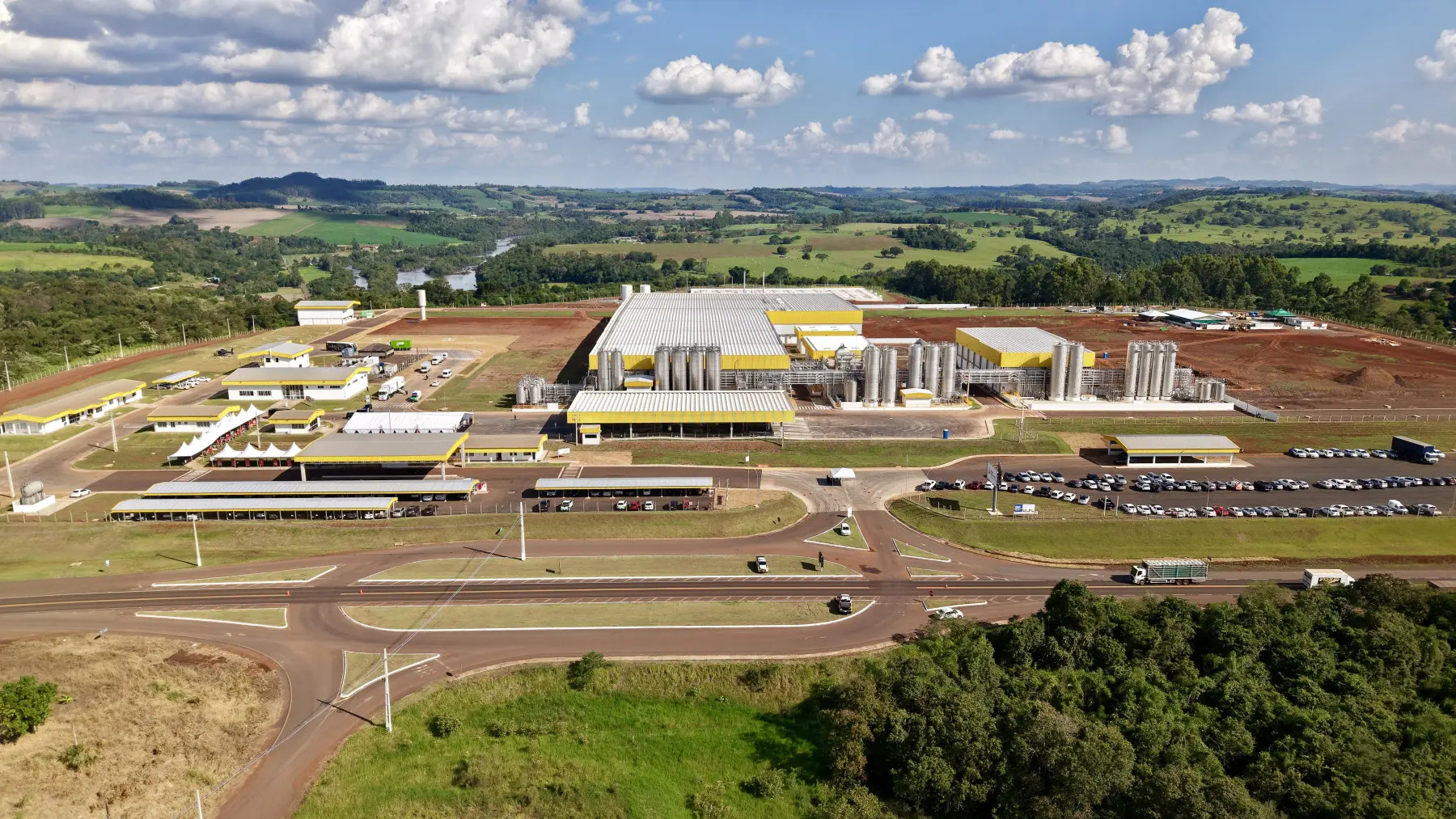
With an investment of R$ 612 million, a capacity to process 1.2 million liters of milk per day, Piracanjuba inaugurates a mega cheese factory that increases national production, reduces dependence on imports, and repositions Brazil on the global dairy map.
-
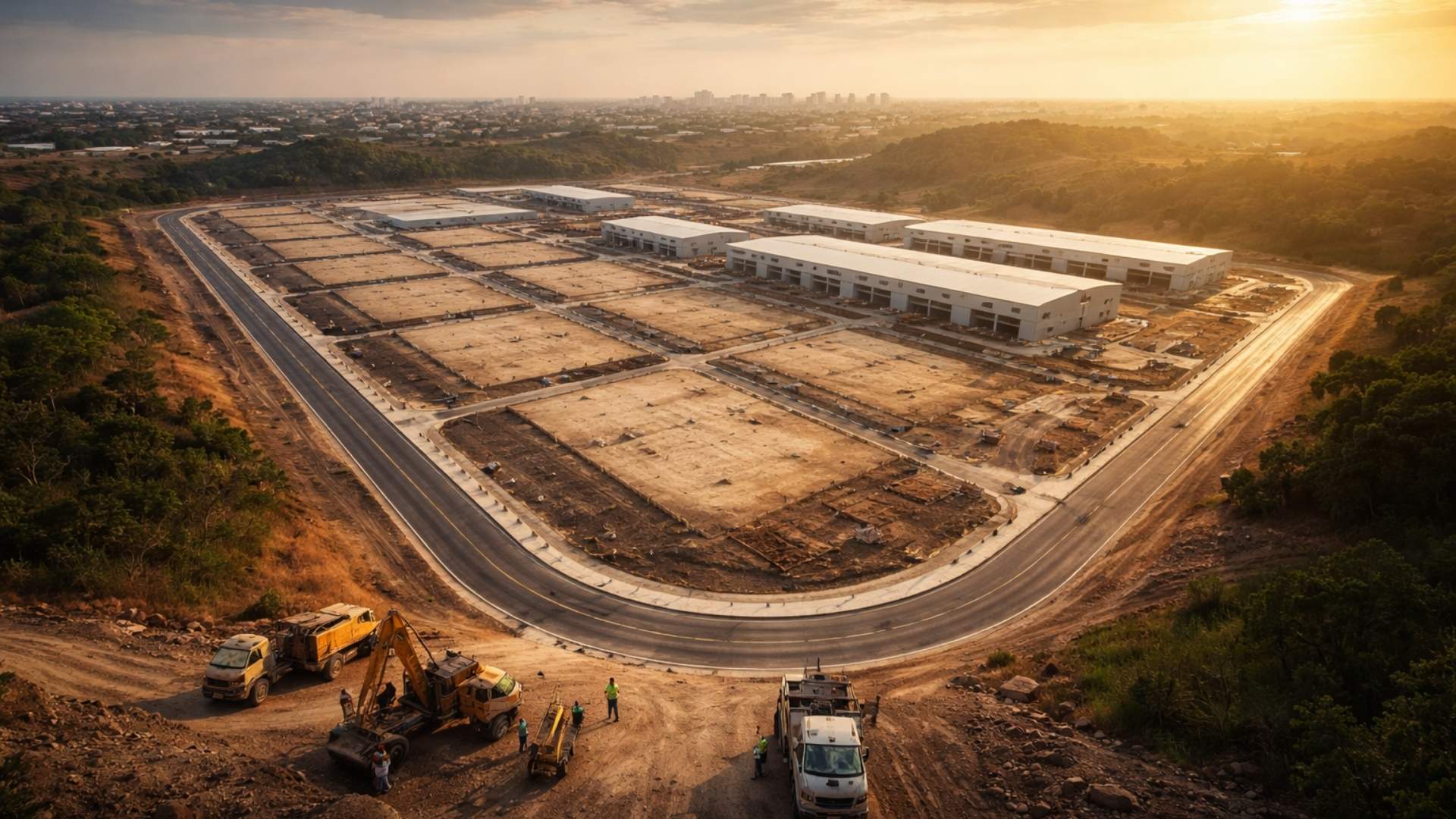
Brazilian city gains industrial hub for 85 companies that is equivalent to 55 football fields.

In practice, this means that 54.3% of the items negotiated under the treaty will be able to access the European market without tariffs, a significant leap for companies that currently face high costs to compete in the bloc.
This movement is likely to directly benefit industrial sectors and production chains that already have a presence in foreign trade, while also creating space for new Brazilian products in a highly demanding market with strong purchasing power.
Tariff Transition and Gradual Protection of the National Industry
On the Mercosur side, the design of the agreement provides for longer deadlines for tariff reduction, which includes a transition period of 10 to 15 years for 44.1% of the products, or about 4,400 items.
This strategy was structured to ensure predictability and allow the Brazilian industry to make productive, technological, and logistical adjustments before the total opening of certain segments.
This model aims to balance the expansion of trade with the preservation of internal competitiveness, avoiding abrupt shocks and allowing time for the adaptation of more sensitive sectors.
Industry at the Center of the Relation Between Brazil and the European Union
The data shows that the industry is the main axis of bilateral trade between Brazil and the European Union.
In Brazilian exports to the European bloc, 46.3% correspond to industrial goods, reinforcing the weight of the sector in the economic relationship between the two sides.
When only industrial inputs are considered, the relevance becomes even clearer.
They accounted for 56.6% of imports and 34.2% of exports in 2024, highlighting the complementarity between the economies and the strategic role of the agreement in modernizing the national industry and integrating into global production chains.
European Union as a Strategic Market for Brazil
In 2024, the European Union was the destination for US$ 48.2 billion of Brazilian exports, equivalent to 14.3% of the total exported by the country, remaining the second main external market for Brazil.
In the same period, the bloc accounted for US$ 47.2 billion of Brazilian imports, representing 17.9% of the total imported.
An attention-grabbing figure is that 98.4% of the products imported from the European Union are goods from the manufacturing industry, which reinforces the industrial nature of the relationship and the potential of the agreement to expand exchanges of higher added value.
An Agreement Built Over Decades
Negotiations between Mercosur and the European Union began in 1999 and spanned decades marked by stoppages, resumptions, technical revisions, and political disputes.
Throughout this period, the text of the treaty was adjusted to accommodate the commercial, environmental, and industrial interests of both blocs.
The agreement provides for the gradual reduction or elimination of tariffs on more than 90% of bilateral trade, with differentiated schedules according to the sector, reinforcing the structuring and long-term character of the initiative.
Progressive Economic Impacts and Expectation of Transformation
The economic effects are not expected to occur immediately and uniformly.
The expectation is that the impacts will be progressive, following the stages of implementation and the ratification of the treaty by the involved countries.
Nevertheless, the assessment is that the agreement has the potential to reposition Brazil in international trade, expand the presence of Brazilian products in the world’s largest market, and strengthen the national industry in the medium and long term.
Political Context of the Signature of the Agreement
The signing ceremony of the agreement took place in Asunción, Paraguay, without the presence of President Luiz Inácio Lula da Silva.
Brazil was represented by the Minister of Foreign Affairs, Mauro Vieira, while Lula fulfilled official agenda in Brasília.
In the days leading up to the signing, the president met in Rio de Janeiro with the President of the European Commission, Ursula von der Leyen, a meeting interpreted as a political signal of support for the closure of the agreement, even without the direct participation of the Brazilian president in the formal act.
With thousands of Brazilian products moving towards zero tax, unprecedented opening of the European market and gradual impacts on the national industry, the agreement marks a turning point for Brazil’s foreign trade.
Do you believe that this treaty can really change Brazil’s weight in global exports or will the effects be more limited than expected?








Tem que zerar juros aqui, Também!!!!