





 Português
  Inglês
  Espanhol
  4 min de leitura
  1 comentário





Formal Document Redefines Tariffs Between The United States And The European Union, Opens Exceptions And Projects Effects On Billion-Dollar Value Chains.
The new understanding between The United States and The European Union has been formalized and will have its text published in the Federal Register. The measure repositions tariffs, creates exemption brackets, and conditions reductions in strategic segments focusing on cars, airplanes, and chemical inputs. According to reports from IstoÉ Dinheiro, Washington will apply Most-Favored Nation (MFN) status to a list of European products and will design gradual tax breaks for the automotive sector, tied to EU counteroffers.
For markets that handle tens of billions, the new tariff structure can redefine prices, export routes, and supplier margins.
On the European side, the package includes exceptions for agricultural, metals, and industrial sectors, reversing surcharges inherited from executive orders.
-
Brazilian city gains industrial hub for 85 companies that is equivalent to 55 football fields.

-
Peugeot and Citroën factory in Argentina cuts production by half and opens a layoff program for more than 2,000 employees after Brazil drastically reduced purchases of Argentine vehicles.

-
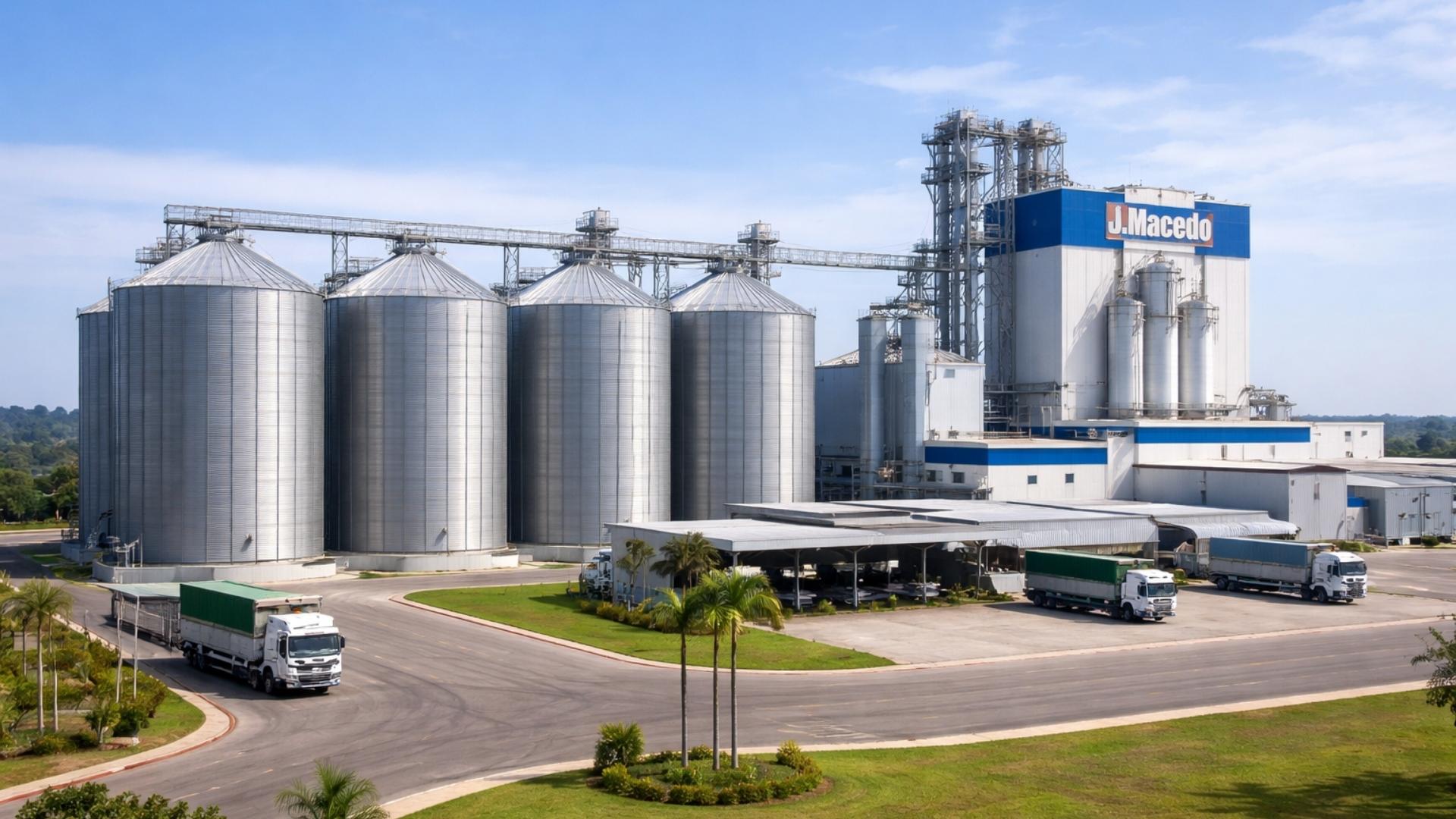
A Brazilian city gains a factory worth R$ 300 million with the capacity to process 200 thousand tons of wheat per year, a mill of 660 tons/day, silos for 42 thousand tons, and an industrial area of 276 thousand m².
-
Havan will leave the shopping mall in Blumenau to inaugurate something that the chain has never done before: a megastore in half-timbered style in the Historic Center of the city, which is expected to be completed in May and change the landscape of local retail.


What Changes In Tariffs (And What Remains The Same)
According to IstoÉ Dinheiro, the U.S. will start applying MFN to aircraft, aircraft parts, cork, generic medications, and chemical inputs.
Tariffs vary by product: 0% for some medications, 2.5% for certain vehicles, 4% on metallic parts, and up to 6.5% in specific categories of industrial chemicals. This range standardizes the reference for tariffs and reduces regulatory uncertainty in high-complexity sectors.
At the same time, there is no broad “zero tariff”: the design maintains brackets and conditions to avoid competitive shocks.
The official publication scheduled for the 25th in the U.S. daily is the trigger for validity and provides predictability to logistics and fiscal operators, highlights IstoÉ Dinheiro.
Cars, Airplanes, And Chemicals: The Immediate Effects
In the automotive sector, the agreement calls for gradual reductions on European vehicles and auto parts, conditioned to EU counteroffers.
In practice, automakers and system providers gain a horizon to negotiate contracts, but the relief is not automatic: it depends on agreed metrics and timelines.
This may help contain inflationary pressures on components while protecting the domestic industry during the transition.
In aerospace, MFN for aircraft and parts helps to unlock orders and MRO (maintenance, repair, and overhaul).
Lower tariff friction tends to shorten lead times and soften costs of a relevant supply chain at a time of backlogs for new aircraft and fleet replacement.
In the case of chemical inputs, the ladder of 0% to 6.5% creates finer competition for niche markets, forcing efficiency gains and long-term agreements between manufacturers and distributors.
Exceptions And Reversals: Where Surcharges Are Removed
For agricultural products, metals, and industrial inputs, IstoÉ Dinheiro points out a battery of exemptions that remove surcharges applied by previous decisions.
This point is sensitive for food, fertilizers, steels, and aluminums, chains where ¢ per kilogram alter the business. By removing inherited surcharges, the agreement clears the rearview mirror and reopens the cost table for new annual contracts.
Important: exemption is not laissez-faire. Positive and negative lists will continue to exist; monitoring and revision remain on the agenda to avoid arbitrage. Companies will need to read the fine print: NCM/HTS classification and rules of origin remain determining factors.
Who Wins, Who Loses (And Why)
Winners include those operating transatlantic integrated chains and long-term pricing: aerospace, chemical-industrial, auto parts with strong engineering, and high-mix suppliers.
The predictability of MFN and the conditional reduction in the automotive sector improve CAPEX and inventory planning.
Losers include those who benefited from opportunistic tariff windows and arbitrage of exceptions.
With more stable brackets, competitiveness returns to cost, quality, and logistics. Manufacturers with low technological content will have less “tariff cushion” to hide inefficiencies.
And Brazil In The Middle Of This Board?
Even outside the agreement, Brazilian exporters selling to the U.S. and the EU may feel indirect effects: European competitors with MFN tariffs may gain traction in niches of chemicals and aerospace, while global auto parts chains recalibrate origin and regional content.
Logistics operators are expected to see route adjustments as total delivered cost changes at the margin.
For local companies supplying inputs to multinationals in both blocs, the message is clear: tariff compliance, understanding rules of origin, and tax engineering become competitive advantages.
Long-term agreements with revision clauses can anchor margins in a more predictable price environment.
Timeline And Governance: What To Observe Next
Effectiveness starts with publication in the Federal Register. From there, U.S. agencies and European bodies must issue guides and Q&A for operators.
Companies need to synchronize foreign trade teams, fiscal, and legal to reclassify items, check MFN eligibility, and review supply contracts.
Points of Attention:
- Vehicles And Auto Parts: Criteria for the EU’s counteroffers and the real pace of reductions.
- Chemicals: Subitems at 6.5% and list of exceptions that may affect margins.
- Agriculture/Metals: Scope of exemptions and procedures to apply surcharge reversals.
The United States and European Union agreement reorganizes tariffs without breaking the board. By combining MFN, conditional reductions, and specific exemptions, the policy accommodates competitiveness and stability—two rare assets for global chains.
For companies, the game now is execution: correct classification, smart contracts, and streamlined logistics.









Que lero lero espetacular, parabéns, como é possível falar tanto sem dizer nada, pura combinação de groselha com wishfull thinkhing!