





 Portuguese
  English
  Spanish
  3 min of reading


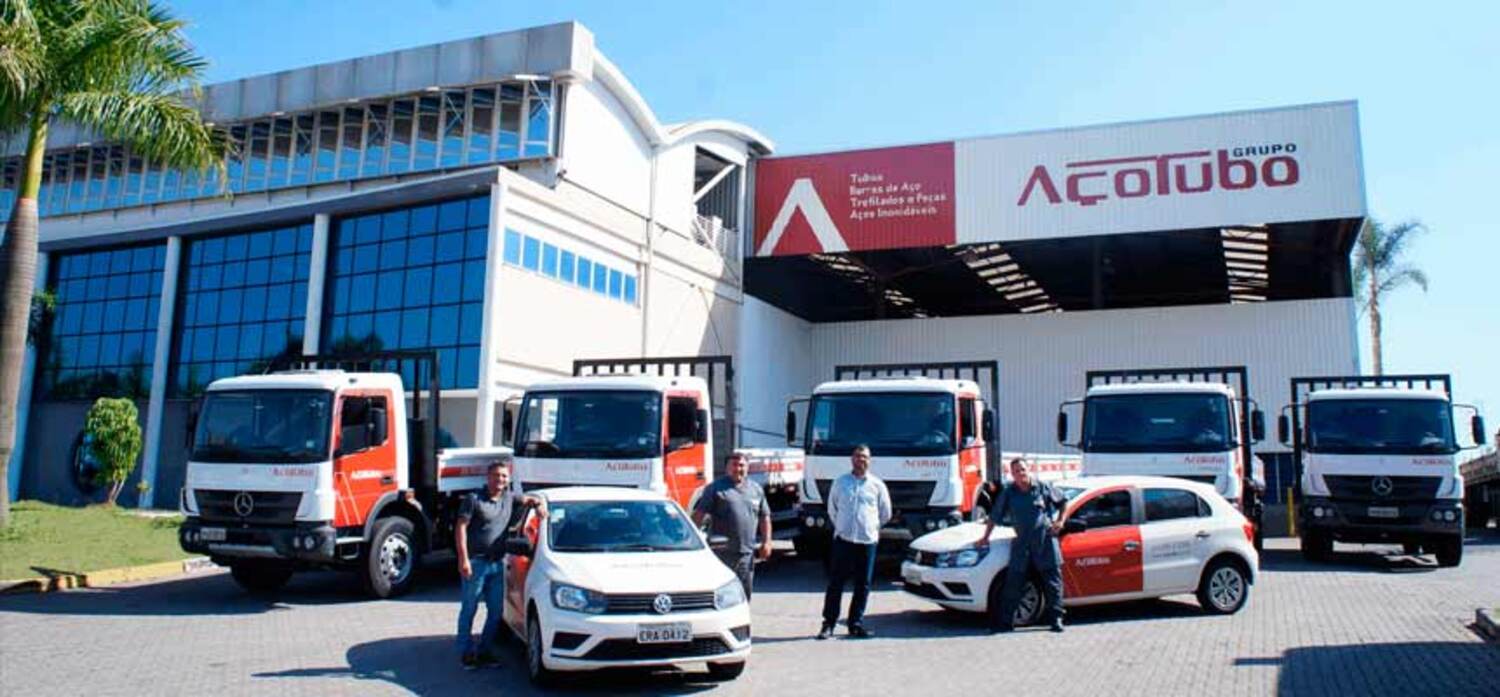
The National Operations and Logistics Manager Robson Garcia states that the useful life of the systems should be at least 25 years with a minimum production of 80% of the capacity of each solar panel.
The Brazilian Photovoltaic Solar Energy Association (Absolar) revealed data showing that the use of solar energy is responsible for reducing carbon dioxide emissions, one of the main gases released by companies. CO2 is one of the biggest contributors to accelerating the greenhouse effect. Overall, the use of renewable sources prevents over 18 million tons of gases from being released into the environment. With this in mind, the company Açotubo reported, through its advisory, that it is making a minimum investment of R$ 810 thousand in order to implement photovoltaic solar panels in three states where it has branches, namely São Paulo (SP), Minas Gerais (MG), and Paraná (PR).
According to the advisory, there will be 331 panels for a production of at least 16,565 kWh/month. Considering the expected increase in traditional energy compared to 2023 is 8%, the company estimates that the final investment value will be paid off in three years. The amount invested is R$ 840 thousand. Additionally, National Operations and Logistics Manager Robson Garcia claims there is a guarantee of at least 25 years of energy production from the panels, making it beneficial in the medium and long term.
The Use of Solar Energy Could Generate an Economic Activity of US$ 78 Trillion and Could Be an Alternative to the Price of Coal, Which Has Already Seen an Accumulated Increase of 103% in Just One Year. New Investments in São Paulo, Minas Gerais, and Paraná Are Positive
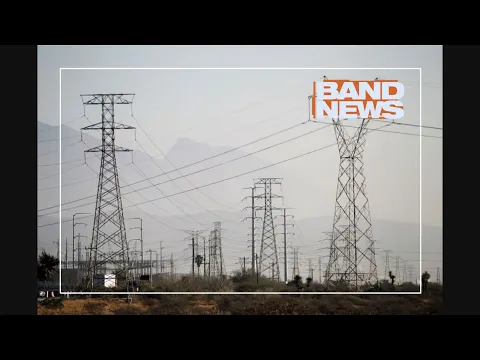

The use of solar energy could be a viable alternative for the environment and, moreover, a study conducted by the International Monetary Fund shows that the economy generated by photovoltaic panels could circulate over R$ 78 trillion by the end of this century. The calculation was made considering the amount of CO2 emissions released into the environment. Investments in São Paulo, Minas Gerais, and Paraná appear promising.
-
Peugeot and Citroën factory in Argentina cuts production by half and opens a layoff program for more than 2,000 employees after Brazil drastically harmed purchases of Argentine vehicles.

-
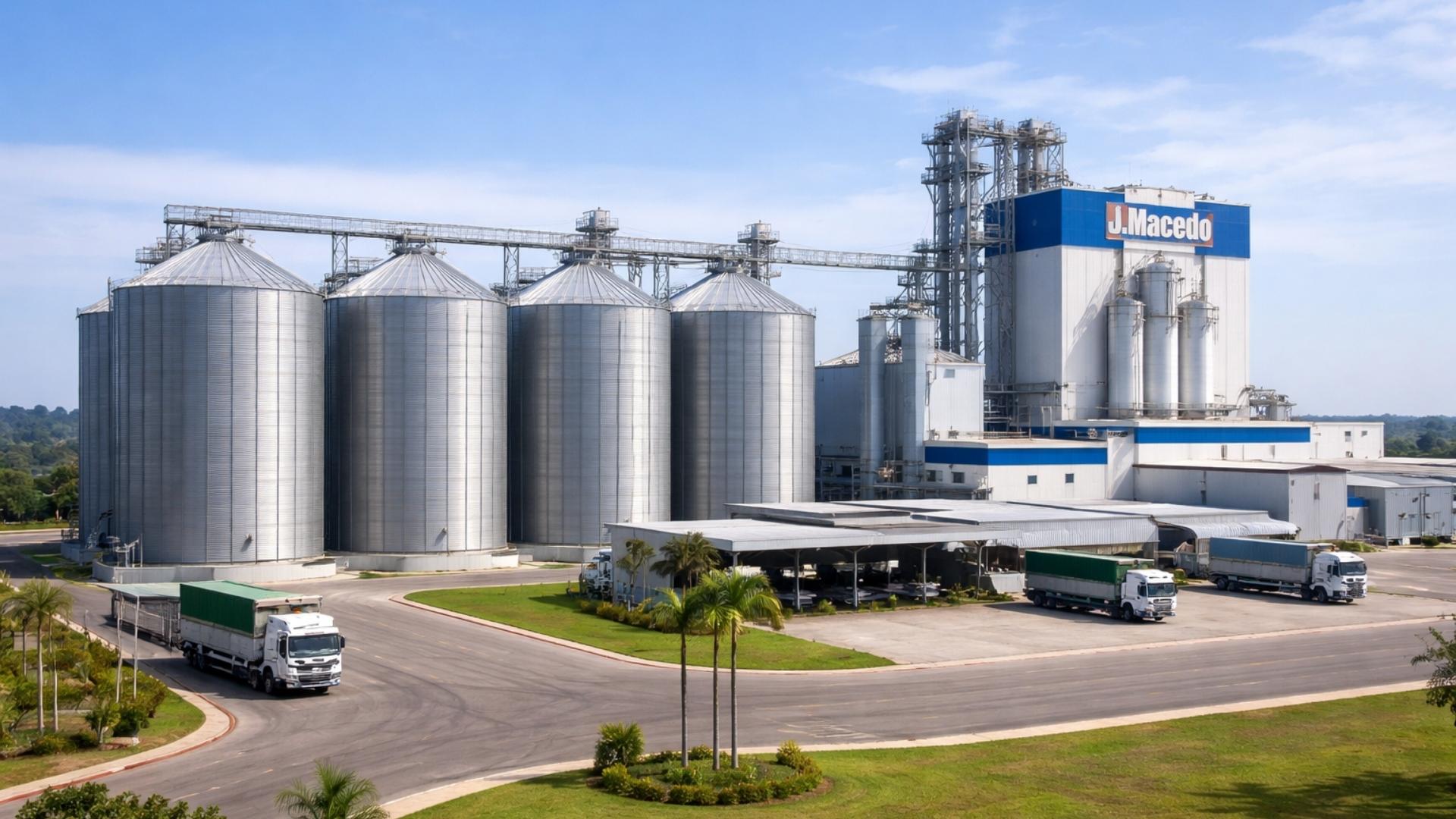
A Brazilian city gains a factory worth R$ 300 million with the capacity to process 200 thousand tons of wheat per year, a mill of 660 tons per day, silos for 42 thousand tons, and an industrial area of 276 thousand m².
-
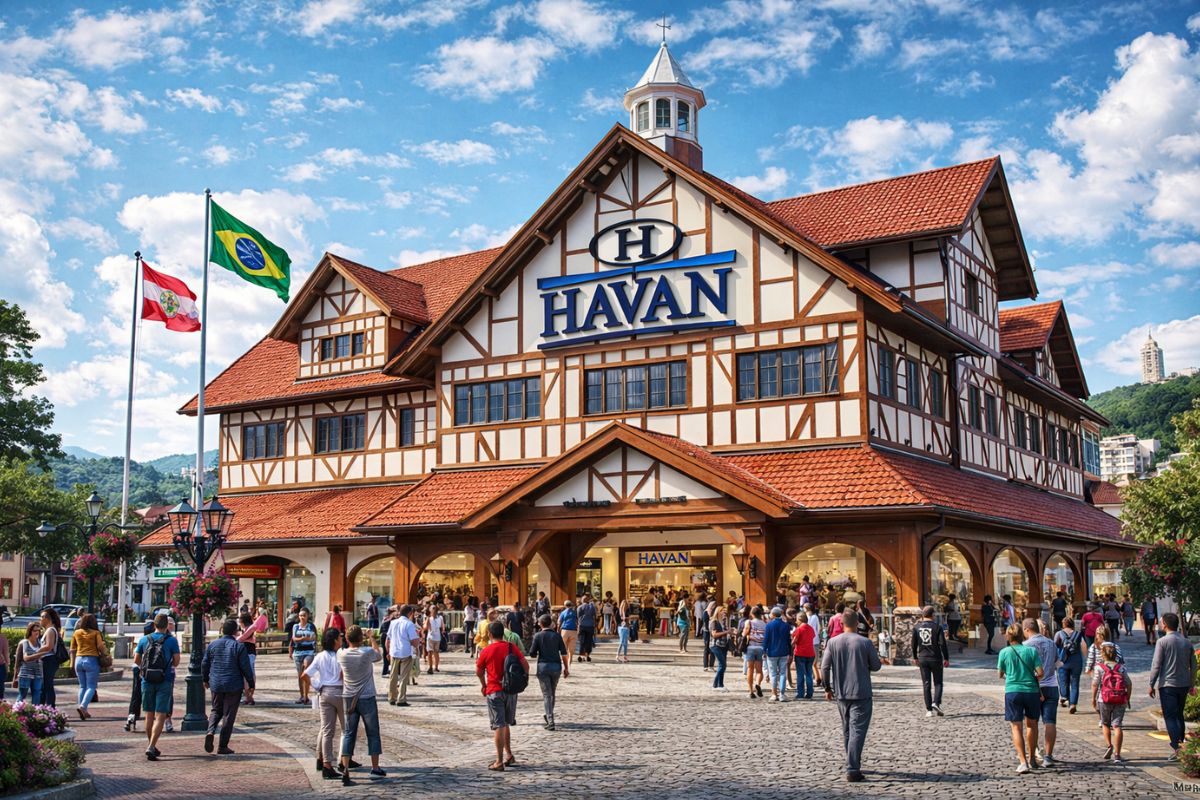
Havan will leave the shopping mall in Blumenau to inaugurate something the chain has never done before: a megastore in half-timbered style in the Historic Center of the city, which is expected to be ready in May and change the landscape of local retail.
-
Unemployment rises again to 5.8% at the beginning of 2026, raising alarms about the end of temporary positions and its impact on the Brazilian job market.


Another point is that traditional energy caused by burning coal is becoming increasingly expensive, while hydropower suffers from a lack of rain. Coal, according to the Invesing portal, has accumulated an increase of at least 103% in the one-year period, a hike that is higher than Brent oil, which is at 65%.
Despite the expectations from the National Association of Energy Consumers (Anace) for an increase of 8%, official data shows that Aneel, due to the scarcity flag imposed in 2021 to address the coal and water shortage, has recorded a price variation of at least 52%. In other words, the extra tariff “fine” applied has risen from R$ 6.243 per 100 kWh consumed to R$ 14.49 per 100 kWh. For Robson Garcia, investing in renewable sources is an option to escape the instabilities in the Brazilian market regarding energy production, which, whether we like it or not, has been intensely affected by commodity price fluctuations.
This year, the creation of renewable energy is reported to have surpassed its major milestone of 1 terawatt and is estimated to reach 2 terawatts by the end of 2024 in Brazil.








Seja o primeiro a reagir!