





 English
  Francês
  Alemão
  Italiano
  Japonês
  Norueguês
  Portuguese
  Spanish
  4 min of reading
  5 comments


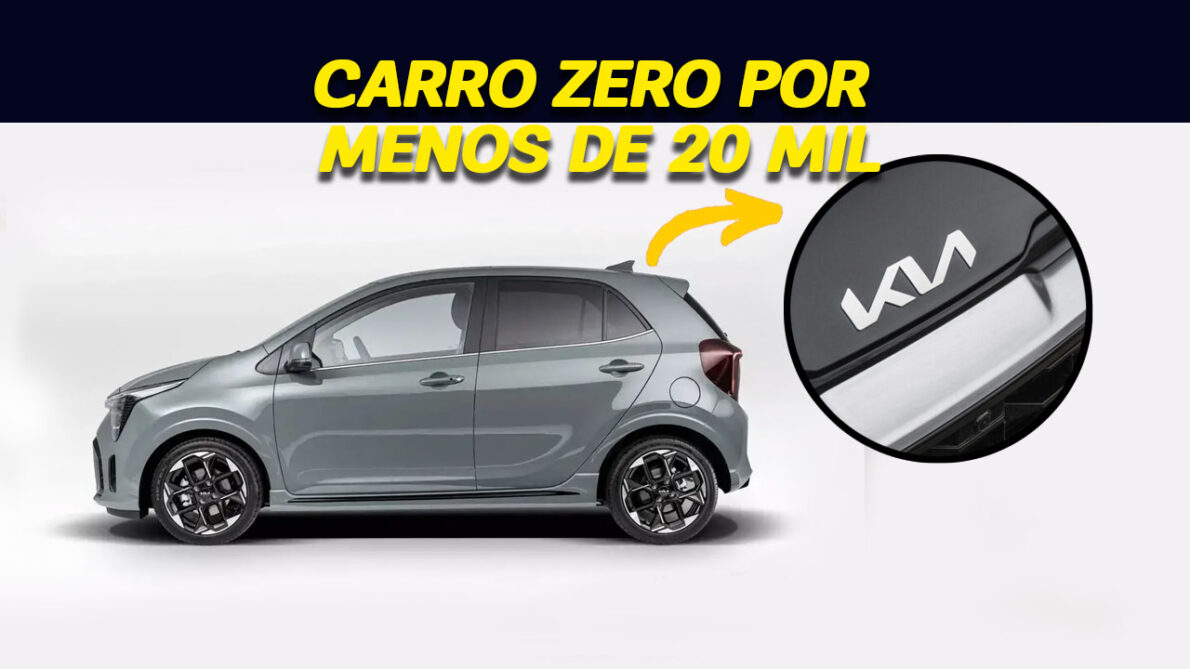

Kia Wants To Revolutionize The European Market With An Affordable Electric Car For Under 20 Thousand, But That Should Only Happen In 2026. Will The Brand Be Able To Face The High Production Costs And Fulfill The Promise?
The battle for affordable prices in the electric car market in Europe has gained a new and powerful competitor.
Kia, known for its aggressive strategy, announced ambitious plans to launch a low-cost electric vehicle, causing a stir among consumers and competitors.
But will this promise materialize so soon? The numbers released promise a significant impact, but an important detail may frustrate the expectations of those dreaming of a more affordable electric car.
-
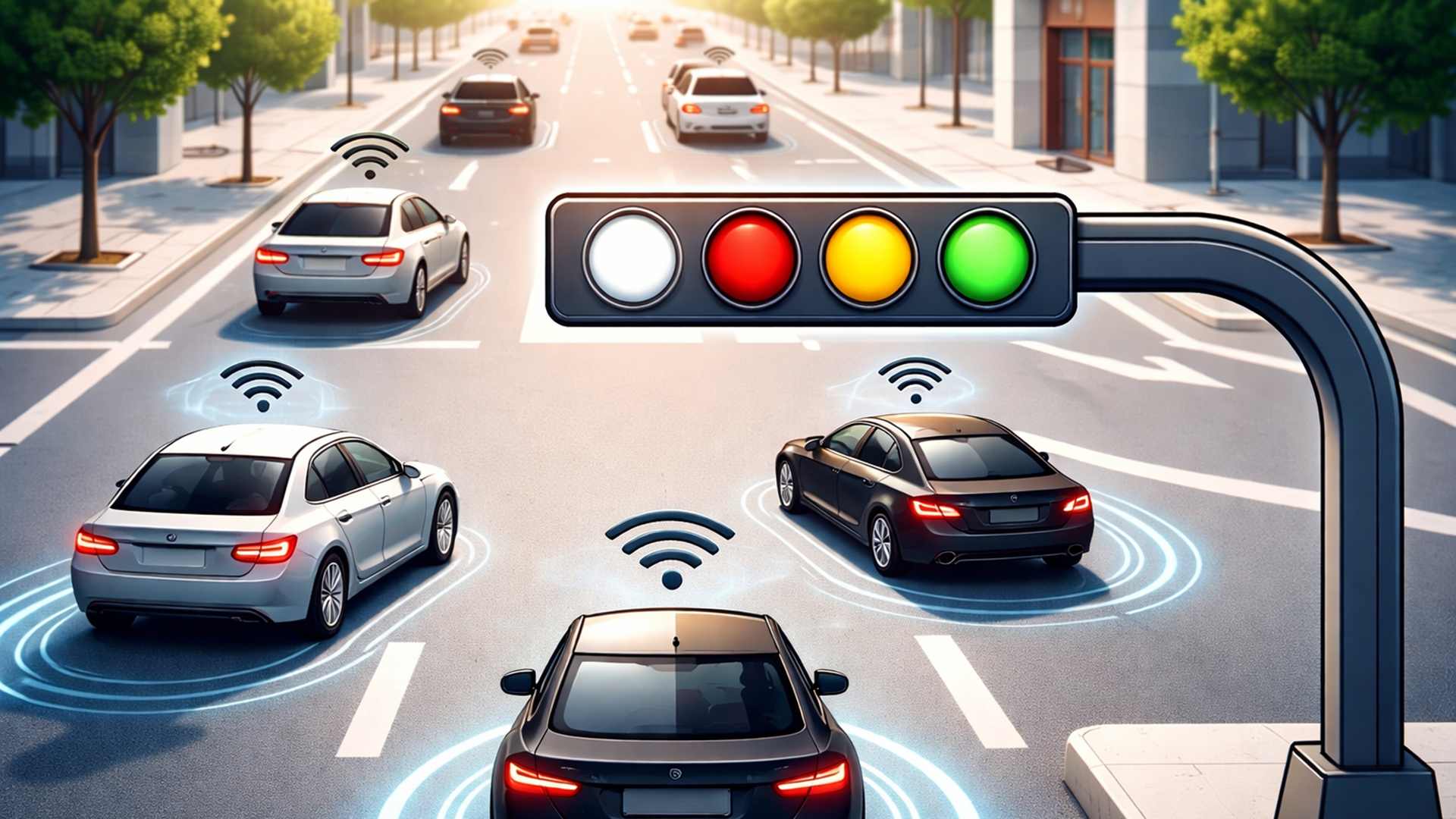
Engineers propose a fourth traffic light for intersections – the change promises to affect crossings, queues, and waiting times.
-
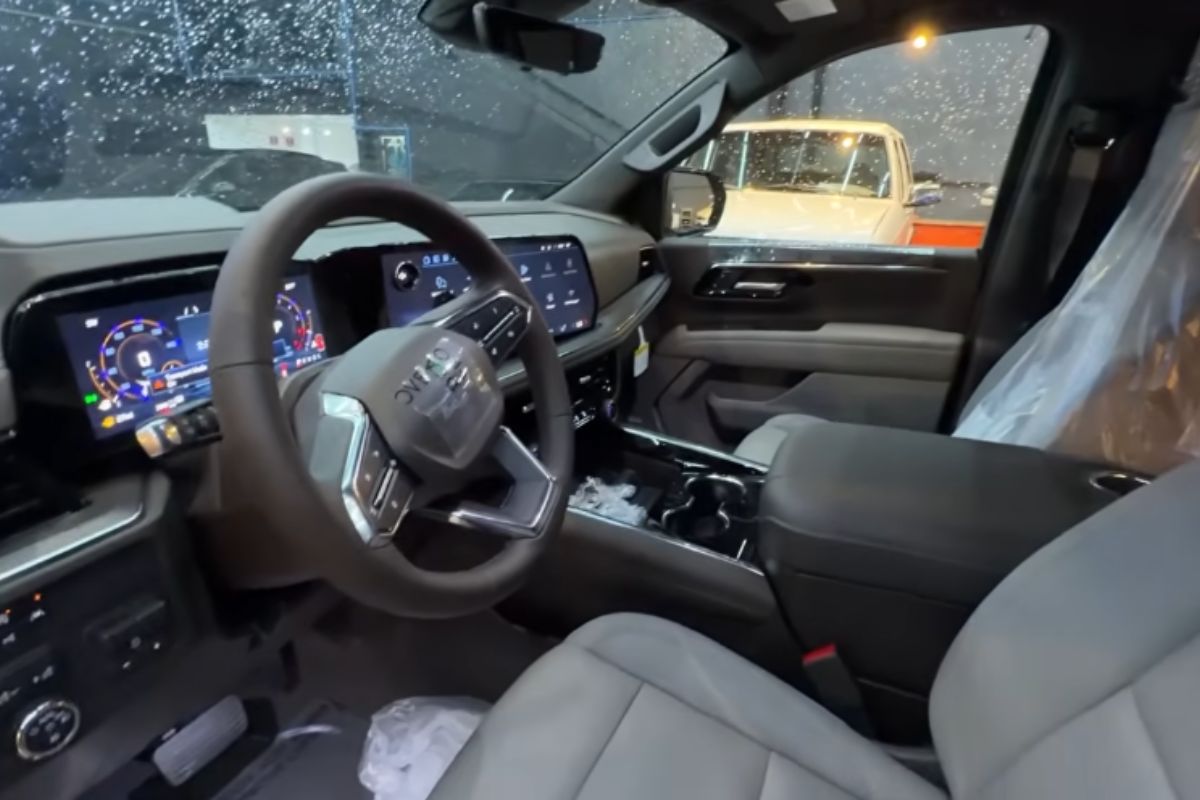
Chevrolet Suburban Z71 lands in Brazil with a V8 engine, off-road design, air suspension, seven seats, and colossal size, a rare version imported for around R$ 1.3 million with luxury and exclusivity.
-
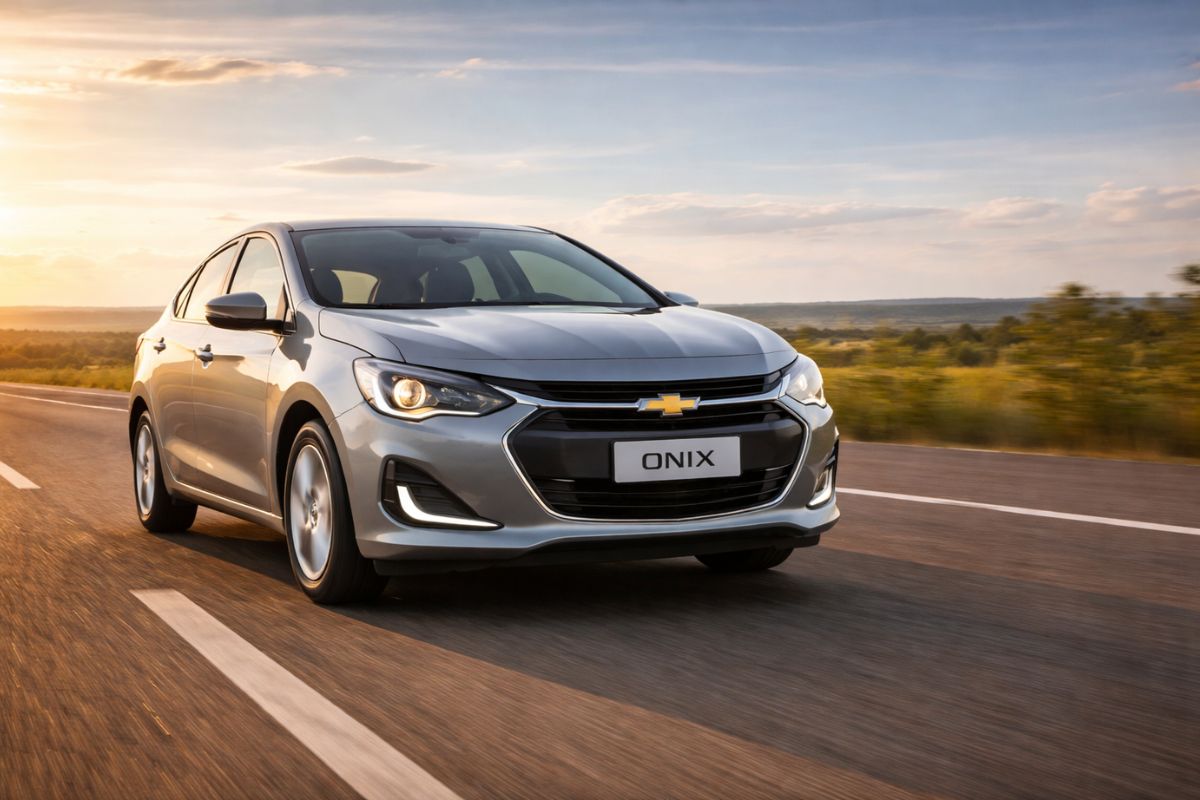
The Chevrolet Onix 1.0 turbo achieves 17.7 km per liter on the highway and ranks among the three most economical cars in Brazil in 2026, alongside two more expensive Toyota hybrids available at dealerships.
-
Little sister of the Hilux: Toyota launches Land Cruiser FJ with 4 radical versions, 2.7 engine with 166 hp and 4×4 traction with locking.

The European electric vehicle market is boiling with new launches and promises of increasingly competitive prices.
In this context, Kia revealed it is working on a model that will cost between 15,000 and 20,000 euros, an extremely attractive price compared to current models available in the market.
The closest reference is the Dacia Spring, which costs around 17,000 euros. With this, Kia wants to directly confront the Chinese and European competition, which has been gaining ground with more affordable and high-tech models.
Fierce Competition
Brands like Renault and Volkswagen are also keeping an eye on this promising segment. Renault intends to launch electric versions of the Twingo and New Renault 4 models, both priced around 20,000 euros, while Volkswagen bets on the ID.1 to compete in this same niche.
With this, the competition promises to be fierce, and Kia does not want to fall behind. According to Ho-sung Song, president of Kia, the goal is to reach this price point, even though it is a considerable challenge.
The Cost Challenge
But after all, how does Kia plan to make this a reality? The production of electric vehicles involves high costs, especially when it comes to batteries, which are the most expensive components. This factor makes the price goal even more challenging.
As Song stated to Autocar, “this price point is very difficult and very challenging.” However, the Asian brand is determined to offer more affordable options for European consumers.
Kia’s plan is to initially launch an electric model for 30,000 euros, as Song explained. The next step, according to the executive, would be a car for 25,000 euros, until reaching the much-anticipated price of 20,000 euros.
However, he has already indicated that this scenario will not materialize in the next two years, meaning that those expecting to see a Kia electric car at this price soon may be disappointed.
Electric Subcompact: The New Trend
Kia’s strategy involves developing an electric subcompact to replace the Picanto, one of the brand’s entry models in Europe.
Subcompacts seem to be the ideal bet to lower the costs of electric cars, as smaller vehicles consume less material and therefore reduce production costs.
Furthermore, with the new environmental regulations, combustion engines will become increasingly expensive to produce, pushing manufacturers to seek more economical alternatives.
This is the solution found to deal with the high costs of batteries, which are still the main villain when it comes to making electric cars more affordable.
With the promise of launching subcompact models aimed at entry-level consumers, Kia intends to revolutionize the European market, but will this actually work?
What To Expect In 2026
Kia’s forecast is that this low-cost model will be available in the European market only in 2026.
Until then, many factors can influence this scenario, such as technological advancements, changes in incentive policies, and even new market strategies.
Therefore, for those eagerly awaiting a more affordable electric car, the only option is to wait a little longer.
Kia’s move reflects a trend that is increasingly strong among vehicle manufacturers: the search for making electric cars more accessible to the average consumer.
The automotive industry is preparing for a future where electric vehicles will dominate the streets, and the competition for who will offer the cheapest model promises to be fierce. Will we see a “popular electric car” soon?
Reflections On The Global Market
The expectation surrounding these launches is not limited to Europe. In Brazil, where the prices of electric cars are still prohibitive, many hope that the availability of cheaper vehicles abroad may influence the local market.
However, with high taxes and logistical challenges, it is difficult to predict when, or if, we will see these models at competitive prices in the country.
Kia is not alone in this challenge. Other manufacturers, such as Tesla and BMW, are also seeking ways to reduce production costs and make electric vehicles more accessible.
However, the road is still long and filled with challenges, but the promise of lower prices is a relief for those looking to abandon combustion engines.
And you, do you think Kia will be able to fulfill this bold promise and launch an electric car for under 20,000 euros in 2026? Leave your opinion in the comments and join this discussion!








Igual a Toyota iria acabar com o carro elétrico? Já viu o preço dos elétricos da Kia?? O preço do HB20? Nunca que vão conseguir produzir nada tão barato. Tá pensando que a Coréia é a China?
Tomara que consiga, e tomara que aqui no Brasil também tenhamos carros elétricos mais acessíveis daqui uns três anos.
Matéria com título ****, para pegar os usuários com clickbait… é lógico que não iria existir carro novo por 20.000 reais.. mas colocassem no título euros ou dolar… é claro que dá pra fazer por menos de 20k euros.. o problema seria aqui.. esse valor dobraria devido a carga tributária. Chegando aí nos 100, 200 mil fácil…
Na verdade já é assim pela cotação do dolão do mito e paunos jegues. No tempo da Dilma o dólar era 2 reais na média e um carro popular de 16 mil dólares custava 32 mil reais. Hoje com a inflação do dólar um popular tá 18 mil dólares mesmo e a 5.50 da 99 mil reais. Nem é o imposto é só o preço das commodities mesmo. E se vc pensar bem o mini dolphin de 119000 reais já custa só 21 mil dólares e forçou o preço dos JAC e Kwid pra baixo para 99k na casa dos 18 mil dólares, hoje, 2024, então essa matéria não tem pé nem cabeça só clickbait mesmo.