





 Português
  Inglês
  Espanhol
  3 min de leitura
  1 comentário


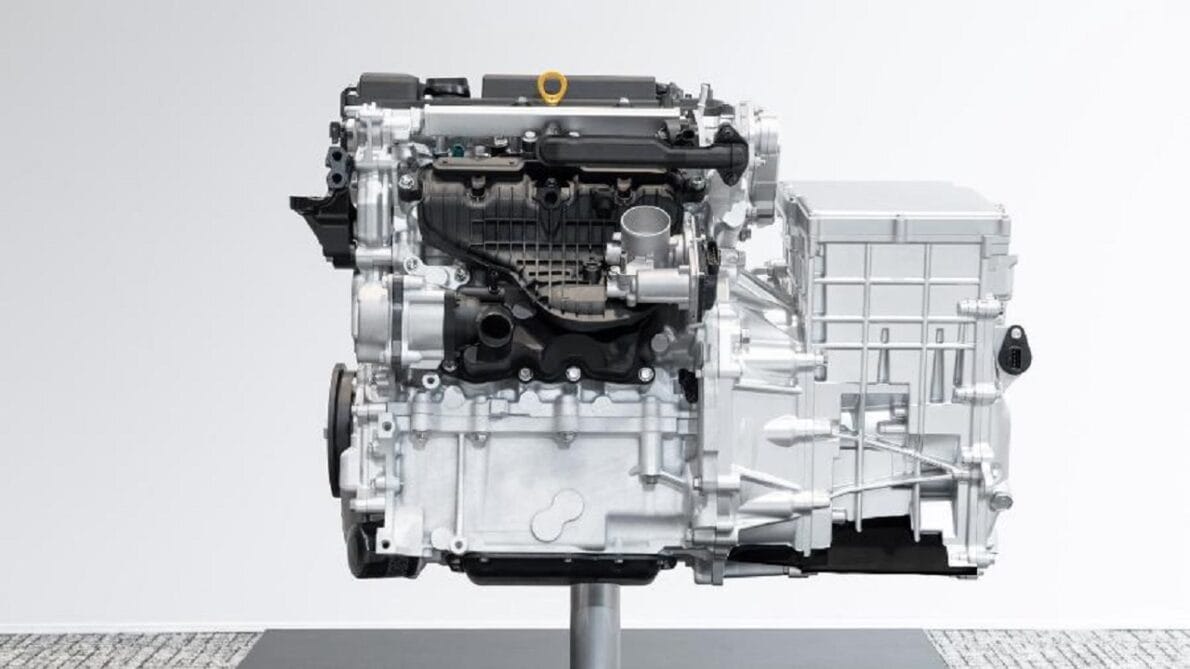


New Toyota Engine Promises to Bring Combustion Vehicles to the Same Level as Electric Ones. Learn About Toyota’s New Combustion Engine and Its Differentiators for the Automotive Market.
Experts agree that the main advantage of electric cars over traditional vehicles is lower emissions. However, this does not mean that combustion engines are the main villains in this story. The complexity of the environmental debate is deep and multifaceted. With that in mind, Toyota is developing an innovative solution that could transform the automotive market: the arrival of its new combustion engine with twice the efficiency of electric cars.
Understand Toyota’s Initiative
The real villain is pollution. Although engines pollute more than batteries, this is due to their fuel. But what if these engines stopped polluting? It’s an important question, especially considering the moment we are in, where electric vehicles are still not strong in the automotive market. Major brands worldwide are already asking the same questions. Some are putting all their chips on electric vehicles.
However, Toyota, for example, which is one of the leaders in global sales, seems to have not given up on traditional models and is now launching a new combustion engine. The Japanese automaker is working on a new line of combustion engines that promise to be much more efficient than the current ones. According to the company’s technology director, Hiroki Nakajima, the project for Toyota’s new engine could change the rules of the game and put traditional propellers back in the lead of the automotive market.
-
OMODA & JAECOO grows in Europe in 2026 with an integrated strategy of sales, innovation, local production, and technological advancement in the United Kingdom, Italy, and Spain.

-
OMODA & JAECOO expands after-sales service in Brazil with competitive maintenance, a 7-year warranty, and high availability of parts for technological SUVs.

-
OMODA & JAECOO appoints Alessandra Souza as executive marketing director in Brazil and accelerates brand expansion with a focus on innovation, networking, and hybrid portfolio.

-
Jaecoo 7 with super hybrid SHS system exceeds 1,200 km of combined range with a 1.5 turbo engine, high-density battery, and intelligent energy management.


Differential of This New Combustion Engine from Toyota
The first advantage of Toyota’s new engine, according to the automaker itself, is that they are 10 to 20% smaller than current propellers. The size also helps reduce weight and allows vehicles in the automotive market to have a lower hood line, which improves aerodynamics. By combining these two elements, it is possible to achieve incredible fuel savings.
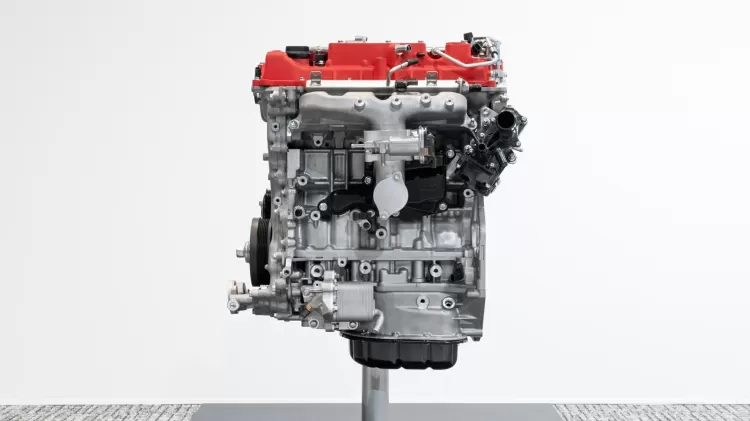
Another change in Toyota’s new engine is the number of cylinders, which will increase from 3 to 4. The big differential, however, is linked to thermal efficiency. This way, more energy will be converted into motion and less will be lost as heat. The Japanese brand has not yet disclosed figures regarding this aspect of the new combustion engine.
What is known so far is that Toyota is working in partnership with competitors Subaru and Mazda and already has three new engine models: 1.5 naturally aspirated, 1.5 turbo, and 2.0 turbo. The idea is for Toyota’s new engine to start equipping vehicles in the automotive market starting in 2027, but testing has already begun.
Brand Comments on the Arrival of Its New Combustion Engine
Toyota’s initiative does not indicate that the brand has completely abandoned electric vehicles. In a response sent to the press, the brand has already stated that it is working towards the electrification of vehicles. However, the automaker does not make it clear that its priority is electrification, and that it will pursue this goal according to each global market. In Brazil, for example, the company sees ethanol as a safe, sustainable, and viable path.
Its intention is to have at least one electric version of each of its models produced in the country by 2025. However, it understands that the sale of hybrid or electric vehicles varies according to the infrastructure and demand of each market.
Its commitment is to decarbonization, after all, the enemy is carbon and not the combustion engine. The company also stated that it believes in Brazil’s potential to stand out in decarbonization, especially with ethanol, boosting not only sustainability but also social and economic progress.










Bem, os motores a combustão eles desenvolvem dióxido de carbono a china desenvolveu um que não poluí, mas tem resíduos tóxicos em caso de acidentes de trânsito ou outros tipos de forma de se fazer manutenção errada ele se torna perigoso para o meio ambiente e a vida humana