





 Portuguese
  English
  Spanish
  4 min of reading
  0 comments


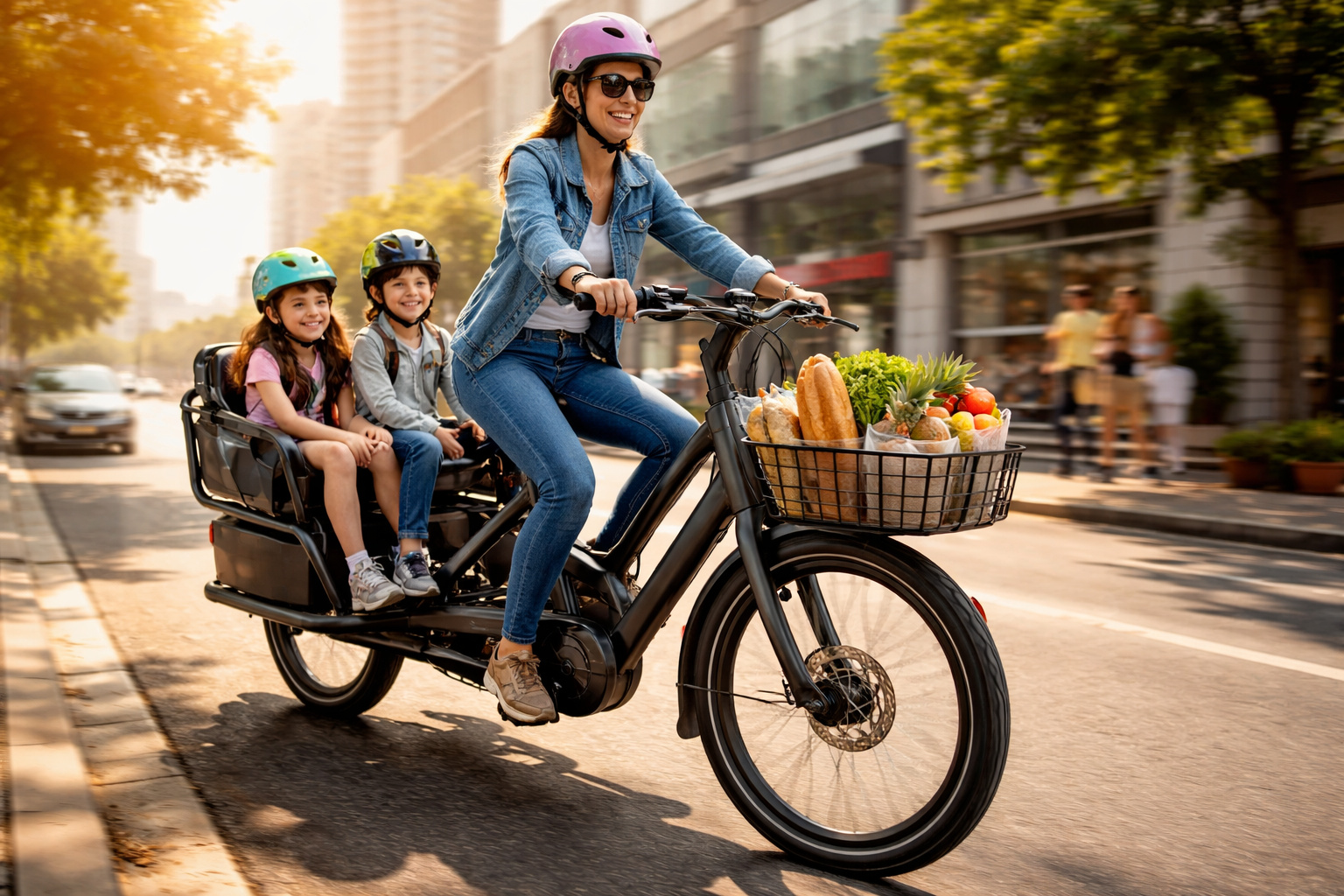
Electric Bicycle Model from Xtracycle Bets on Expanded Structure, Powerful Motor, and Automatic Gear Shift to Allow Parents to Carry Children and Groceries Without Relying on Fuel
Going to the market with two children and returning home without starting the car seemed unfeasible until recently. Now, some families do this every day. The change starts with an electric bicycle that is designed for something bigger than leisure. The proposal is to take on functions that were once exclusive to the car.
The American manufacturer Xtracycle introduced the Swoop ASM, an electric model with an expanded structure that allows for transporting children and groceries with stability. The goal is clear: reduce dependence on the car for daily tasks.
The Weight of Fuel and Traffic Creates Perfect Ground for Families to Rethink Car Use in Cities
The cost of keeping a car running keeps rising. Fuel, insurance, maintenance, and parking put pressure on household budgets.
-
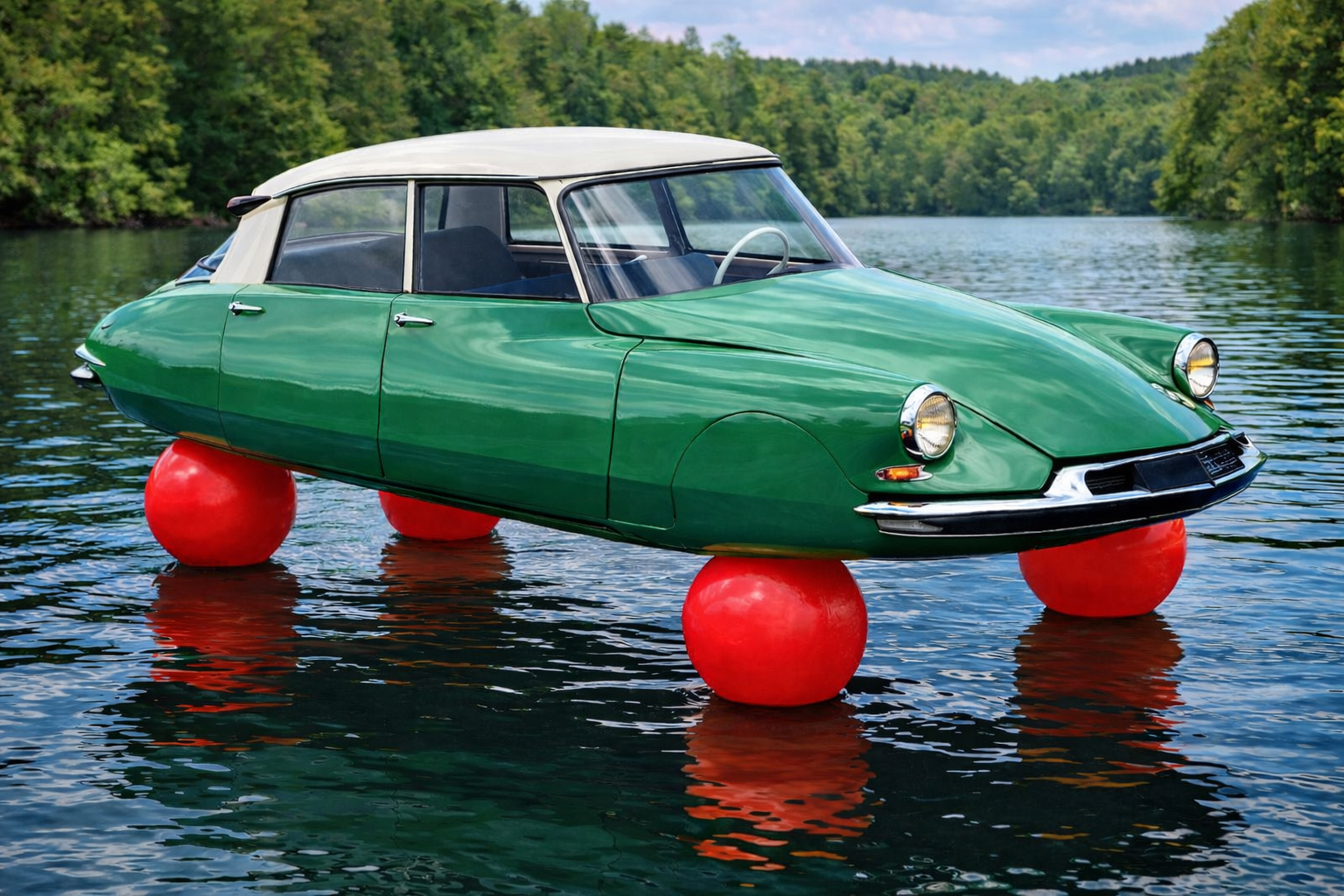
A French brand placed a car on four huge red balloons to prove that its suspension made the vehicle “float,” and the surreal scene became one of the most iconic and unusual images in automotive history.
-
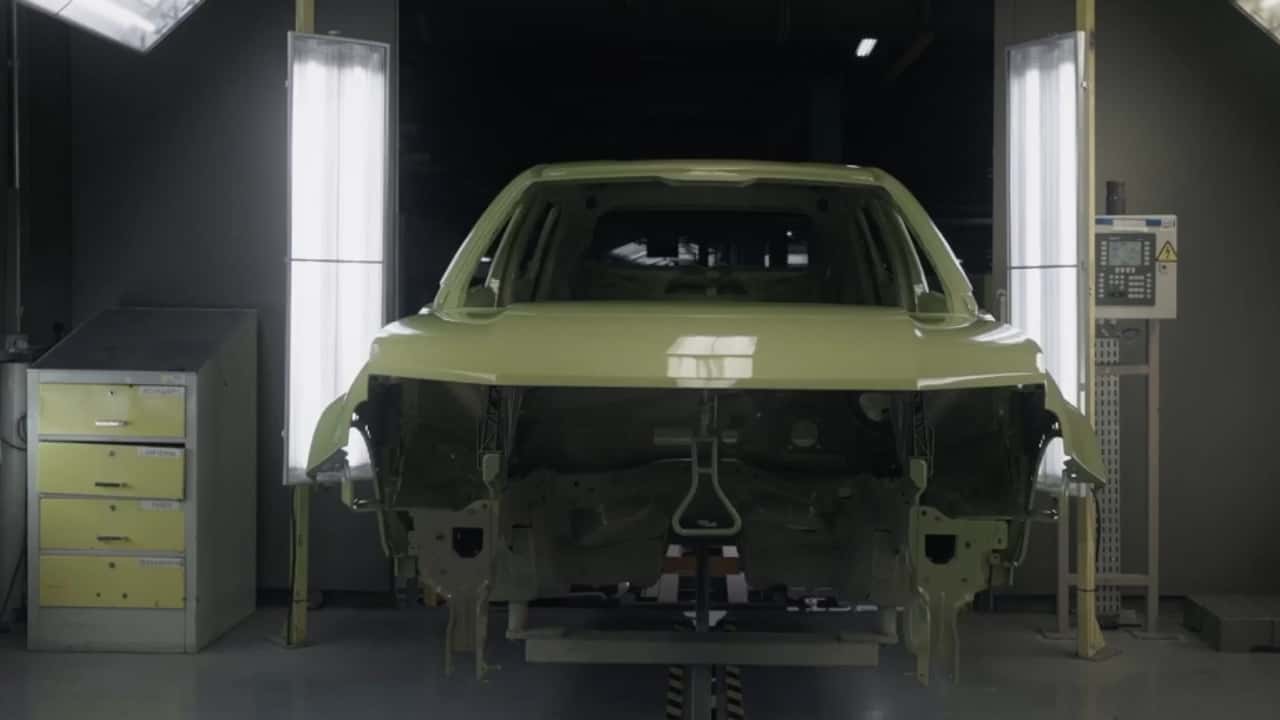
Jeep Avenger begins production in Brazil, debuting as the brand’s new entry-level SUV and inaugurating an unprecedented phase by becoming the first national Jeep manufactured outside of Goiana, as part of a R$ 3 billion plan.
-
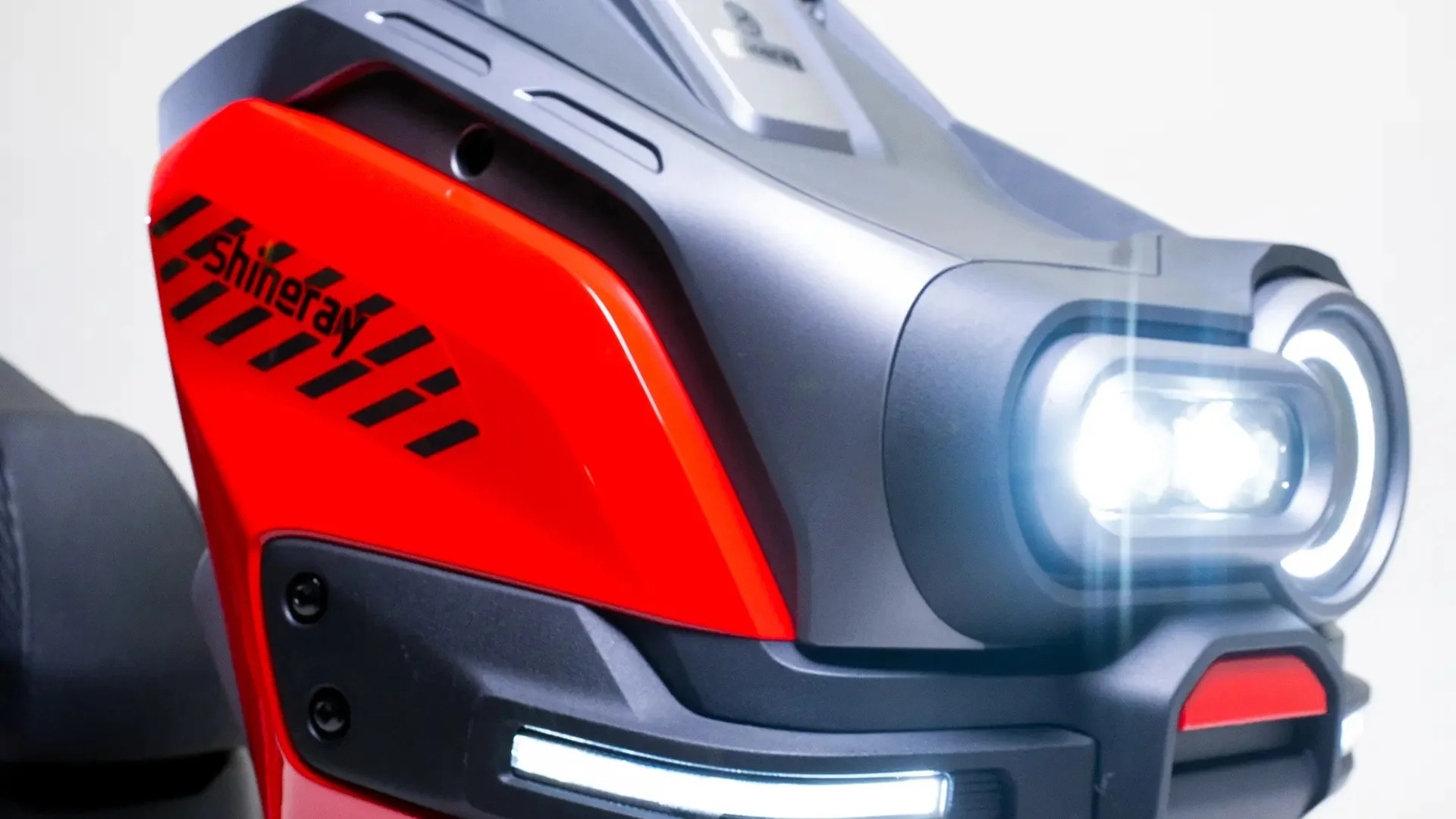
Costing R$ 12,490, the new Shineray Urban Lite 150 “cheap one” arrives in Brazil with a CVT transmission, digital dashboard, and LED lights, making it more affordable than the Biz and targeting those who want to abandon the bus.
-
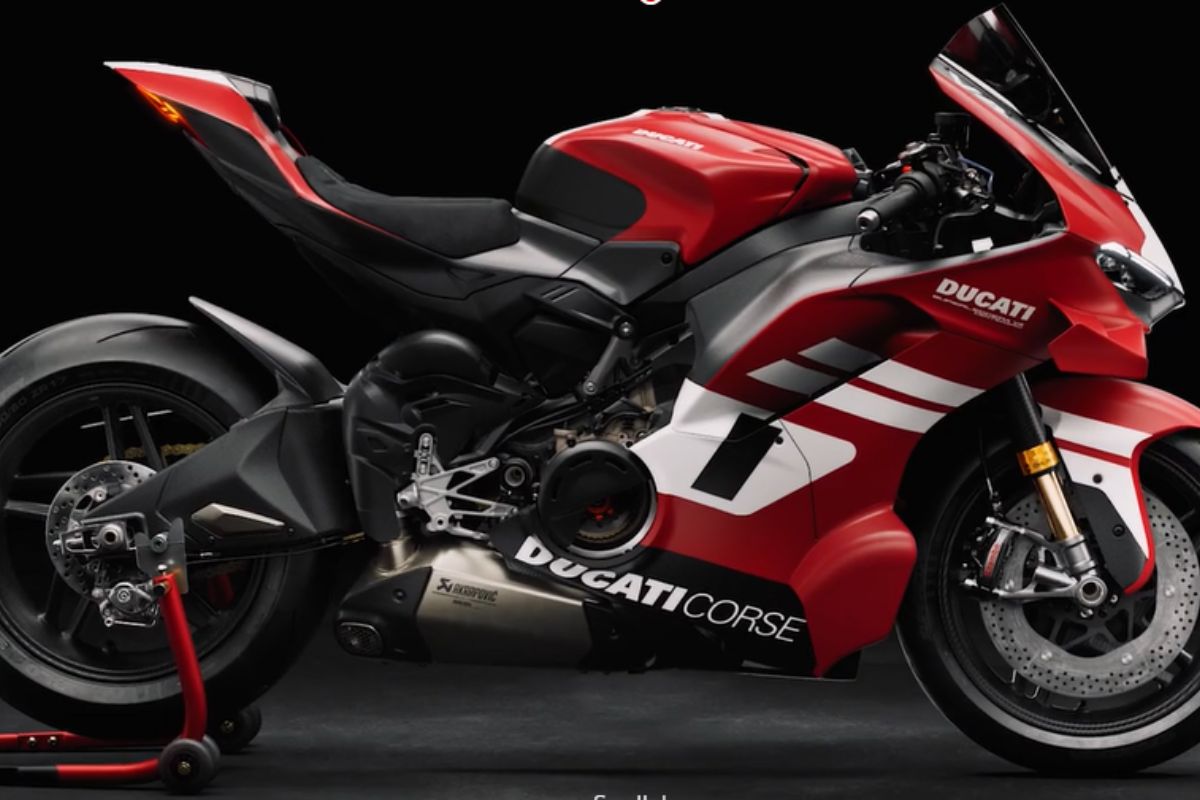
Ducati brings to Brazil the Superleggera V4 Centenario: 228 hp that become 247 with a track kit, carbon fiber and carbon-ceramic brakes, estimated price between R$ 1.5 and 2 million, deliveries only in 2027.
At the same time, traffic in large cities turns short drives into long waits. It is in this scenario that the electric bicycle starts to gain ground.
According to estimates from the mobility sector, a large part of daily urban trips involves relatively short distances, ideal for lightweight electric vehicles. For many families, the math starts to not add up when the car is only used to go to the market or take the kids to school.
The promise of this bicycle is simple: to perform these tasks without gasoline and without traffic jams.
What This Electric Bicycle Has to Carry Children and Groceries Without Losing Stability
The difference lies in the expanded rear. The extra space allows for accommodating up to three children or two adults, in addition to bags and backpacks.
The motor installed in the central area helps to better distribute weight and makes climbing easier, even with a full load. The gear shift occurs automatically, which reduces effort and simplifies driving.
The manufacturer states that the model has capacity for up to three children in the rear, electric assistance that can reach about 45 kilometers per hour where allowed, estimated range between 48 and 96 kilometers per charge, hydraulic brakes for better control, and front suspension to absorb impacts.

This is not just an urban accessory. The proposal is to withstand intense use in daily life.
The Silent Dispute Between Electric Bicycles and Automobiles for Space in Cities
Every family that decides to reduce car use alters a broad economic chain. Less fuel consumed means fewer visits to gas stations. Fewer miles driven implies less mechanical wear.
While automakers invest in electric cars, bicycle manufacturers are betting on smaller and more affordable solutions. The difference lies in the scale of energy consumption.
An electric bicycle requires much fewer resources to operate than a car, even though both use electricity. This technical detail, according to experts, can influence how cities organize bike lanes and transportation policies in the coming years.
The confrontation is not declared, but it exists.
The Immediate Impact on the Wallet and the Possible Domino Effect on Urban Mobility
The price announced for the model in the United States is around $4,499. There is no official number provided regarding its arrival in the Brazilian market.
Still, the discussion goes beyond the purchase price. By replacing some of their car trips, families can reduce frequent expenses with fuel and maintenance.
If this trend gains strength, the effects could reach from the automotive industry to urban planning. More electric bicycles on the streets require different infrastructure and could redefine public investment priorities.
The transformation does not happen all at once. It starts with small daily trips, such as going to the market or school.
The attention surrounding this electric bicycle is growing because it touches on a sensitive point: the cost and practicality of maintaining a car for simple tasks. When an alternative manages to fulfill the same function, urban mobility enters a new chapter.
Would you trade part of your driving routine for an electric bicycle designed to carry your family? Share your opinion in the comments.










-

-

-

8 pessoas reagiram a isso.