





 Portuguese
  English
  Spanish
  3 min of reading
  0 comments


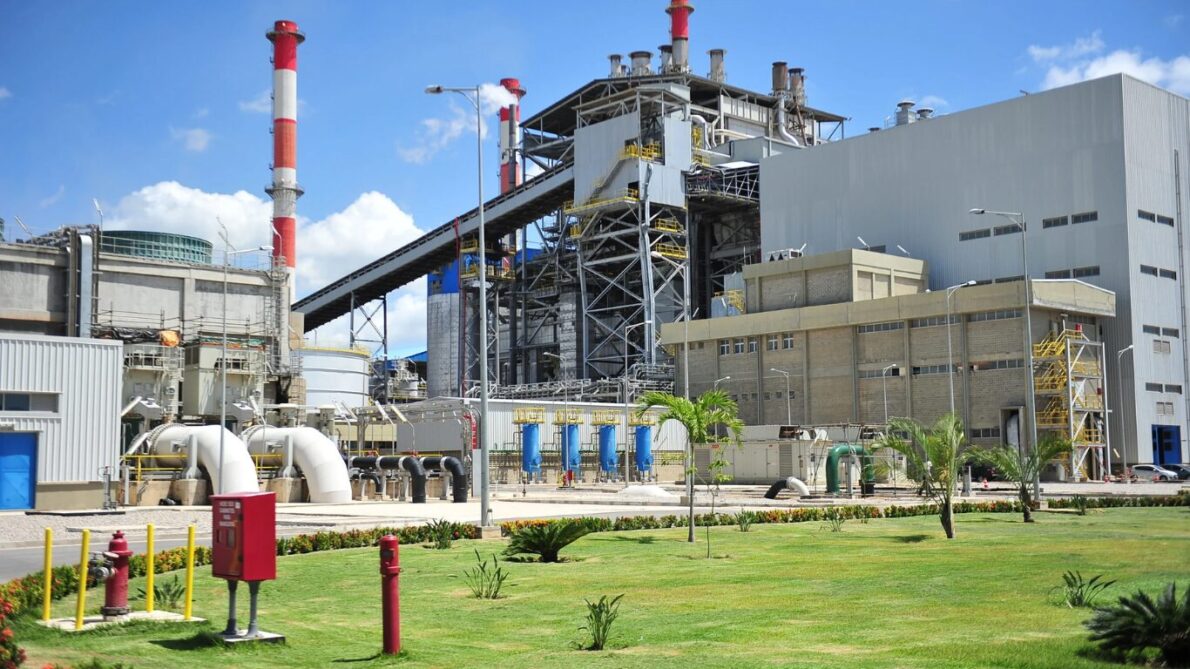
Industrial and Port Complex Prepares for a Green Revolution with Decarbonization and New Technologies
The Pecém I Thermal Power Plant, located in the Pecém Industrial and Port Complex (CIPP), in the Metropolitan Region of Fortaleza, is about to take a significant step towards sustainability. Energia Pecém, responsible for the plant, announced ambitious plans to decarbonize its operations, anticipating investments that can range from R$ 800 million to R$ 4 billion. This project focuses on transitioning from mineral coal to natural gas and, eventually, to Green Hydrogen (H₂V), making the thermal power plant a benchmark in innovation and sustainability in Brazil, according to diariodonordeste.
Energy Transformation Underway
The president of Energia Pecém, Carlos Baldi, explained that the exact amount of the investment will be defined after the capacity reserve auction (LRCAP 2024), scheduled for the end of this year. “We are ready for various configurations, depending on the conditions set in the auction“, Baldi stated. The initial transition to natural gas will be the first step, with the prospect of eventually using Green Hydrogen, which will be produced at the CIPP itself. This transition process may take from six to 36 months, depending on the auction results.
A Careful and Strategic Transition
The decarbonization plan for Pecém I Thermal Power Plant is not just a matter of technology, but also a strategic vision for the future. For Adão Linhares, former Executive Secretary of Energy and Telecommunications of Ceará, this transition is crucial. “Decarbonizing a coal plant is a challenge, but it is a necessary path to ensure the longevity and sustainability of the investment“, Linhares commented. The goal is to keep the asset operational, but in a cleaner and more efficient manner, aligning with global carbon emission reduction targets.
-
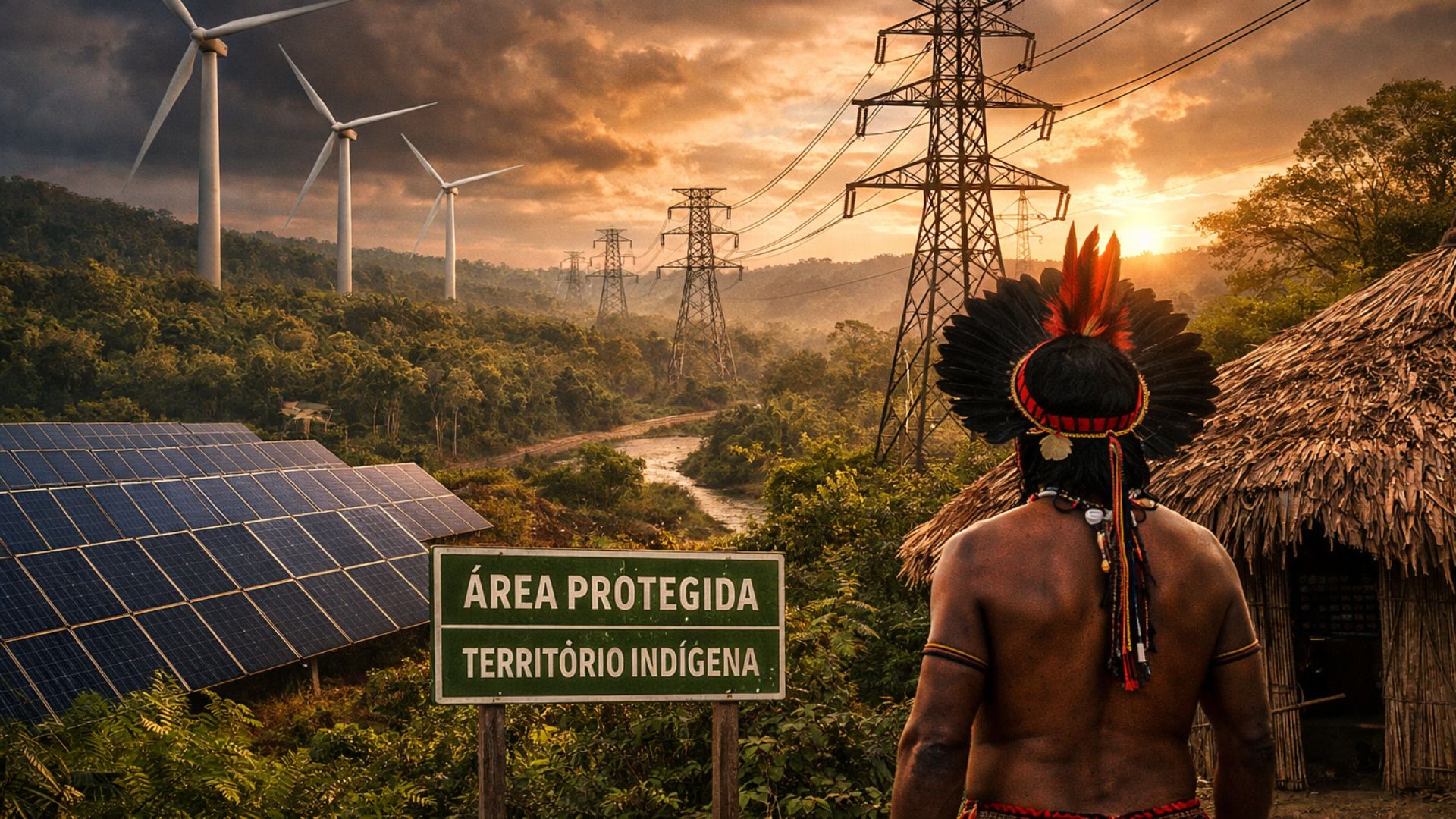
Renewable energy advances over protected areas in Brazil, and a survey by the Energy Transition Observatory reveals silent impacts that challenge environmental conservation and pressure sensitive traditional territories.
-
Rio Grande do Sul accelerates energy transition: State invests in renewable technologies and consolidates decarbonization strategies and pathways to attract billions in new industrial investments.

-
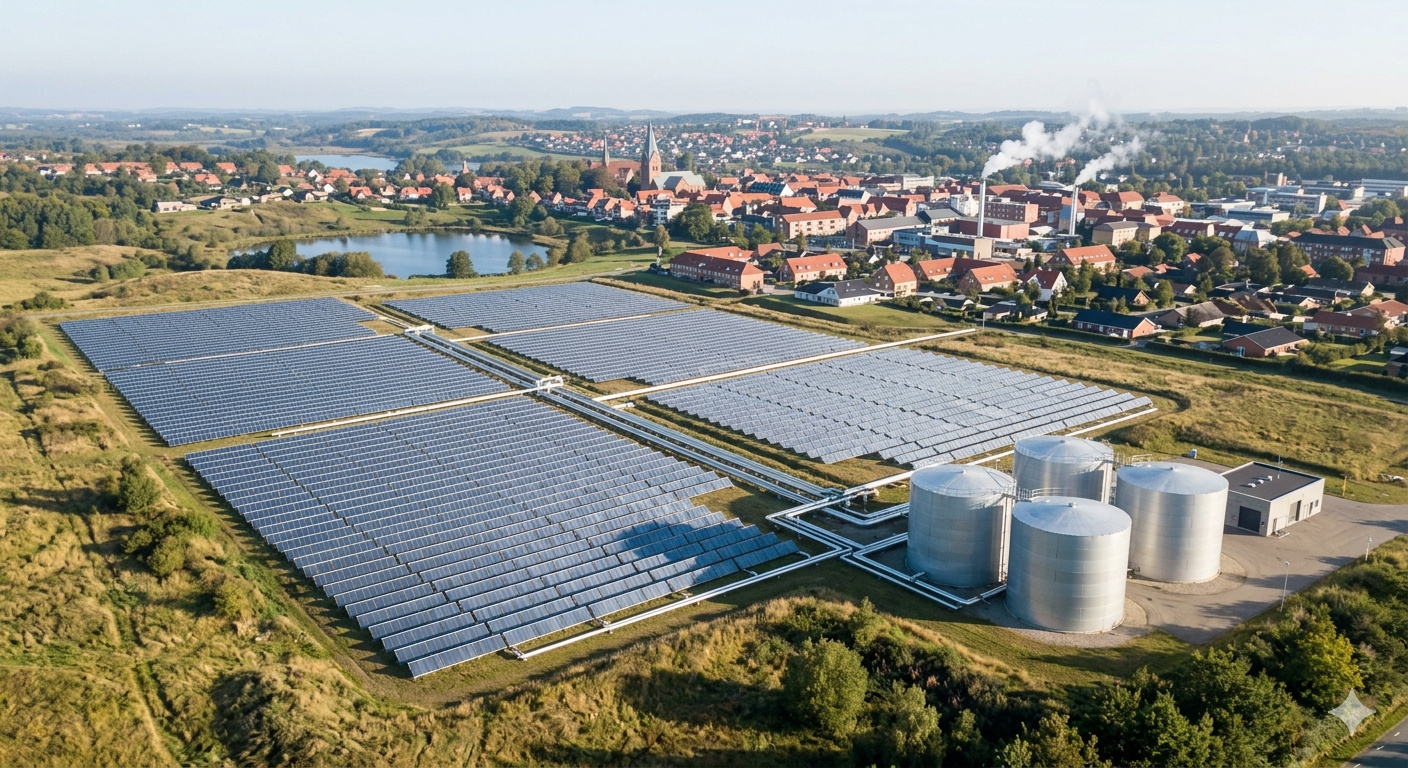
With 160,000 m² of collectors, an area larger than 20 football fields, Silkeborg, in Denmark, hosts a solar thermal plant that heats 19,500 homes and could become the largest solar heating plant in the world.
-
A study reveals the expansion of renewable energy procurement in Brazil and shows how companies are taking advantage of opportunities to reduce expenses, ensure energy efficiency, and strengthen strategic environmental commitments.


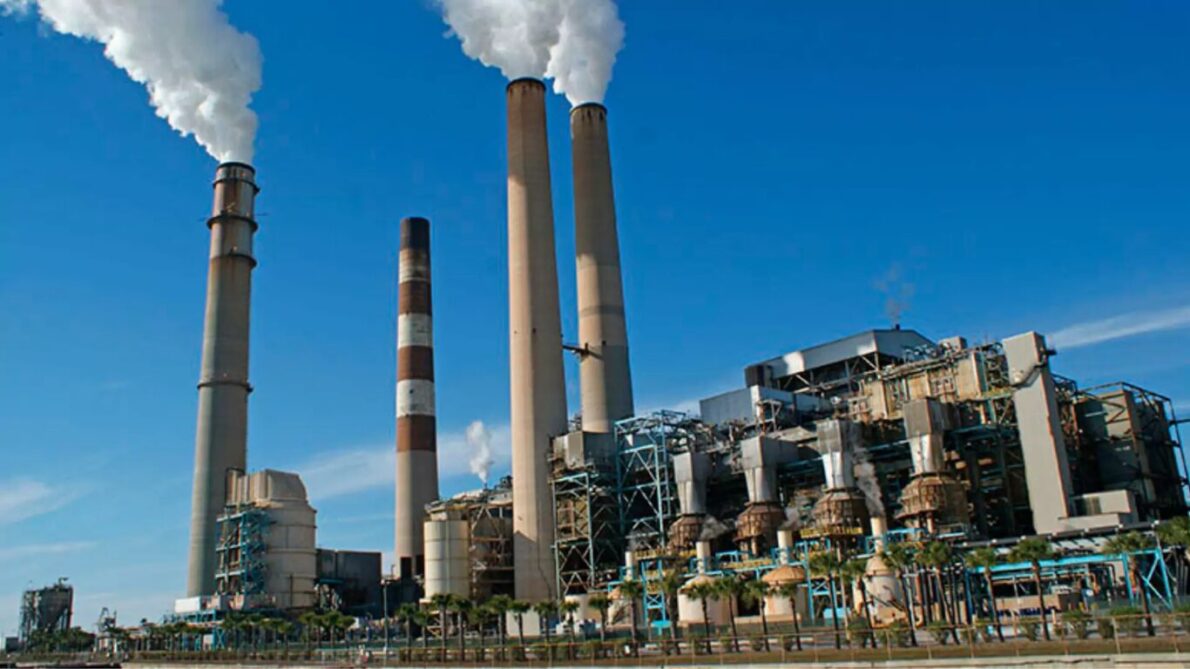
Natural Gas: A Temporary Solution or a Hindrance?
Although natural gas is seen by many as a cleaner alternative to coal, there are those who question this choice. The Clean Energy Coalition, formed by various civil society organizations, warns that the use of natural gas could create a dangerous dependence on a fossil fuel source. According to the coalition, betting on natural gas could delay the transition to renewable energies, undermining efforts to limit global warming to 1.5ºC, as established in the Paris Agreement. Instead, the coalition suggests that wind and solar energy, complemented by biomass-fired thermal plants, would be more sustainable alternatives aligned with long-term goals.
The Future of Energy in Ceará
The energy transition of Pecém I Thermal Power Plant is an important milestone for Ceará, which is already positioning itself as a strategic hub in the development of renewable energies, especially with Green Hydrogen. With the support of the state government and significant investments, the plant not only modernizes its operations but also contributes to strengthening the local economy and environmental preservation. This initiative places Ceará at the forefront of the energy transition in Brazil, signaling a greener and more sustainable future for the region and the country.








Seja o primeiro a reagir!