





 Portuguese
  English
  Spanish
  2 min of reading
  7 comments


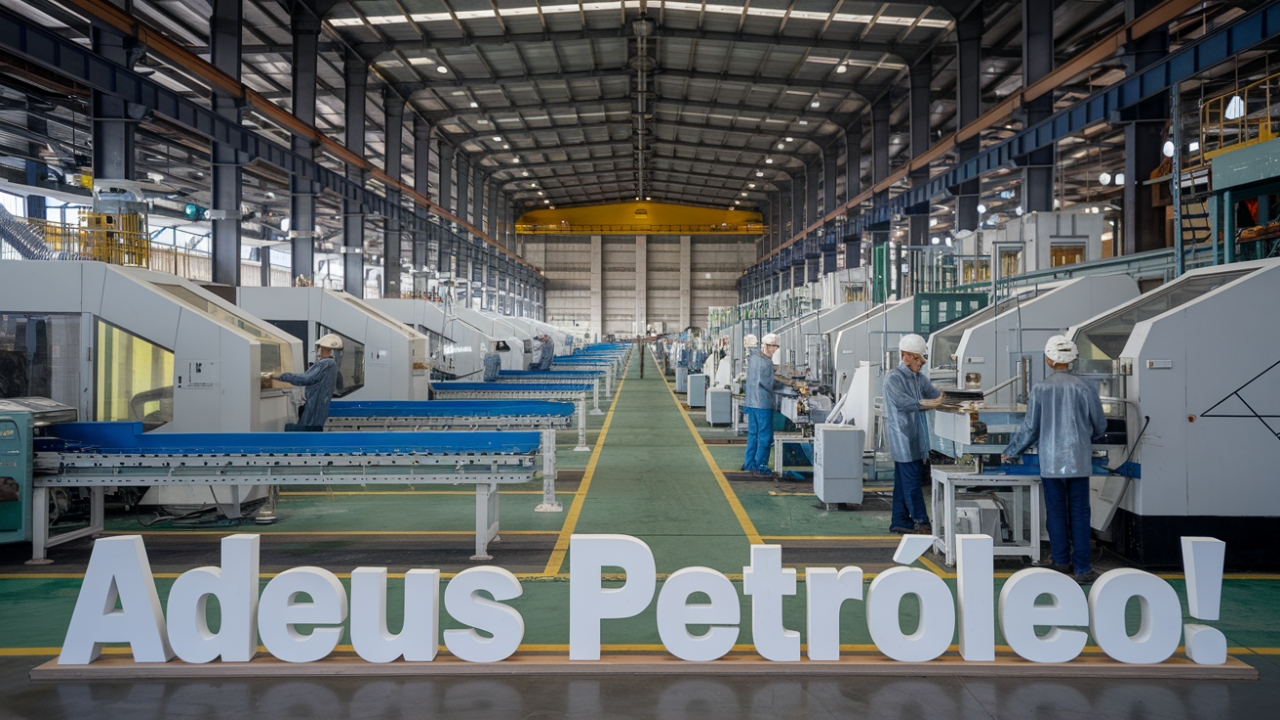


A New Revolution Is On The Way In The Rubber Sector. The Future Of Natural Rubber Production Without Oil Or Carbon Is Closer Than Ever!
Forget oil and rubber tree extraction: a French innovation could change the world with a natural, carbon-free rubber that promises to save the planet and revolutionize billion-dollar industries! Imagine a sustainable solution that not only eliminates dependence on oil, but also removes millions of tons of CO₂ from the atmosphere.
The baCta startup is at the forefront of this transformation, creating a biosynthetic rubber that can rewrite the future of the environment and the global economy. Discover now how this disruptive technology can change everything you know!
The Global Rubber Market Generates US$ 40 Billion (Approximately R$ 223 Billion)
Genetic engineering is the key to this transformation. baCta, founded in January of this year, uses modified bacteria to produce natural rubber in the lab. This process eliminates the need for oil and rubber tree sap. Recently, the company secured € 3.3 million (about R$ 20.1 million) in funding, which will allow for large-scale production expansion. However, the biggest challenge now is to make this technology viable for industrial production.
-
Historic bankruptcy of Centauro shocks the market, and the century-old company puts more than 500,000 products, machines, and complete infrastructure up for online auction.

-
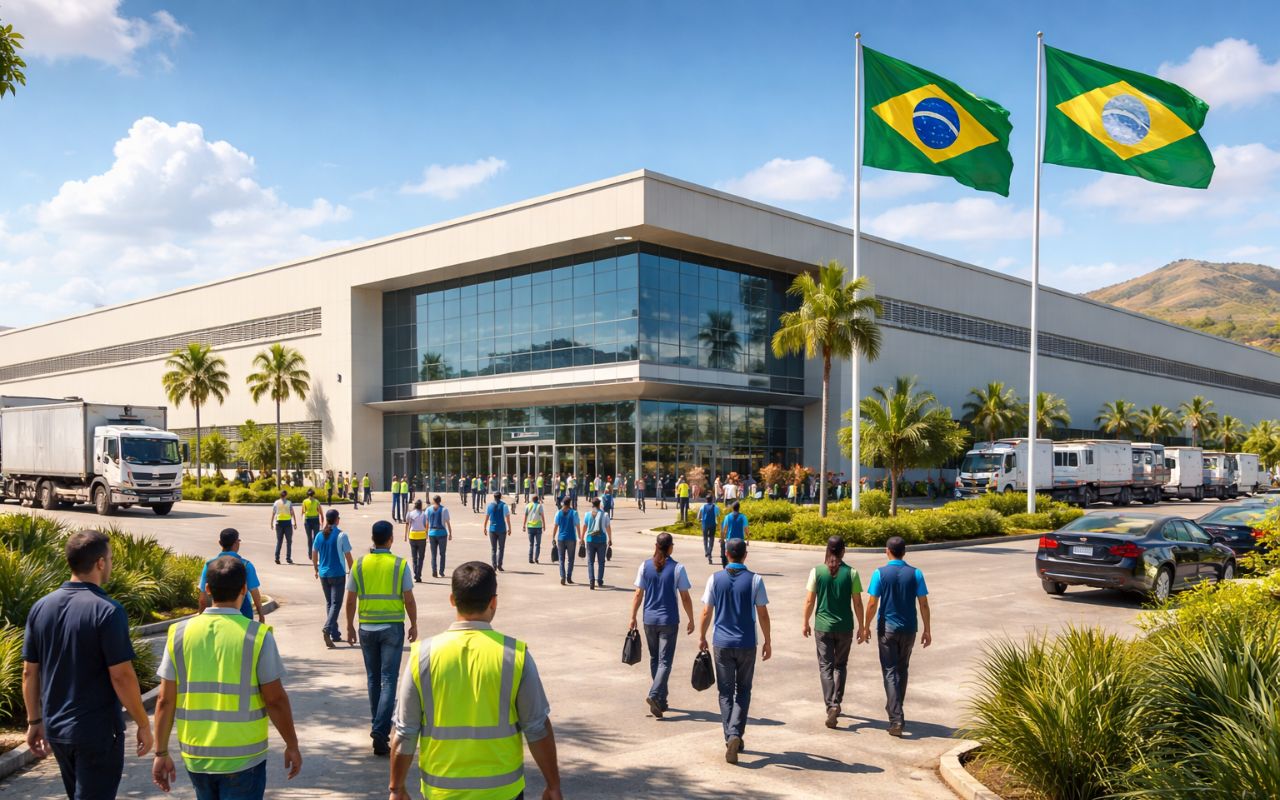
New shoe factory in Ceará is expected to create 400 jobs and strengthen the local economy.
-
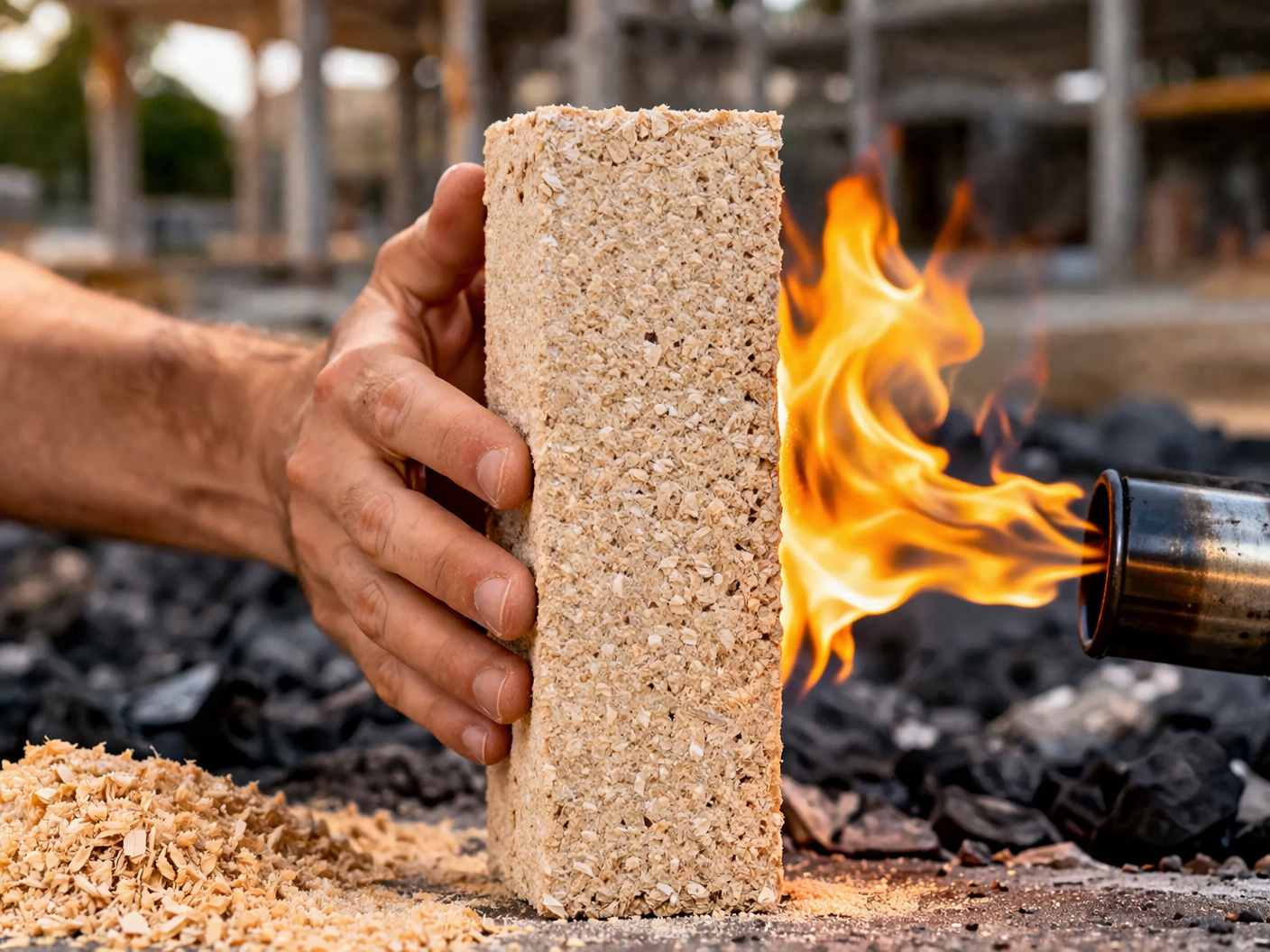
No one imagined it, but a mixture of sawdust with a mineral that fights fires surprises scientists with a result that changes the course of fire-resistant construction.
-
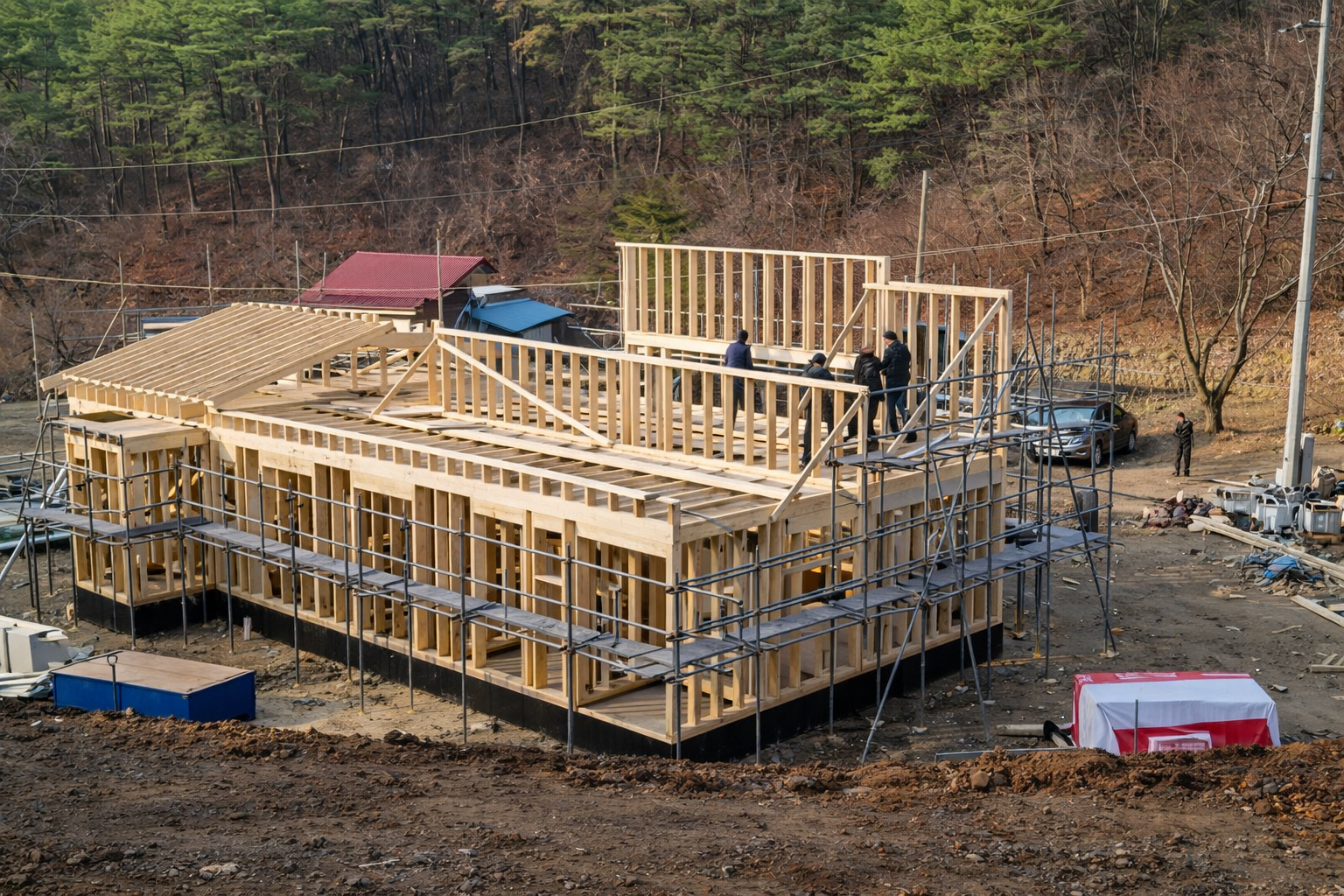
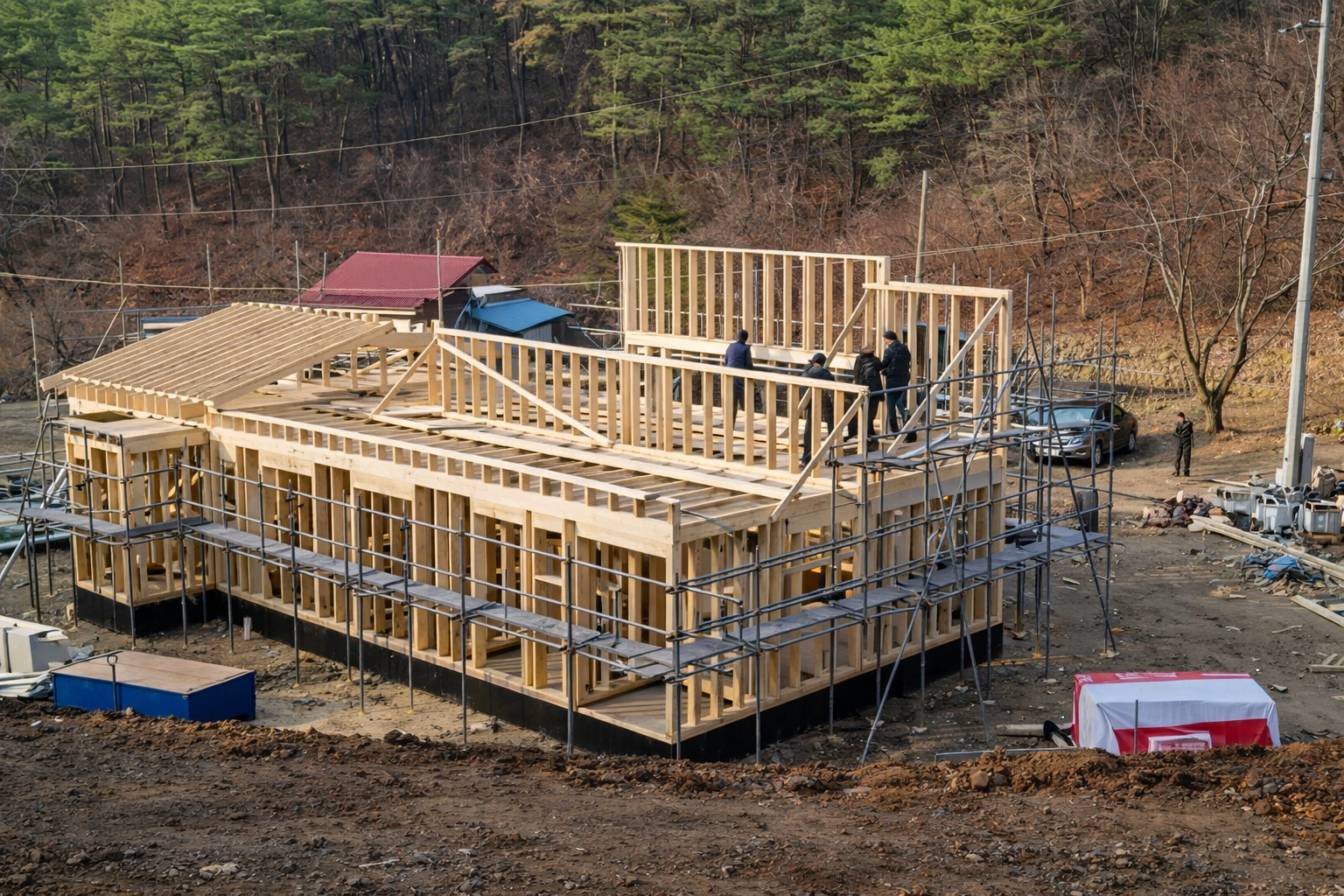
From empty land to a high-end house, wooden construction uses a lightweight system, metal structure for the foundation, ventilated ceramic cladding, and special windows to create an efficient and comfortable living space throughout the year.

Today, global rubber consumption reaches 3.5 kg per person per year. This generates a US$ 40 billion (approximately R$ 223 billion) market, which heavily relies on oil and sap. By replacing it with natural rubber, it would be possible to reduce CO2 emissions by 500 million tons, equivalent to the impact of dozens of countries. baCta believes this change could transform the global market.
The Bold Vision Of baCta: Transforming Microbes Into Programmable Factories And Revolutionizing Oil-Dependent Industries
But how is this rubber made? In laboratories in Paris, genetically modified bacteria are fed glucose. However, tests are also being conducted with acetate and carbon. These microorganisms transform carbon into isoprene, an essential compound for rubber production. This process occurs thanks to enzymes created by artificial intelligence. Then, using a patented technology, isoprene is polymerized and turned into negative carbon rubber.
The funding obtained by baCta will be used to expand the team, integrating scientists and biotechnology specialists. Additionally, the startup wants to create prototypes in partnership with fashion companies and various industrial sectors. The goal? Increase production and offer more eco-friendly alternatives to the world.
“Our ambition goes beyond rubber,” explains Mathieu Nohet, CEO of the startup. According to him, the company wants to use microbes as “programmable molecular factories” to create a platform that produces negative carbon input, such as isoprenoids. This paves the way for a revolution in industries that currently depend heavily on oil.





As mudanças e as investigações que possam melhorarem para a vida do planeta é sempre bem vinda porque da forma que caminha o mundo com desequelibrio ecológico por aumento da temperatura globo e com os derretimentos das geleiras da grandiosa Antartica o planeta caminha,,rapidamente par seu fim e esse fim chegará logo,logo se houver uma guerra atômica que estar muito pero disso.
Acho que essa empresa deveria procurar um outro nome.
Deus abencoe esses cientistas.