





 Portuguese
  English
  Spanish
  3 min of reading
  0 comments


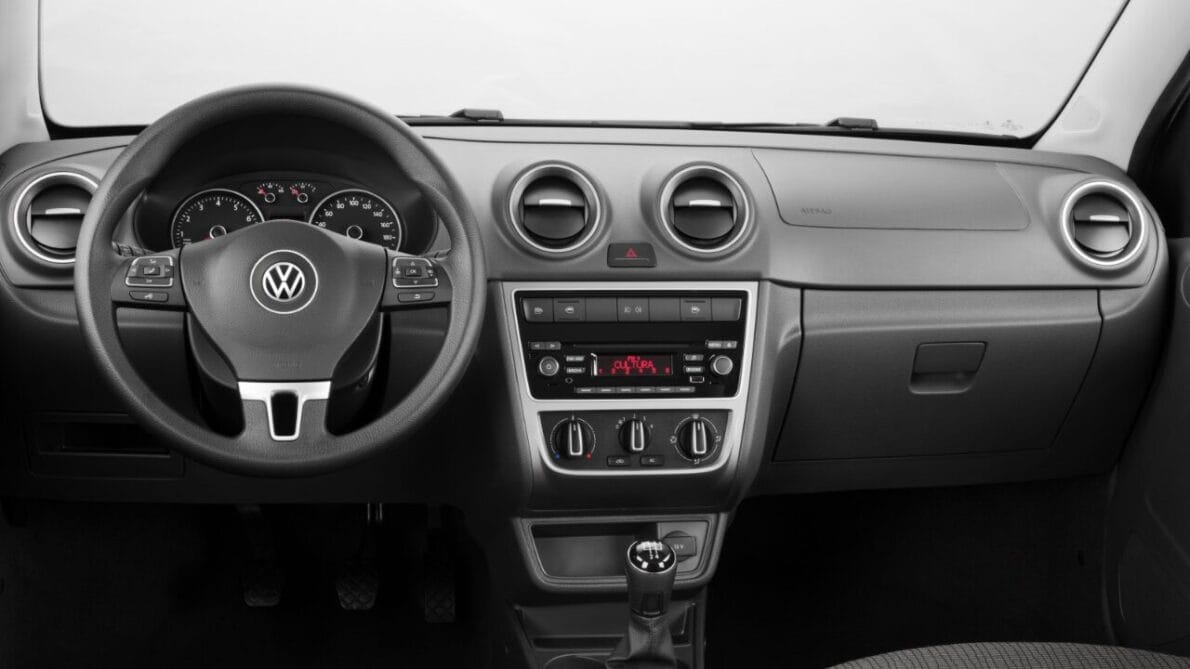
Volkswagen Bets on New Materials and Abandons Hard Plastic in Car Manufacturing After 50 Years of Historical Practice.
The Volkswagen is about to make a historic shift in the manufacturing of its cars. The automaker will abandon the use of hard plastic, a practice that has been in place for over five decades. This decision, which directly impacts the design and quality of Volkswagen cars, aims to address criticisms from consumers and automotive industry experts. In an interview with Top Gear magazine, Volkswagen’s design heads, Andy Mindt and Christian Schreiber, explained that this manufacturing change is part of a strategy to improve the perception of their cars.
Replacement of Plastic in Car Manufacturing
Volkswagen plans to replace hard plastic with simpler materials, such as fabric, in the interiors of its cars.
This practice of using plastic, which began in the manufacturing of vehicles in the 1970s, will be left behind.
-
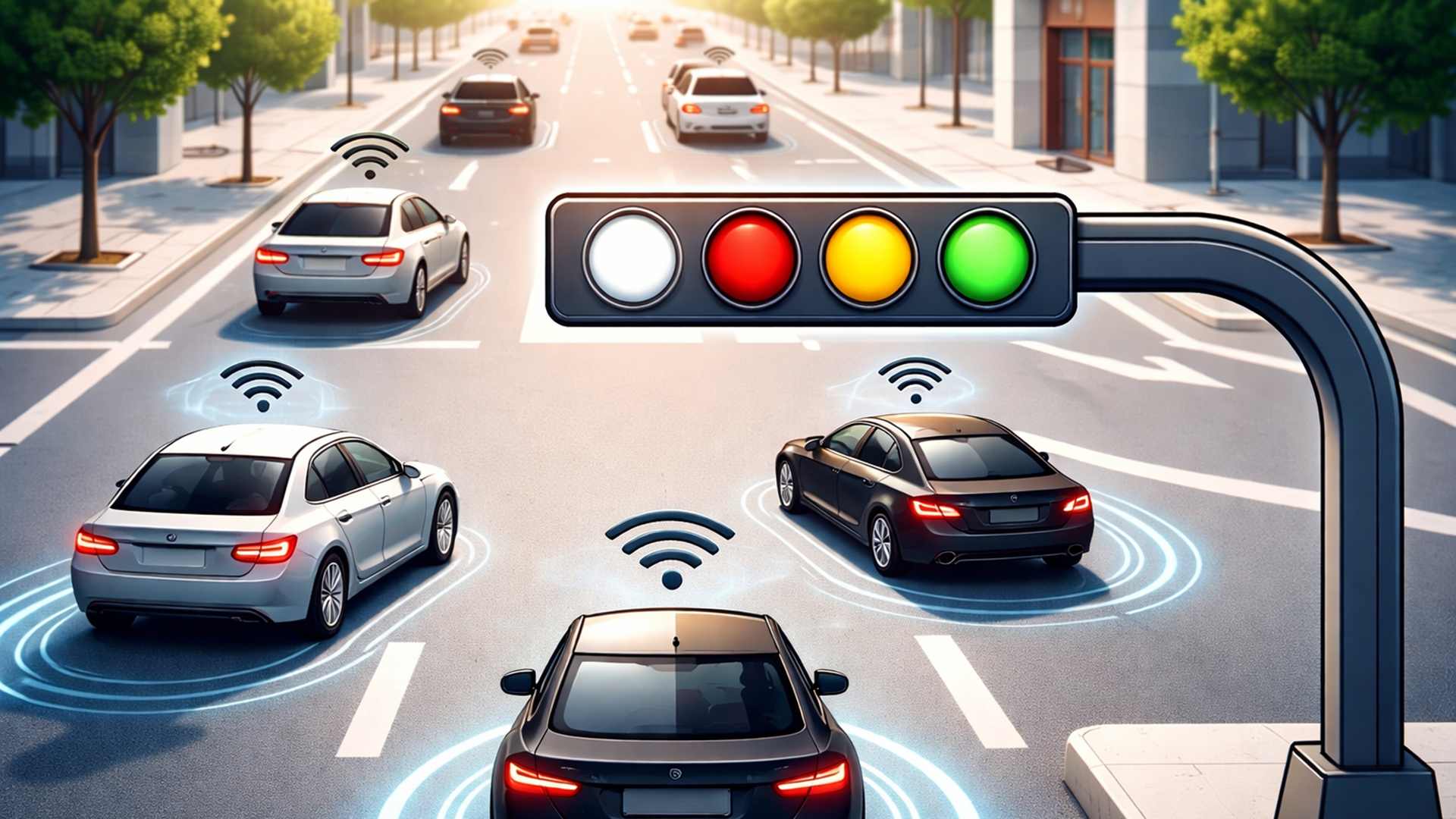
Engineers propose a fourth traffic light for intersections – the change promises to affect crossings, queues, and waiting times.
-
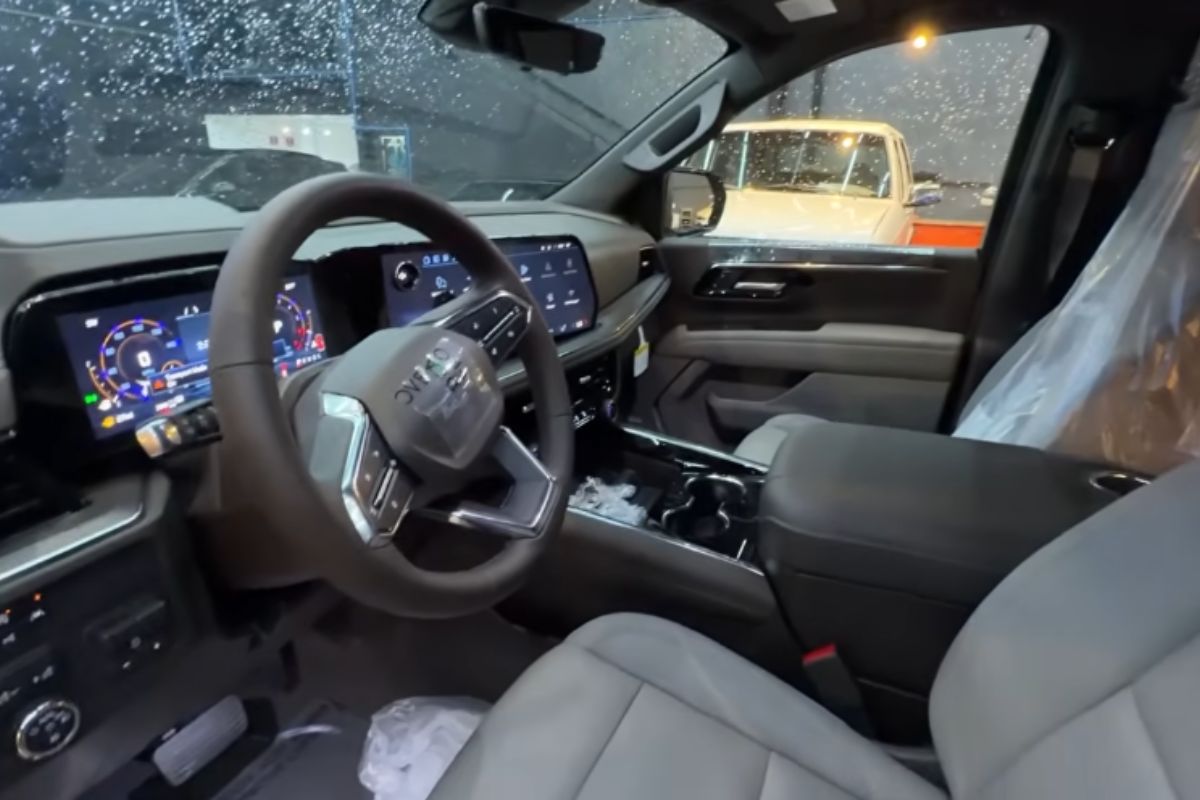
Chevrolet Suburban Z71 lands in Brazil with a V8 engine, off-road design, air suspension, seven seats, and colossal size, a rare version imported for around R$ 1.3 million with luxury and exclusivity.
-
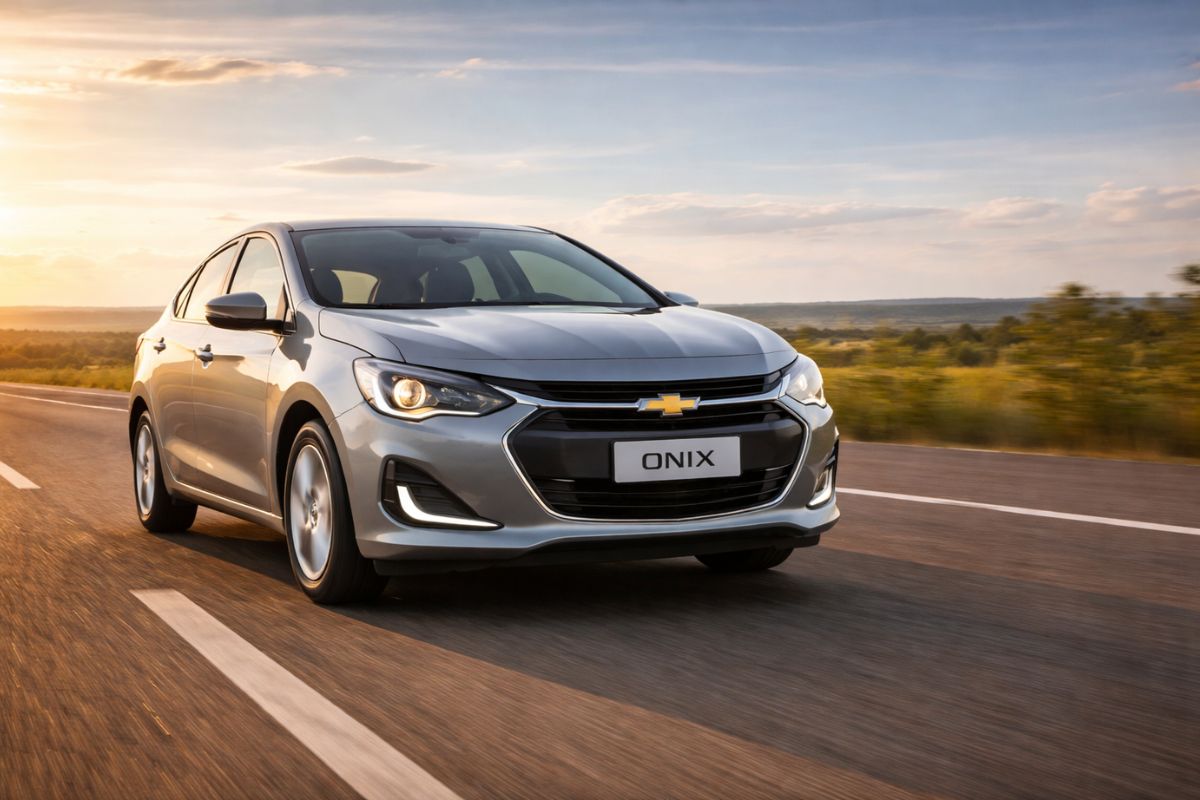
The Chevrolet Onix 1.0 turbo achieves 17.7 km per liter on the highway and ranks among the three most economical cars in Brazil in 2026, alongside two more expensive Toyota hybrids available at dealerships.
-
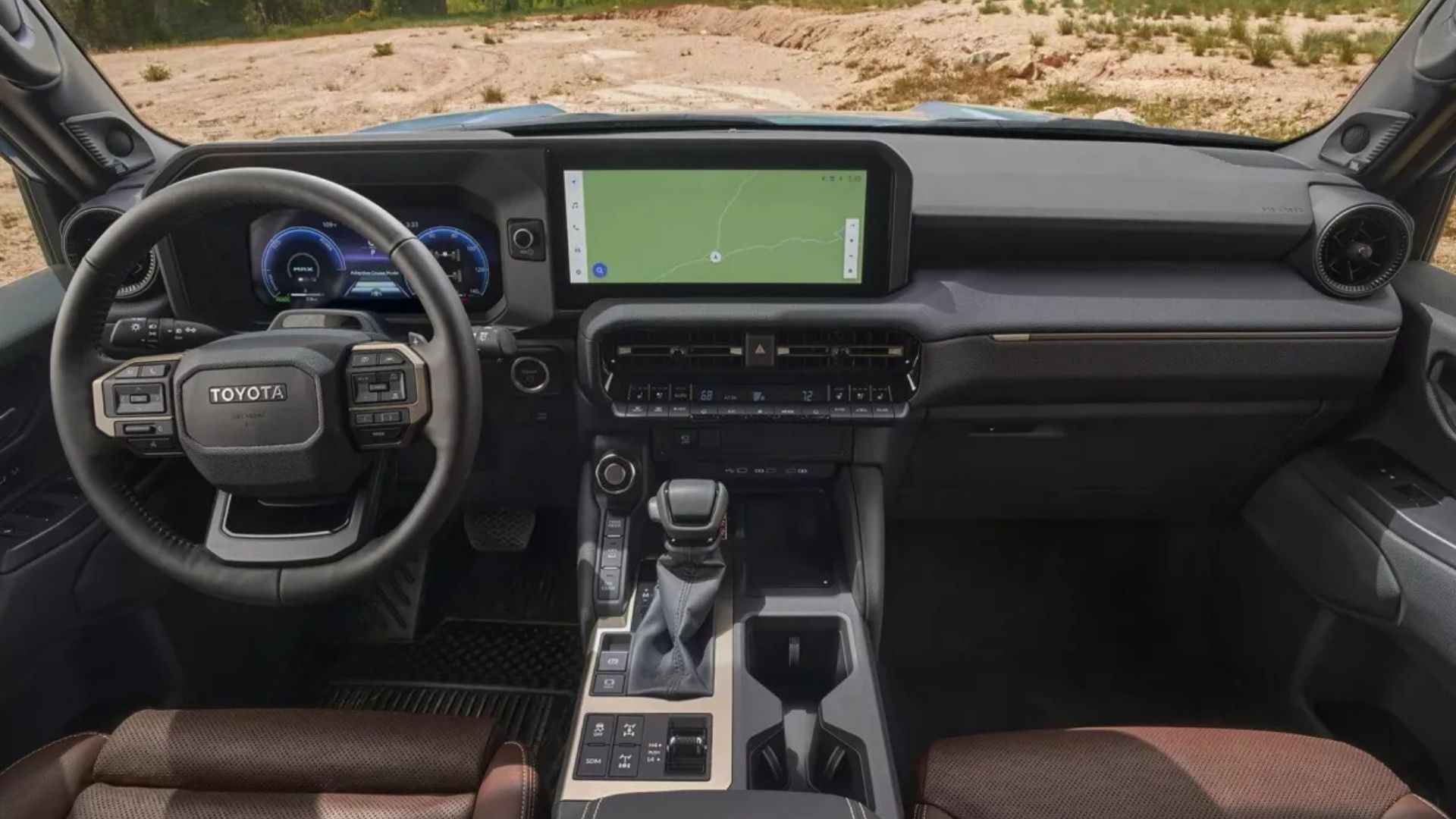
Little sister of the Hilux: Toyota launches Land Cruiser FJ with 4 radical versions, 2.7 engine with 166 hp and 4×4 traction with locking.
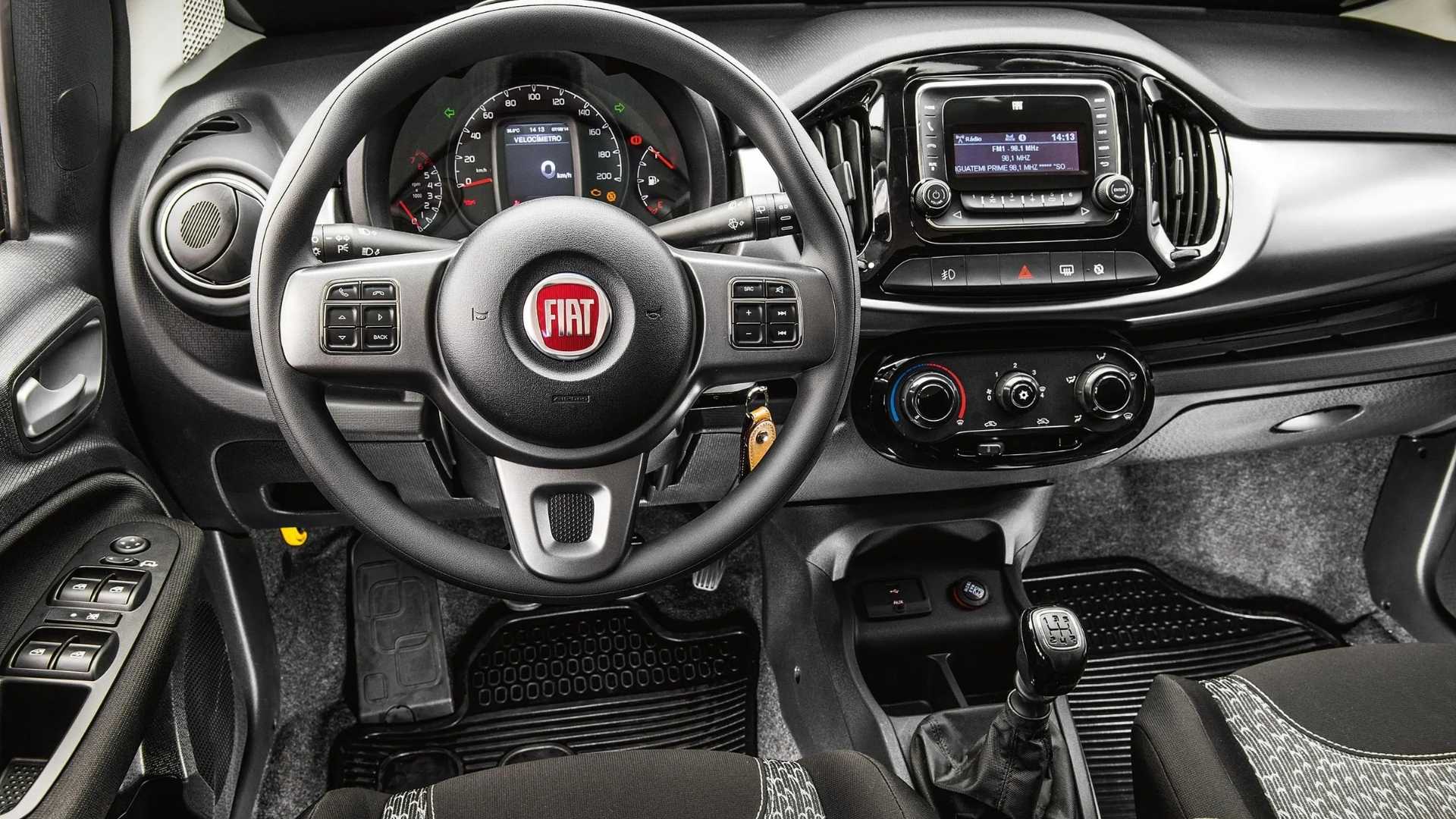
The change aims to improve the car manufacturing process for Volkswagen, making it more efficient.
The use of fabrics instead of plastic in doors and panels is a strategic decision for producing more comfortable and pleasant cars. According to Mindt, a piece of fabric can replace several plastic parts, simplifying the manufacturing process.
Crisis and New Strategies at Volkswagen
This historic decision about ending the use of plastic in Volkswagen’s cars comes at a crucial moment for the automaker.
The company, which has already faced crises such as Dieselgate, is seeking solutions to improve its image and optimize car production.
The end of hard plastic is part of a larger effort to create more sustainable manufacturing.
Additionally, this new manufacturing approach should help the company reduce costs and face global economic challenges.
The Future of Volkswagen
In addition to eliminating plastic from cars, Volkswagen is investing in new materials for the manufacturing of its vehicles.
An example is the study of Cannabis fibers to replace animal-derived materials, promoting more sustainable manufacturing.
Volkswagen is betting on new manufacturing strategies to transform its cars into models of efficiency and innovation.
The ID.2all model already showcases these design changes, demonstrating how Volkswagen is committed to offering high-quality cars with a lower environmental impact.
The change in Volkswagen car manufacturing is not limited to just the vehicle interiors.
The company is committed to adopting a more sustainable approach in all stages of production, seeking to reduce the amount of plastic used in other components and exploring eco-friendly alternatives at every stage of manufacturing.
With this new philosophy, Volkswagen hopes not only to improve car quality but also to align its manufacturing with the demands for sustainability in the automotive sector, ensuring that each vehicle produced is more in tune with the expectations of modern consumers.









Seja o primeiro a reagir!