





 English
  Francês
  Alemão
  Italiano
  Japonês
  Norueguês
  Portuguese
  Spanish
  3 min of reading
  0 comments


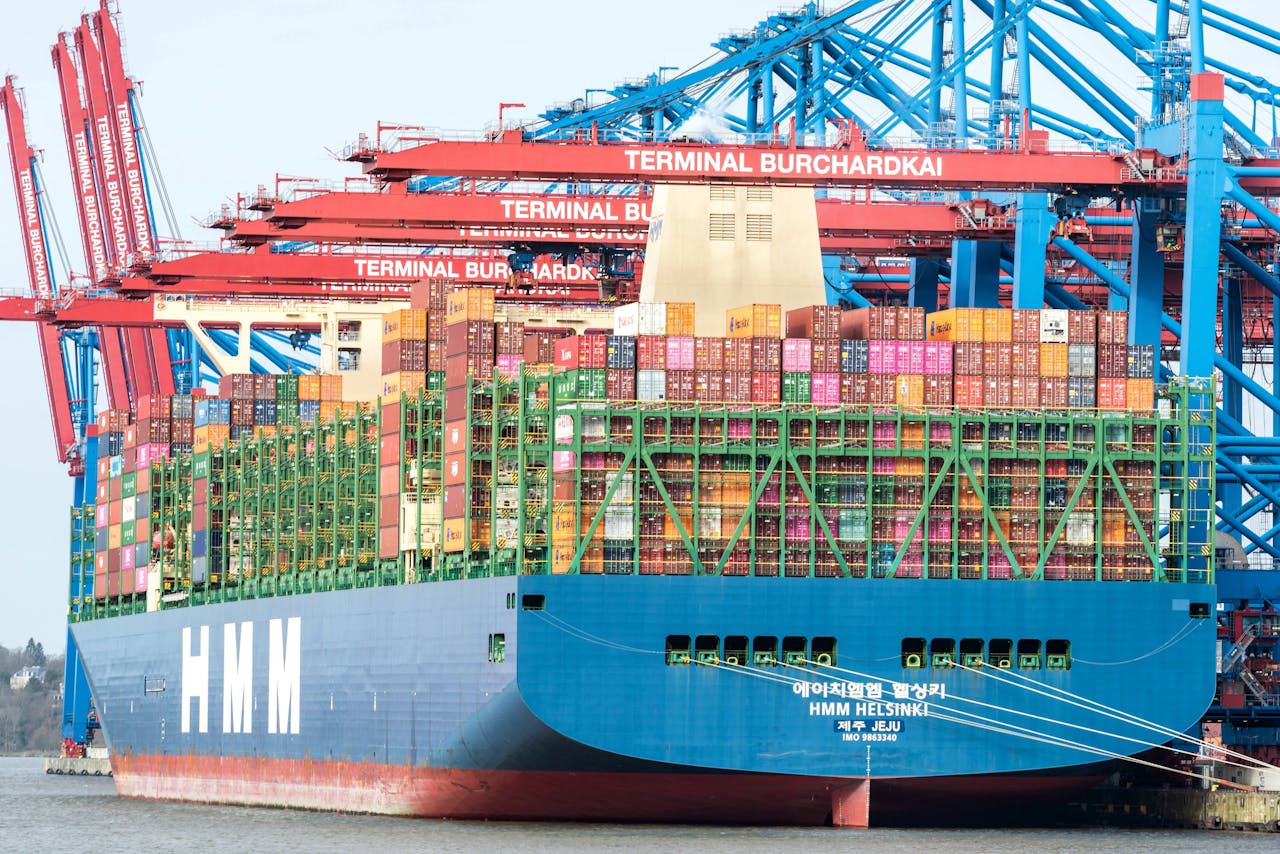
The Advancement of the Movement of Fertilizers and Fertilizers Through the Ports of the North Arc Reflects Strategic Logistical Changes and Greater Integration With Brazilian Agricultural Export Routes
The entry of fertilizers and fertilizers through the North Arc terminals has gained relevance in the Brazilian logistical scenario, following the expansion of routes used to transport corn and soybeans, according to a report published.
Between January and October 2021, 3.54 million tons of these inputs were received in the North region.
In the same period in 2025, the volume reached 7.01 million tons, a result that represents a variation of 98% over four years, according to data presented in the November edition of the Conab Logistics Bulletin, released on November 27.
-
Forgotten region becomes a powerhouse in the heart of Brazil, transforming unproductive lands into fortune and making MATOPIBA the new billion-dollar agricultural empire that almost no one saw being born.
-
With a 775 hp engine, the world’s largest axial combine harvester arrives in Brazil, promising to harvest more in less time with advanced automation and the capacity for platforms up to 61 feet.
-
With 18 million feet, giant farms, and 2.2 million sacks per year, a mining group is building a coffee empire in Brazil with heavy mechanization, giant silos, and exports to various continents.
-
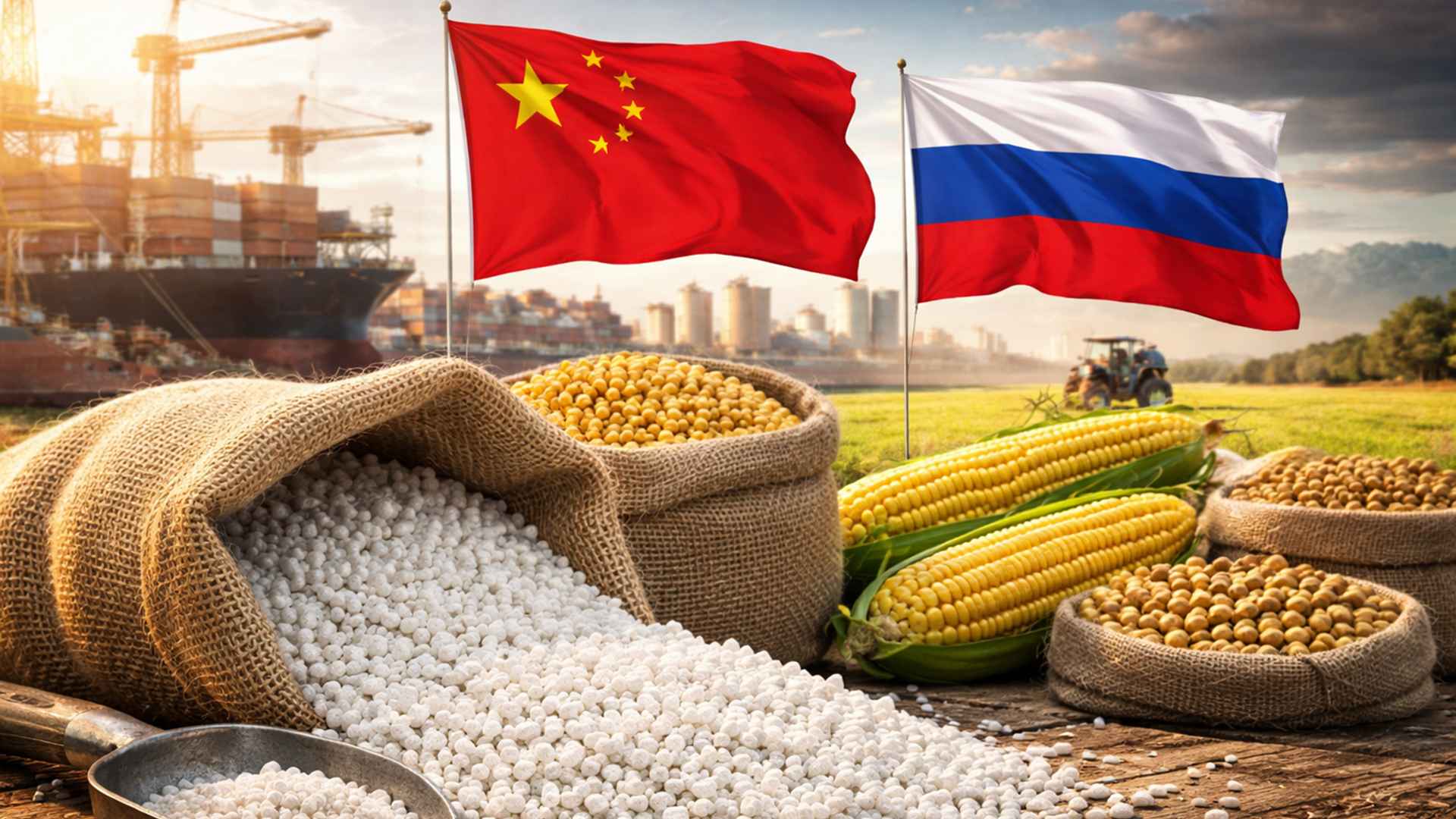
China and Russia suspend fertilizer exports, prices soar, and Brazil is already at real risk of shortages in the fields.

This evolution accompanies transformations in the agribusiness sector and strengthens the connection between producing areas and the logistical alternatives available in the country.
North Arc Ports as a Strategic Route in Agro-Export Logistics
The growth of movement in the North region is related to the role of this route in the grain flow.
According to Conab, the expansion of the so-called return freight has contributed to reducing costs and increasing efficiency in the transport of goods arriving at the ports.
This practice allows ships used to export corn and soybeans to return loaded with inputs, avoiding empty trips.
Although the advancement has been significant, Paranaguá remains the main entry point for these products.
In 2025, the port in Paraná received 9.45 million tons, equivalent to 24.64% of the 38.35 million tons imported by the country.
Agricultural Return Freight Favors the Distribution of Fertilizers and Fertilizers
Even with Paranaguá leading in reception, the North Arc has moved from third to second place in the ranking of input entry since 2021, demonstrating its new importance for producers near the region.
The movement also follows the strength of northern ports in soybean exports.
Between January and October 2025, 37.38 million tons of the grain were shipped, corresponding to 37.2% of the total sold by the country. Itaqui moved 14.7 million tons, while Barcarena shipped 9.17 million.
In the Southeast and South, Santos recorded 32.31 million tons, followed by Paranaguá, with 12.88 million, and Rio Grande, with 7.48 million.
Soybean and Corn Exports Drive Brazilian Port Movement
The same logic applies to corn. The ports of the North Arc accounted for 41.3% of the shipments of the cereal during the period, with Barcarena leading, moving 4.68 million tons.
Next, Itaqui shipped 2.26 million. Santos, in turn, accounted for 33.3% of the national volume, while Paranaguá recorded 11.6%.
These movements help to understand why logistical demand has become increasingly dynamic and distributed among different regions of the country.
In addition to exports, the Logistics Bulletin also highlighted the behavior of freight rates observed in October.
In general, there was a decrease compared to September, reflecting the lower circulation of cargo after the completion of the 2024/25 harvest.
However, when compared to the same period the previous year, prices showed appreciation, influenced by strong demand for corn both in the domestic and external markets.
The growing consumption of the cereal by sectors such as animal feed and biofuels has expanded the circulation of the product.
This expansion directly impacts logistical routes and reinforces the need for integration between the transport of grains and the arrival of fertilizers and fertilizers, which remain essential for agricultural production.
The complete edition of the November/2025 Logistics Bulletin, which gathers information from ten producing states and presents data on exports, flow routes, and imports of fertilizers and fertilizers, is available on the Conab portal.
This material facilitates the monitoring of national movement and reinforces the importance of continuous analyses to understand the advancement of operations in the North Arc.









Seja o primeiro a reagir!