





 Portuguese
  English
  Spanish
  5 min of reading
  6 comments


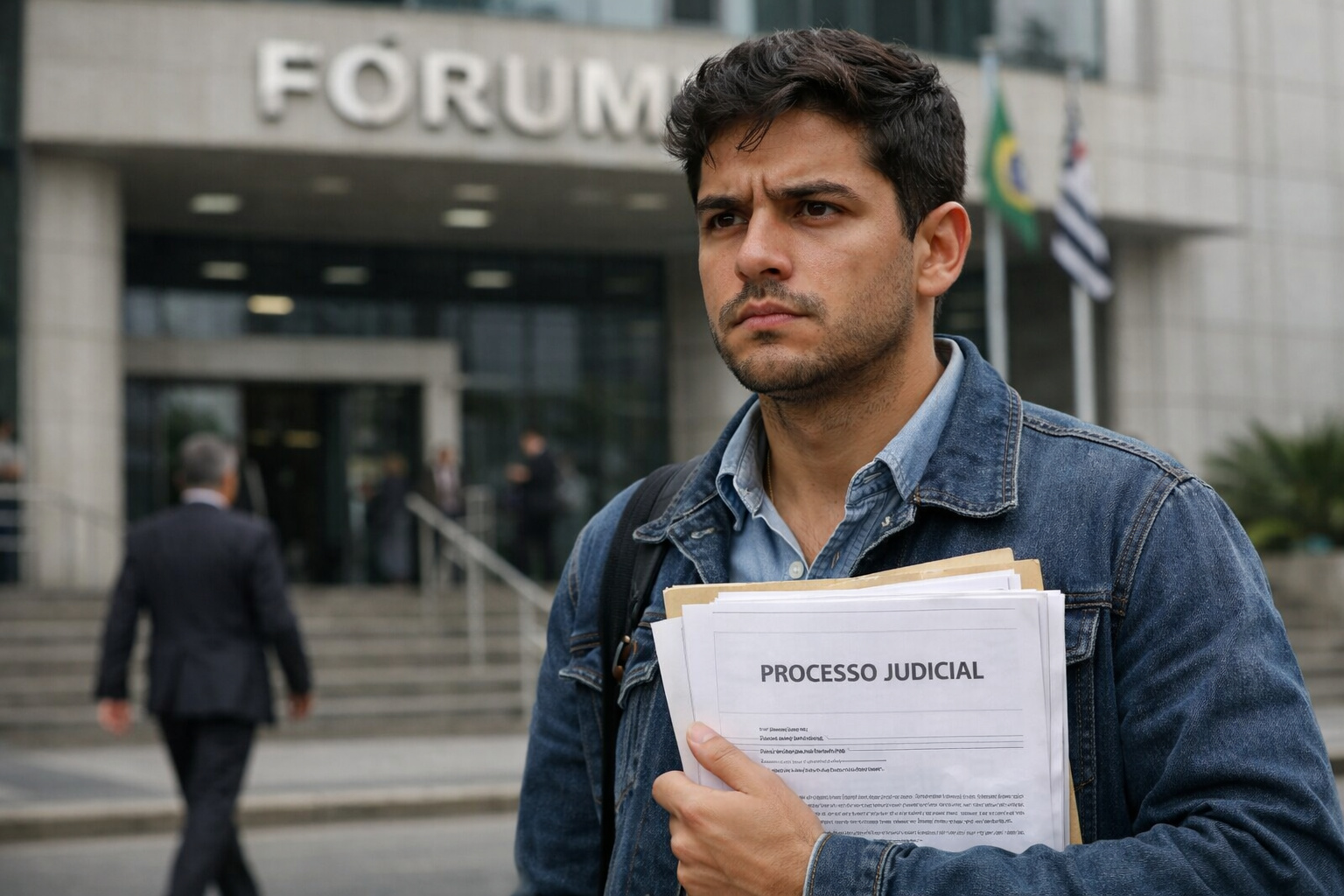


Even After 18 Years Old, The Child Support Obligation Can Remain Valid, Allowing Judicial Collection, Execution With Civil Imprisonment, And Even Claims For Compensation, Depending On The Concrete Situation
A common question among young adults in Brazil is whether, after turning 18, there is still any right to collect child support. After all, can an adult sue their father for not paying child support? The answer, according to Family Law and settled jurisprudence, is yes — and this possibility has a solid legal basis.
This information was disclosed by Reis Advocacia, in an article authored by attorney Dra. Marcela Caselli, based on Brazilian legislation, the Code of Civil Procedure (CPC), and the understanding of the higher courts. According to the content, the legal majority does not automatically extinguish the child support obligation, especially when the child still depends economically on the parent.
Throughout this article, you will understand in which cases an adult child can take their father to court, what legal means of collection exist, when there is a risk of imprisonment, whether it is possible to request compensation for moral or material damages, and why the work of a family law specialist attorney is crucial in these cases.
-
The Senate approves a bill that criminalizes misogyny, hatred, or aversion towards women, and includes the crime in the Racism Law with a penalty of up to 5 years.

-
Chamber Approves Bill That Allows Pepper Spray for Women Over 16 and Imposes Strict Rules for Purchase, Possession, and Use as Self-Defense

-
Chamber Approves Law to Combat Leucaena, Fast-Growing Plant That Dominates Land and Threatens Native Species in Various Regions of the Country

-
Asset Division: Know What Cannot Be Divided in Case of Divorce


When Can An Adult Child Sue Their Father For Not Paying Child Support
First of all, it is essential to understand that reaching legal adulthood at 18 does not automatically terminate the duty to pay child support. On the contrary, the obligation can remain valid in various situations recognized by the Justice system.
This occurs, for example, when the child is still studying, is in professional training, is attending college or technical school, or even when they have a health condition or disability that prevents their financial independence. In these scenarios, economic dependency continues to exist, which legally supports the maintenance of child support.
Furthermore, if the father stopped paying child support even before the child turned 18, those amounts do not disappear. On the contrary, the debt can be collected judicially even after reaching adulthood, respecting the prescription period of up to 5 years for collecting overdue installments.
Thus, whenever there is a valid child support obligation, whether by judicial ruling or homologated agreement, the adult child has the legitimacy to sue the father and demand full payment of what is owed.
What Actions Can Be Proposed And When Can The Father Be Imprisoned
When the father fails to fulfill the child support obligation, the law provides well-defined paths for collection. The most common is the Child Support Enforcement Action, used when there is already a judicial decision or homologated agreement establishing the support amount.
In this type of enforcement, the process can follow two distinct paths. The first is the imprisonment path, provided in Article 528 of the Code of Civil Procedure, which allows for the civil imprisonment of the debtor for up to 3 months, in closed regime, if there is a delay in the payment of up to 3 recent installments. It is important to emphasize that this imprisonment is not punitive, but rather coercive, serving to compel payment.
The second route is the enforcement by garnishment, applied when the debt is older. In this case, there is no imprisonment, but the Judiciary can order garnishment of assets, account freezes, inclusion of the debtor’s name in credit default registries, and other asset measures.
When there is no previous process, the adult child can file a collection action, provided they can demonstrate the child support obligation, including with the support of documentary evidence, testimonials, or even breached verbal agreements.
It is worth noting that imprisonment does not extinguish the debt. Even while imprisoned, the father remains obligated to pay the amounts owed, which continue to be collected judicially.
Rights Of The Adult Child, Possibility Of Compensation, And The Role Of The Attorney
In addition to the right to continue the child support and to retroactively collect overdue amounts, the adult child can also, in specific situations, seek compensation for moral or material damages.
This occurs when the non-payment of child support causes concrete harm, such as compromising health, educational abandonment, inability to afford food, medications, or even psychological harm resulting from emotional neglect associated with support defaults.
Compensation for moral damages can be requested when there is suffering, humiliation, or exposure of the child to degrading situations. Meanwhile, material damages require objective proof of financial loss, such as health expenses, paid courses without assistance, or the need to take out loans to survive.
For these claims to succeed, it is essential to prove the debt, the causal link, and the damages actually suffered. Therefore, the work of a family law specialist attorney is fundamental. This professional will be responsible for structuring the legal strategy, gathering evidence, choosing the most effective path, and countering any maneuvers from the debtor.
According to Reis Advocacia, dozens of similar cases have been handled, successfully achieving retroactive collections, executions with imprisonment, and compensations for material and emotional neglect, always focusing on protecting the dignity of the child.
What The Law Says And How The Adult Child Can Use Justice To Ensure The Payment Of Child Support And Repair Damages
Yes, an adult can sue their father for not paying child support, as long as the child support obligation remains valid. Brazilian legislation is clear in protecting children who still depend economically on their parents, ensuring effective means of collection, including civil imprisonment, garnishment of assets, and, in extreme cases, compensation.
If you are facing this situation, seeking specialized guidance is not just advisable — it is crucial to ensure your rights safely and effectively, according to the attorney.
What do you think about the possibility of an adult child legally pursuing their rights to child support after turning 18, even when the obligation was not fulfilled in the past?









Tá e pai pode cobrar da filha que se recusa a fazer DNA e cobra pensão com 28 anos
Ou seja use camisinha, pois o pai segundo a justiça será eternamente escravo dos filhos, principalmente dessa geração de parasitas ou melhor arrumar uma mulher Trans e não ter filhos.
Vai trabalhar e não depender de ninguém, acho que isso virou um comércio que facilita a vida desse povo que recorre a injustiça brasileira pra tudo.