





 Português
  Inglês
  Espanhol
  3 min de leitura


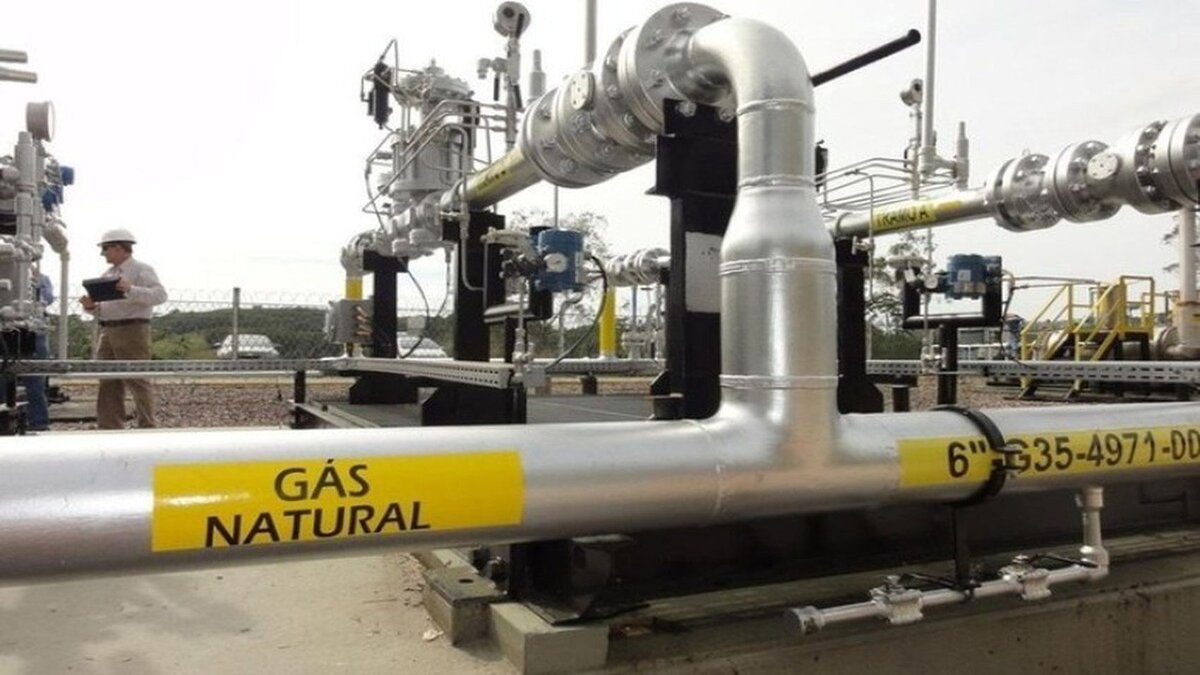
Factors Such As The War Between Russia And Ukraine And The High Commodity Prices In The International Market Will Cause A Strong Reduction In The Demand For Natural Gas Over The Next Few Years, According To Projections From The IEA.
In the midst of a scenario of instability in the international fuel sector, the projections from the International Energy Agency (IEA) on Wednesday, (07/06), for the future of the natural gas market are not very optimistic. This is because the agency predicts that high commodity prices in the international scenario and geopolitical conflicts will cause a significant drop in demand for the product over the next few years, impacting the fuel market.
International Natural Gas Market May Suffer From Decline In Commodity Demand Over The Next Few Years, IEA Projections Indicate
The IEA has negative projections for the fuel segment over the next few years, as the increasingly unstable international scenario suggests that demand for natural gas will decrease significantly. The agency’s research indicates that factors such as the war between Russia and Ukraine, which triggered a supply crisis, and high commodity prices may contribute to an unstable scenario in the coming years.
The data is available in the IEA report, released this past Tuesday, which predicts that global demand for natural gas will increase by 140 billion cubic meters between 2021 and 2025. Although these numbers seem significant and optimistic for the international fuel market, it is less than half of the increase of 370 billion cubic meters observed in the previous five years.
-
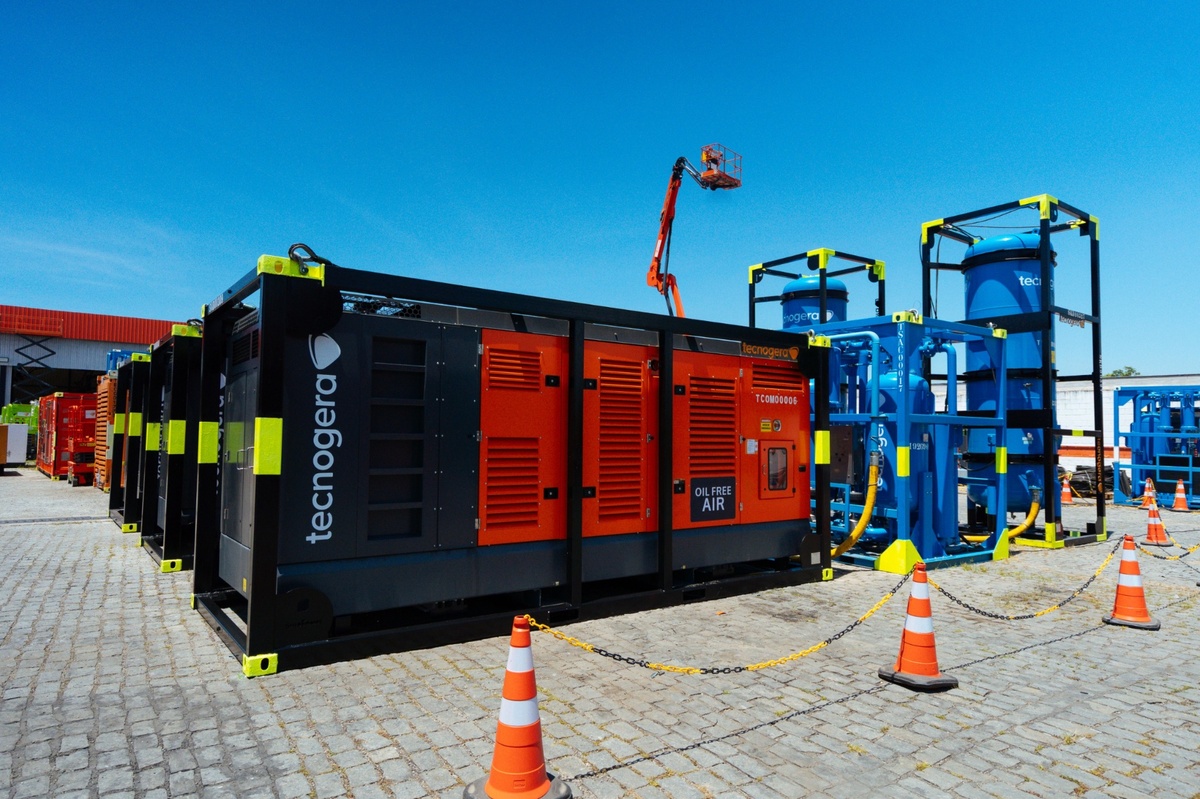
Offshore industrial demand in Macaé skyrockets with the recovery of oil and gas and could grow by up to 396% by 2026 in the Campos Basin.
-
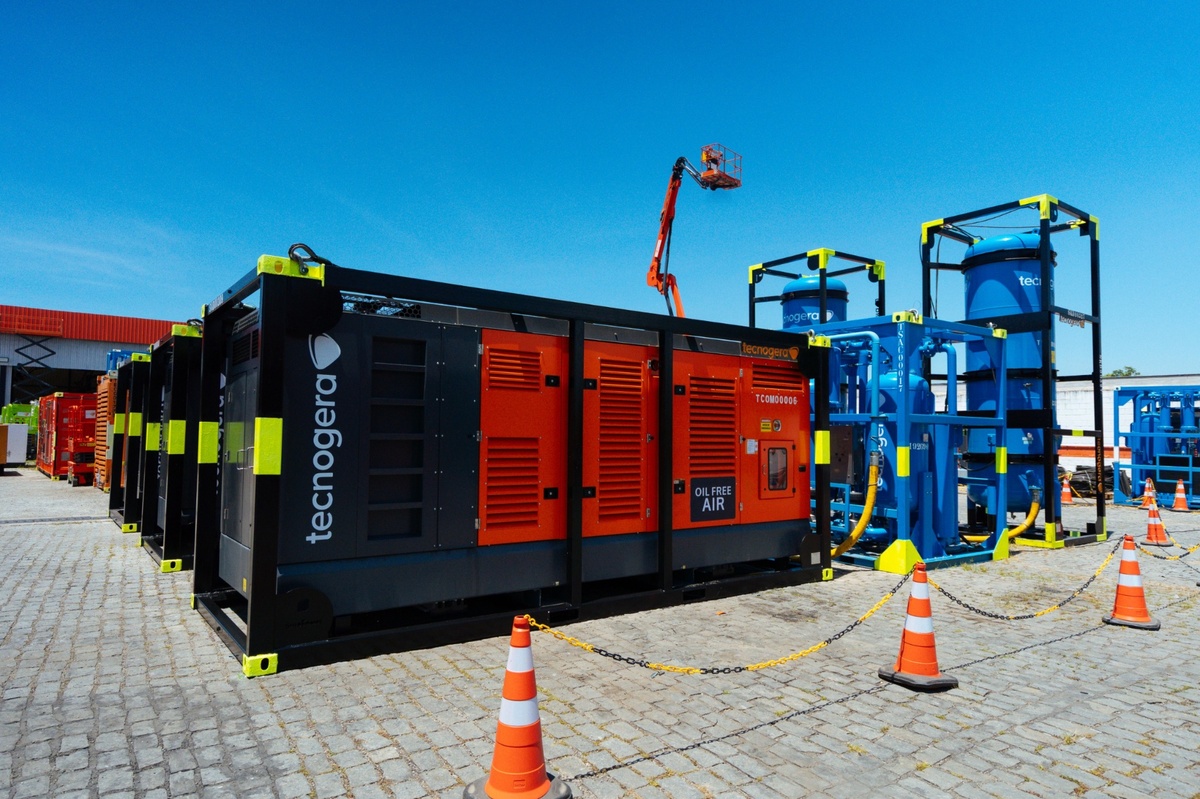
Offshore industrial demand in Macaé surges with the recovery of oil and gas and could grow by up to 396% by 2026 in the Campos Basin.
-
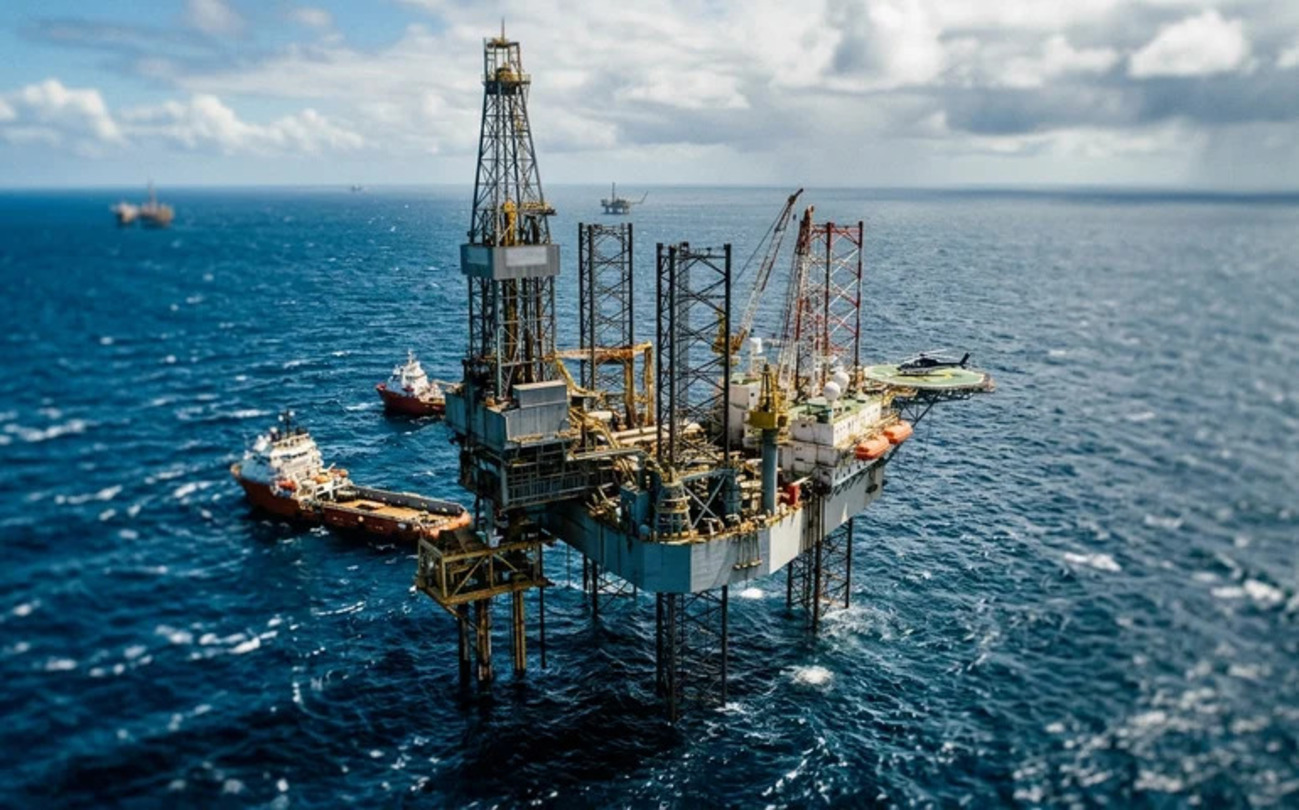
Brazilian giant expands borders in the Southeast: Petrobras confirms new oil discovery in ultra-deep waters in the pre-salt of the Campos Basin.
-
Alert in the global energy market: Severe tropical cyclone hits the coast and disrupts gas production at major plants in Australia, threatening global supply.
Thus, the economies of countries exporting the product will be strongly affected by the decline in demand for the commodity. Additionally, the IEA’s projections also point to increasingly slow economic growth in the world’s major nations, which will contribute to lower demand for natural gas.
Another important point in the analysis is the environmental issue, since, although it is cleaner concerning atmospheric pollution compared to other fuels, the methane released during the extraction process of natural gas is a significant factor in climate change. Therefore, discussions regarding the impacts of this substance on the environment may also contribute to a decrease in demand for the commodity.
War Between Russia And Ukraine Worsened The Scenario Of Rising Natural Gas Prices And Contributed To An Unstable Future In The Commodity Market
The main point analyzed by the IEA regarding the decline in demand for natural gas in the future is the influence of the conflicts between Russia and Ukraine, which erupted at the beginning of the year. This war has been strongly affecting the global supply chain, as ports are imposing restrictions and the movement of goods between the involved countries is becoming less frequent.
Thus, the IEA points out that the efforts of EU countries to break free from Russian gas will lead to a decline in Russian gas pipeline exports to the bloc by 55% to 75%. Therefore, Keisuke Sadamori, the agency’s director of energy markets and security, highlighted the impact of the scenario on natural gas prices and emphasized that the global supply crisis has been causing a strong increase in these values.
The executive concluded: “We are now seeing inevitable price spikes as countries around the world compete for natural gas shipments, but the more sustainable response to today’s global energy crisis is efforts and policies to use energy more efficiently and accelerate clean energy transitions.”










Seja o primeiro a reagir!