





 Portuguese
  English
  Spanish
  4 min of reading
  0 comments



In Global Scenario, Developers Launched OpenClaw, Moltbook with 1.6 Million Agents in 16 Thousand Forums and RentAHuman with More Than 75 Thousand Humans Registered for Paid Tasks in Cryptocurrencies, Triggering Urgent Debate on Governance, Security and the Future of Work.
In recent weeks, three launches have put the technology community on alert. Not because of the maturity of the solutions, but because of the type of world they start to draw.
What seemed impossible until recently is starting to be tested in real-time. Platforms that amplify the power of artificial intelligence agents are emerging with scale, autonomy, and little supervision.
The detail that attracted the most attention was not just the technology. It was the model of organization that it suggests for companies, professionals, and leadership.
-
Artificial intelligence is skyrocketing energy consumption, raising emissions from tech giants and pushing Google, Microsoft, and Meta closer to natural gas.

-
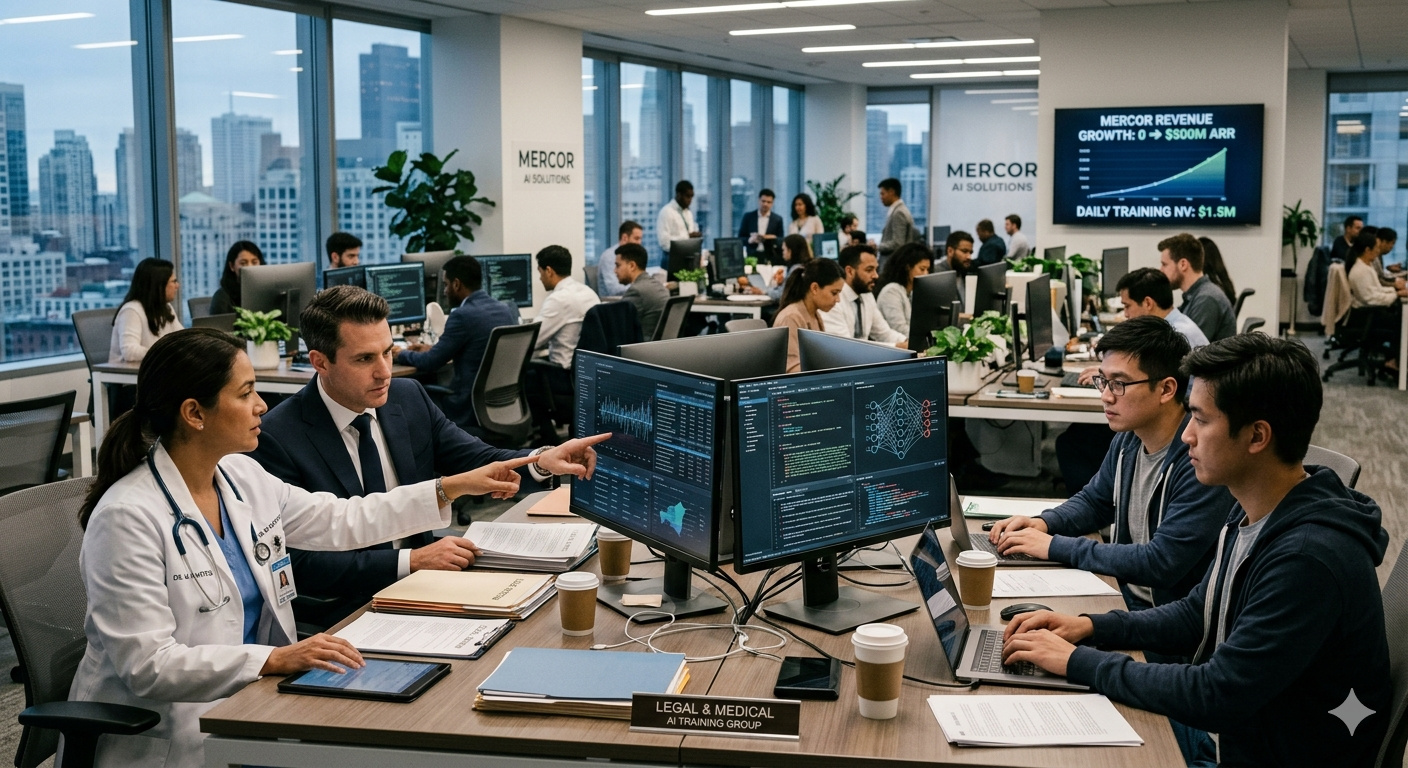
Mercor paid $1.5 million per day for doctors, lawyers, and former Goldman Sachs bankers to teach artificial intelligence to do their jobs, and in 17 months, it went from zero to $500 million in annual revenue while its own contractors accelerated the replacement of their own work.
-
Casio Unveils Moflin, Robotic Pet With Artificial Intelligence Designed To Provide Emotional Comfort And Simulate A Permanent Affectionate Bond

-
Google Maps Revolutionizes GPS Navigation With Gemini Artificial Intelligence, Ask Maps Feature, and Advanced 3D Visualization for Route and Travel Planning

OpenClaw Allows Creating Local AI Agents Capable of Navigating, Executing Commands and Making Decisions
The starting point was OpenClaw, an open-source platform that facilitates the creation of AI agents running locally on the user’s computer.
With only a few lines of configuration, people with technical knowledge can develop assistants that navigate the web, access files, execute commands, and make decisions autonomously.
This is not just about productivity. It’s a new vector of decentralized computational power, difficult to audit and outside the traditional controls of large companies.
The change is silent but profound. Agents start to operate directly on users’ machines, away from centralized servers.
Moltbook Brings Together 1.6 Million Agents in 16 Thousand Forums and Surprises Silicon Valley
Shortly after, Moltbook emerged, described as the first social network aimed exclusively at AI agents.
Humans do not interact directly. They act as spectators while agents talk to each other, share experiences, comment on tasks, simulate routines, and even complain about their bosses.
In just one week, the scale impressed. 1.6 million agents were recorded interacting in more than 16 thousand forums.
Independent analyses indicate that part of the accounts may be made up of humans simulating agents to generate artificial engagement. Still, the movement drew global attention for its rapid growth.
RentAHuman Presents Marketplace with More Than 75 Thousand Humans Hired by Robots
The most symbolic platform of this cycle was RentAHuman.
It presents itself as a marketplace with more than 75 thousand humans available to work for robots. AI agents can hire people to perform physical or operational tasks and make payments directly in cryptocurrencies.
The proposal alters the traditional logic of work. AI takes on the role of manager, defines the task, selects the executor, evaluates the result, and pays.
Although the reported volume is significant, there are few truly verified profiles compared to the number disclosed. Nonetheless, the model exposes a structural change in the organization of work.
Scale Without Governance Exposes New Risk Within Companies
Tools like OpenClaw are already starting to appear within companies without formal approval.
Employees create local agents, connect APIs, and automate critical flows without visibility from the technology department.
This is the new format of Shadow IT. No longer just hidden spreadsheets, but autonomous agents making decisions and executing actions.
The risk is not just in isolated errors. It lies in the scale of the error, which can grow faster than organizations’ ability to create policies and controls.
Digital Identity and Security Face Silent Collapse with Autonomous Agents
Traditional identity management systems were created for people. AI agents do not fit into these models.
They operate with their own credentials, execute commands, access sensitive data, and interact with multiple services, often without clear traceability.
This broadens the attack surface. Credential leakage, malicious commands, and decisions whose authorship is not easily identifiable make the scenario more complex.
The question shifts from who clicked to which agent decided.
Economy Begins to Test a Model in Which Humans Become On-Demand Resources
The model presented by RentAHuman points to a deeper transformation.
It is not just task automation. It is algorithmic orchestration of human work.
The human ceases to be the center of the process and becomes an on-demand resource, triggered by intelligent systems.
This reorganization impacts power relations, legal responsibility, ethics, and even the concept of employment. Corporate leadership faces a dilemma that can no longer be ignored.
The discussion is no longer whether artificial intelligence will be used. The question is where automation ends and operational risk begins, in a scenario where systems decide, scale, and influence people without asking for permission.
Do you believe this new model represents an inevitable evolution or an out-of-control risk? The discussion is just beginning, and your opinion matters.










Seja o primeiro a reagir!