





 Portuguese
  English
  Spanish
  3 min of reading
  0 comments


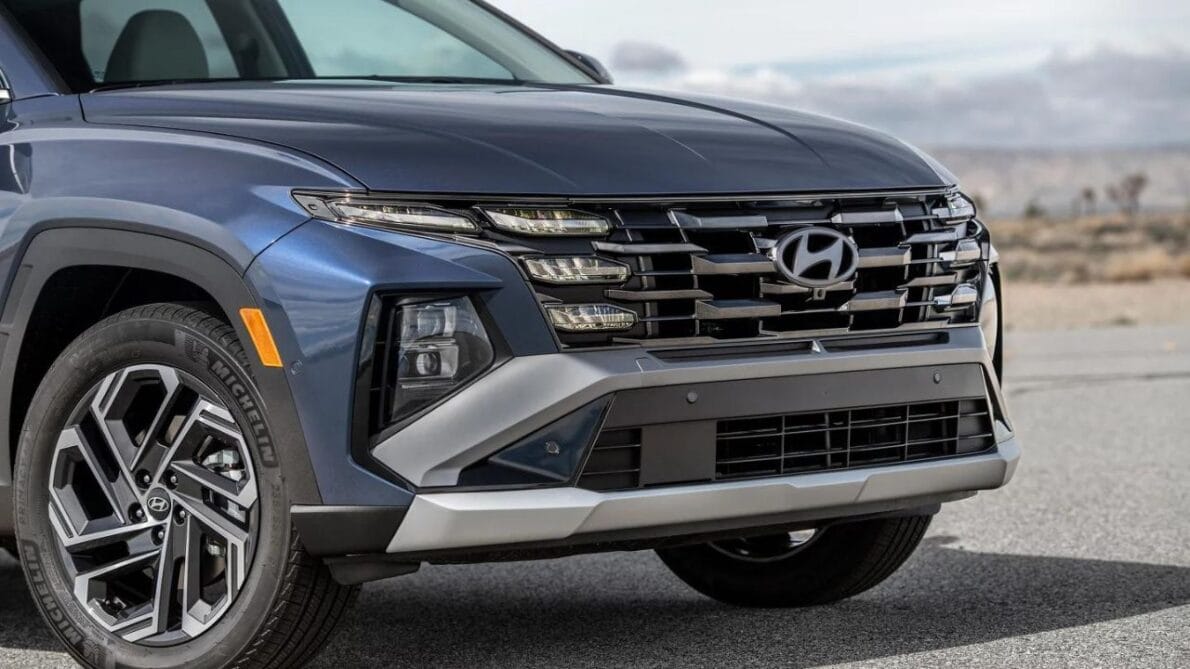
Hyundai Announces The Launch Of The New Tucson 2025 In Brazil, With National Production, Innovative Design, And Efficient Hybrid Engine, Promising Leadership In The Medium SUV Segment And Challenging Rivals With Competitive Pricing And Cutting-Edge Technology.
Hyundai Brazil has just announced an ambitious plan that promises to revolutionize the national automotive market. Among the six new vehicles to be launched by the end of the year, the new fourth-generation Hyundai Tucson 2025 stands out. This model, known internationally for its innovation and design, arrives in Brazil with a proposal for national production, according to the Motor1 portal, which could mean a more competitive price in the SUV market.
The new Hyundai Tucson 2025 comes with expanded dimensions and a bold design that has already won over markets in Europe and North America. Measuring 4.63 meters long with a wheelbase of 2.75 meters, the vehicle promises a generous interior space, highlighted by a 600-liter trunk. The model’s design includes a modern front grille, hidden daytime running lights, and a full LED optical set, ensuring a striking appearance.
How Will The Engine Of The Hyundai Tucson 2025 Be?


The new Hyundai Tucson offers two engine options, but the highlight for the Brazilian market is its hybrid engine. This engine combines a traditional gasoline engine with an electric motor, providing more efficiency and power.
-
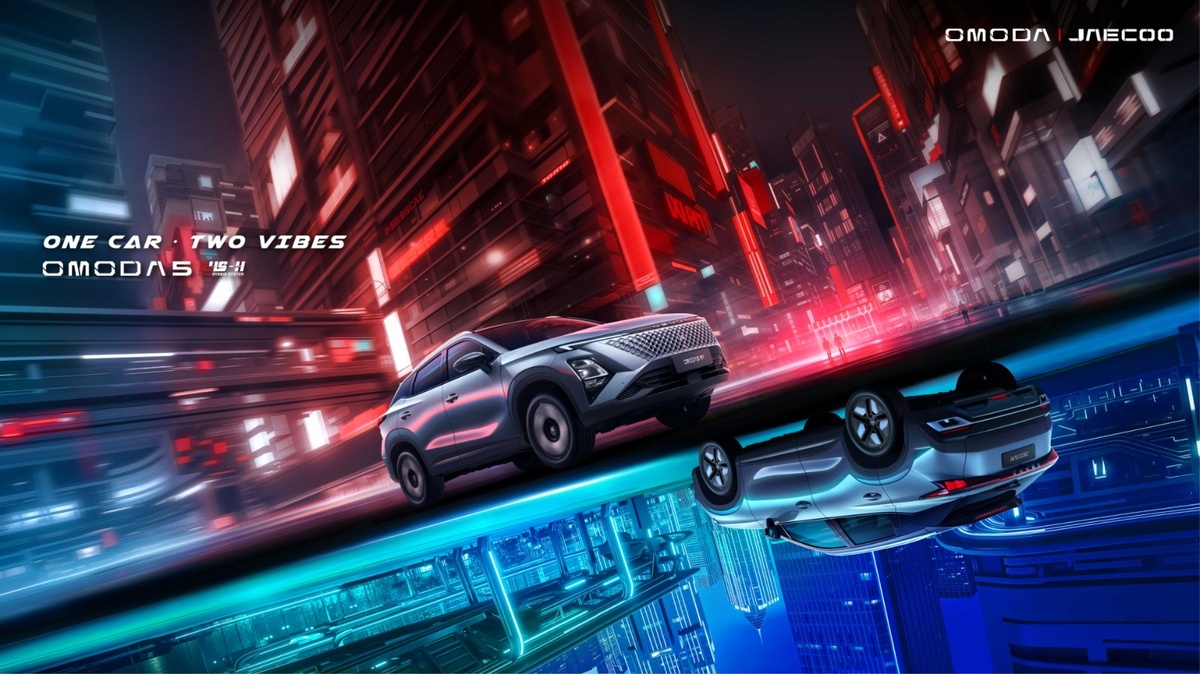
OMODA & JAECOO grows in Europe in 2026 with an integrated strategy of sales, innovation, local production, and technological advancement in the United Kingdom, Italy, and Spain.
-
OMODA & JAECOO expands after-sales service in Brazil with competitive maintenance, a 7-year warranty, and high availability of parts for technological SUVs.
-
OMODA & JAECOO appoints Alessandra Souza as executive marketing director in Brazil and accelerates brand expansion with a focus on innovation, networking, and hybrid portfolio.

-
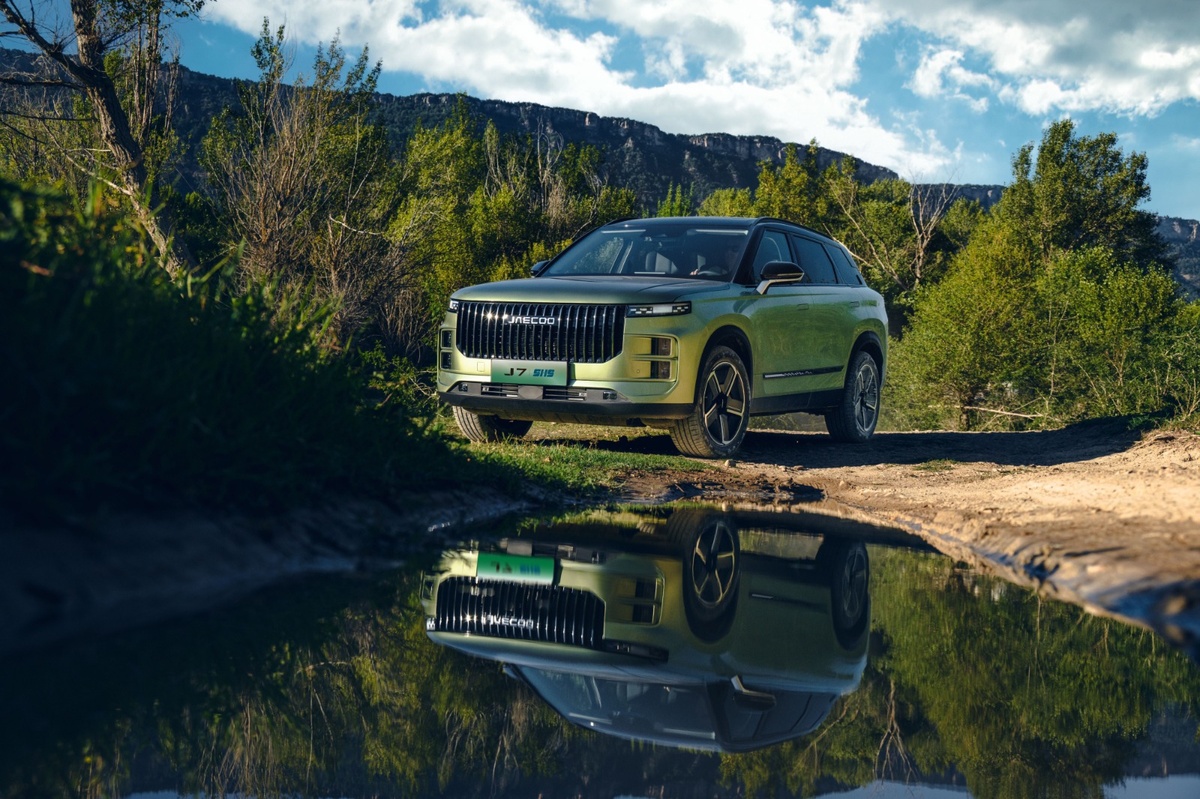
Jaecoo 7 with super hybrid SHS system exceeds 1,200 km of combined range with a 1.5 turbo engine, high-density battery, and intelligent energy management.

The gasoline engine is a 1.6 turbo four-cylinder. “Turbo” indicates that the engine has a turbocharger, a device that forces more air into the engine, increasing its power without needing a larger engine. This engine alone is already powerful and efficient, but when combined with the electric motor, performance and fuel economy improve even further.
The Electric Motor Of The Hybrid Tucson Has 44 kW Of Power
Together with the gasoline engine, they provide the vehicle with a total of 230 horsepower. This means that the car has enough power for quick accelerations and hill climbs with ease. Another benefit of the hybrid system is its fuel efficiency. The Tucson can travel a certain distance using only electric power, which is great for city driving, where frequent stops allow the electric motor to be utilized more, reducing gasoline consumption.
The car can travel up to 50 km solely in electric mode, ideal for short trips without consuming fuel. To recharge, the 2025 hybrid Tucson can be plugged into fast charging stations or standard home outlets, taking about 30 minutes for a quick charge or around 5 hours for a full charge at home.
Interior And Safety
The interior of the new Tucson reflects a significant advancement in terms of technology and comfort. Equipped with a configurable 10-inch digital dashboard, advanced multimedia system, inductive charging, and a range of security and driver assistance features, the model sets a new standard in the segment.
In terms of safety, the Tucson stands out for its semi-autonomous technologies, including lane-keeping assist, autonomous emergency braking, and pedestrian and cyclist detection, demonstrating Hyundai’s commitment to occupant safety.
National Production?
Hyundai and the Brazilian group Caoa announced plans to produce two new models at the Goiás factory, starting in 2025. One of these models is the new Tucson, whose 2025 version has already been revealed in Europe. With this, it is highly likely that this same model will be available in the Brazilian market starting next year, consolidating Hyundai’s commitment to national production and providing Brazilian consumers with a modern and updated option in the medium SUV segment.
The price of the new fourth-generation Tucson, with national production, is estimated between R$ 230,000 and R$ 280,000 in the Brazilian market. This price puts the Tucson in a somewhat non-competitive position compared to its rivals in the medium SUV segment, offering an attractive alternative in terms of design, technology, and energy efficiency. The Caoa Chery Tiggo 7 Sport, for example, is the cheapest medium SUV in Brazil, priced at R$ 134,990.







Seja o primeiro a reagir!