





 Portuguese
  English
  Spanish
  5 min of reading
  0 comments


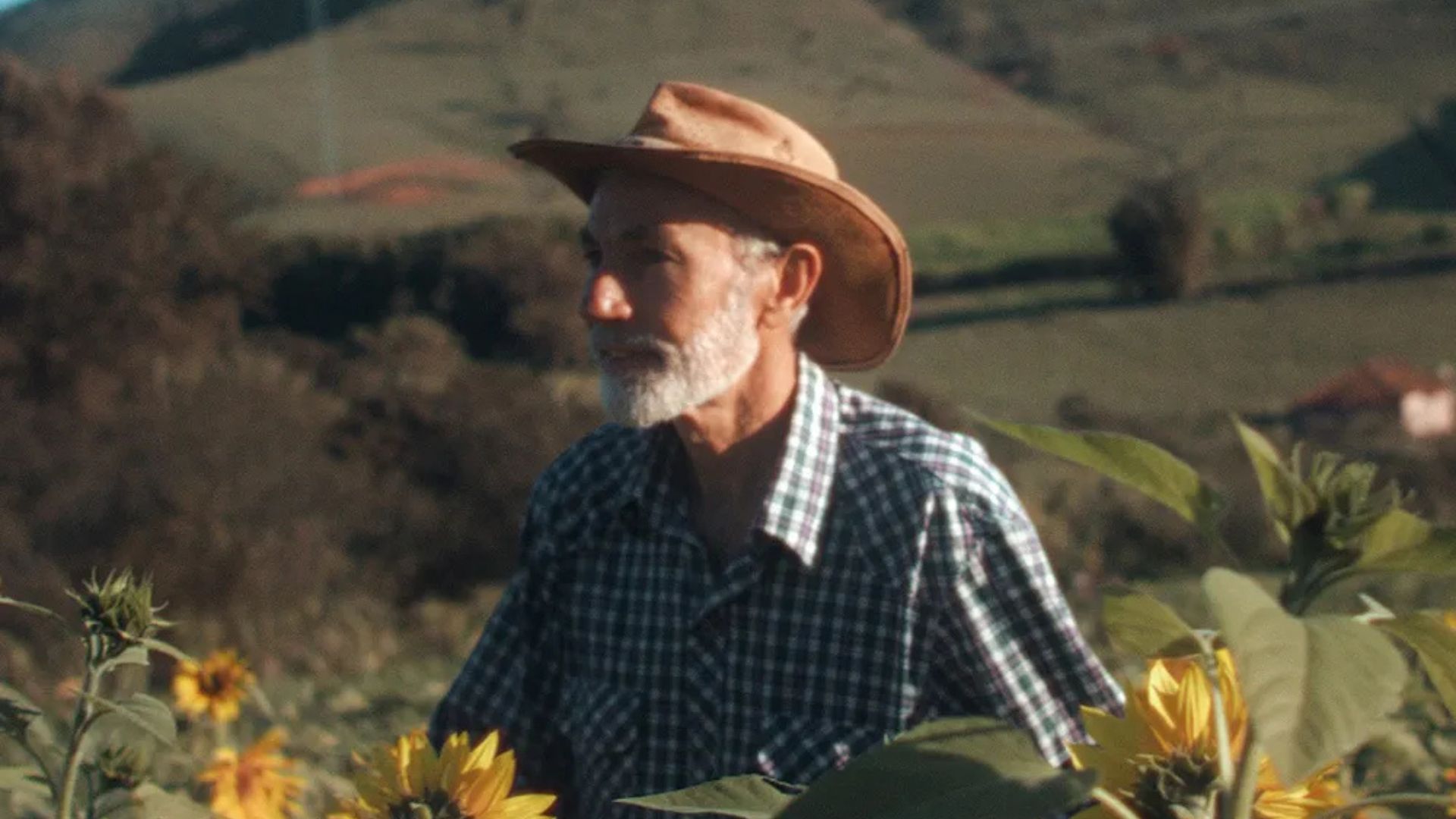
Environmental Transformation in Critical Area of the Cantareira System Shows How Agroforestry with Coffee and Native Species Can Recover Degraded Soil and Improve Water Infiltration in São Paulo’s Interior, Amid National Goals and Global Commitments to Ecological Restoration.
The farmer Dercílio Pupin transformed a degraded pasture of four hectares in Piracaia, in the interior of São Paulo and in an area linked to the Cantareira System, into an agroforestry system with coffee and native species, after finding the land dry, compacted, and almost treeless.
When he arrived in the region in 2013, Pupin planned to produce organic food, but encountered clear signs of accumulated environmental degradation, just before a water crisis that, in 2014, led the Cantareira to operate at critical levels.
The Cantareira System is one of the main sources of water for the São Paulo Metropolitan Area and, during periods of greater dependence, has already supplied water to approximately 8.8 million people, a number frequently cited in surveys about the crisis of that period.
-
The sugar-energy sector advances with agricultural technology, but agricultural productivity still raises concerns.

-
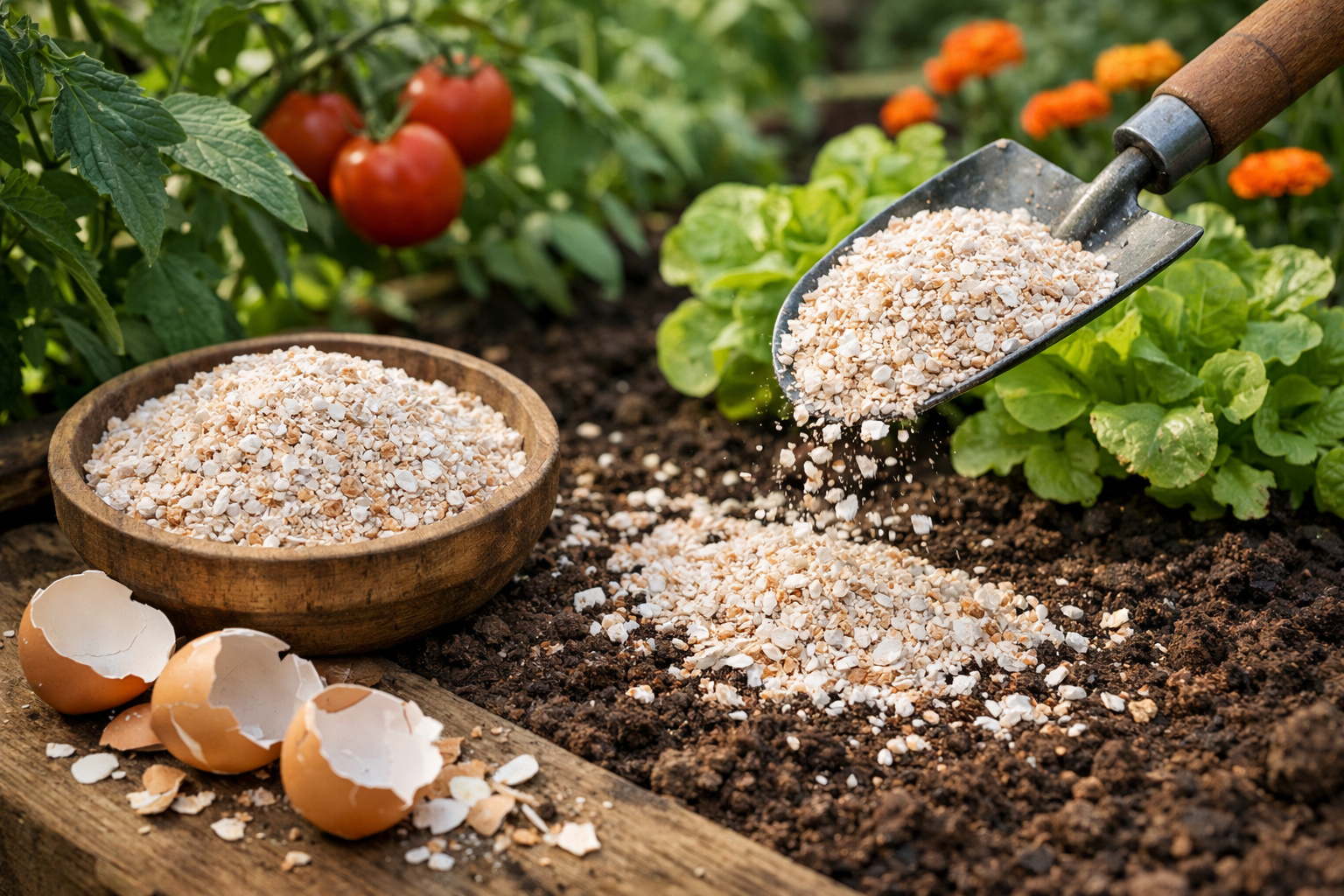
The eggshell that almost everyone throws away is made up of about 95% calcium carbonate and can help enrich the soil when crushed, slowly releasing nutrients and being reused in home gardens and vegetable patches.
-
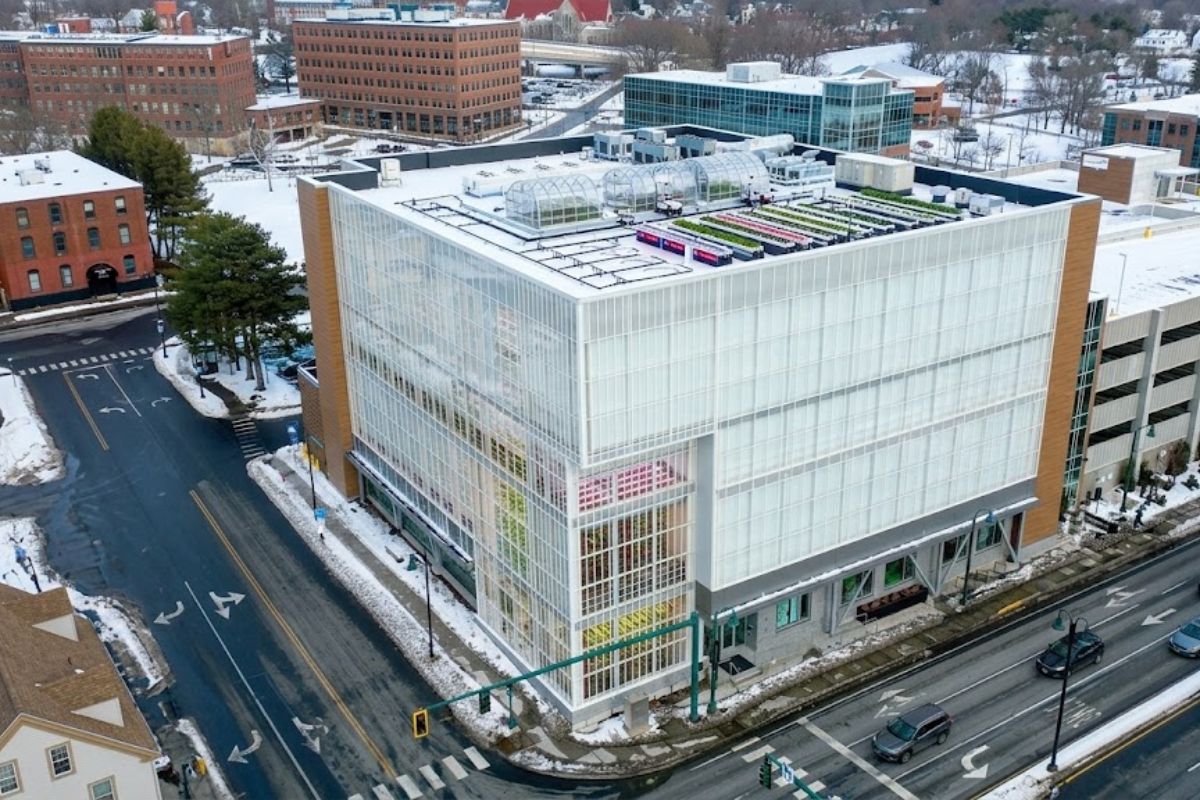
This farm in the United States does not use sunlight, does not use soil, and produces 500 times more food per square meter than traditional agriculture: the secret lies in 42,000 LEDs, hydroponics, and a system that recycles even the heat from the lamps.
-
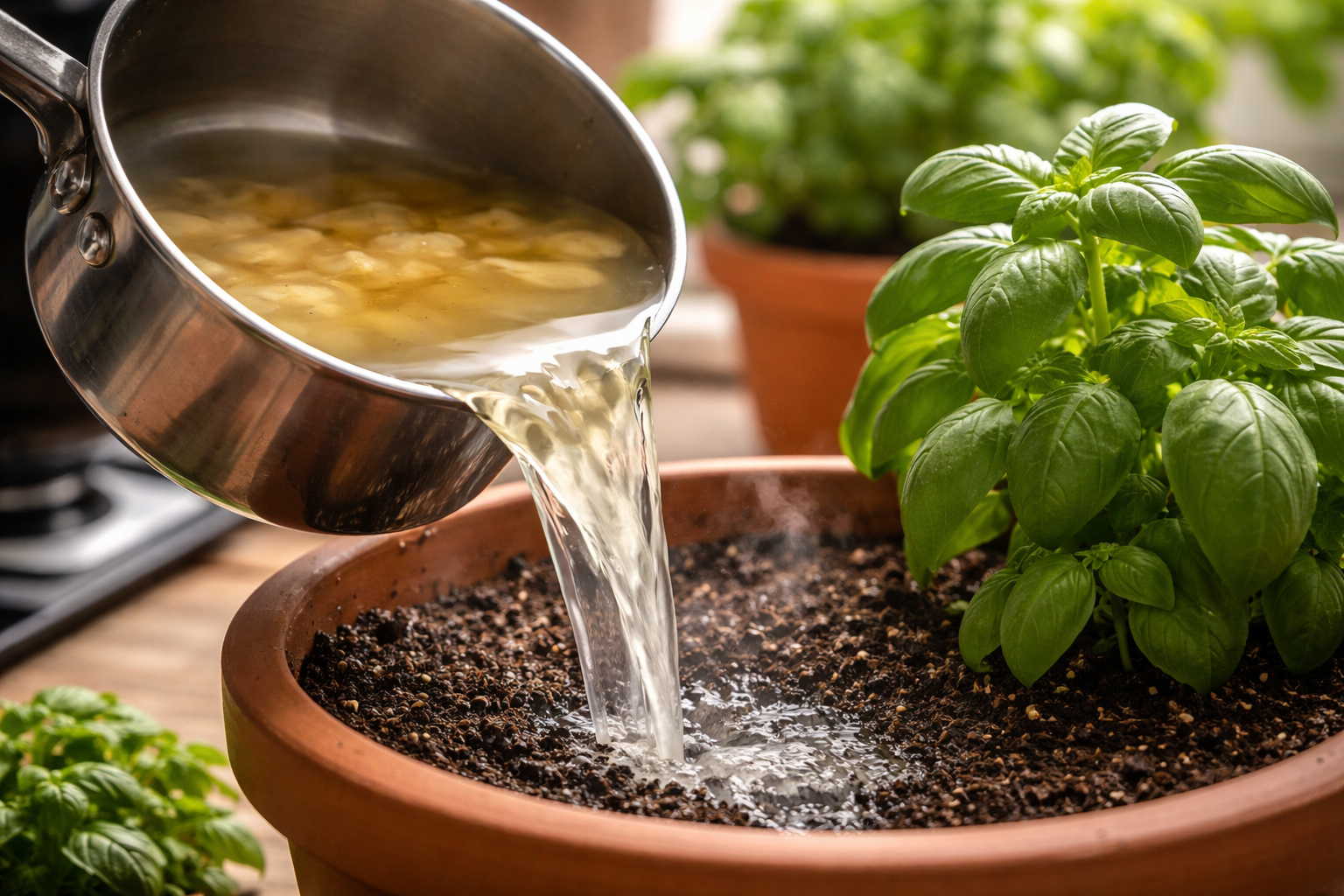
The water that almost everyone throws away after cooking potatoes carries nutrients released during the preparation and can be reused to help in the development of plants when used correctly at the base of gardens and pots, at no additional cost and without changing the routine.

On the land purchased by Pupin, degradation stemmed from years of intensive use for cattle ranching, with exposed soil and little vegetation cover, a scenario that tends to reduce water infiltration, accelerate erosion, and weaken springs, especially in headwater areas.

According to the farmer, in an interview with Project Colabora’s blog, the former owner maintained over 300 head of cattle, and grazing occurred “in a disorganized manner,” even near water sources, which, in practice, increases trampling, compaction, and loss of protective vegetation around watercourses.
What Soil Degradation Changes in Practice
In environmental terms, degraded soil is that which loses structure and fertility due to human pressure, ceasing to provide ecosystem services such as water storage and support for food production, in addition to becoming more vulnerable to surface runoff.
Under these conditions, heavy rains tend to run off more quickly, while dry periods become more severe, because compacted soil infiltrates less water and retains less moisture, which affects both agricultural productivity and the stability of springs.
Agroforestry with Coffee and Atlantic Forest Species
To reverse the situation, Pupin joined local actions and began to structure the area with the principles of agroforestry, combining agricultural crops with trees and native species in arrangements that aim to recover the soil while maintaining an economically viable production.
“In the year we arrived here, it was all a clearing, there was almost no tree,” he reported while describing the start of the work, which began with planning the planting, protecting sensitive areas, and the gradual introduction of plant diversity.
As the system advanced, Pupin began to notice changes in the land and the behavior of water, describing that “in agroforestry areas, there are already places where the forest is a bit more advanced, and water infiltration into the soil is better.”
The logic of management in this type of system is that increased vegetation cover and the presence of different layers of plants promote organic matter, shading, and nutrient cycling, creating conditions for soil recovery over time.
Goals of Planaveg and Recovery of Native Vegetation

The case of Piracaia connects to restoration initiatives that have scaled up in the country in recent years, partly due to climate pressure, partly due to environmental commitments made by Brazil, and also due to the increasing cost of producing in degraded areas.
Launched in 2017, the National Plan for Recovery of Native Vegetation (Planaveg) established the goal of recovering 12 million hectares of native vegetation by 2030 and, in addition, implementing five million hectares of integrated agricultural systems.
Data collected by the Restoration and Recovery Observatory indicated, in balances released in recent years, that the area mapped for restoration is still small compared to the commitment, while agricultural expansion has continued to advance over already cleared areas.
In a picture cited in reports and monitoring surveys, the country reportedly expanded around 9.35 million hectares in monocultures and registered about 79 thousand hectares of restored areas in cuts used to track the restoration agenda.
Degraded Pastures and Productivity in Brazil
The difference between goal and reality becomes more evident when observing the stock of degraded pastures, as a significant portion of the historical deforestation in the country relates to the opening of areas for livestock, which does not always remain productive for many years.

Estimates often attributed to analyses based on MapBiomas data point to 95.5 million hectares of degraded pastures, a number that is commonly used to measure the potential for recovering productivity without pressuring new areas of native vegetation.
“A large part of the deforested area in the country is for livestock, and these pastures are degraded,” says Ane Alencar, a researcher associated with environmental monitoring networks, explaining why recovering these areas appears as both an opportunity and a challenge.
In this context, the reuse of degraded pastures has entered the discourse of federal public policies, including statements from President Luiz Inácio Lula da Silva, who advocates the topic as a way to increase production without encroaching on forests and indigenous territories.
When addressing the issue, Lula stated that recovery could “double agricultural productivity without harming indigenous people and forests,” reinforcing a line of action that depends on financing, technical assistance, and market mechanisms to scale up.
Global Restoration Goals and Biodiversity

The challenge, however, is not limited to Brazil, as international assessments estimate that over 70% of ice-free terrestrial ecosystems have been transformed for human use, a scenario associated with the loss of biodiversity and the worsening of global warming.
A global assessment of land degradation released by international organizations estimated that around 3.2 billion people have already been affected by the impacts of degradation, particularly through indirect effects on water, food, and livelihoods.
In international commitments, the New York Declaration on Forests, launched in 2014 and endorsed by various actors, incorporated goals such as halting forest loss and contributing to restoring 350 million hectares of degraded landscapes by 2030.
Already the biodiversity agreement approved in 2022, the Global Biodiversity Framework of Kunming-Montreal, set the goal of putting at least 30% of degraded terrestrial, freshwater, and marine ecosystems into effective restoration by 2030.








-

-

-

-

6 pessoas reagiram a isso.