





 Portuguese
  English
  Spanish
  8 min of reading
  8 comments


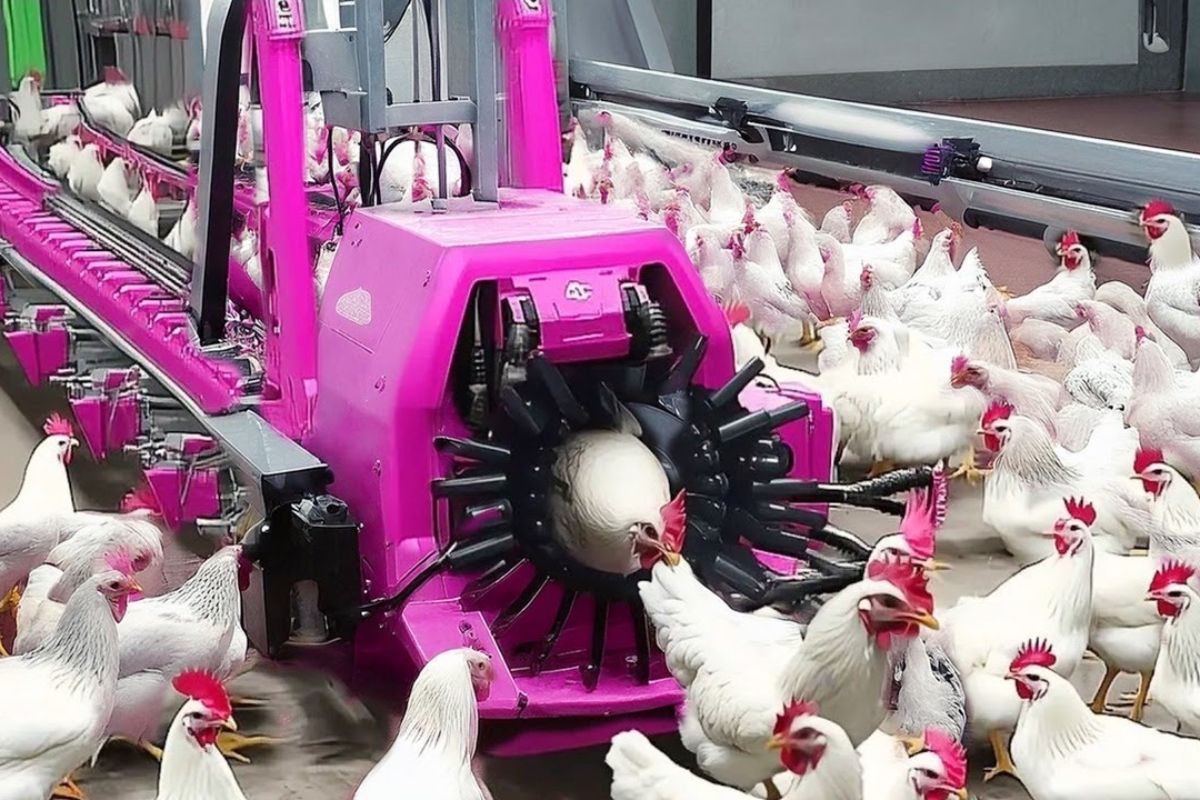


Livestock Farming Is Incorporating Technology in the Field, and Farmers Are Surprised to See Simple Machines Reducing Heavy Labor and Accelerating Tasks. A Sheep Loader Uses Compressed Air to Turn Animals; Hydraulic Systems Facilitate Hoof Care; Spray Tunnels Control Pests; and Robots Automate Bedding, Milking, and Capture with More Hygiene and Less Stress.
Farmers have seen technology enter livestock farming as a package of equipment that promises efficiency and a safer routine for both people and animals. In the set of solutions described, farmers observe a practical change: less physical effort, faster and repeatable processes, and management that aims to reduce stress during shearing, hoof care, pest control, milking, and transportation.
Farmers who deal with heavy work recognize the impact when the machine takes over steps previously done by hand, such as lifting and dragging sheep, keeping animals still for procedures, and organizing flows in tunnels and lines. The effect is silent but cumulative: tasks that consumed time and energy become more predictable routines, with greater control and less risk of human error at critical management moments.
Technology in Livestock Farming: Why Farmers Are Changing Habits in the Field

The introduction of technology in the livestock sector is described as a current trend, associated with increasing production efficiency and the emergence of techniques considered “incredible” in the daily farm routine.
-
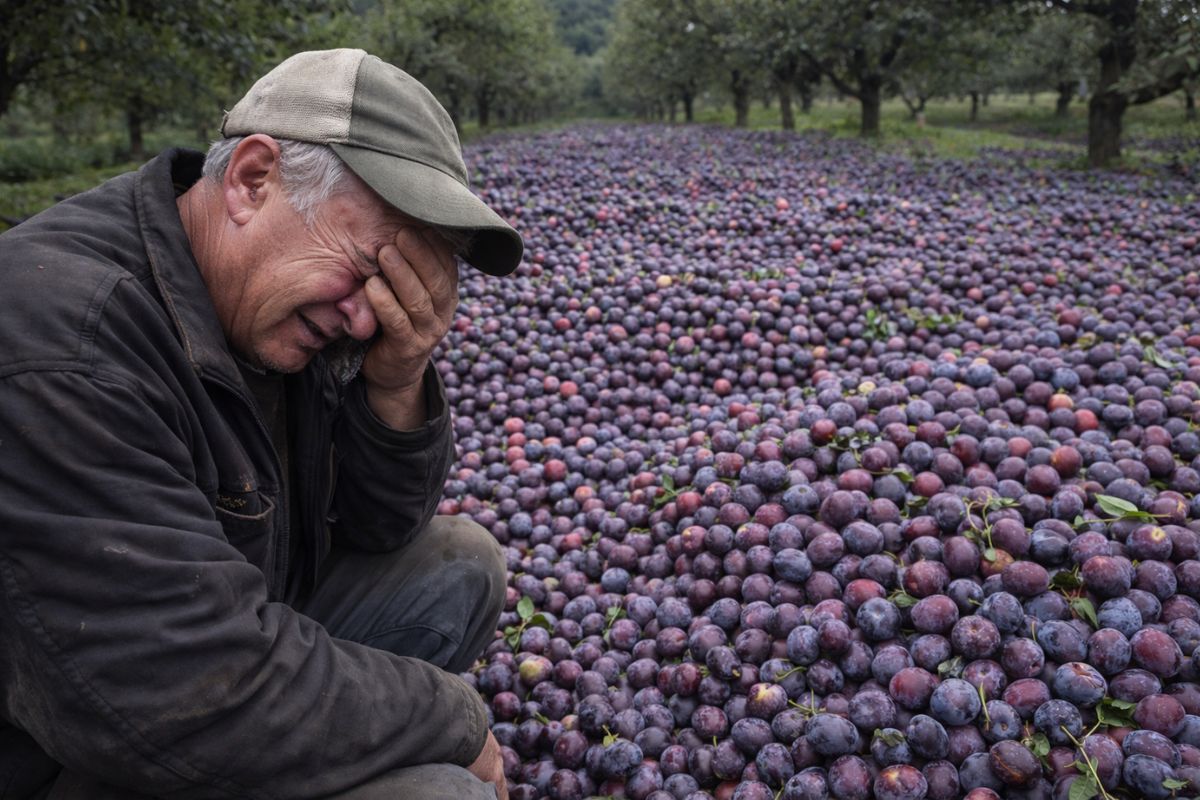
A rural producer from Urubici cries as he shows 50 tons of plums thrown on the ground because no one wanted to buy them, and in desperation, he records a video asking anyone to come to the property to pick the fruits before they rot.
-
Unable to pass through Hormuz, Brazil activated a plan B that uses Turkey as a gateway to the Middle East: the route through Gibraltar and the Mediterranean is longer and more expensive but ensures that chicken, beef, and corn continue to reach Arab markets.

-
You grew up hearing that the good coffee from Brazil goes all abroad and the bad coffee stays for Brazilians, but this story has completely changed, and the numbers show that in the 1980s, thirty percent of the coffee sold here was adulterated with corn and barley.

-
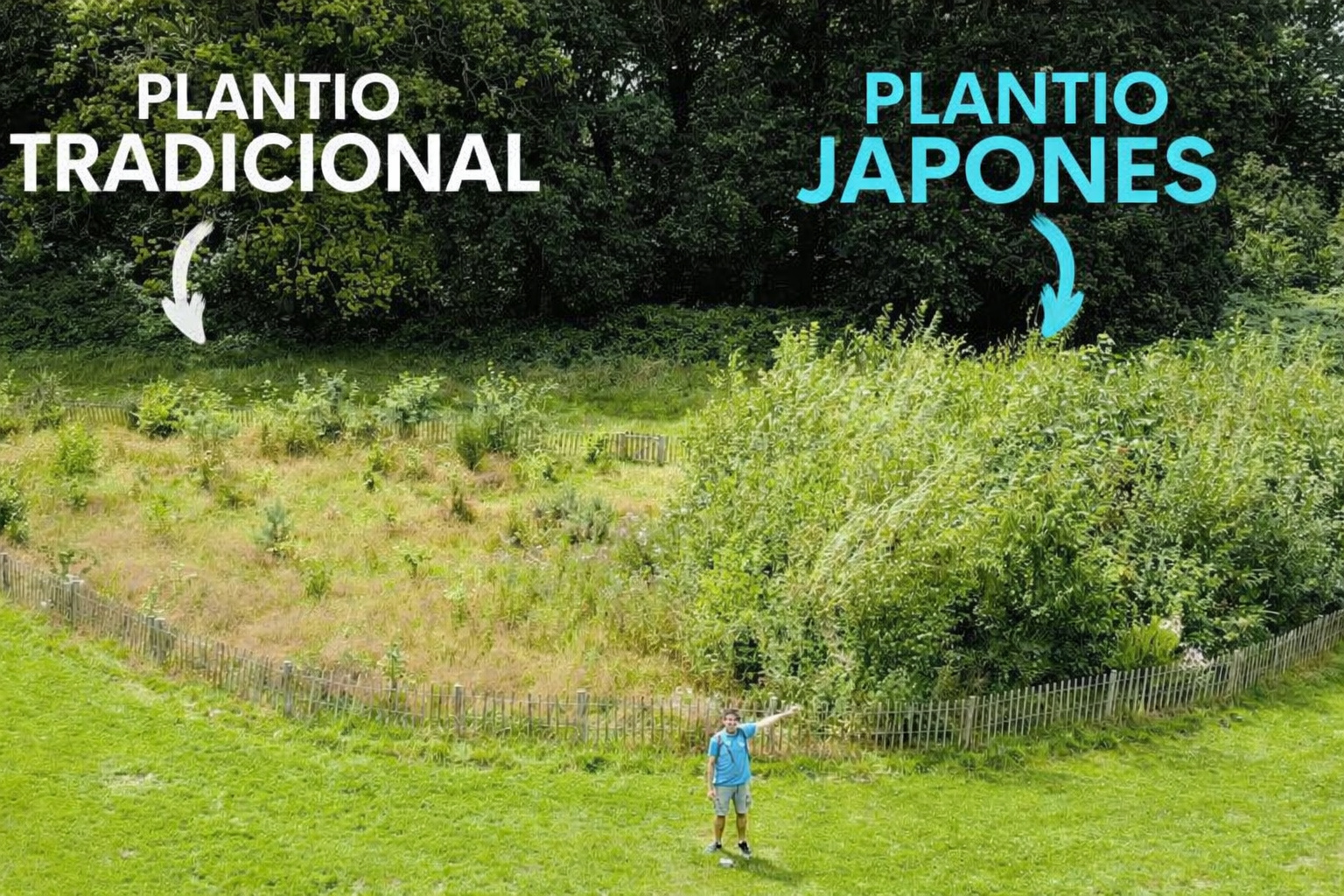
Engineer creates reforestation method that transforms small plots into dense forests in a few years using local biomass and can reduce environmental recovery costs.

The report highlights that many inventions are being used for the first time on farms, which explains farmers’ initial reactions of doubt.
The key point is that technology does not appear merely as “automation for automation’s sake.”
It enters as a way to organize physical work, reduce repetitive effort, and make operations more consistent.
In livestock farming, consistency is not a detail: it is what separates a calm process from one that stresses animals, injures people, and increases total management time.
Sheep Loader: Compressed Air Replaces the Act of Picking Up and Dragging

Among the solutions mentioned, the sheep loader is described as designed for sheep, rams, and very large ewes.
The practical promise is straightforward: no more heavy work, because the machine eliminates the need to pick up and drag animals manually.
The operation involves compressed air to hold and turn the sheep, preparing it for loading into cradles for processing.
This sequence improves processes such as caring for sheep and shearing wool, as the machine positions the animal in a more controlled manner.
For farmers, the gain is twofold: it reduces physical effort and reduces the improvisation of holding the animal “by brute force,” which tends to increase stress and the risk of injury.
Hoof Care in Large Animals: Hydraulic Systems Reduce Force and Increase Precision

Another machine presented is designed to easily and effectively care for the hooves of large animals.
All movements are controlled by a hydraulic system, shifting the need for manual force to mechanical control.
The described effect is that hoof care requires less physical strength, becomes more precise, and provides the opportunity to perform the procedure without stressing the animals.
In farmers’ routines, this changes the management pattern because it transforms a delicate procedure, which often generates resistance from the animal, into a more stable operation, with less need for physical struggle and greater control over positioning.
Pest Control in Sheep: Portable System and Use without Special Knowledge
The report mentions a system used to protect sheep from pests.
It can be easily transported around the farm and used in various locations, with operations considered simple and not requiring special knowledge.
The pests are killed by washing the sheep in a special solution.
The study links this to disease prevention caused by parasites and an improvement in the health and productivity of sheep.
For farmers, the gain is pest control with less operational complexity: the farm does not depend on a fixed structure and can take the system wherever the flock is, reducing unnecessary movements.
FeedMixer: Cutting Silos and Bales to Mix Complete Feeds
The FeedMixer is described as being developed to cut silos, round bales, square bales, and most types of forage.
It cuts most round bales and silage, with cutting degree varying according to the consistency and type of forage.
The report highlights that this is suitable for mixing complete feeds, especially when it is necessary to combine feeds with very different consistencies and characteristics.
In farmers’ practice, the advantage is the standardization of preparation: the equipment cuts and facilitates a more homogeneous mixture, reducing supply variations and decreasing food preparation time.
AQUATRAINER: Rehabilitation and Training through Water Walking
The AQUATRAINER is presented as a unique device for rehabilitation and training through water walking.
The method aids in the recovery process of various types of injuries and requires a lot of effort from the horse, as the animal walks against the water pressure, engaging its body more.
Two adjustments are mentioned: the speed of the belt and the depth of the water can be varied. This allows the training to be tailored to the horse’s needs.
For farmers and those in charge of management, the difference is controlling intensity without depending on external terrain or climate, transforming rehabilitation into a measurable and graded routine.
Milking in Parallel Rows: Simultaneity, Ergonomics, and Hygiene
The described milking system allows for the simultaneous milking of dairy cows in parallel rows, with ergonomic and efficient design.
It is designed so that milkers work comfortably, reducing labor costs and optimizing the process.
The report also states that high-quality milk is obtained due to hygiene conditions.
In farmers’ operations, ergonomics and hygiene mean two things: less wear on the operator and less risk of routine failures, as the process becomes more standardized and less dependent on improvisation in managing lines and equipment.
Spray-Race: Spray Tunnel to Reduce Stress and Labor
Spray-Race is described as an effective solution for animal spraying.
The tunnel-shaped structure allows the continuous movement of animals and reduces stress by avoiding long stops and excessive handling.
The system improves pest control and reduces labor. For farmers, this represents a management model in flow, with continuous entry and exit.
Instead of treating animal by animal in lengthy stages, the farm organizes a controlled passage, saving time and decreasing repetitive effort.
Chicken Cat: Catching Chickens without Hurting Them and with Less Labor
In poultry management, Chicken Cat was designed to prevent hens from getting hurt when being captured manually and to reduce labor costs.
The machine is described as composed of a collector head system activated hydraulically.
The collector has three barrel-shaped drums that rotate against each other.
The surface of the drums gently raises the chickens into the collector and then onto the conveyor belt.
This conveyor belt transports the chickens to containers placed on the rotating loading platform.
The report emphasizes that the machine greatly facilitates work on the farm and does not harm the chickens, changing the capturing pattern that is often stressful and risky when done manually.
Bedding Blower Robot: Clean Bedding without Human Intervention
Another equipment mentioned is a bedding blower robot that does not require human intervention. It can be used in different livestock operations, including sheep, cattle, and goats.
The goal is to keep animals in a healthy and comfortable environment.
For farmers, the relevance lies in bedding and cleaning routines: repetitive and physical tasks gain automation, directly affecting animal comfort and barn organization, with less dependence on human availability at critical times.
Sheep Care Cages: Safety, Vaccination, and Management with Minimum Stress
The report describes special equipment to facilitate various sheep care processes: cages that keep the animals safe and allow several procedures to be performed more efficiently.
These cages can be used for vaccination, medication, feather cutting, and hoof care.
The repeated point is minimum stress for the sheep and greater comfort during the procedures.
In farmers’ routines, this means transforming a set of scattered actions into organized management, with adequate physical control and less need for improvised restraint.
Assaf Breed and Association in Spain: Genetics, Production Verification, and Food Security
The material also mentions the Assaf breed, known for high milk production and quality meat.
There is an association in Spain that brings together producers dedicated to breeding the breed, conducting studies to improve the genetic structure in advanced facilities.
The report states that, thanks to this work, the Assaf breed has gained an important place in dairy farming. It also states that Assaf milk and meat contribute to food security due to their high nutritional value and reliability.
Milk production is regularly verified on farms, and genetic potential is maximized.
For farmers, this ties together management technology and selection: it is not just machinery, but also constant control and verification.
Farmquip: Modular Systems for Containing, Separating, Treating, and Transporting
Farmquip is described as widely used in the livestock sector, especially in Argentina and neighboring countries, producing equipment for livestock farming.
The set includes fences to contain animals safely, equipment to separate them into groups, treat them, or transport them.
The report highlights modular systems that can be customized according to need.
The concluding phrase summarizes the proposal: everything necessary to protect the animals’ health is considered.
In farmers’ daily lives, modularity means adjusting management to the herd size, the type of animal, and the day’s objectives, without reconstructing the structure every time.
What Changes for Farmers: Less Force, More Flow, and Management with Less Stress
The list of equipment has a common logic: reduce heavy work, accelerate tasks, and reorganize management in more predictable processes.
When farmers start using compressed air to turn sheep, hydraulics to control movements, tunnels for spraying, and robots for bedding and capture, the field becomes an environment of more controlled routine.
The silent impact is in the way animals are treated and managed.
Less improvised containment reduces stress and the risk of injuries.
More ergonomics reduces wear on operators. More hygiene improves milking results. More standardization decreases failures in repetitive tasks.
It is in this set that farmers stop doubting when they see the machine in action.
Which of these solutions do you think changes farmers’ routines in livestock farming the most: sheep loader, hydraulic hoof care, Spray-Race tunnel, or Chicken Cat?







Vai demorar milhares de anos pro pessoal acordar os animais não são mercadorias são seres vivos e a humanidade ainda quer paz vão ficar querendo
Progresso, vai acontecer queira você ou não, claro sempre vão ter aqueles “Mas vai tirar o emprego das pessoas”, acho que esse pessoal não entendeu que trabalho manual está acabando cada vez mais, e o trabalho mais exigido será o mental. No futuro será pouco os trabalhos que teremos por exigir muitas qualificações, a maioria será feito por máquinas, essa é a realidade que irá acontecer (provavelmente)
Cada vez menos pessoas trabalhando, menos salários, menos manutenção de famílias