





 Portuguese
  English
  Spanish
 5 min of reading
  0 comments


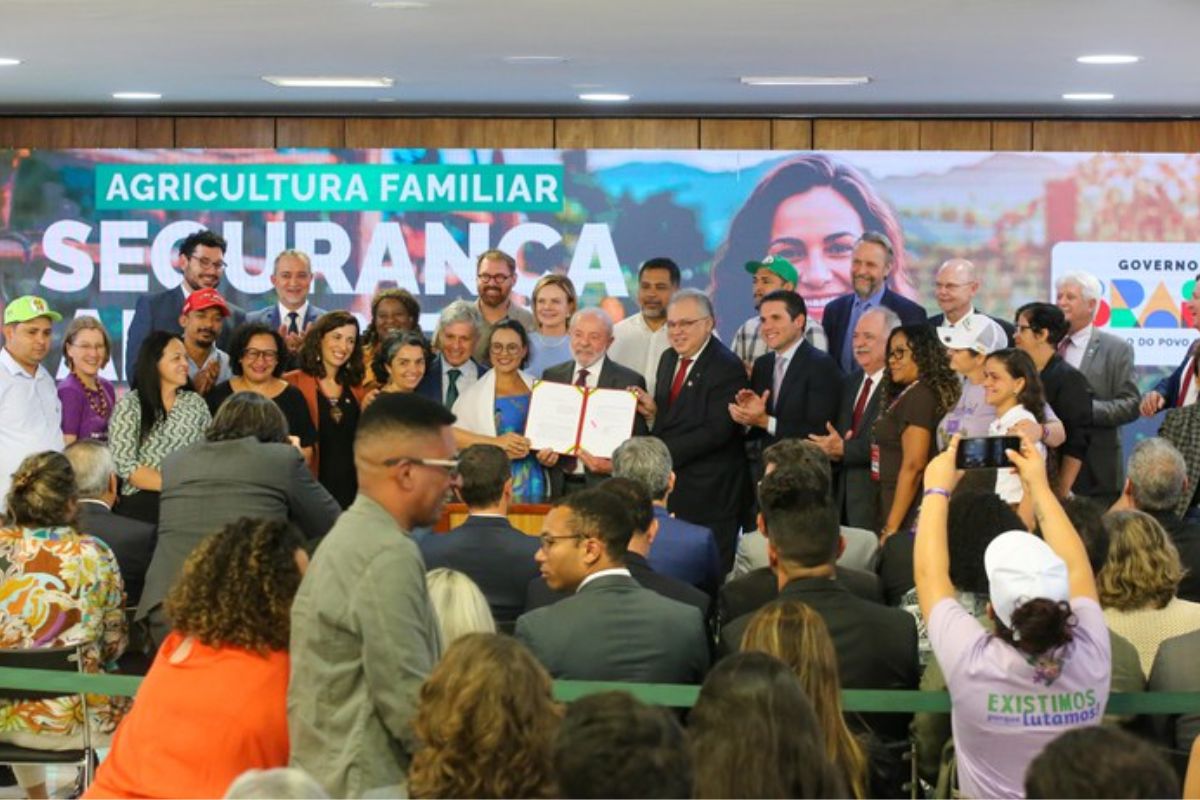
Family Farming and Food Security Advance in Brazil with Laws Signed by Lula That Expand Credit, Strengthen Production, Guarantee More Resources to PNAE, and Create Policies Against Waste
Family farming and food security received an important boost after the signing of new bills by President Luiz Inácio Lula da Silva.
The package of measures ensures more credit, investments, support for sustainable production, and greater integration of family farmers in food marketing, according to an article published.
The announcement was made at an official ceremony that brought together the government, National Congress, and representatives from different sectors related to rural development.
-
Alone, the producer applies 7,400 hectares with the T100 drone in an optimized structure, replaces the generator with a silent battery, and demonstrates how technology reduces costs, increases productivity, and even challenges the uniport in the field.

-
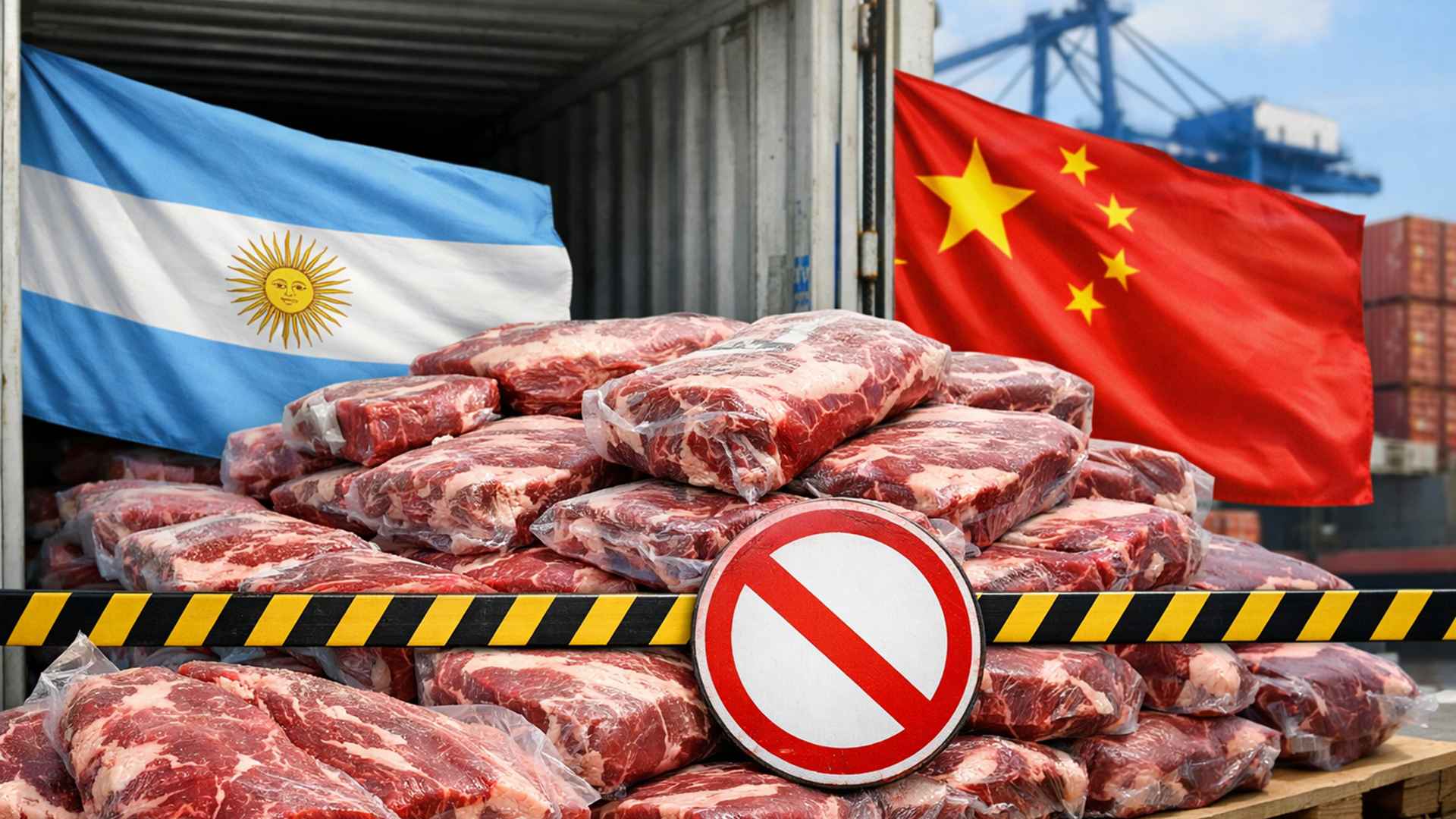
China banned the export of 22 tons of meat from Argentina.
-
JBS, founded by the Batista brothers, continues to conquer the world: entrepreneurs built a ‘factory in the desert’ creating 3,000 jobs.

-
With only 1% of Brazil’s territory, Santa Catarina has built one of the most competitive industrial parks in the country, with 64,000 companies, nearly 1 million jobs, and a growth rate of 5.3% while the national industry is practically stagnant.


Highlights include the strengthening of well-known programs, such as Pronaf, the Family Agriculture Safra Plan, and PNAE, as well as the creation of new waste reduction policies and incentives for food donation.
The changes also bring stability, turning these initiatives into state policies, ensuring they continue even in future governments.
Another relevant point is that, with the signing, historically excluded communities, such as agrarian reform settlements, indigenous peoples, quilombolas, and women’s groups, will have priority in accessing benefits.
The measures arrive at a strategic moment, marked by Brazil’s official exit from the UN Hunger Map, reinforcing the role of family farming in providing quality food for the population.
Pronaf and Safra Plan Guarantee Credit and Rural Production
The presidential signing turns Pronaf (National Program for the Strengthening of Family Farming) and the Family Agriculture Safra Plan into permanent laws.
This means that farmers will have greater security in planning production, as credit lines will no longer depend solely on annual government decisions.
These programs allow access to financing with lower interest rates, longer terms, and easier conditions, benefiting those who work on small rural properties.
Additionally, they are instruments that encourage the use of sustainable technologies and the diversification of crops.
The Minister of Agrarian Development, Paulo Teixeira, highlighted that Brazil reached the mark of 1.2 billion tons of food produced in 2023, for the third consecutive year, a direct reflection of supportive policies for the rural sector.
This performance not only guarantees internal supply but also boosts exports, maintaining affordable prices and generating income for millions of families.
School Feeding Strengthens Family Farming
One of the most significant changes involves the National School Feeding Program (PNAE), which now mandates that 45% of resources be allocated to purchasing food from family farming. Previously, the percentage was 30%.
In practical terms, this represents an increase of around R$ 1.5 billion per year circulating directly in the hands of family farmers.
The impact will be twofold: on one hand, it ensures stable income for those producing in the field; on the other, it brings more fresh and healthy food to millions of students across the country.
The new rule also brings quality measures, such as the requirement for a minimum shelf life for delivered products, preventing schools from receiving food close to expiration.
The most vulnerable communities, such as settlements, quilombolas, indigenous peoples, and women’s organizations, will have priority in sales to PNAE.
This means more social inclusion and strengthening of the local economy, generating jobs and opportunities in regions that have historically suffered from a lack of investment.
Combating Waste and Encouraging Food Donation
Another innovation is the creation of the National Policy for Combating Food Loss and Waste (PNCPDA) and the Food Donor Seal.
The goal is to reduce losses throughout the production chain, from harvest to marketing, as well as to encourage partnerships between the Union, states, municipalities, and the private sector to stimulate the donation of products.
It is estimated that millions of tons of food are wasted every year in Brazil, while families are still facing food insecurity.
The new policy aims to transform this reality by organizing and securely directing excesses to those in need.
Furthermore, municipalities facing situations of public calamity or emergency, such as floods or prolonged droughts, will have priority in the acquisition and distribution of food through the Food Acquisition Program (PAA).
This guarantees a quick response in critical scenarios, helping to maintain jobs and income even in the face of extreme climatic events.

Indicators and National Food Security System
Another important measure is the adoption of official indicators from the Brazilian Institute of Geography and Statistics (IBGE) to monitor and expand the population’s access to quality food.
This strategy strengthens the National Food and Nutritional Security System (Sisan), which will now have principles, guidelines, and objectives defined by law.
Monitoring is essential to ensure that public programs reach those who really need them and that resources are used efficiently.
These indicators also allow for evaluating progress and quickly correcting failures, creating a more effective safety net against hunger and poverty.
Brazil is already reaping positive results: in July, the UN confirmed that the country has once again left the Hunger Map by reducing the number of people in a situation of severe undernutrition to less than 2.5%.
This achievement was only possible thanks to consistent public policies and coordinated work among different levels of government, especially after the re-establishment of the MDA in 2023.
The signing of the bills represents a milestone in valuing family farming and food security.
In addition to ensuring more credit and investments, it expands opportunities for traditional communities, combats waste, strengthens school feeding, and creates permanent monitoring systems.
These measures consolidate a new cycle of social inclusion in the countryside, showing that the future of food in Brazil is directly tied to valuing those who produce close to communities and put quality food on the tables of millions of families.









-

Uma pessoa reagiu a isso.