





 Português
  Inglês
  Espanhol
 3 min de leitura
  0 comentários


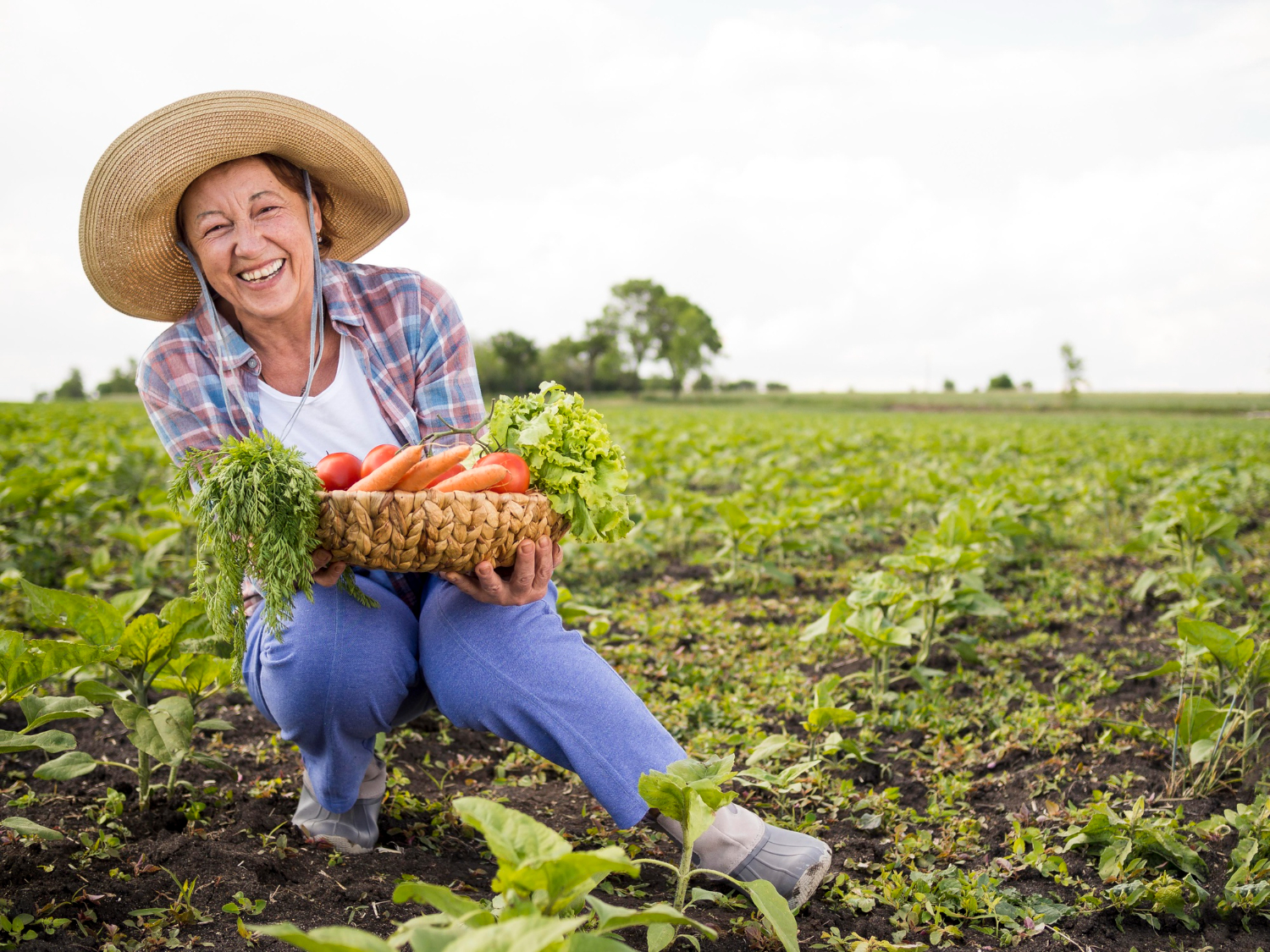
Family Farming in Sergipe Strengthens Cooperativism, Women’s Inclusion, and Sustainability with Public Incentive Programs and Social Purchases
Family farming in Sergipe has gained prominence through public policies aimed at valuing small producers and promoting food security, according to an article published.
During the 1st State Cooperativism Meeting, held on October 23, farmers and representatives of cooperatives received detailed guidance from the National Supply Company (Conab) on federal incentive programs for production.
The event, promoted by the National Union of Family Farming and Solidarity Economy Cooperatives (Unicafes Sergipe), brought together producers from various regions of the state with the aim of increasing access to funding tools and strengthening local food supply networks.
-
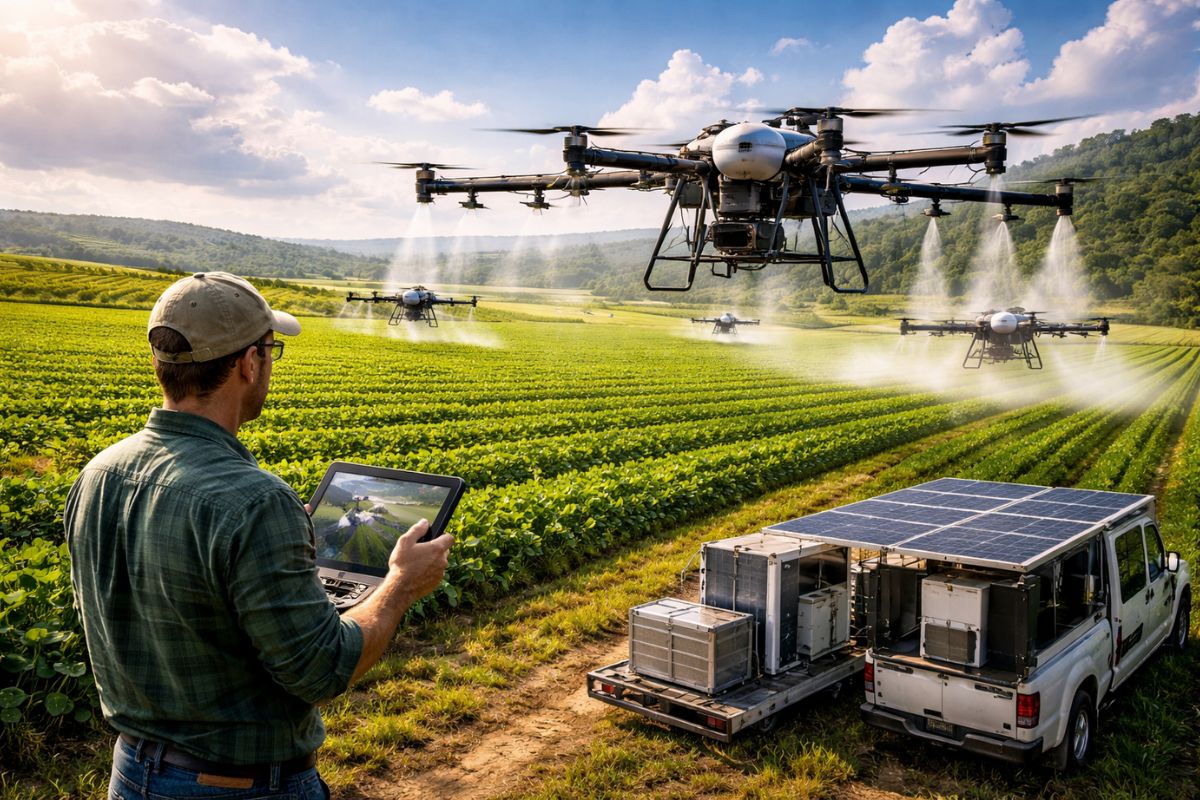
Alone, the producer applies 7,400 hectares with the T100 drone in an optimized structure, replaces the generator with a silent battery, and demonstrates how technology reduces costs, increases productivity, and even challenges the uniport in the field.
-
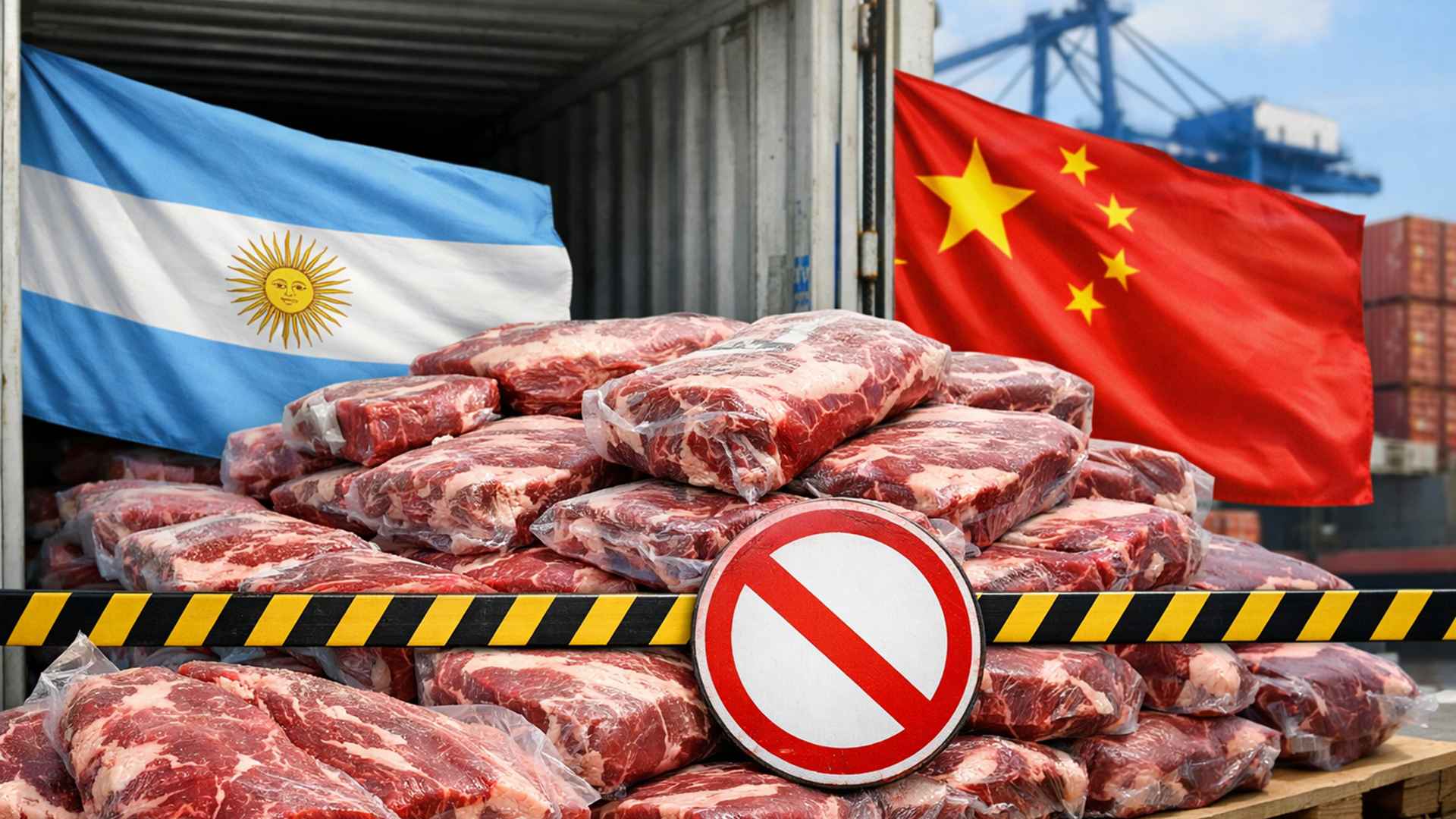
China banned the export of 22 tons of meat from Argentina.
-
JBS, founded by the Batista brothers, continues to conquer the world: entrepreneurs built a ‘factory in the desert’ creating 3,000 jobs.

-
With only 1% of Brazil’s territory, Santa Catarina has built one of the most competitive industrial parks in the country, with 64,000 companies, nearly 1 million jobs, and a growth rate of 5.3% while the national industry is practically stagnant.


Technical Training and Public Policies Strengthen Rural Cooperativism in Sergipe
Among the main topics addressed at the meeting was the operation of the Food Acquisition Program (PAA), which is part of a set of public purchasing policies aimed at family farming in Sergipe.
The superintendent of Conab in the state, Janderson Maués, explained that the PAA, funded by the Ministry of Development and Social Assistance, Family, and Fight Against Hunger (MDS), guarantees direct purchases of production at fair prices, without the need for intermediaries.
During the conversation round “Building Common Sector Vision,” participants were instructed on technical requirements, necessary documentation, types of products covered, and proposal approval criteria.
The program allows cooperatives and associations to supply food to public and social entities, such as daycares, schools, shelters, and community kitchens.
This support policy enhances the flow of local production and stimulates income generation in rural areas, consolidating cooperativism as a strategy for regional development.
According to Maués, Conab acts as a link between producers and consumers, ensuring price stability and sustainability in production chains.
Inclusion of Rural Women and Sustainability Expand the Impact of Family Farming in Sergipe
One of the guidelines reinforced during the meeting was the encouragement of female participation.
Proposals submitted to the PAA must have at least 50% of women farmers, promoting gender equality and valuing the workforce of rural women.
This measure has contributed to the sustainable growth of family farming in Sergipe, in addition to promoting the financial autonomy of female producers.
Furthermore, the program prioritizes agroecological and organic projects, resulting in healthier food and lower environmental impact.
Priority is also given to proposals presented by traditional communities, land reform reform, and groups of rural youth.
The goal is to strengthen agricultural practices that reconcile productivity, sustainability, and social inclusion.
The encouragement of rural youth also aims to renew the succession in the countryside, ensuring continuity of agricultural activities and the development of local economies.
Simultaneous Donation Programs Ensure Food Security and Revitalize Local Economies
Among the actions highlighted by Conab, the Simultaneous Donation Purchase Model (PAA/CDS) plays a key role in combating hunger and reducing inequalities.
This modality allows food purchased with MDS resources to be directed directly to the social assistance network and public food security facilities.
In this way, the farmer sells their production, ensures stable income, and simultaneously contributes to the supply of families in vulnerable situations.
Superintendent Janderson Maués emphasized that this dynamic creates a positive cycle: it strengthens small producers, ensures nutritious food for the population, and injects money into the economies of municipalities.
Family farming in Sergipe has proven to be essential for regional development, uniting sustainable production, income generation, and social solidarity.
Expanding access to programs like the PAA and strengthening rural cooperatives are decisive steps toward consolidating a fairer and more inclusive agriculture model across the state.









Seja o primeiro a reagir!