





 Português
  Inglês
  Espanhol
 5 min de leitura
  0 comentários


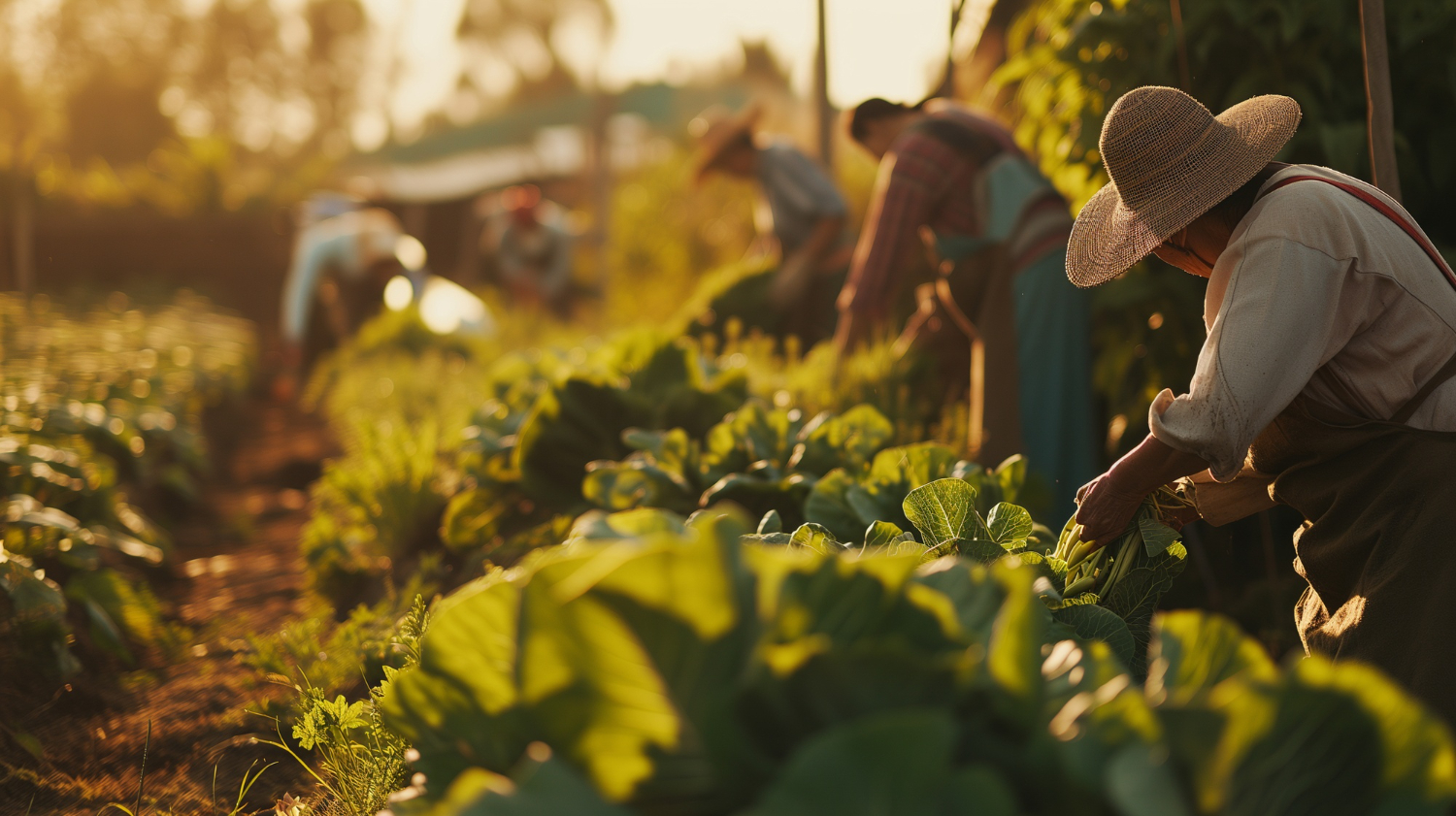
With The New Legal Framework, Family Agriculture in Brazil Gains Stability, Guaranteed Credit, and Recognition as a State Policy, Boosting Sustainability, Inclusion, and Food Security in the Country
The family agriculture in Brazil takes on an increasingly strategic role in the economy and national sustainability, according to a report published.
On September 30, 2025, the federal government sanctioned Bill No. 4,384/2023, transforming the National Family Agriculture Program (Pronaf) and the Family Agriculture Safra Plan into permanent state policies.
This achievement ensures that support for small rural producers no longer depends on changes in government, creating legal security, predictability, and stability for millions of families in the countryside.
-
Alone, the producer applies 7,400 hectares with the T100 drone in an optimized structure, replaces the generator with a silent battery, and demonstrates how technology reduces costs, increases productivity, and even challenges the uniport in the field.

-
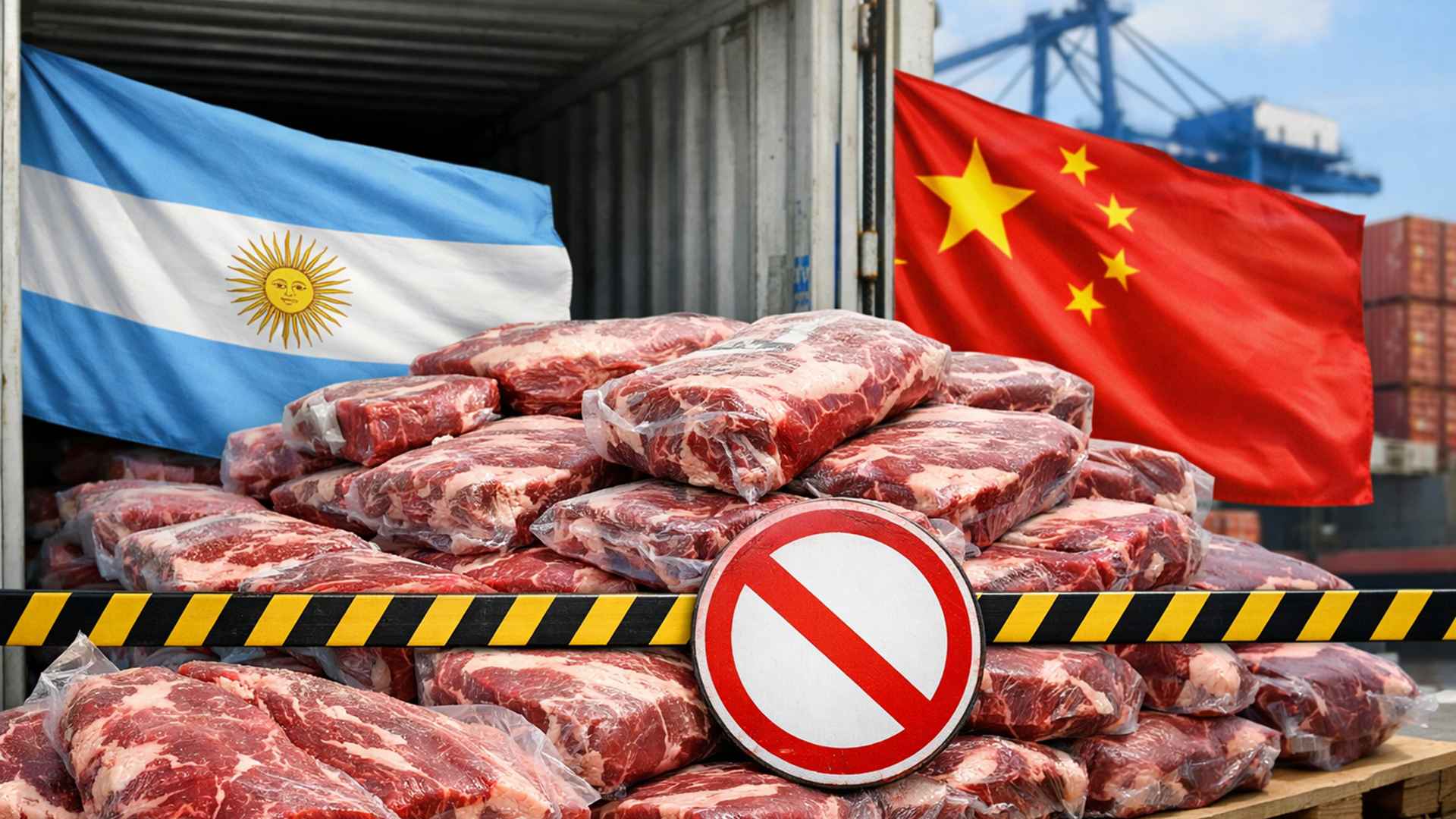
China banned the export of 22 tons of meat from Argentina.
-
JBS, founded by the Batista brothers, continues to conquer the world: entrepreneurs built a ‘factory in the desert’ creating 3,000 jobs.

-
With only 1% of Brazil’s territory, Santa Catarina has built one of the most competitive industrial parks in the country, with 64,000 companies, nearly 1 million jobs, and a growth rate of 5.3% while the national industry is practically stagnant.


More than 70% of the food consumed in the country comes from the hands of family farmers, according to the Ministry of Agricultural Development and Family Agriculture (MDA).
This new legal framework reinforces the role of these families in food production, environmental preservation, and social inclusion.
In addition to ensuring credit and structural policies, the law recreates the National Council for Sustainable Rural Development (Condraf) and establishes the Food Donor Seal, measures that strengthen social participation and encourage donations and the fight against waste.
With this, Brazil consolidates a new era for the countryside, where sustainable development and social justice walk hand in hand, boosting the rural economy and environmental balance.
Rural Financing for Family Agriculture: New Horizons of Credit and Opportunities
The new law profoundly transforms access to credit for family agriculture in Brazil, making Pronaf a permanent and legally protected instrument.
Created in 1995, the program is the main public means of rural financing aimed at small producers and traditional communities.
It supports agricultural and non-agricultural activities, both individual and collective, always focused on generating income, innovation, and sustainability.
Pronaf encompasses several specific credit lines that have become pillars of local development. Among the main ones are:
- Pronaf More Food – aimed at investments in productive infrastructure and increasing the income of rural families.
- Pronaf Agroindustry – directed at the processing, marketing, and commercialization of agricultural and extractive products.
- Pronaf Bioeconomy – aimed at promoting sustainable technologies, renewable energy, and efficient water management.
- Pronaf Forestry – credit for agroforestry systems, sustainable management, and recovery of degraded areas.
- Pronaf Women and Pronaf Youth – lines created to ensure equal opportunities, support family succession, and strengthen the role of women and youth in the countryside.
These modalities connect productive credit with environmental preservation and social inclusion, strengthening the rural economic cycle.
Pronaf also supports rural tourism, artisanal agroindustry, and the adoption of agroecological practices, promoting balanced development between economy and environment.
Institutionalization of the Permanent Safra Plan: Stability for the Producer and Legal Security for the Sector
The new legal framework consolidates the Safra Plan for Family Agriculture as a permanent public policy, ensuring predictability and long-term planning for those who live off the land.
After being discontinued in 2019, the Safra Plan was resumed in 2023 and now has continuity assured by law.
For the 2025/2026 harvest, the government allocated R$ 89 billion to rural credit for family agriculture in Brazil, one of the largest amounts ever recorded in the program’s history.
This investment gives breathing room to small producers, land reform settlers, quilombolas, indigenous peoples, artisanal fishers, and extractivists.
From now on, political changes will no longer be able to interrupt resources or alter the functioning of the plan, bringing stability and confidence to the countryside.
Lucimar Abreu and Lauro Pereira, researchers at Embrapa Meio Ambiente, highlight that this measure represents a “historic advancement” for the sector.
According to them, Pronaf and the Safra Plan, by becoming state policies, strengthen the role of family agriculture in food security and sustainable development.
In addition, the new legal framework recreates Condraf, an organ for dialogue between the government and civil society, and prevents its extinction by presidential decree, ensuring continuous and democratic social participation in decisions that shape the future of the countryside.
The institutionalization also expands legal security for small producers, an essential step to consolidate the public policy of rural family credit as the foundation of the Brazilian rural economy.
Agroecological Transition in Family Agriculture in Brazil: Sustainability and Climate Adaptation at the Center of Public Policies
The strengthening of family agriculture in Brazil also represents progress for sustainability and adaptation to climate change.
According to studies by Embrapa, family farmers are essential for the agroecological transition as they combine food production with practices that preserve soil, water, and biodiversity.
The new law recognizes the importance of these practices and incorporates them into national rural development guidelines. This includes incentives for organic production, crop diversification, and the use of clean technologies.
Thus, the country reinforces its commitment to the reduction of regional inequalities and the construction of a more inclusive and balanced agricultural model.
The legal framework also promotes greater integration between science, innovation, and traditional knowledge, broadening the dialogue between public institutions and local communities.
This movement brings Brazil closer to global sustainability goals and positions family agriculture as a central axis of environmental and food security policies.
Pereira emphasizes that transforming Pronaf and the Safra Plan into permanent policies is to ensure that the small rural producer is a leading figure in sustainability.
“With institutional stability, the farmer can plan their production, invest in technology, and care for the environment with security and autonomy,” explains the researcher.
By recognizing the strategic role of family farmers, the country consolidates a solid foundation for sustainable development and food sovereignty, with direct positive impacts on the economy, job creation, and poverty reduction in rural areas.
Legal Security for Small Producers: The Strengthened Brazilian Countryside
The family agriculture in Brazil now has unprecedented legal protection. The approved law unifies five projects to strengthen the sector and establishes that government support can no longer be interrupted by administrative decisions.
This ensures stability for millions of families and rural communities, creating conditions for the countryside to become more productive, sustainable, and fair.
With this new structure, Brazil guarantees that family farmers continue to produce healthy and sustainable food, regardless of political changes.
This legal security represents a civilizational milestone for the countryside, recognizing that family agriculture is an essential part of the country’s economic, social, and environmental future.
In a global scenario of climatic and food challenges, the strengthening of family agriculture reaffirms Brazil’s commitment to sustainable development and food sovereignty.
Thus, family agriculture in Brazil continues to be a pillar of a modern, inclusive, and ecologically responsible rural economy, capable of feeding the country and preserving the planet.









Seja o primeiro a reagir!