





 Portuguese
  English
  Spanish
  3 min of reading
  0 comments


During COP 30 in Belém, MDA Will Reinforce the Role of Family Farming in Brazil in Environmental Conservation and the Valuation of Forest Peoples
The family farming in Brazil gains international prominence with the participation of the Ministry of Agrarian Development and Family Agriculture (MDA) at the Biodiversity Space during COP 30 in Belém (PA), according to a news article published.
The event, which will take place from November 10 to 21, 2025, will bring together global leaders and representatives from various sectors to discuss the climatic future of the planet, with the Amazon biome as the central focus for the first time.
The space coordinated by the MDA will bring the essence of Brazilian sociobiodiversity, with products, knowledge, and traditions that connect sustainability and development.
-
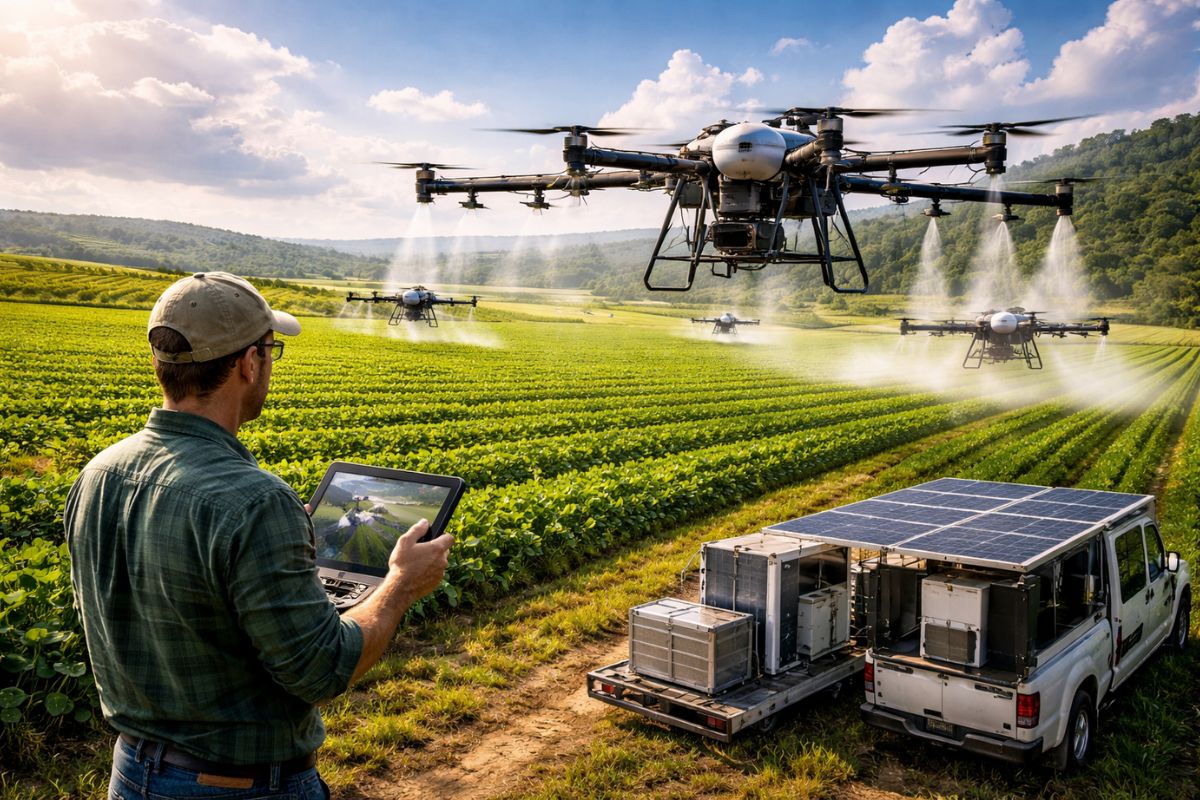
Alone, the producer applies 7,400 hectares with the T100 drone in an optimized structure, replaces the generator with a silent battery, and demonstrates how technology reduces costs, increases productivity, and even challenges the uniport in the field.
-
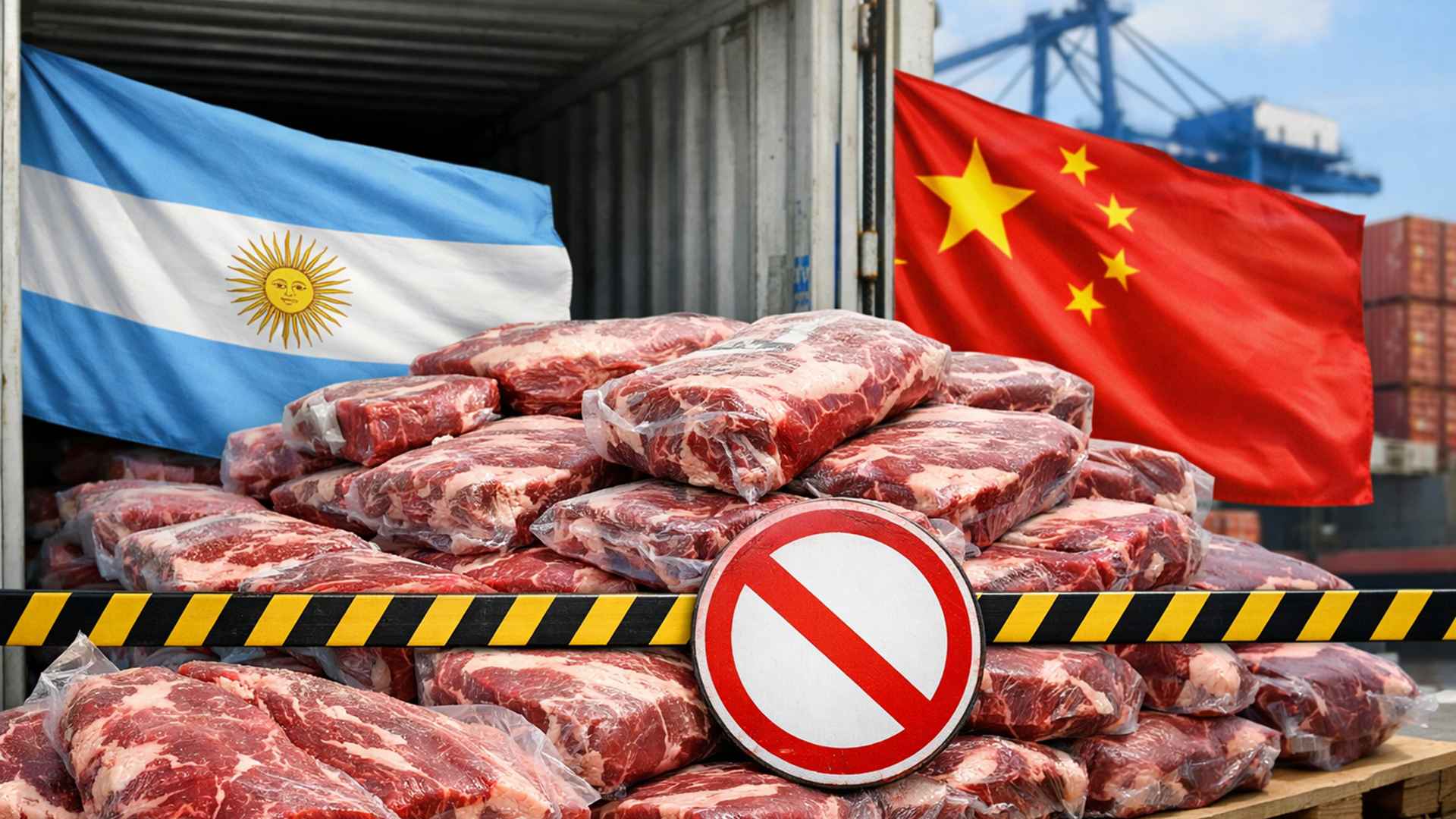
China banned the export of 22 tons of meat from Argentina.
-
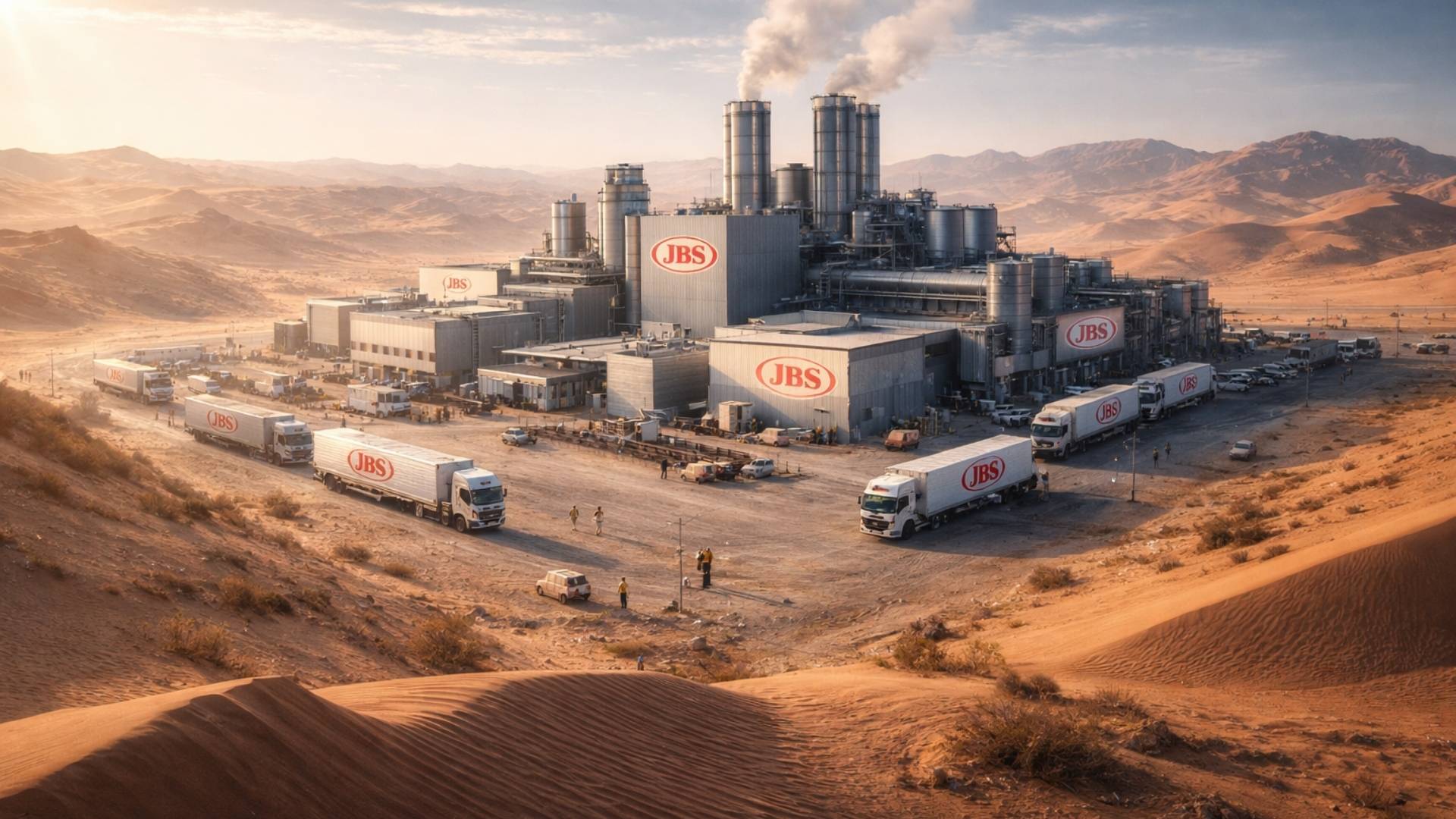
JBS, founded by the Batista brothers, continues to conquer the world: entrepreneurs built a ‘factory in the desert’ creating 3,000 jobs.
-
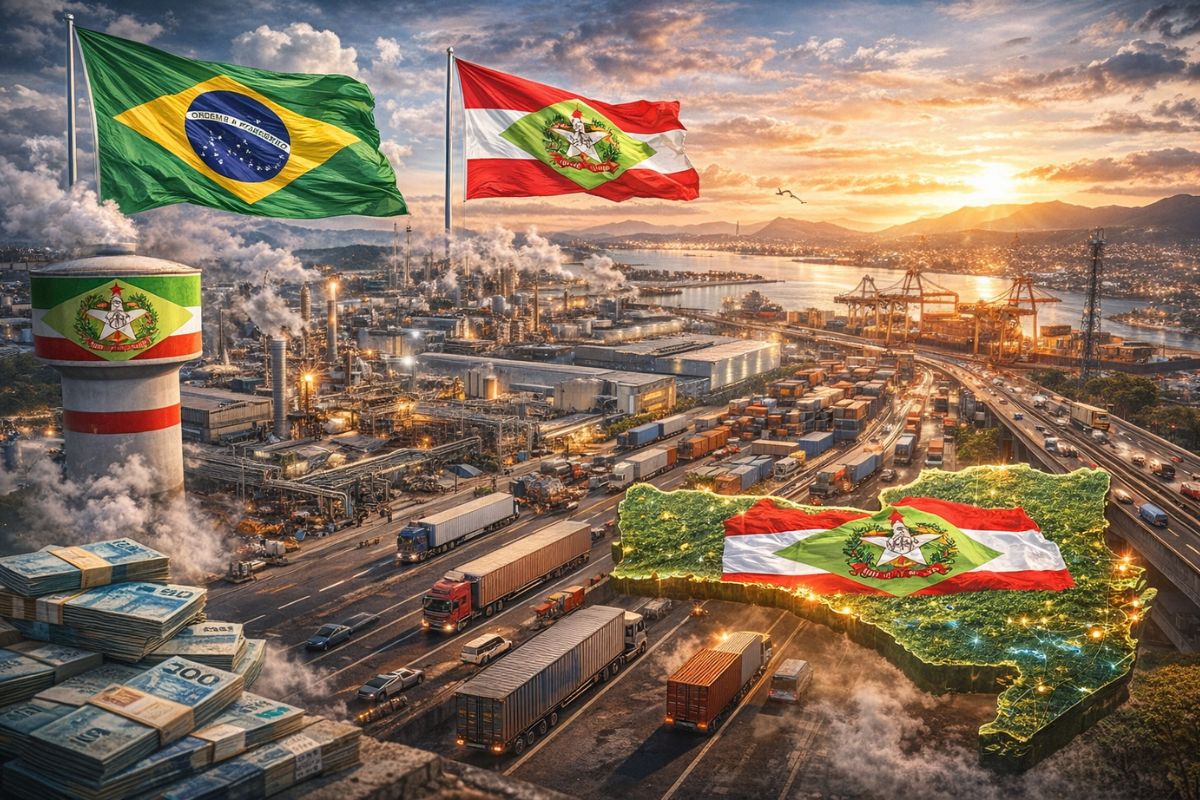
With only 1% of Brazil’s territory, Santa Catarina has built one of the most competitive industrial parks in the country, with 64,000 companies, nearly 1 million jobs, and a growth rate of 5.3% while the national industry is practically stagnant.

Strengthening Sustainable Family Farming and Valuing Brazilian Biomes
In the heart of the Green Zone, Biodiversity Space – Sustainable Products from Brazil will be a showcase of the productive wealth of the country’s five biomes.
With the support of the MDA, the location will gather exhibitors from all regions, presenting products such as cajuína, artisanal cachaças, rapadura, beiju, dulce de leche, cookies, stationery, and pieces produced by indigenous people and local artisans.
This showcase reinforces the role of sustainable family farming as an essential tool for food security, income generation, and environmental conservation.
Sustainable family farming is a production model based on the balanced use of natural resources and the valorization of traditional practices.
Small farmers, indigenous peoples, and traditional communities cultivate and produce respecting the cycle of nature, promoting proper soil management and avoiding deforestation.
In Brazil, more than 70% of the food consumed domestically comes from family farming, demonstrating its economic and social importance.
Institutional Partnerships Strengthen Family Farming in Brazil at COP 30
The presence of the MDA at the event represents a milestone for family farming in Brazil, especially in a global forum like COP 30.
The ministry coordinates the initiative together with the Secretariat-General of the Presidency of the Republic (SG/PR), the Ministry of Environment and Climate Change (MMA), the Ministry of Labor and Employment (MTE), the Ministry of Entrepreneurship, Microenterprise and Small Business (MEMP), and Funai.
This inter-ministerial articulation creates concrete opportunities for Amazonian bioeconomy, connecting innovation, culture, and sustainability.
The goal is to show that it is possible to produce while respecting nature, strengthening local productive chains, and expanding access to new markets.
In addition to promoting sociobiodiversity products, the space will be a stage for cultural interventions and regional artistic expressions, valuing identities that have preserved the country’s environmental heritage for centuries.
During the event, the MDA Food Acquisition Coordinator, Lucas Lemos, will accompany the activities and represent the ministry in discussions about public policies aimed at family farming and sustainable productive inclusion.
Amazonian Bioeconomy and Social Innovation in the Development of Family Farming
The MDA brings a strong message to COP 30: there is no ecological transition without social justice.
The valuation of forest peoples and the recognition of the role of traditional communities are fundamental for maintaining the Amazonian bioeconomy, which is growing in importance in global climate discussions.
In practice, the event reinforces the need for public policies that encourage families to stay in the countryside, ensuring conditions for sustainable production and access to fair markets.
The Biodiversity Space symbolizes this convergence between green economy and social inclusion, showing the world that Brazil can be a reference in low environmental impact agricultural practices.
With the strength of family farming in Brazil, the country reaffirms its commitment to sustainable development and the protection of the Amazon.
The integrated action of the MDA and its institutional partners during COP 30 will be a milestone to strengthen the protagonism of those who live and produce in harmony with Brazilian ecosystems.
- Location: Green Zone Space – Belém (PA)
- Date: November 10 to 21, 2025 – from 9 AM to 8 PM
- Contact: (61) 9844-0450 – Lucas Lemos (Food Acquisition Coordinator – MDA)







Seja o primeiro a reagir!