





 Portuguese
  English
  Spanish
  4 min of reading
  0 comments


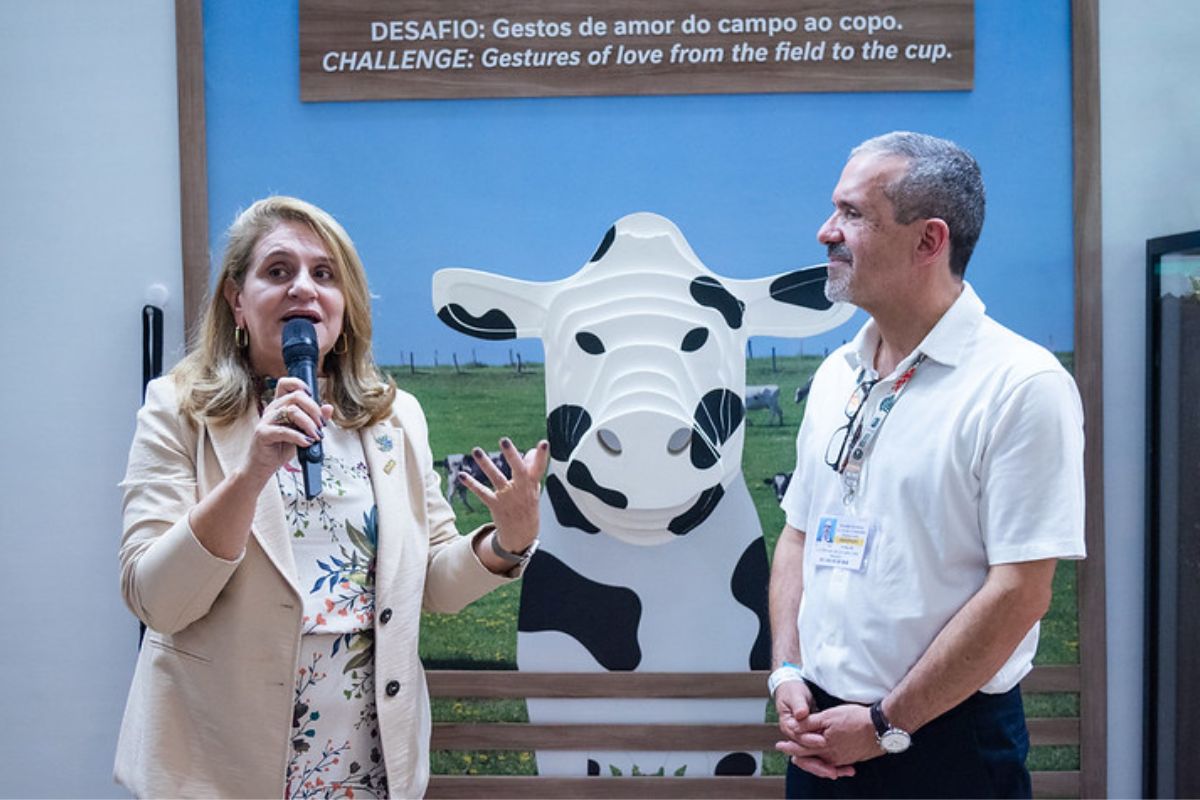
The Partnership Between Embrapa and Nestlé Brazil Creates New Projects Aimed at Regenerative Agriculture, Whose Goal is Innovation to Reduce Agricultural Emissions Throughout the Country
Regenerative agriculture gains new momentum in Brazil with the signing of a strategic agreement between Embrapa and Nestlé Brazil, announced during AgriZone in Belém, according to a report published.
The partnership, established in the context of COP30, seeks to accelerate the development of sustainable technologies and strengthen productive practices capable of reducing greenhouse gas emissions in the dairy and cocoa supply chains.
The initiative marks a new phase of cooperation between the institutions, which have been developing joint actions aimed at increasing efficiency and sustainability in Brazilian agriculture for three decades.
-
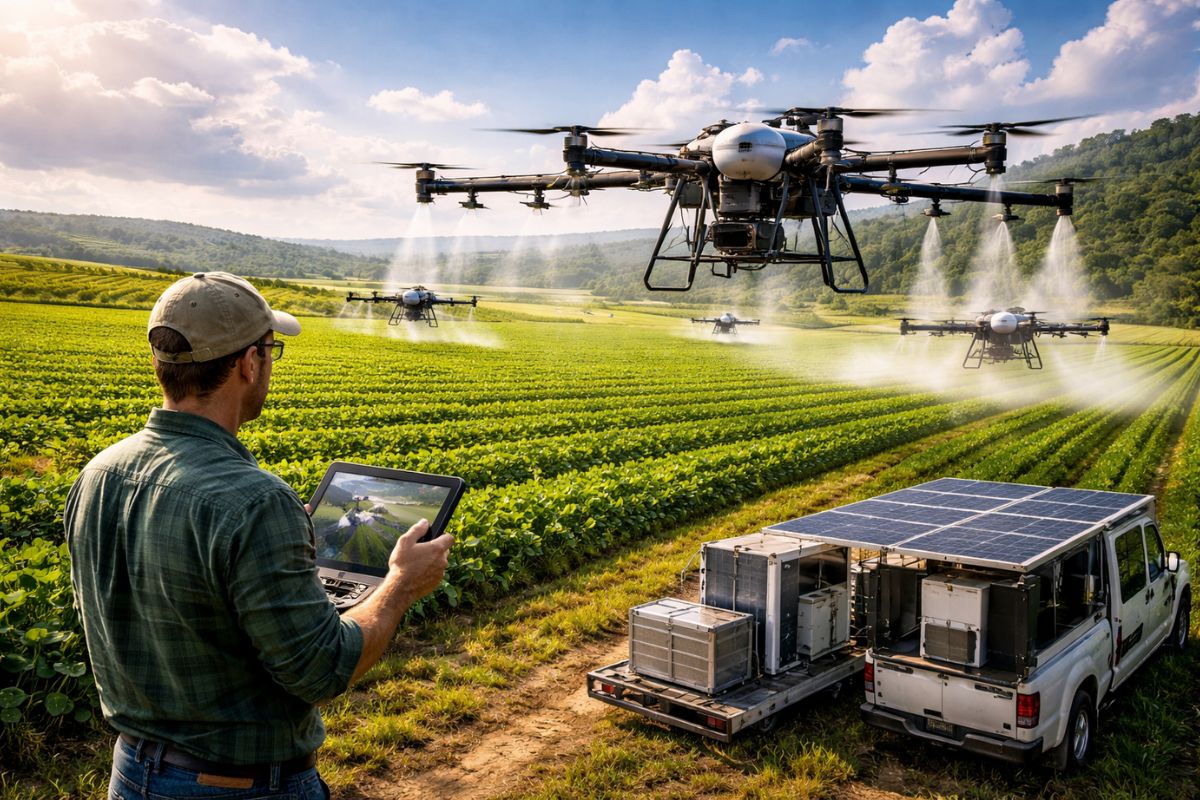
Alone, the producer applies 7,400 hectares with the T100 drone in an optimized structure, replaces the generator with a silent battery, and demonstrates how technology reduces costs, increases productivity, and even challenges the uniport in the field.
-
China banned the export of 22 tons of meat from Argentina.

-
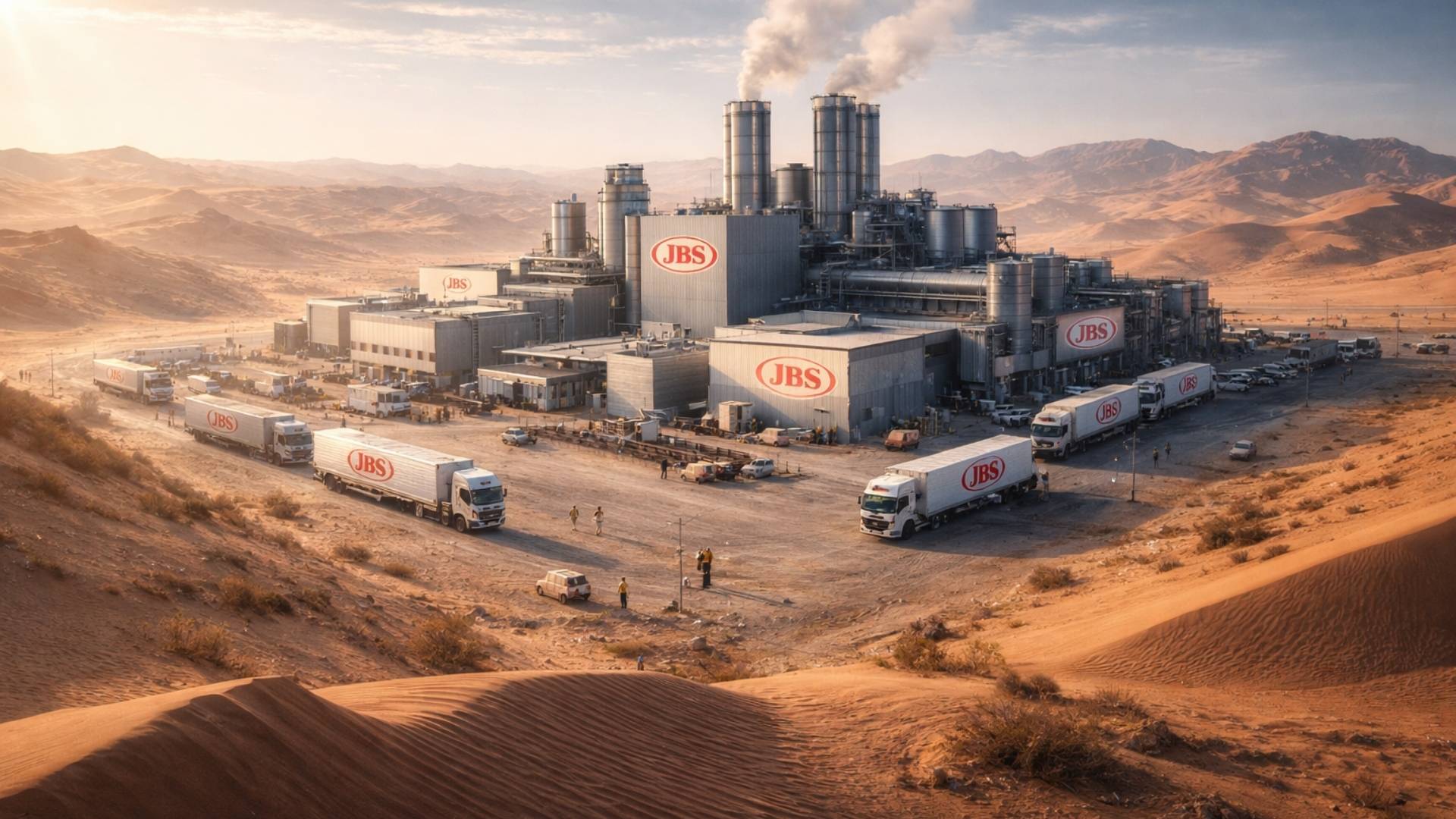
JBS, founded by the Batista brothers, continues to conquer the world: entrepreneurs built a ‘factory in the desert’ creating 3,000 jobs.
-
With only 1% of Brazil’s territory, Santa Catarina has built one of the most competitive industrial parks in the country, with 64,000 companies, nearly 1 million jobs, and a growth rate of 5.3% while the national industry is practically stagnant.


The agreement establishes two initial projects: the first dedicated to analyzing the emission profile of lactating cows submitted to different diets; the second focused on agroforestry systems for sustainable cocoa cultivation.
The proposal is to integrate science and field practice to develop scalable solutions, promoting decarbonization and reinforcing Brazil’s role as a global reference in sustainable agricultural production.
Innovation in Low-Carbon Milk and Impact on the Production Chain
The new agreement expands the reach of the low-carbon milk program, which originated in 2021 with the goal of reducing emissions in the dairy sector.
The focus is on applying Embrapa’s scientific methodologies to quantify greenhouse gases and optimize herd feeding, contributing to carbon neutrality by 2050, a global goal of Nestlé.
Silvia Massruhá, President of Embrapa, emphasized that the partnership “reflects a joint commitment to a more sustainable agriculture, integrating economy, environment, and society.”
This synergy aims to transform farm management, ensuring efficiency without compromising natural resources.
Marcelo Melchior, CEO of Nestlé Brazil, reinforced that the cooperation “represents an important step forward in creating healthier and more resilient food systems,” strengthening the transition to regenerative production models.
The history between the two institutions is robust: in 2006, they launched the Good Practices Program in Dairy Farms, certified in 100% of Nestlé’s partner properties by 2017.
This work resulted in manuals that became references for national hygiene and management standards, consolidating the technical foundation that now supports new research in regenerative agriculture.
Sustainable Cocoa and Regenerative Agroforestry Systems
In addition to milk, the agreement prioritizes the development of sustainable cocoa, focusing on agroforestry systems (SAFs) adapted to Amazonian conditions.
Brazil, which was once the world’s largest cocoa producer, has the potential to regain self-sufficiency in an environmentally balanced way.
The goal is to expand cultivation in areas of forest integration, reducing deforestation and improving climate resilience.
SAFs combine native species and agricultural crops, ensuring shading and maintenance of biodiversity.
In this context, regenerative agriculture acts as a central axis, promoting soil restoration and efficient use of water resources.
Embrapa and Nestlé plan to invest in genetic research and the improvement of planting techniques that increase productivity and carbon capture in the soil.
The public-private partnership is seen as a model of scientific cooperation aimed at sustainable development.
The adoption of regenerative technologies in cocoa crops could make Brazil a global example in the integration of agricultural production and environmental preservation, especially in sensitive regions like the Legal Amazon.
Agricultural Decarbonization and the Role of Applied Science
Regenerative agriculture also stands out as a key tool in the agricultural decarbonization agenda, aligned with the international commitments made by the country.
The agreement provides for the creation of sustainability indicators that measure the real impact of the adopted practices.
This approach reinforces the importance of applied science in shaping scalable policies and production models.
The cooperation between Embrapa and Nestlé strengthens the role of public research in building practical solutions for the field.
The union of technical knowledge and market experience allows for the development of strategies that reconcile productivity, competitiveness, and environmental responsibility.
For Brazilian agribusiness, this represents a strategic movement capable of strengthening the country’s image as a supplier of sustainable and low-carbon footprint food.
By integrating technological innovation, agroforestry systems, and practices of regenerative agriculture, the partnership indicates a new path for the future of the field, where food production aligns with environmental conservation and the social value of rural communities.








Seja o primeiro a reagir!