





 Português
  Inglês
  Espanhol
 3 min de leitura
  0 comentários


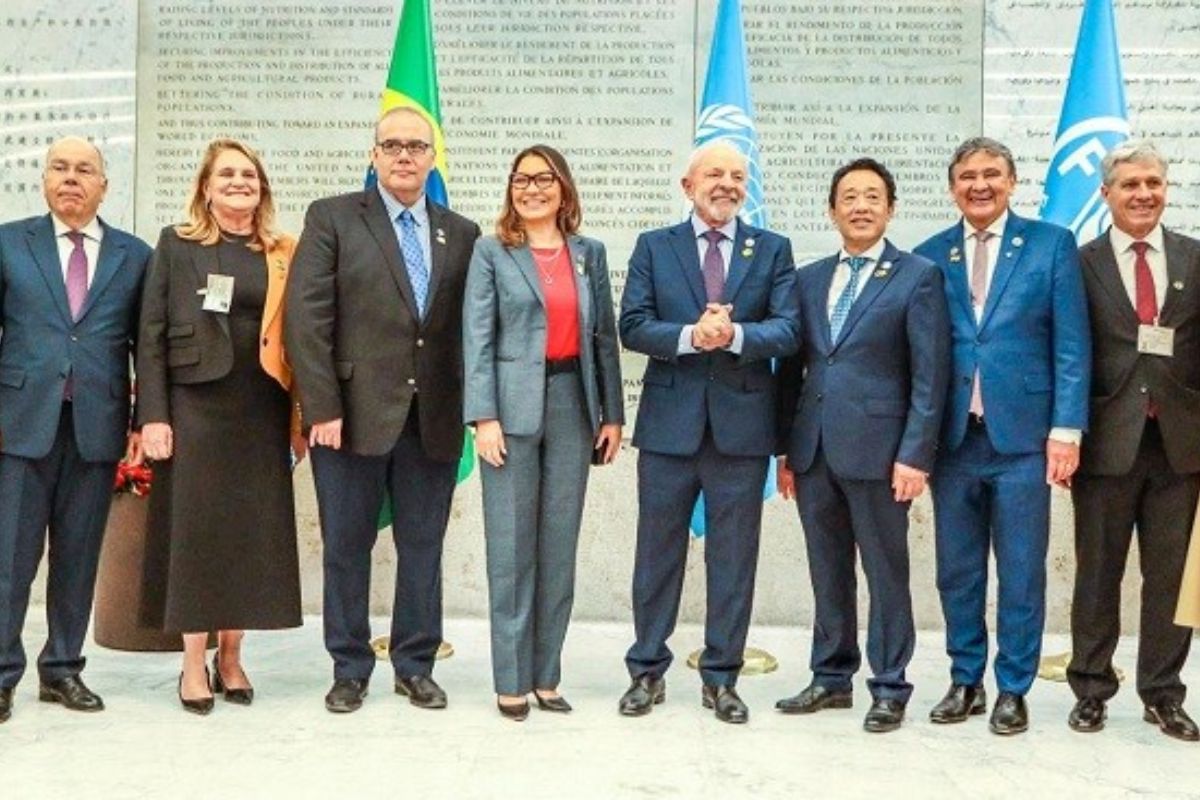
During the World Food Forum at FAO, Silvia Massruhá highlighted Brazilian resilient agriculture strategies focused on innovation, digital inclusion, and sustainable food security
Brazilian resilient agriculture gained international attention this week with the participation of Embrapa president Silvia Massruhá in events of the Food and Agriculture Organization of the United Nations (FAO) in Rome, according to a news article published.
From October 13 to 16, Massruhá was part of the delegation of President Luiz Inácio Lula da Silva, who also had an agenda at the Vatican with Pope Leo XIV.
During the World Food Forum (WFF) and the Science and Innovation Forum (SIF/FAO), the executive presented Brazil’s strategies to strengthen agricultural sustainability, technological innovation, and productive inclusion of small farmers.
-
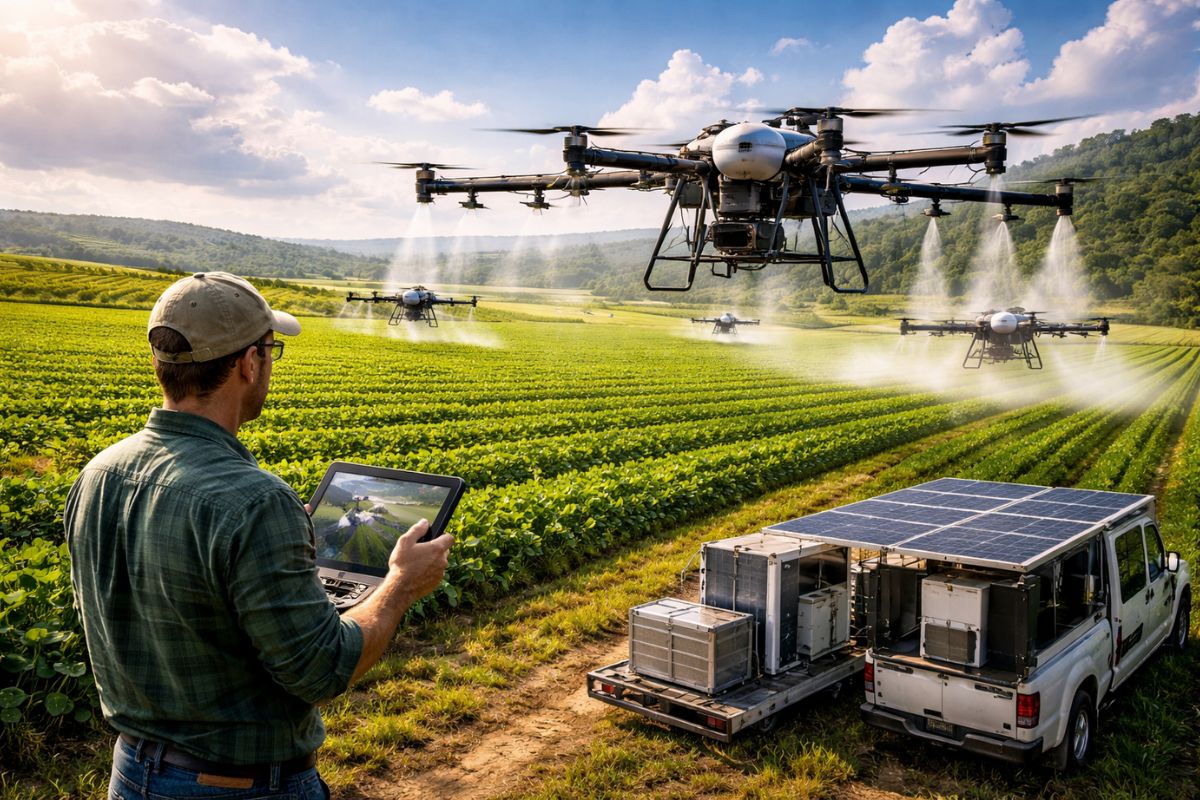
Alone, the producer applies 7,400 hectares with the T100 drone in an optimized structure, replaces the generator with a silent battery, and demonstrates how technology reduces costs, increases productivity, and even challenges the uniport in the field.
-
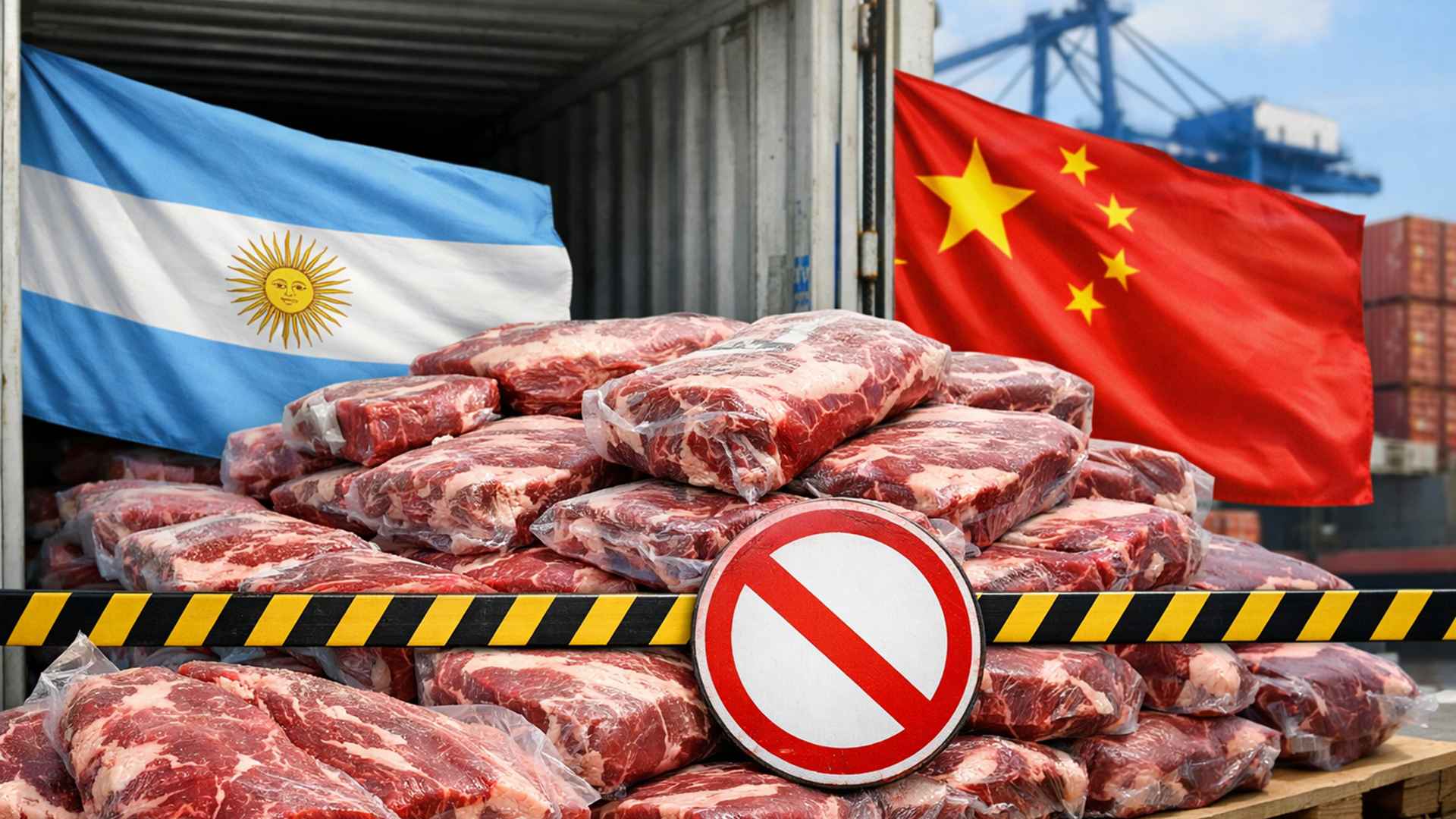
China banned the export of 22 tons of meat from Argentina.
-
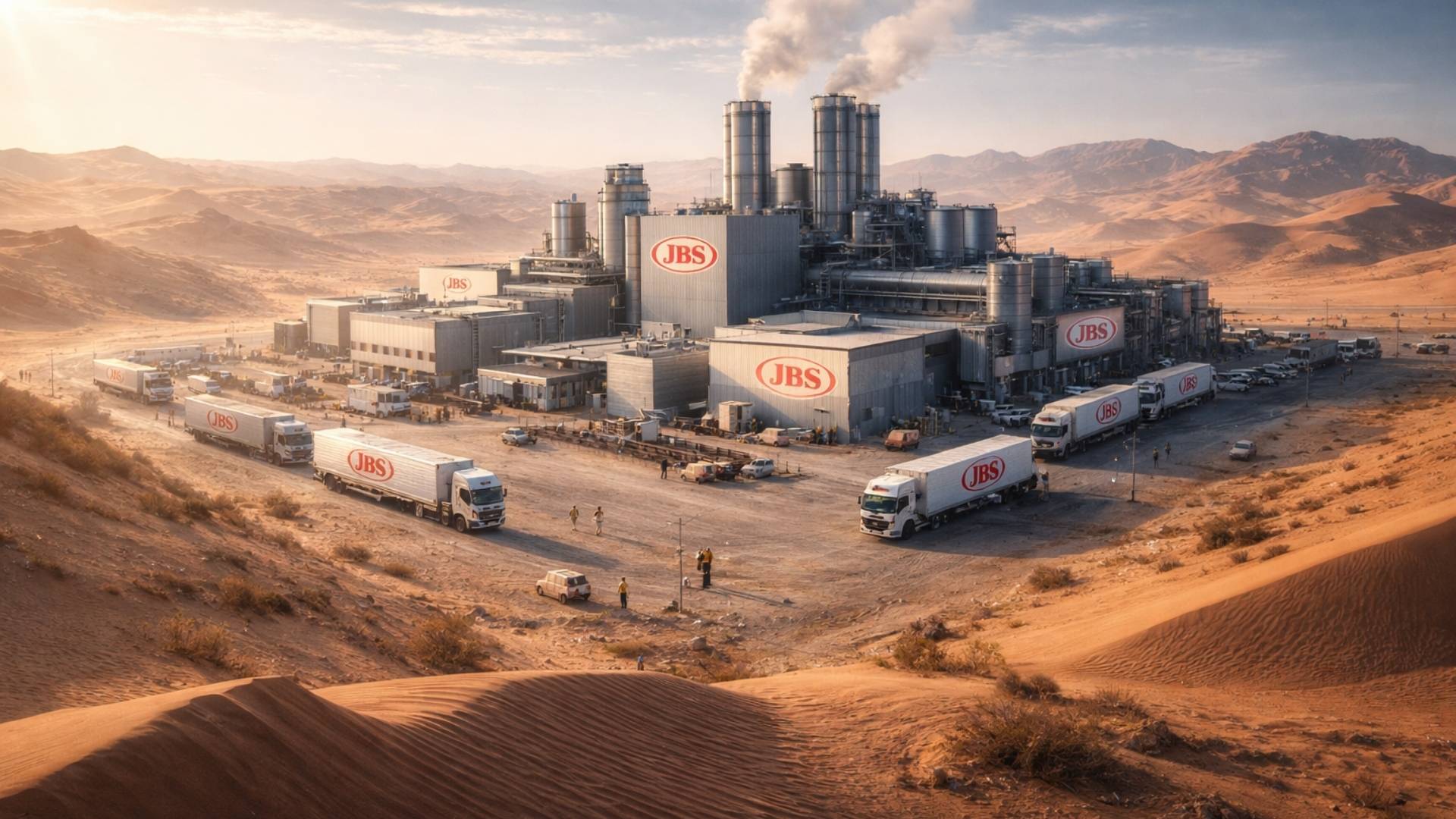
JBS, founded by the Batista brothers, continues to conquer the world: entrepreneurs built a ‘factory in the desert’ creating 3,000 jobs.
-
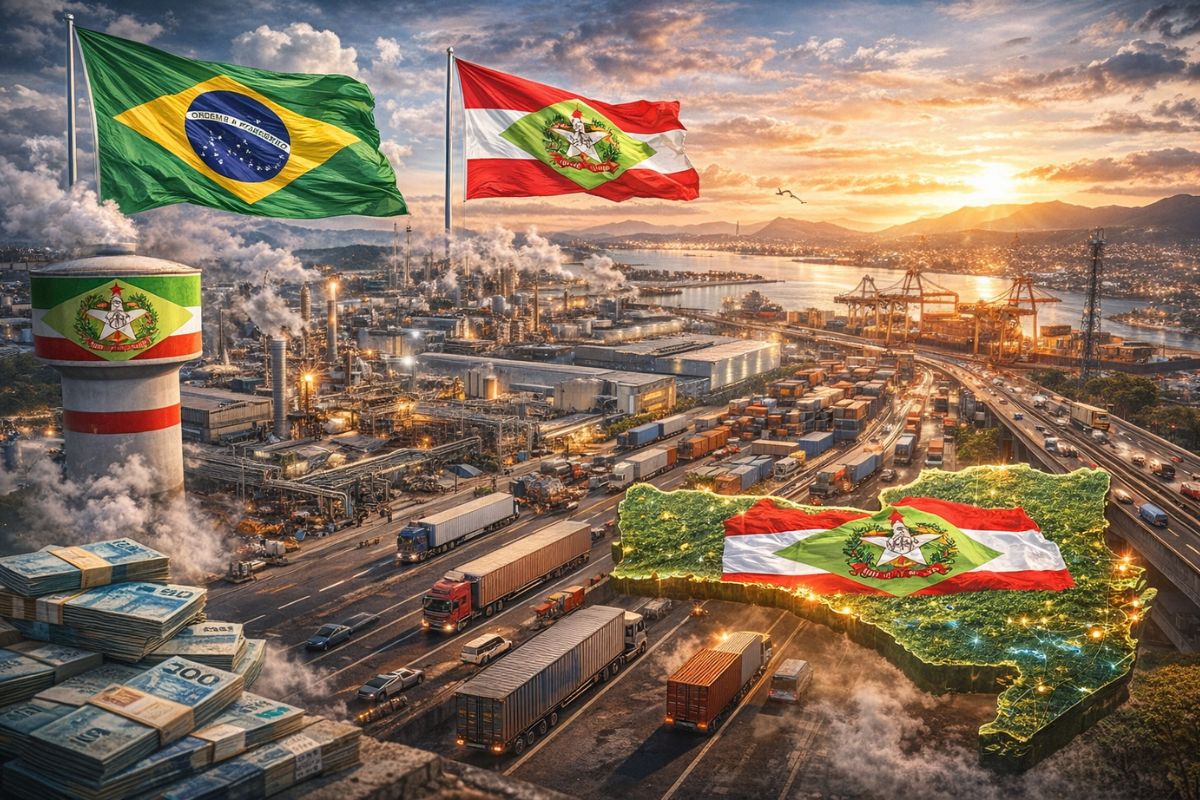
With only 1% of Brazil’s territory, Santa Catarina has built one of the most competitive industrial parks in the country, with 64,000 companies, nearly 1 million jobs, and a growth rate of 5.3% while the national industry is practically stagnant.

These actions reinforce the country’s commitment to climate adaptation and the fight against hunger and poverty, central pillars of the global agenda until 2030.
Technology Innovation and Family Farming at the Center of Sustainable Policies
Brazil presented to the FAO solutions that combine sustainable agricultural innovation with strengthening family farming.
In her participation in the panel “Driving Technologies and Innovations Toward Equitable Agrifood Systems Transformation”, Massruhá highlighted programs developed by Embrapa that expand access to technology and technical knowledge in the field.
Among the examples cited are the Agricultural Risk Zone Mapping (Zarc), Ater+ Digital, and Semear Digital, all aimed at reducing climate risks and promoting the efficient use of natural resources.
These initiatives result from a structured research and co-creation process that integrates producers, researchers, and public policy makers.
According to Massruhá, the goal is to generate real impact on the lives of small producers and strengthen regional production chains, promoting rural development and environmental balance.
Resilient Agriculture and Digital Inclusion Strengthen International Cooperation
During the bilateral meetings held at the FAO headquarters, the Brazilian delegation, led by Lula, met with Director-General Qu Dongyu and Bangladesh’s head of government, Mohammad Yunus.
Resilient agriculture was a central theme in discussions on strategic partnerships and international financing with organizations such as the Inter-American Development Bank (IDB) and CGIAR.
The president of Embrapa emphasized that Brazilian actions combine climate change mitigation, risk management, and digital inclusion.
This integrated approach demonstrates how technological innovation can accelerate the transition to more sustainable agri-food systems, contributing to the UN Sustainable Development Goals.
Food Security and Global Recognition of Brazilian Research
FAO recognized Embrapa’s prominence by selecting the institution for the FAO 80 Award, to be presented on October 15 at 12:30 PM (Brasilia time).
The recognition covers initiatives in global food security, trilateral cooperation, and best practices in innovation, highlighting the Balde Cheio program and the Marketplace.
In addition to the technical panel, Massruhá will participate on the 15th in the roundtable “Deepening International Cooperation on Poverty Reduction to Advance the 2030 Agenda for Sustainable Development,” reinforcing Brazil’s role in South-South cooperation and the scalability of sustainable solutions.
The agenda of the Brazilian delegation at FAO concludes on Thursday, October 16, with the return to the country.
Silvia Massruhá’s presence in Rome reinforces Brazil’s commitment to a resilient, innovative, and socially inclusive agriculture, consolidating the country as a global reference in agricultural sustainability and food system transformation.







Seja o primeiro a reagir!