





 Portuguese
  English
  Spanish
  3 min of reading
  1 comment




During COP 30, AgriZone Embrapa Highlights Sustainable Technologies, Bioeconomy, and Decarbonization Practices That Strengthen Brazilian Agribusiness in a Global Climate Change Scenario
The AgriZone Embrapa will be one of the major symbols of Brazil’s presence at the COP 30, which takes place from November 10 to 21 in Belém (PA), according to a report published.
The thematic space, coordinated by Embrapa and with strong involvement from the Ministry of Agriculture and Livestock (Mapa), promises to bring together science, innovation, and international cooperation for sustainable agriculture.
Located less than two kilometers from the official Blue Zone and Green Zone, AgriZone will welcome the public from 10 am to 6 pm, with free entry upon registration.
-
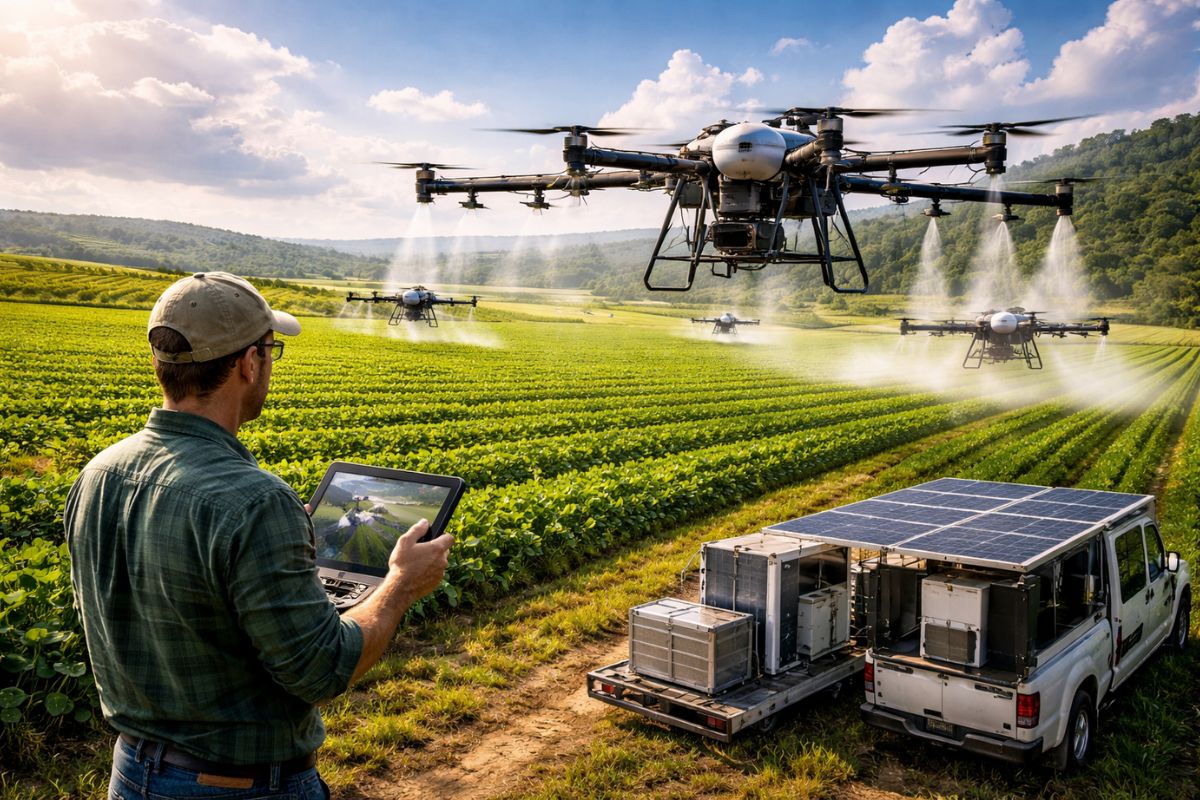
Alone, the producer applies 7,400 hectares with the T100 drone in an optimized structure, replaces the generator with a silent battery, and demonstrates how technology reduces costs, increases productivity, and even challenges the uniport in the field.
-
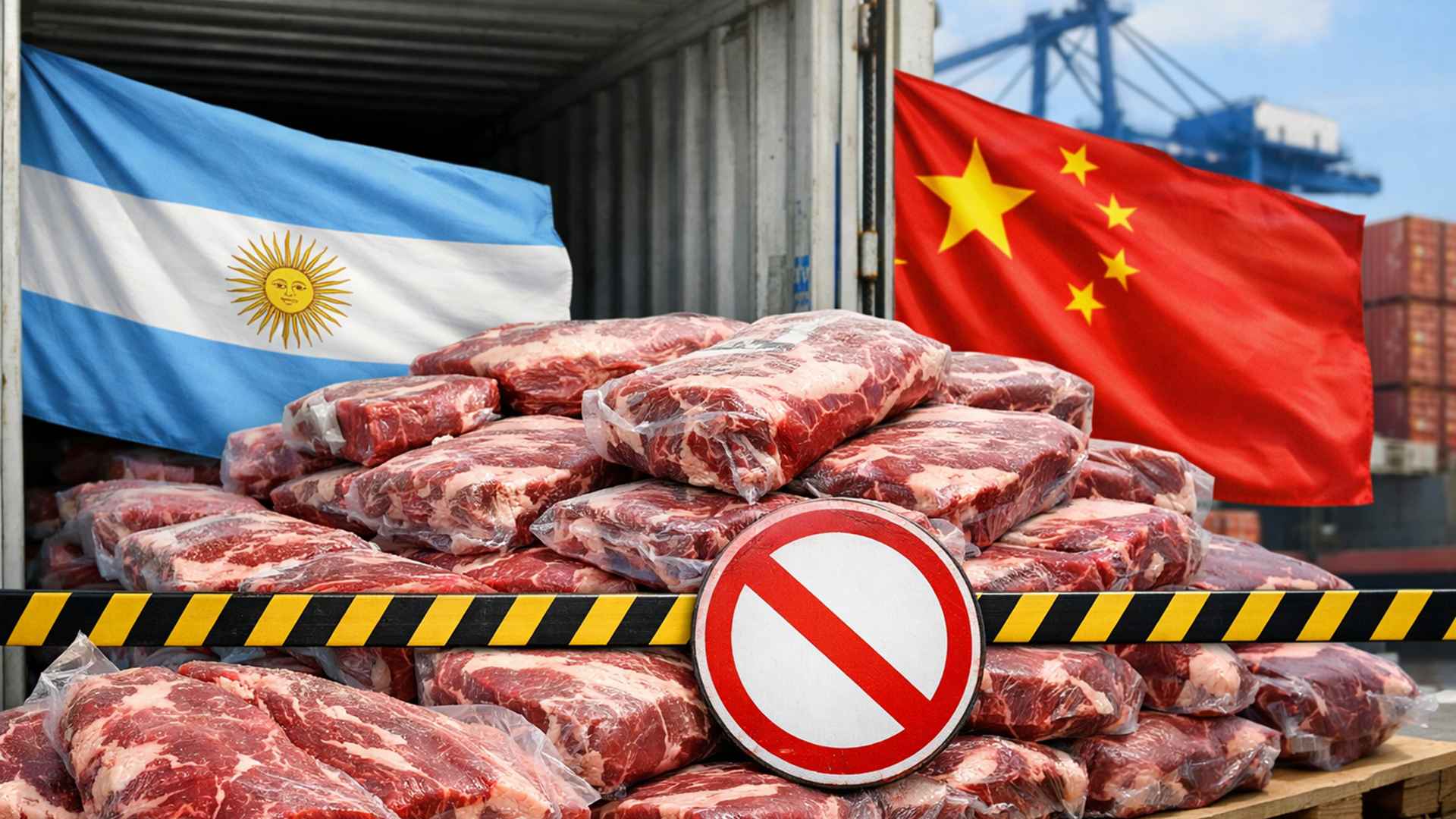
China banned the export of 22 tons of meat from Argentina.
-
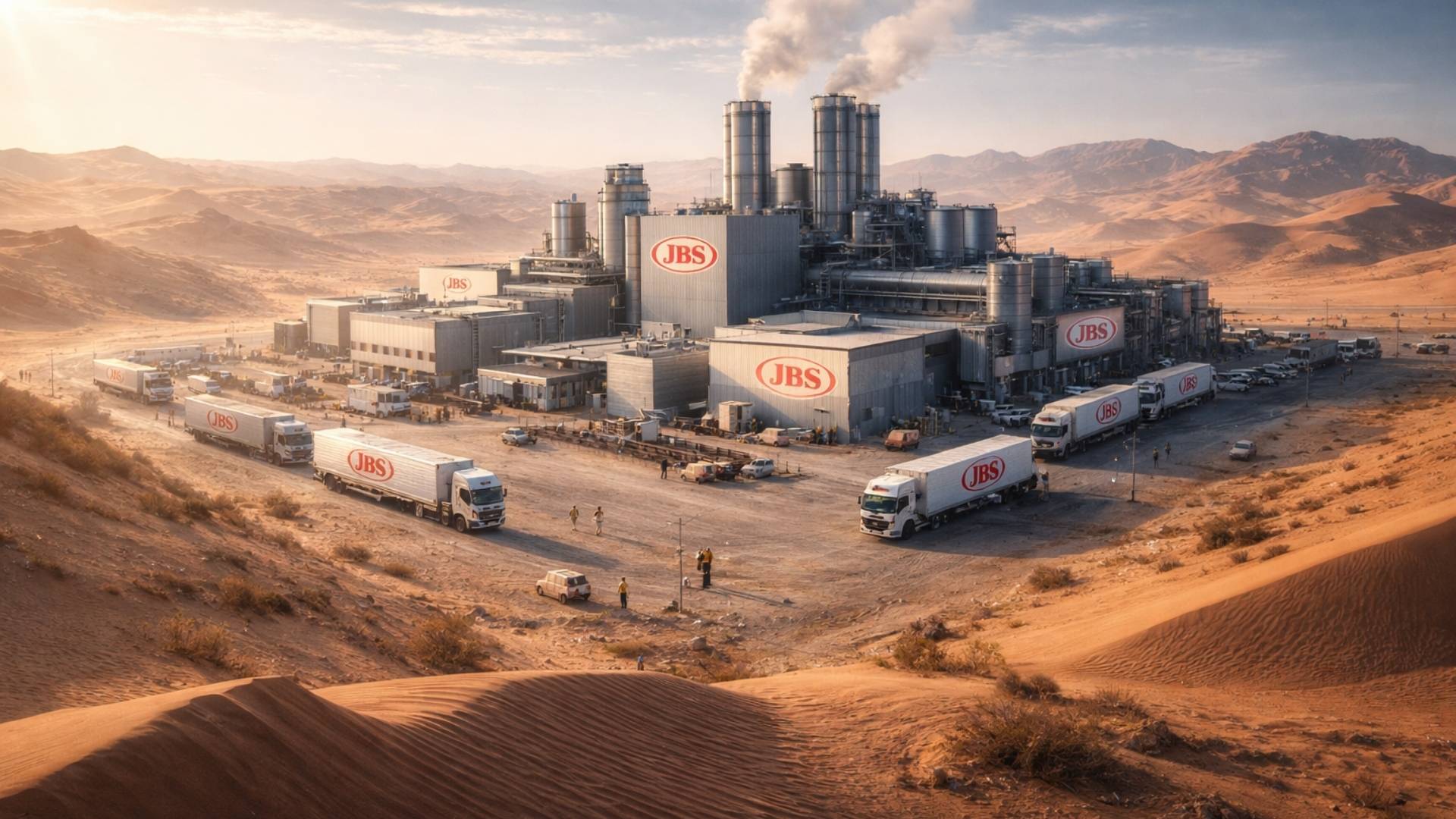
JBS, founded by the Batista brothers, continues to conquer the world: entrepreneurs built a ‘factory in the desert’ creating 3,000 jobs.
-
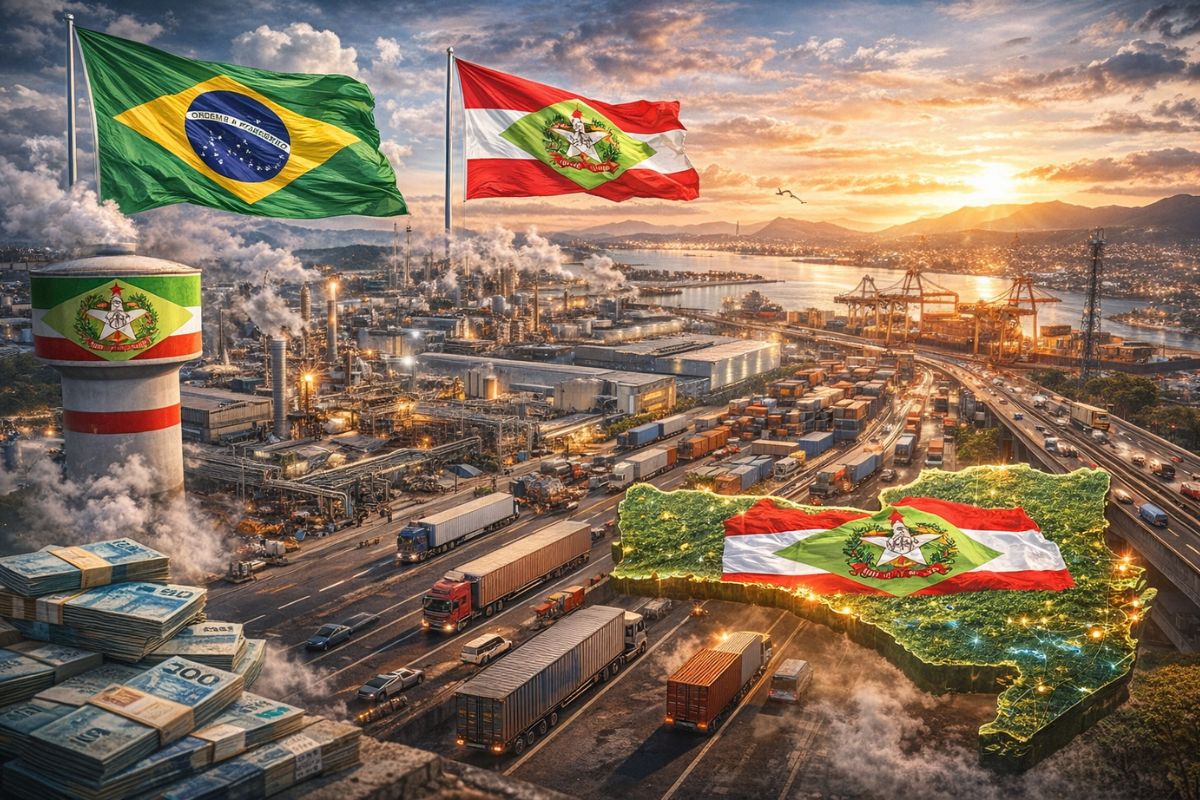
With only 1% of Brazil’s territory, Santa Catarina has built one of the most competitive industrial parks in the country, with 64,000 companies, nearly 1 million jobs, and a growth rate of 5.3% while the national industry is practically stagnant.

There will be about 400 events, including panels, exhibitions, gastronomic experiences, and technical debates demonstrating how Brazilian agribusiness can contribute to emission reductions and strengthen global food security.
According to Bruno Brasil, director of the Department of Sustainable Production and Irrigation at Mapa, the goal is to bring together representatives from governments, businesses, and civil society around a dialogue based on science and climate-resilient agricultural practices.
Bioeconomy and Rural Decarbonization Strengthen AgriZone Embrapa’s Presence in the Amazon
The AgriZone Embrapa will serve as a stage for strategic discussions on bioeconomy and decarbonization, two central pillars for the future of Brazilian agriculture.
The agenda includes topics such as the recovery of degraded areas, sustainable livestock farming, and climate financing.
These discussions reinforce Brazil’s role as a global reference in low-carbon production and environmental conservation.
Among the highlights, the panel “Green Path Brazil”, on November 17, will present Mapa’s actions to promote innovative agricultural practices that merge productivity and preservation.
On the same date, the event “One Health – One Health”, in partnership with the World Organisation for Animal Health (OIE), will show how the integration of animal, human, and environmental health contributes to global food security.
These initiatives illustrate the commitment of AgriZone Embrapa to solutions that connect sustainability and competitiveness, highlighting that agribusiness can be a leader in the ecological transition.
Sustainable Livestock Farming and Resilient Agriculture Highlighted in Event Debates
The AgriZone Embrapa will also highlight practical experiences that demonstrate the potential of Brazilian agriculture to adopt climate-resilient production models.
On November 11, the panel on methane mitigation in beef cattle will bring together Mapa and the Imaflora Institute around strategies to reduce emissions in the livestock sector.
On November 13, the meeting “Recovery and Conversion of Degraded Areas” will feature partnerships with the Brazil-Germany Agripolitical Dialogue (APD) to discuss technologies aimed at productive restoration.
Another highlight of the program is the “Castanheir@s and Sustainable Brazil Nut Program”, on the 15th, which emphasizes the Brazil nut chain as a vehicle for social inclusion and income generation in the Amazon.
The space reinforces that innovation and sustainability go hand in hand, showing how AgriZone Embrapa connects scientific knowledge and low-carbon agro-environmental practices.
International Cooperation and Technological Innovation Expand the Event’s Reach
The AgriZone Embrapa will also be a hub for cooperation among countries in Latin America and the Caribbean.
On November 18, the event “PLACA: Regional Cooperation in Agriculture and Climate Change” will bring together Mapa and the Ministry of Agrarian Development of Peru (Midagri) to strengthen regional sustainable agricultural policies.
On the 20th, the panel “Urubatan Piatã and Technology Transfer as Sustainable Development in the Amazon” will discuss the role of bioeconomy and the valorization of forest products in environmental conservation and income generation.
In addition, debates led by the OECD and the Center of Excellence in Plant Fertilizers and Nutrition (Cefenp) will discuss sustainable agricultural trade and circular economy in fertilizer use.
With around 400 activities and the presence of hundreds of institutions, the AgriZone Embrapa reinforces that Brazilian agribusiness is an essential part of the global climate solution. The complete program can be accessed on the event’s official portal.








Great article! I really appreciate the clear insights you shared – it shows true expertise. As someone working in this field, I see the importance of strong web presence every day. That’s exactly what I do at https://webdesignfreelancerhamburg.de/ where I help businesses in Hamburg with modern, conversion-focused web design. Thanks for the valuable content!