





 Portuguese
  English
  Spanish
 3 min of reading
  0 comments


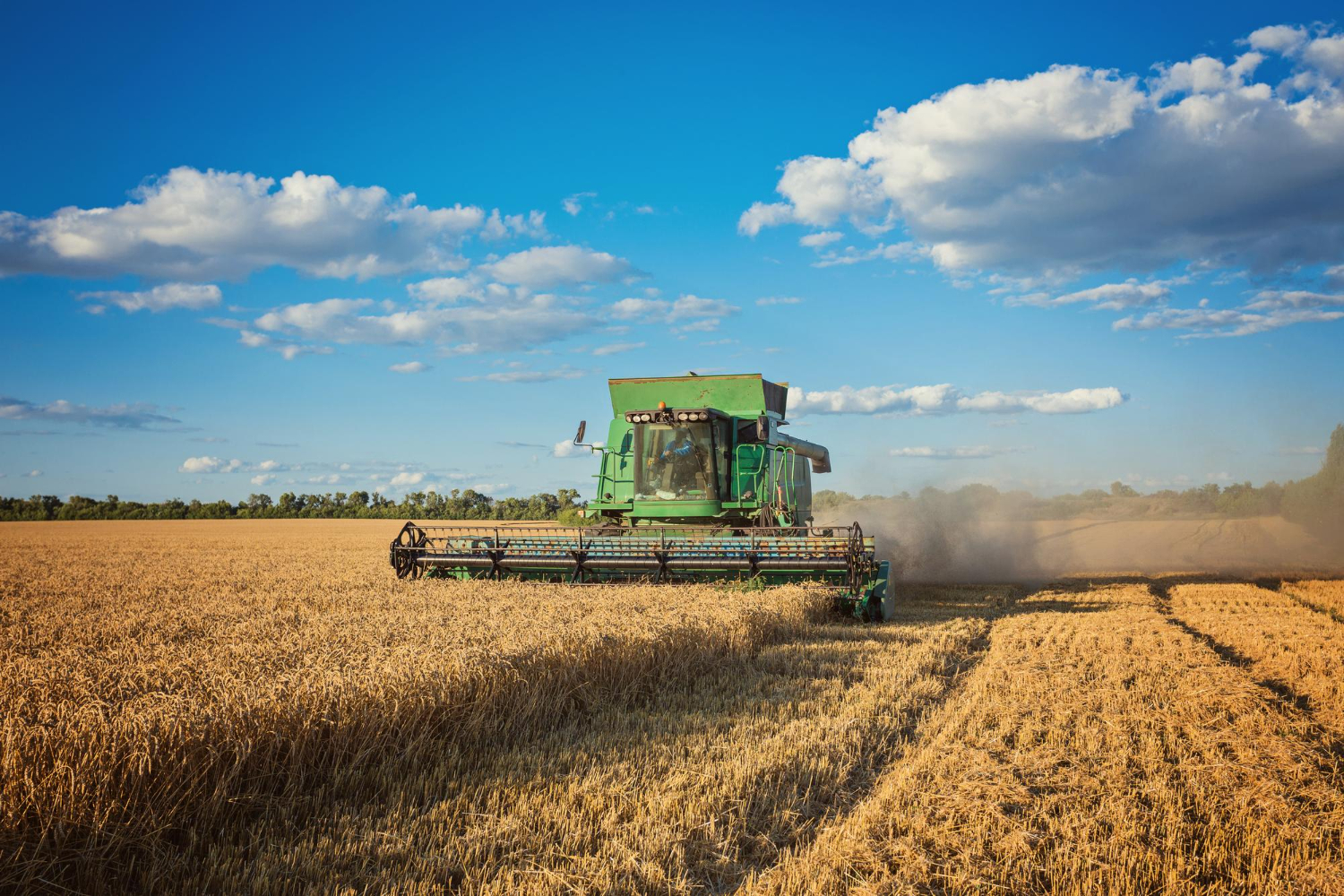
Conab Reinforces That Professionalization and Strategic Partnerships Are Essential to Strengthen Family Agriculture in Piauí, Expanding Markets and Promoting Sustainable Productive Inclusion
During the II Fair of Family Agriculture, Traditional Peoples and Solidarity Economy, held from October 23 to 25 at the Rosa dos Ventos Space of the Federal University of Piauí (UFPI) in Teresina, the National Supply Company (Conab) presented actions aimed at strengthening family agriculture in Piauí.
The event gathered more than 200 producers from 60 municipalities, highlighting the role of technical knowledge, good management, and strategic partnerships as pathways for the economic and social growth of the sector, according to a report published.
With the theme “Family Agriculture Is Sustainable Future,” the fair featured lectures, workshops, cultural presentations, and spaces for selling food, beverages, and handicrafts.
-
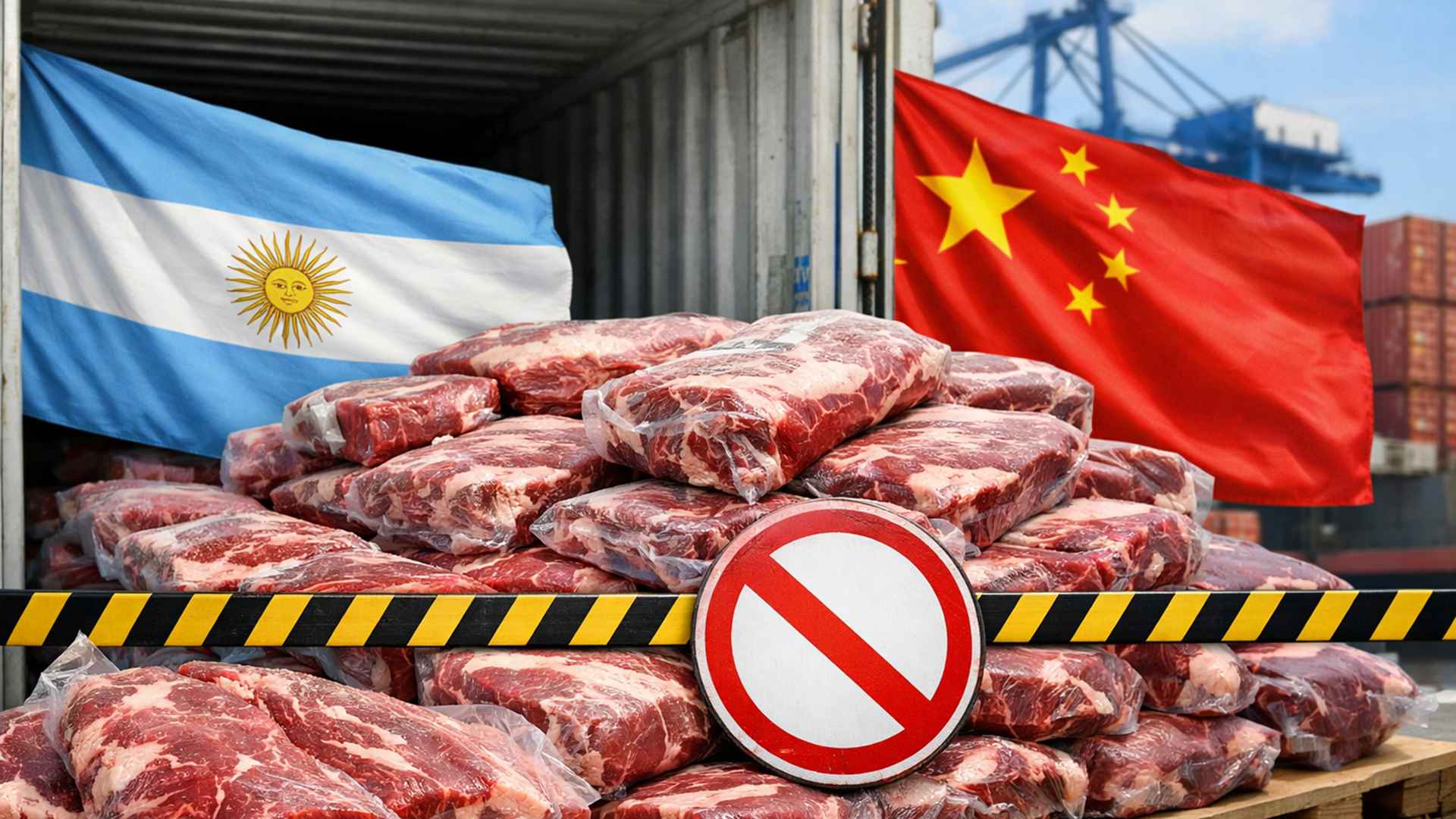
China banned the export of 22 tons of meat from Argentina.
-
While Russia dominates the global wheat market, Brazil emerges as an unexpected competitor in the Cerrado, offering grain available in July and August when stocks in the Northern Hemisphere are at their lowest point of the year.

-
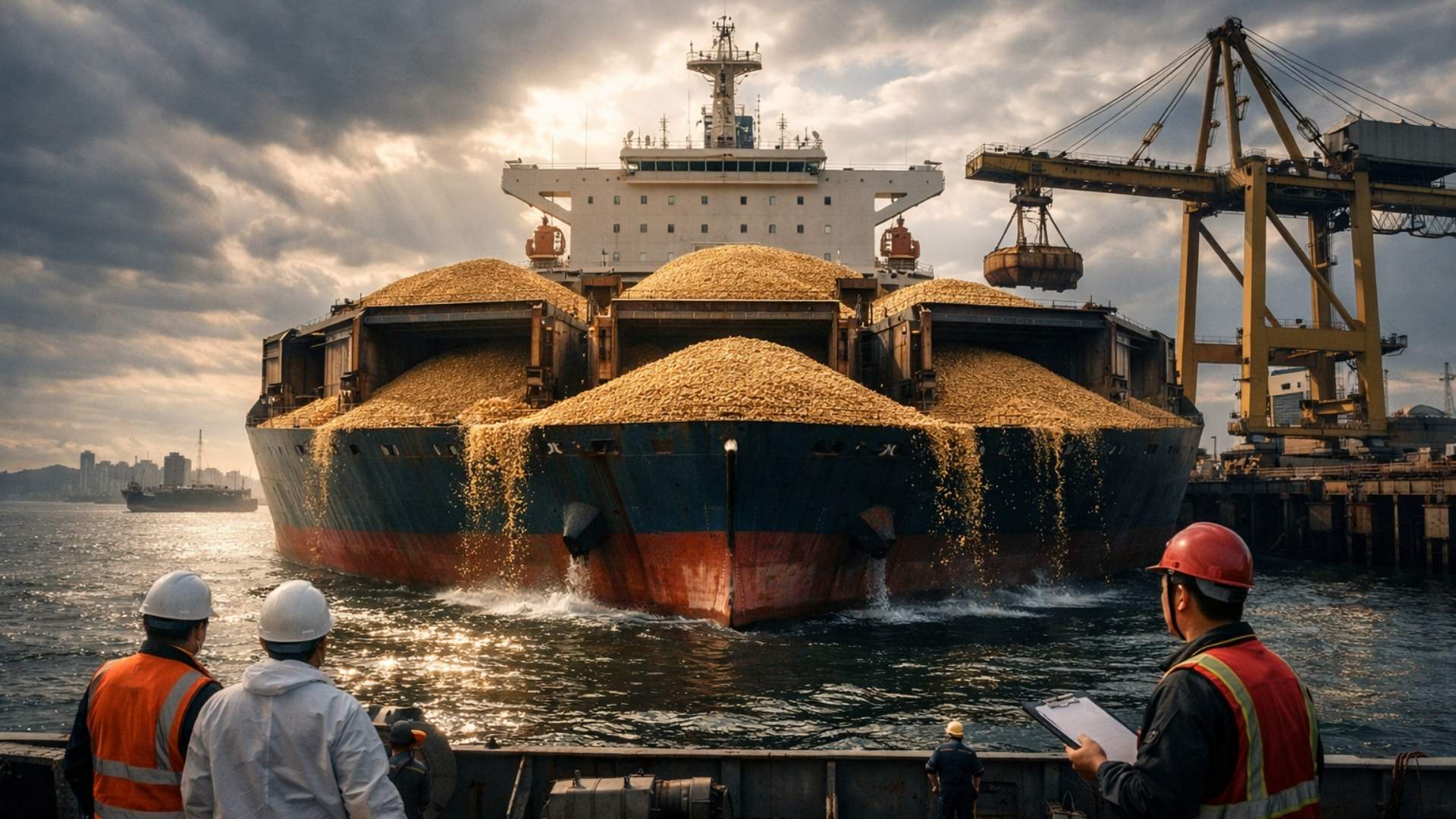
China returned almost 20 Brazilian ships with soybeans, but now everything could change: the country that buys 80% of the grain is considering relaxing regulations after impurities held up shipments of thousands of tons and caused million-dollar losses.
-
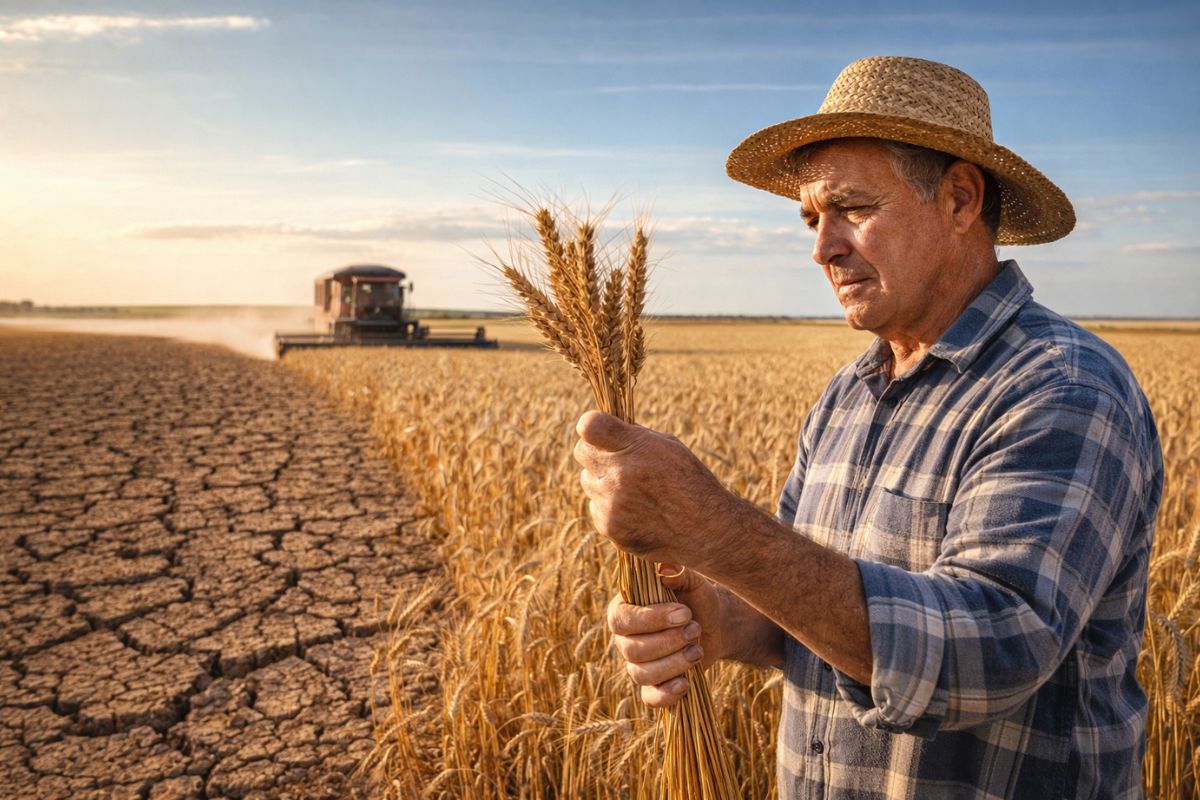
The drought of the cerrado was considered an enemy of wheat, but Brazilian scientists turned the lack of rain into a competitive advantage by creating a grain with quality that is already attracting the attention of international mills around the world.
Conab’s presence was marked by the participation of the Executive Director of Operations and Supply, Arnoldo de Campos, and Regional Superintendent Danilo Viana.
During the opening ceremony, Arnoldo emphasized that understanding the size and maturity of producers is essential for planning market demand responses and strengthening the business model.
Professionalization and Strategic Management Drive Family Agriculture in Piauí
At the workshop “The Agroindustrialization of Family Agriculture Products,” Arnoldo highlighted that family agriculture in Piauí will only achieve solidity when there is a continuous process of professionalization and planning.
According to him, understanding the client profile, identifying products in demand, and conducting financial diagnostics are indispensable steps for rural enterprises to achieve sustainability and competitiveness.
The director also reinforced that “there are no magic solutions,” but rather strategies based on study and training.
Technical qualification and good administration are crucial for the success of small agroindustries, which need skilled professionals to handle logistics, quality control, and financial management.
This vision was shared by representatives from the Ministry of Agrarian Development and Family Agriculture (MDA) and the Secretariat of Family Agriculture (SAF), present at the activity.
Technical Training and Public Programs Strengthen the Sector
During the three days of the fair, Conab presented programs that support family agriculture in Piauí, such as the Food Acquisition Program (PAA) and the Sales at Counter Program (ProVB).
These initiatives allow small producers to sell directly to the government and expand their access to institutional and private markets.
The director of the Department of Support for Acquisition and Marketing of Family Agriculture (DEACAF/MDA), Islândia Bezerra, emphasized that continuous training is vital for rural organizations to operate sustainably.
Technical qualification also contributes to product standardization and increased added value, generating employment and income in the field.
Additionally, the fair was supported by institutions such as Embrapa, Senar, Incra, Federal University of Piauí, and the Sustainable and Inclusive Piauí project, funded by the Inter-American Development Bank (IDB) and the International Fund for Agricultural Development (IFAD).
These partnerships reinforce the commitment to sustainable development and the appreciation of rural communities.
Partnerships with the Private Sector Expand Market Opportunities
Arnoldo de Campos argued that family agriculture in Piauí must go beyond public policies and seek connections with the private sector.
He emphasized that small businesses, such as bakeries and grocery stores, can serve as entry points to new markets, creating a solid local commercialization base before expanding to regional and national markets.
The integration between producers and economic agents strengthens the production chain and promotes social inclusion.
During the event, the Meeting of Family Agriculture, Peoples, and Communities of the Semi-arid “Luiz Eduvirgem” provided spaces for dialogue and exchange of experiences among farmers, reinforcing the importance of unity and innovation for the growth of the sector.
At the end of the fair, it became clear that the future of family agriculture in Piauí depends on an essential tripod: technical qualification, efficient management, and sustainable partnerships between the public sector and private initiative.
This combination is the path to consolidate a model of economic development that is fair, inclusive, and environmentally responsible throughout the state.





Seja o primeiro a reagir!