





 Português
  Inglês
  Espanhol
  4 min de leitura
  0 comentários


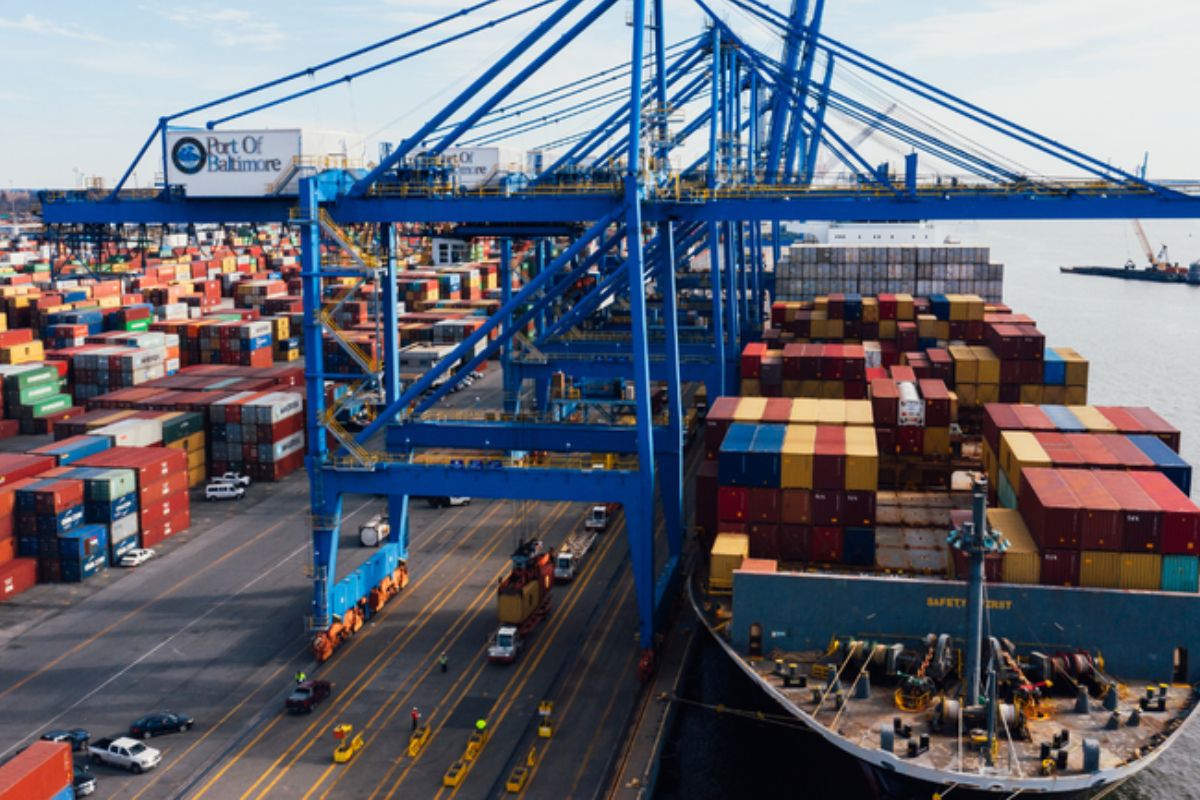
With a Focus on Sustainability and Market Diversification, Brazilian Agriculture Conquers New Opportunities in Japan, Singapore, South Korea, Egypt, and India, Strengthening High-Value-Added Exports
The brazilian agriculture has consolidated its role as one of the largest global economic forces by conquering new opportunities in strategic markets, according to a report published.
Recently, the government announced trade openings with Japan, Singapore, South Korea, Egypt, and India, totaling 460 new export possibilities since 2023.
These initiatives represent more than simple trade agreements, reflecting a strategy for sustainable expansion and appreciation of national products, focusing on quality and innovation.
-
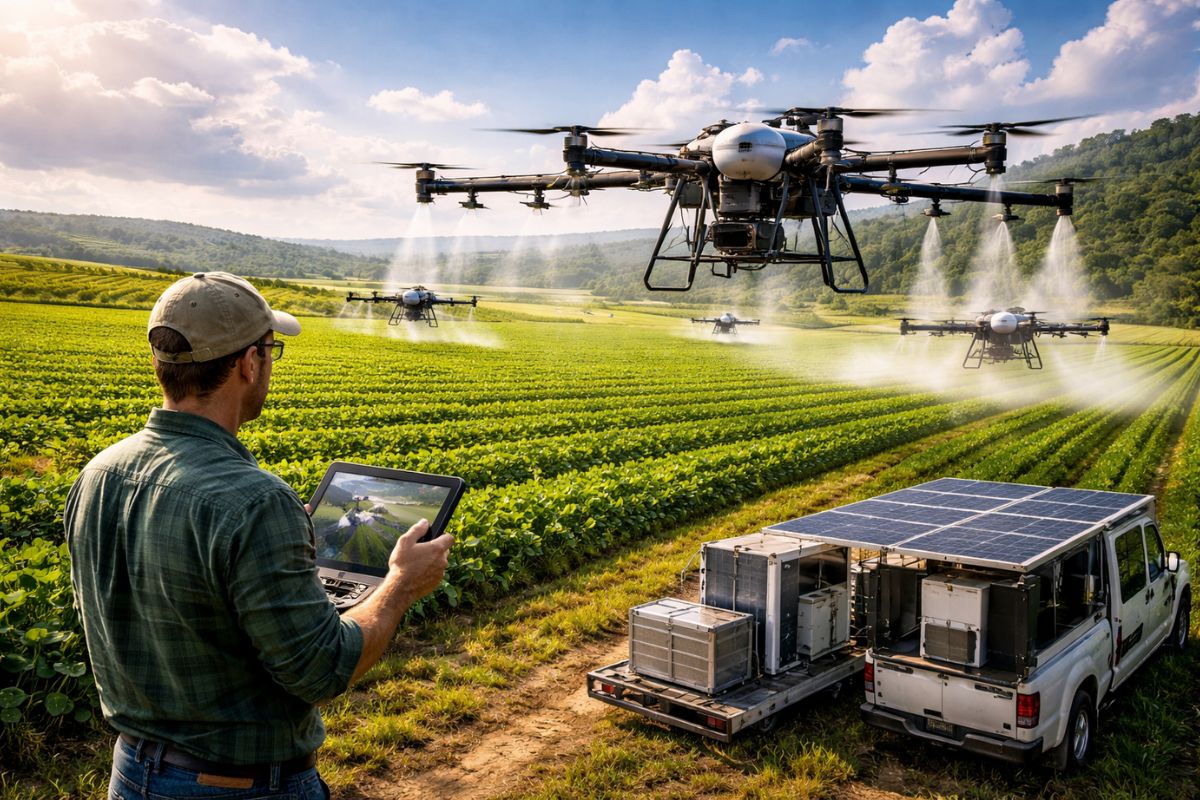
Alone, the producer applies 7,400 hectares with the T100 drone in an optimized structure, replaces the generator with a silent battery, and demonstrates how technology reduces costs, increases productivity, and even challenges the uniport in the field.
-
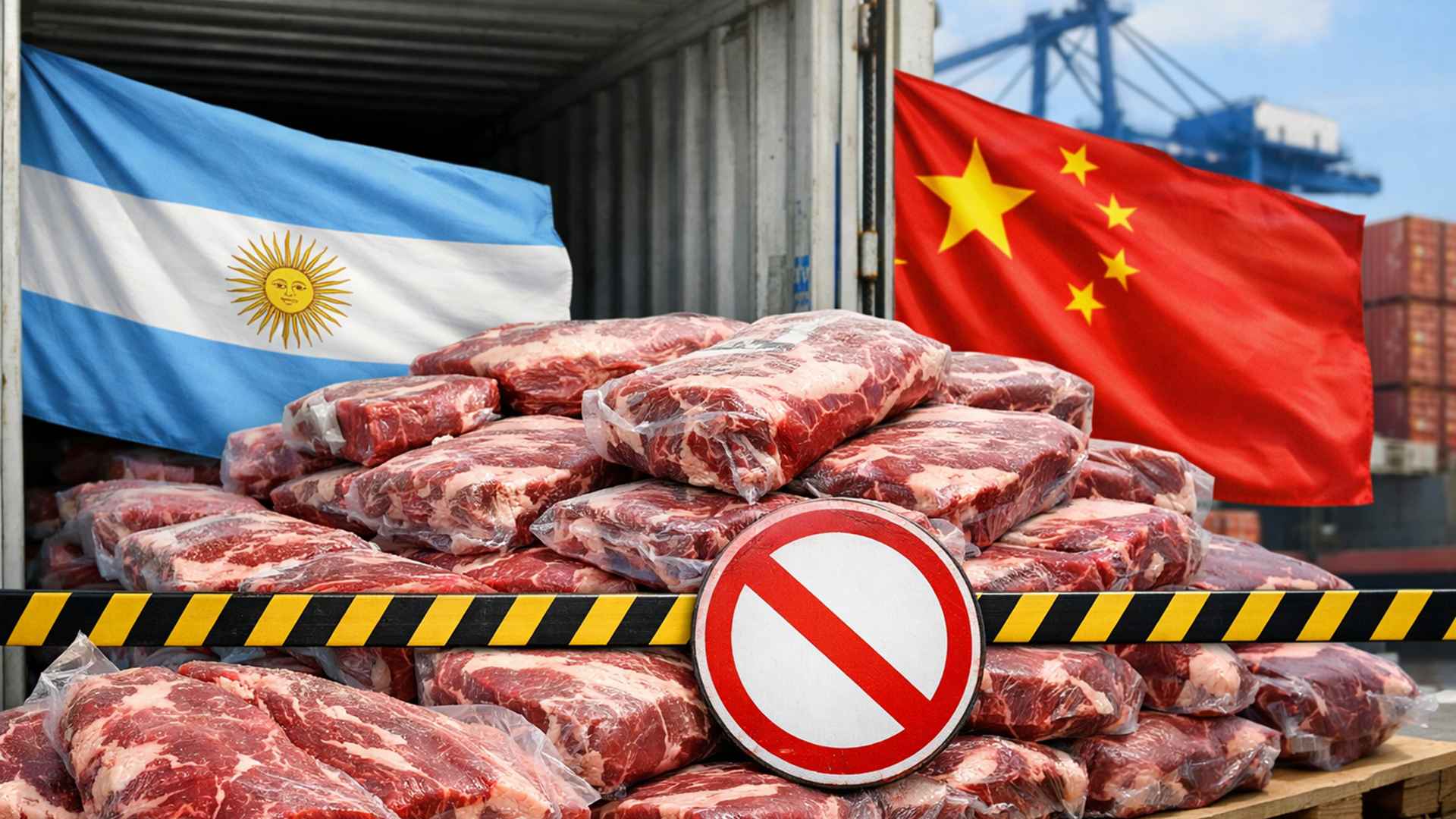
China banned the export of 22 tons of meat from Argentina.
-
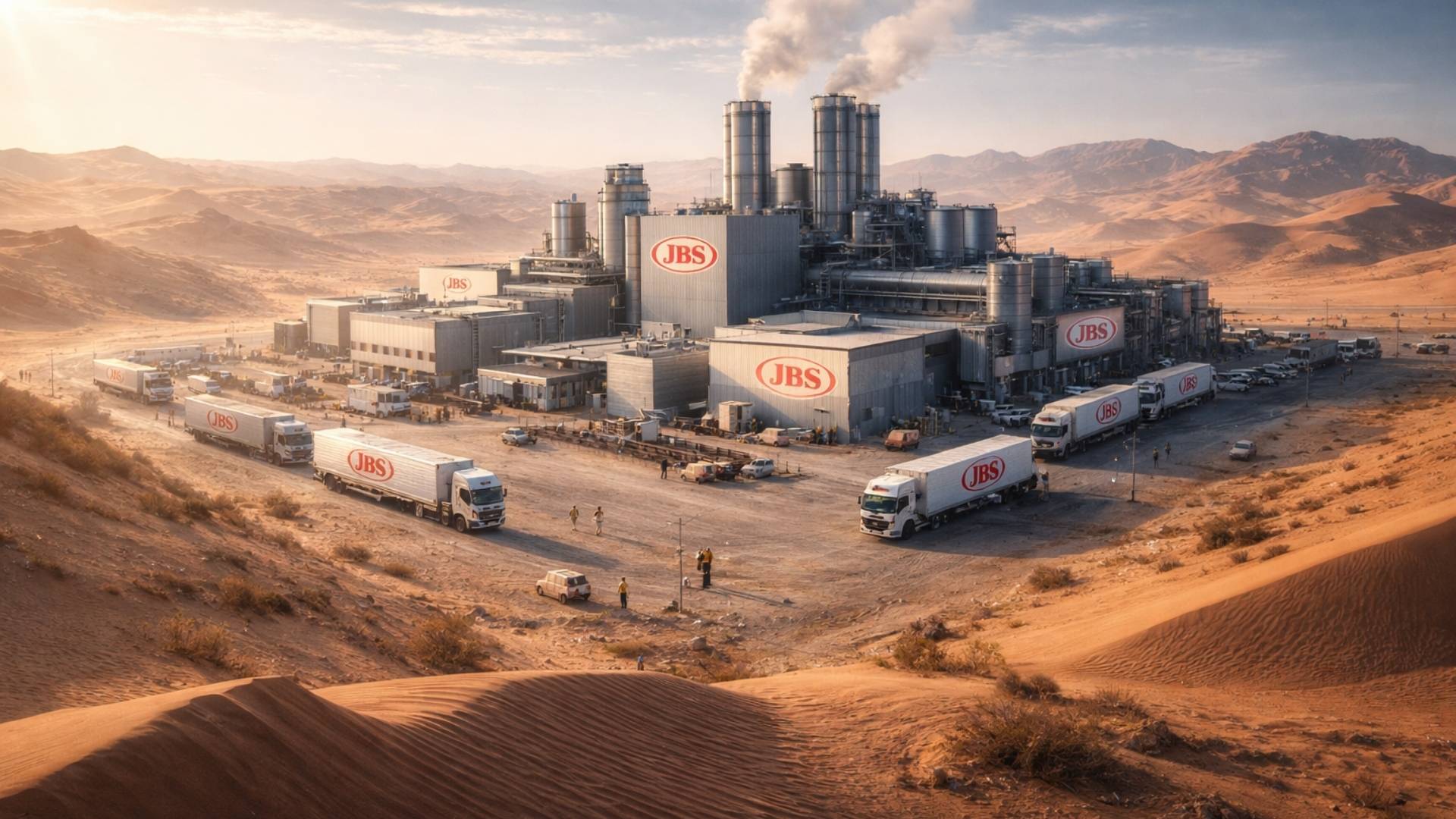
JBS, founded by the Batista brothers, continues to conquer the world: entrepreneurs built a ‘factory in the desert’ creating 3,000 jobs.
-
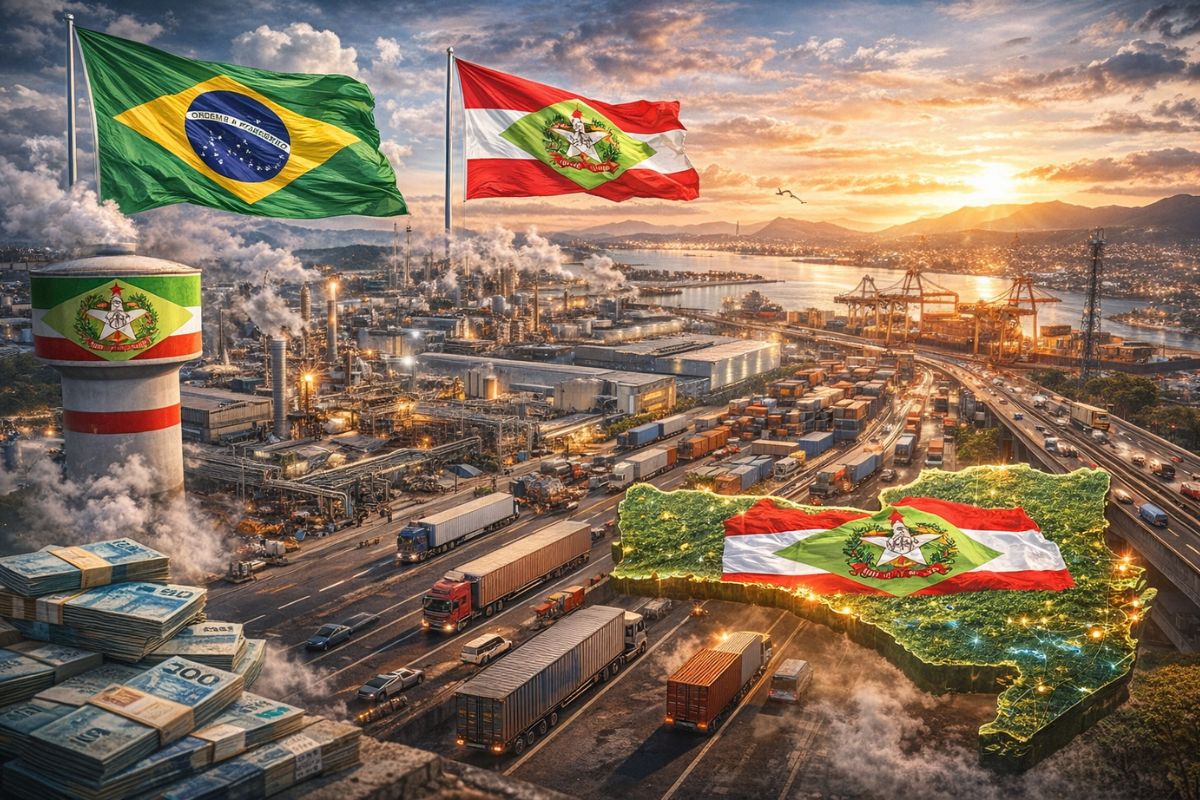
With only 1% of Brazil’s territory, Santa Catarina has built one of the most competitive industrial parks in the country, with 64,000 companies, nearly 1 million jobs, and a growth rate of 5.3% while the national industry is practically stagnant.

Japan, with about 124 million inhabitants, ranks among the main destinations for Brazil’s agricultural exports.
In 2024, the Asian country imported over US$ 3 billion in Brazilian agricultural products, emphasizing premium items used in the baking and confectionery industries.
The opening for Brazil nuts is a significant achievement, as the food is recognized for its high selenium content, an essential mineral for human health.
This market expansion benefits both producers and national processors, strengthening Brazil’s image as a supplier of high-quality and traceable ingredients.
Expansion of Sustainable Brazilian Agriculture in Asian Markets
The entry of processed Brazilian eggs into Singapore marks another important advance.
The country, with more than six million inhabitants and dependent on imports for about 90% of its domestic consumption, values products with a long shelf life and high sanitary standards.
Processed eggs, widely used by hotels, bakeries, and food chains, ensure operational stability and reduced waste.
This achievement reinforces the commitment of brazilian agriculture to sustainable and safe practices, capable of meeting the demanding international quality standards.
In South Korea, the highlight is the export of purified porcine heparin, a pharmaceutical ingredient used in the production of anticoagulants.
The Asian country, which is home to more than 51 million people, purchased nearly US$ 3 billion in agricultural products from Brazil last year, with a strong presence of the soy and sugar-alcohol complexes, in addition to cereals and flours.
The inclusion of a high-value-added product with medical applications demonstrates how the sector has evolved from exporting commodities to diversification with industrialized items, boosting Brazil’s global positioning as a reliable and innovative supplier.
Strategic Partnerships and Certifications Strengthening Brazilian Agriculture
Egypt, a long-standing partner in animal protein exports, approved the import of duck meat, other poultry, and rabbit.
The recognition of Brazilian halal certification has been an important competitive differentiator, ensuring predictability and trust in supply.
The partnership reinforces Brazil’s role as one of the largest global exporters of meat, in addition to opening space for alternative products with high nutritional value.
This advancement also connects to the government’s goal of increasing presence in Muslim markets, where the demand for safe and certified protein is steadily growing.
India, for its part, represents a strategic step for the circular economy in the livestock sector.
During an official mission by the Vice President of the Republic, the export of bovine bone derivatives, horns, and hooves, inputs used in the production of gelatin, industrial products, and even in the textile industry, was agreed upon.
This initiative expands the comprehensive utilization of cattle by-products, reduces waste, and stimulates value-added generation.
In addition to strengthening bilateral trade, the agreement consolidates the commitment of brazilian agriculture to sustainable and innovative practices aligned with the global environmental and industrial agenda.
Diversification of Products and Markets Reinforces Global Competitiveness
From January to September 2025, 37% of new Brazilian trade openings occurred in Asia, demonstrating the growing importance of the continent in the sector’s internationalization strategy.
The sum of these results reflects the joint work between the Ministry of Agriculture and Livestock (Mapa) and the Ministry of Foreign Affairs (MRE), which have been engaging in commercial diplomacy to expand access to high-potential markets.
Each new agreement represents not only an export opportunity but also an advancement in the country’s positioning as a reference in quality, food safety, and sustainability.
The strengthening of brazilian agriculture in these new destinations highlights a structural change in how Brazil presents itself in international trade.
By diversifying portfolios, prioritizing value-added, and adopting sustainable production practices, the sector consolidates a competitive and innovative model capable of meeting the demands of rigorous and high-consumption economies such as Japan, Singapore, South Korea, Egypt, and India.








Seja o primeiro a reagir!