





 Português
  Inglês
  Espanhol
  3 min de leitura


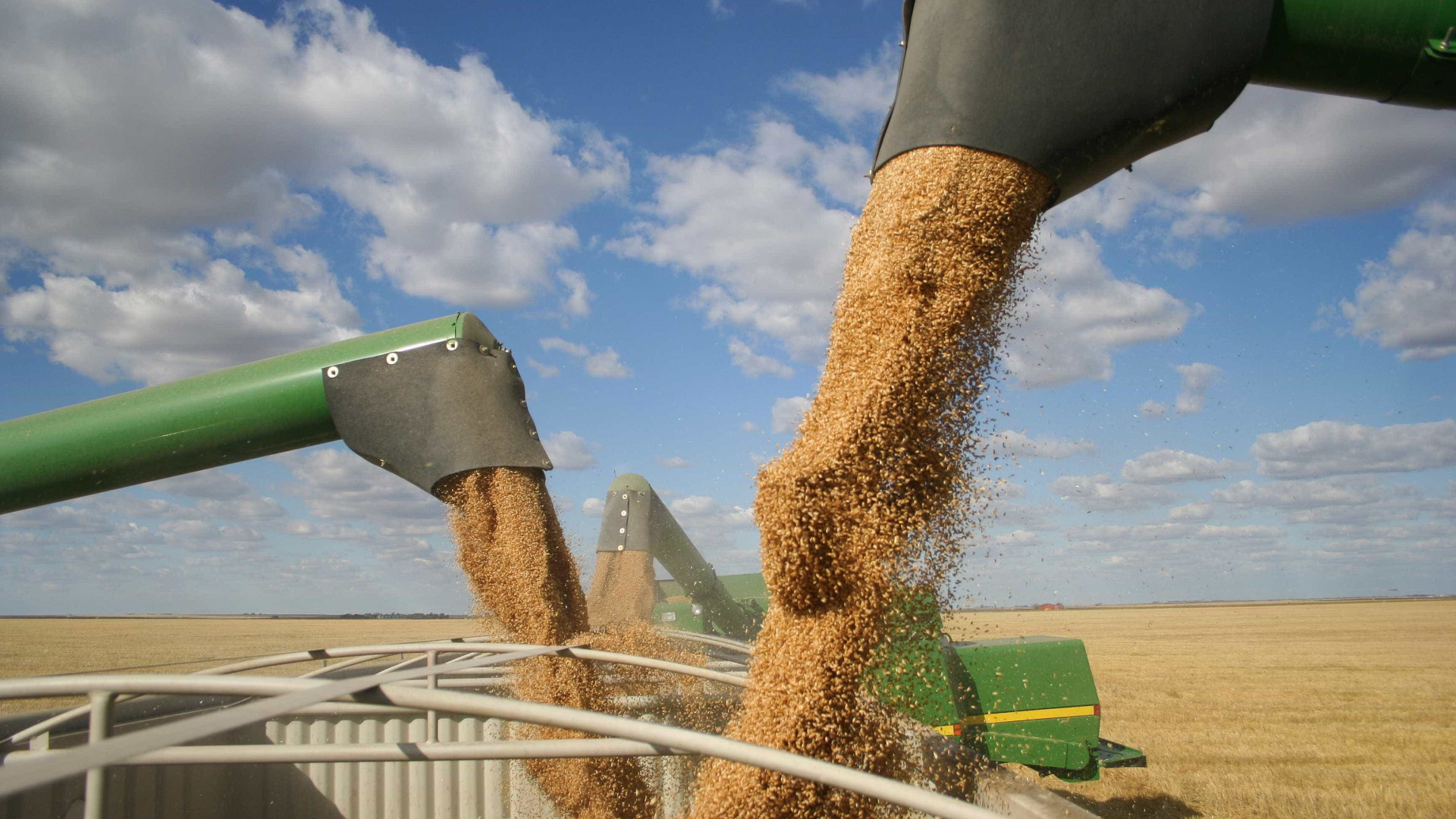
In The Last 20 Years, Brazilian Agriculture Has Reached Huge Proportions, With A GDP Comparable To That Of Argentina And A Harvest Of 300 Million Tons.
The harvest of over 300 million tons estimated for Brazil this year, being a new record, highlights the proportion that agriculture has gained within the national economy. Between the years 2002 and 2022, Brazil’s agricultural GDP jumped from US$ 122 billion to US$ 500 billion, not considering inflation, equivalent to an entire Argentina.
GDP Growth in Agriculture is Linked to Investments in Research
According to economist José Roberto Mendonça de Barros, the Brazilian agriculture showed significant GDP growth over the last 40 years, with a major highlight for the last 20 years. Barros claims that unlike what has happened in the urban sector, whether in services or industry, agriculture has a persistent expansion, and this is the first lesson that the sector teaches.
Constant growth is more important than growing a lot in some years and declining in subsequent years. It is sustainable growth, making agriculture very competitive. This expansion, according to industry experts, is based on investments in research and public policies for the field, which have enabled successive records in agricultural production.
-
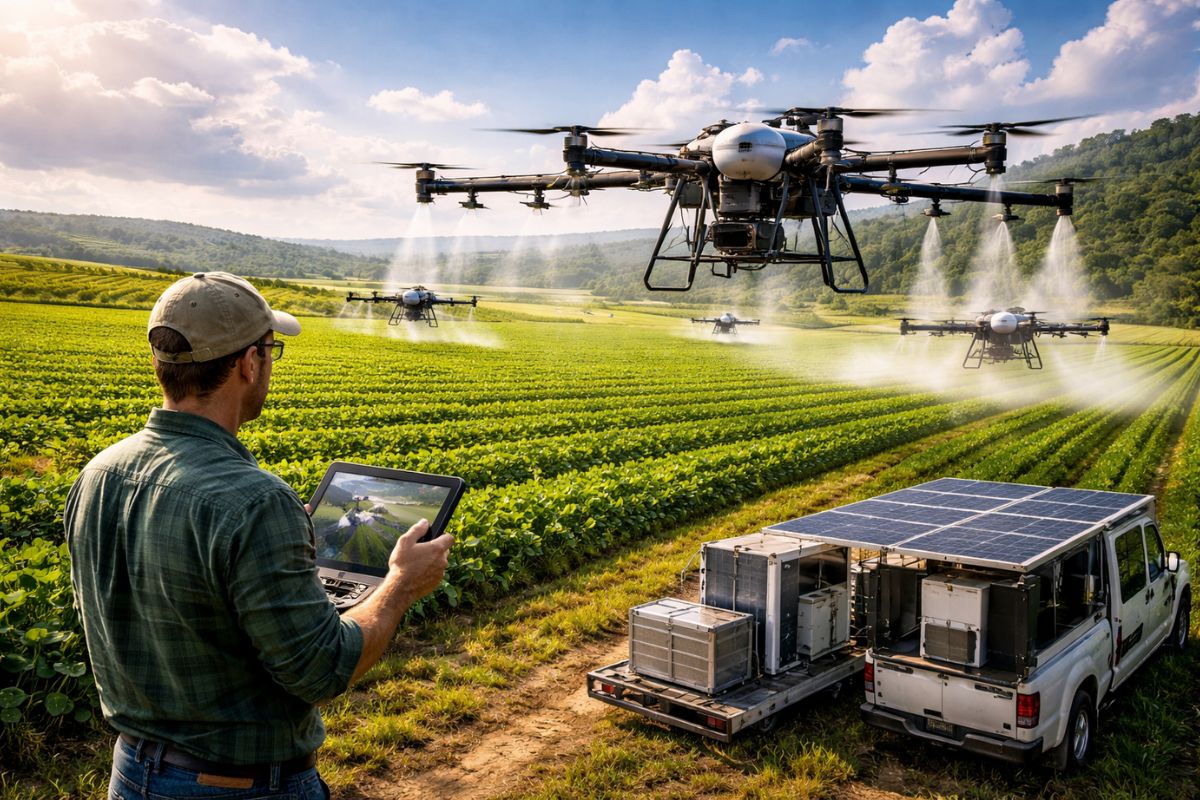
Alone, the producer applies 7,400 hectares with the T100 drone in an optimized structure, replaces the generator with a silent battery, and demonstrates how technology reduces costs, increases productivity, and even challenges the uniport in the field.
-
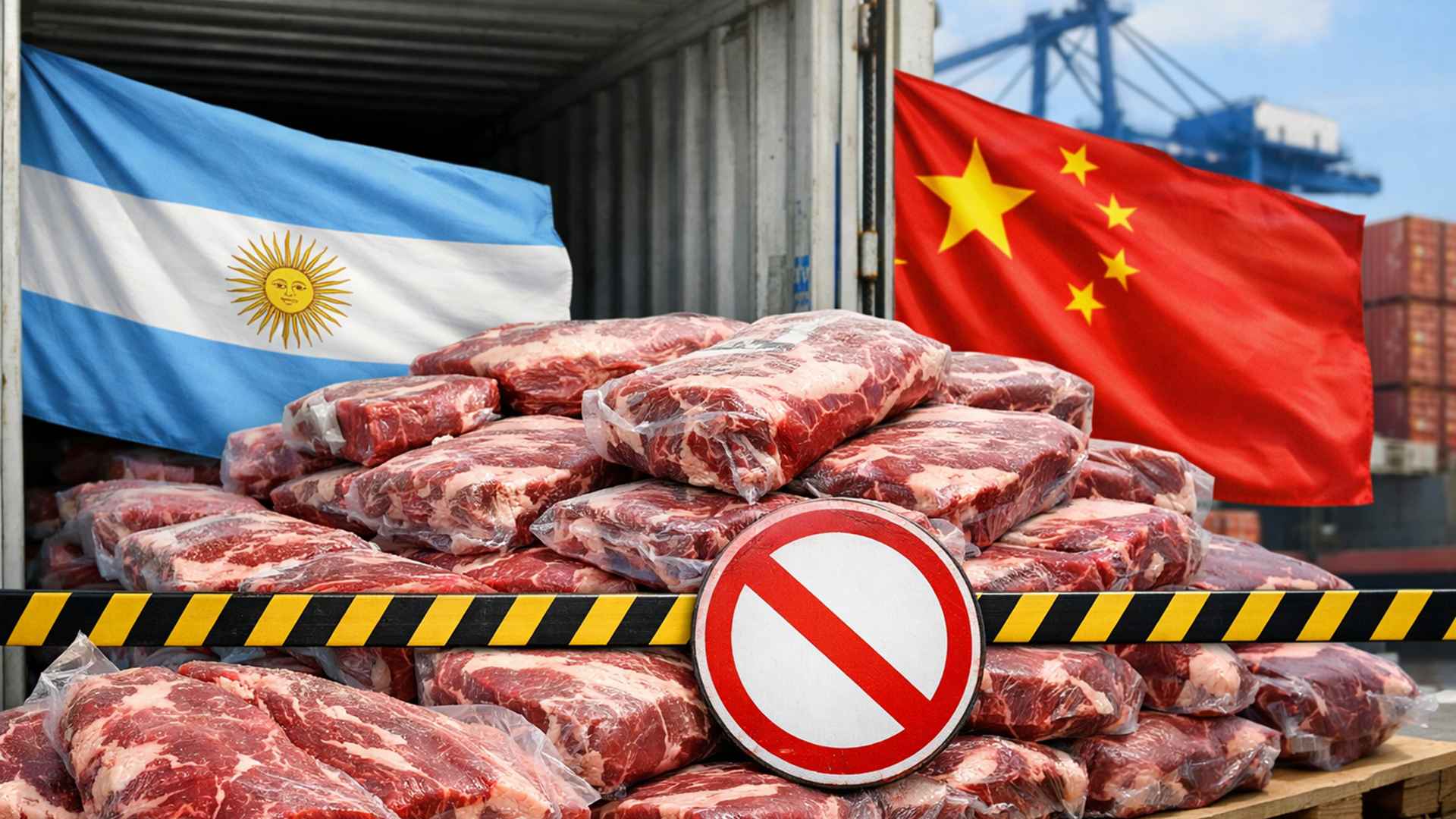
China banned the export of 22 tons of meat from Argentina.
-
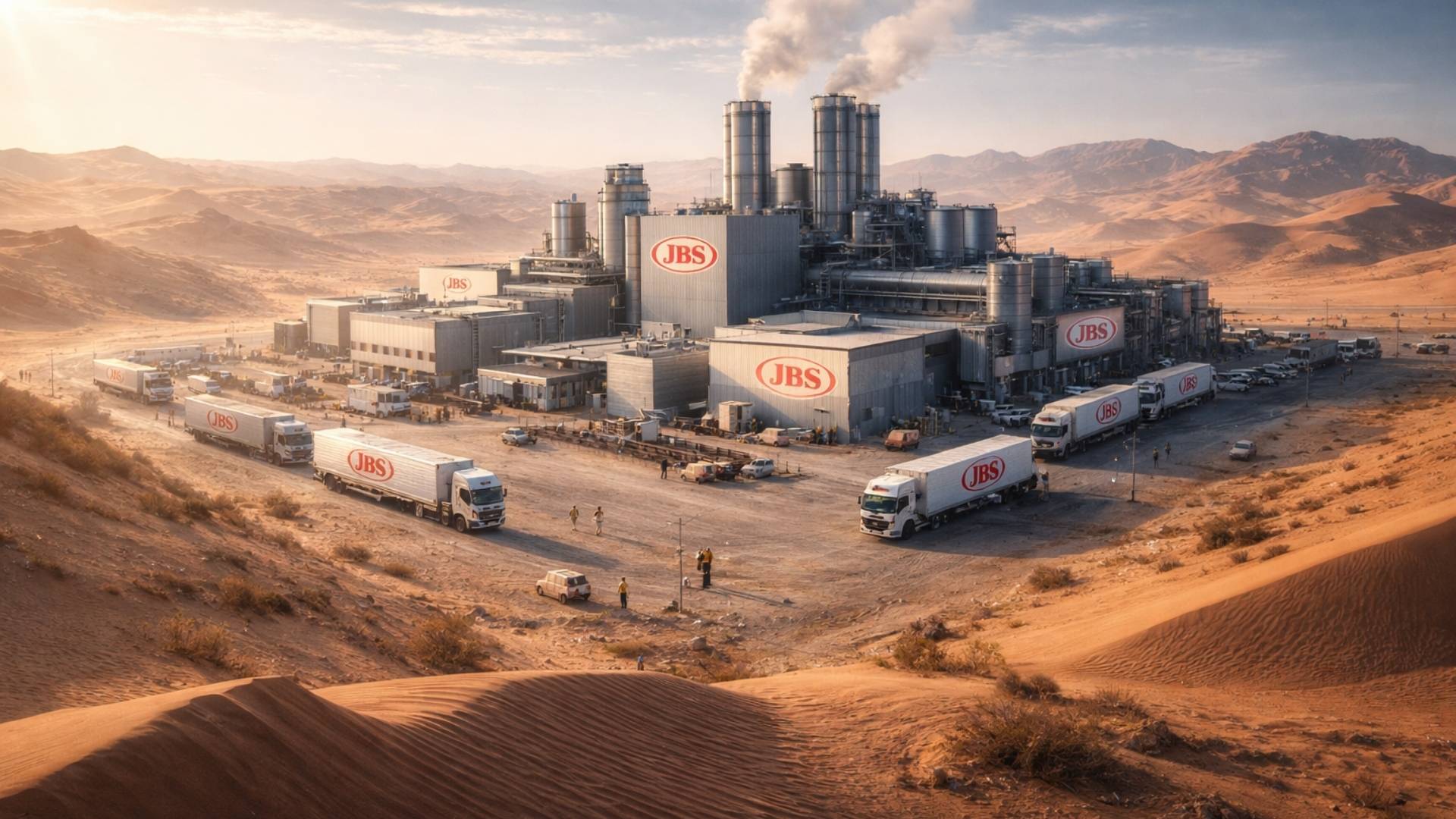
JBS, founded by the Batista brothers, continues to conquer the world: entrepreneurs built a ‘factory in the desert’ creating 3,000 jobs.
-
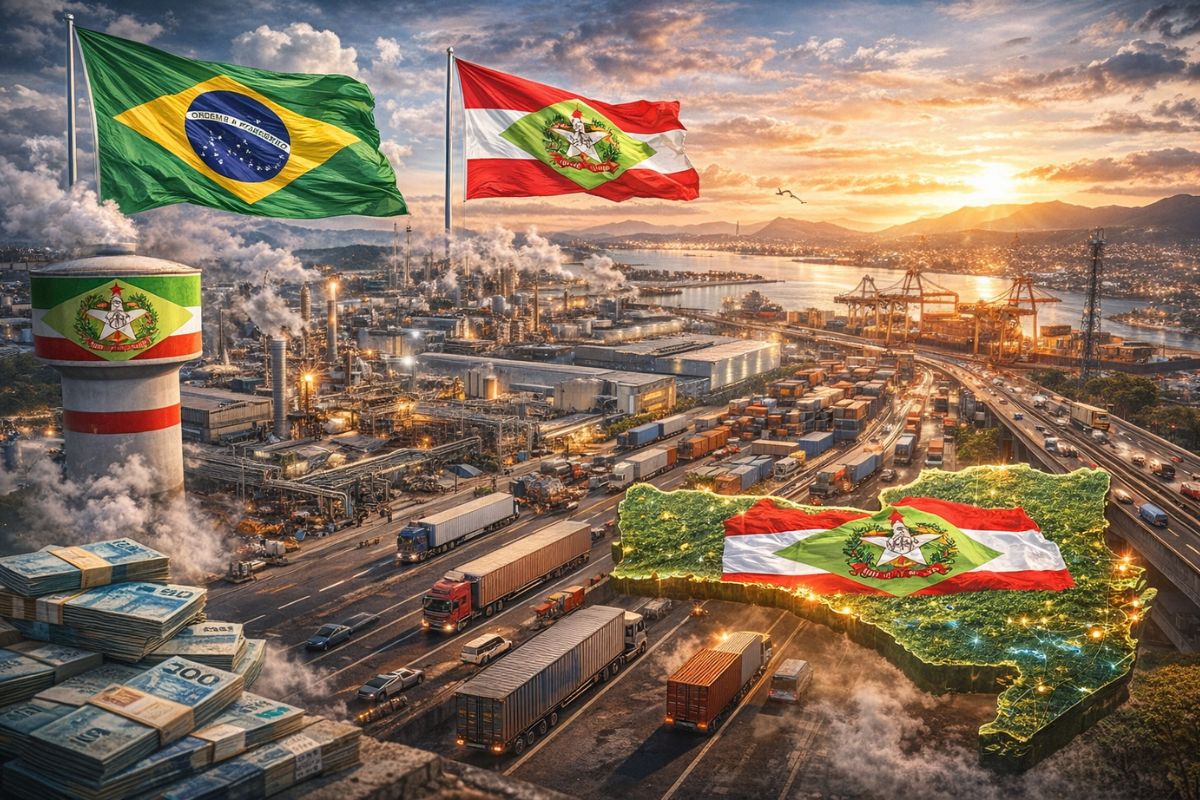
With only 1% of Brazil’s territory, Santa Catarina has built one of the most competitive industrial parks in the country, with 64,000 companies, nearly 1 million jobs, and a growth rate of 5.3% while the national industry is practically stagnant.

According to the National Supply Company (Conab), Brazil is expected to break the record of 300 million tons of grains this year and position itself as the third largest global producer of cereals, behind only the USA and China.
In two decades, grain harvests rose from 120.2 million tons to 310.6 million, an increase of 258%. Meanwhile, the planted area rose from 43.7 million to 76.7 million hectares, an expansion of 76.5%.
Brazil Surpasses The USA
The data shows that production expanded three times more than the area occupied by crops, which should occur due to productivity gains, thanks to investments in research and technology. The highlight in Brazilian fields goes to soybeans, which adapted to the various microclimates of Brazil and is cultivated both in the colder regions of the South and in the tropical climate of the North and Northeast.
Brazil Surpassed The USA and became the largest producer of the grain, also currently the main exporter. While the 2002/2003 harvest yielded 47.4 million tons of soybeans, the current harvest will have 152.9 million, an increase of 322%, according to Conab.
Corn, used in crop rotation with soybeans, grew by 260%, rising from 47.4 million to 123 million tons. The GDP of agriculture, which currently equals an entire Argentina, is calculated by the Center for Advanced Studies in Applied Economics (Cepea) at the University of São Paulo and will only be released in March. However, GDP is expected to be close to US$ 500 billion.
Agriculture Doubles Brazilian Average
Tamires Tangerino, a 33-year-old agronomist and technical consultant at Stoller, a company specializing in plant nutrition and physiology, has applied her knowledge to help producers in southwestern São Paulo achieve high levels of productivity.
On the last 14th, in a commercial soybean planting by the Agricultural Cooperative of Capão Bonito, a productivity of 6,672 kg per hectare was achieved, double the Brazilian average and above the excellent regional average of 4,800 kg/ha, demonstrating the impact of research as a growth engine.
In this sector, it is possible to get an idea of the expansion of soybeans in southwestern São Paulo. In 2005, the cooperative had 55 associated farmers, and none had soybeans as their main crop. Currently, there are 102 associates planting 24,000 hectares of soybeans.










Seja o primeiro a reagir!