





 Português
  Inglês
  Espanhol
  3 min de leitura
  0 comentários


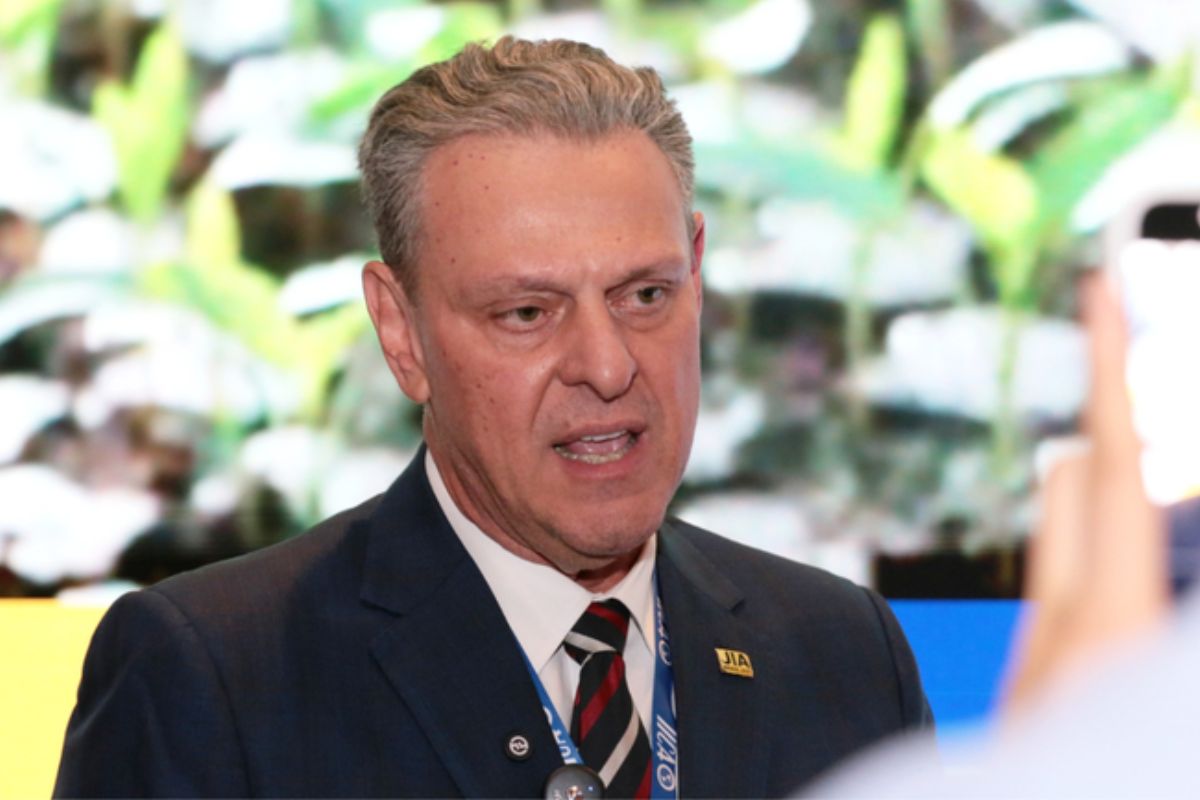
At COP 30, Minister Carlos Fávaro Highlights How Brazil’s Sustainable Agribusiness Unites Innovation, Bioinputs, and Renewable Energy to Consolidate Global Environmental Leadership
The Brazilian sustainable agribusiness will be one of the main highlights of COP 30, which will take place in Belém (PA) in 2025, according to a report published.
The Minister of Agriculture and Livestock, Carlos Fávaro, stated that Brazil will present the world with concrete results from a production system that combines efficiency and environmental commitment.
The initiatives include product traceability, increasing use of bioinputs, and robust investments in renewable energy.
-
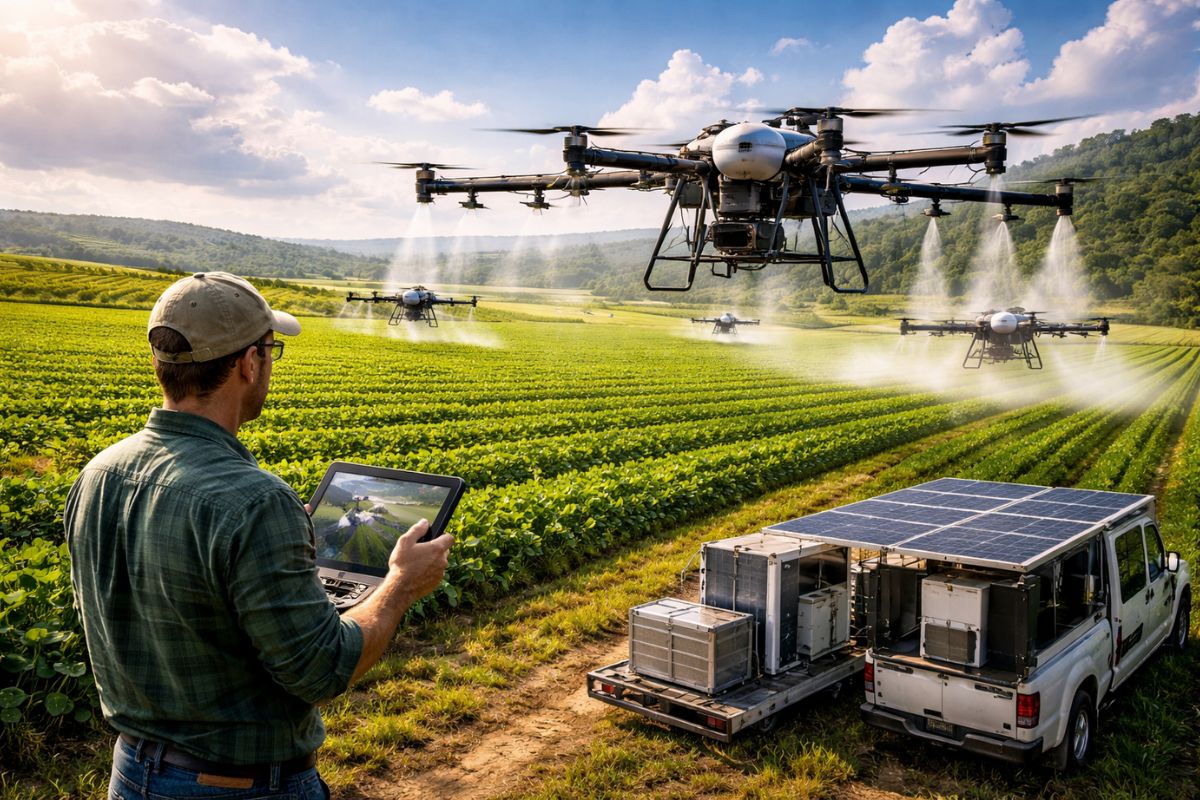
Alone, the producer applies 7,400 hectares with the T100 drone in an optimized structure, replaces the generator with a silent battery, and demonstrates how technology reduces costs, increases productivity, and even challenges the uniport in the field.
-
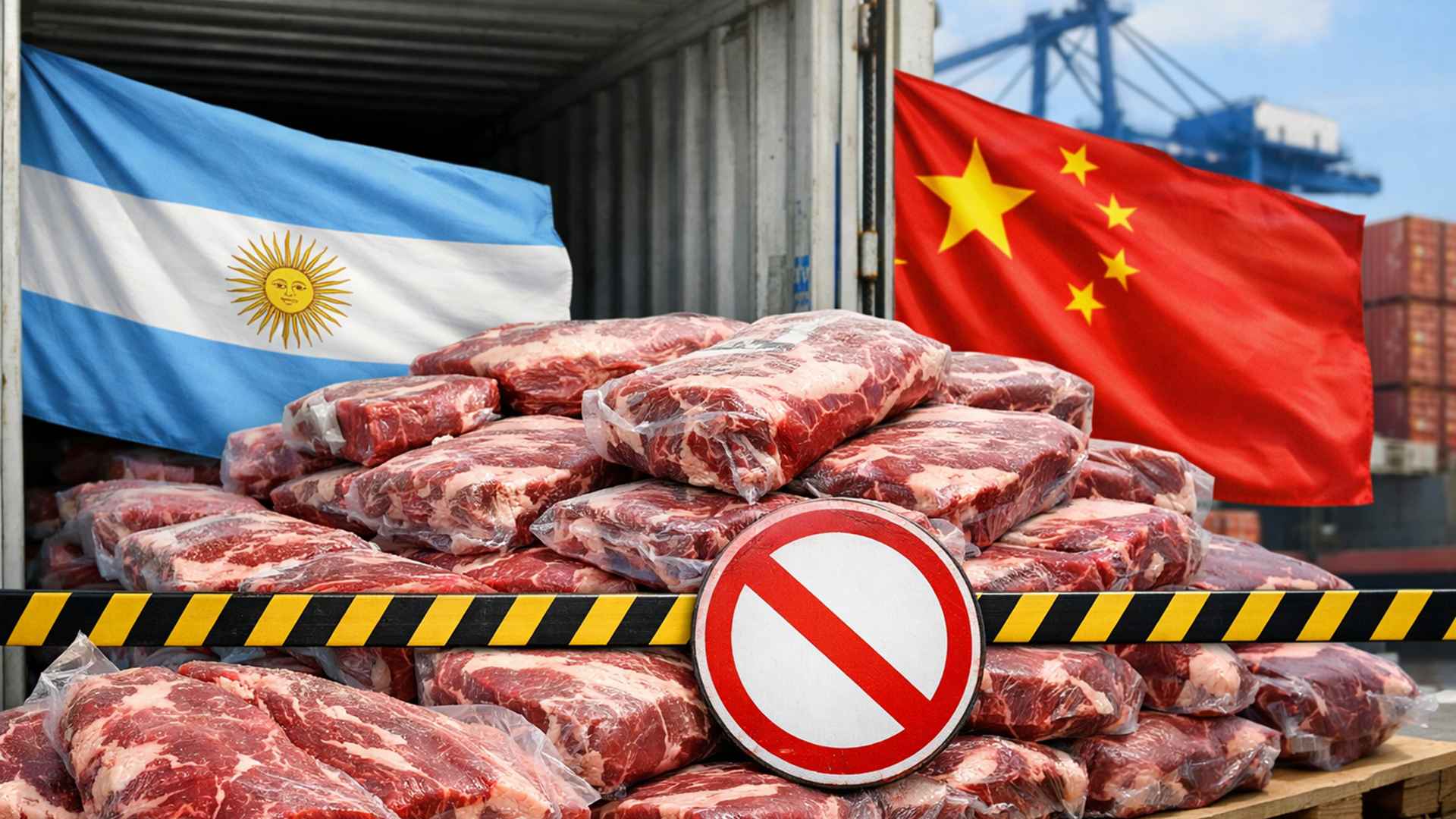
China banned the export of 22 tons of meat from Argentina.
-
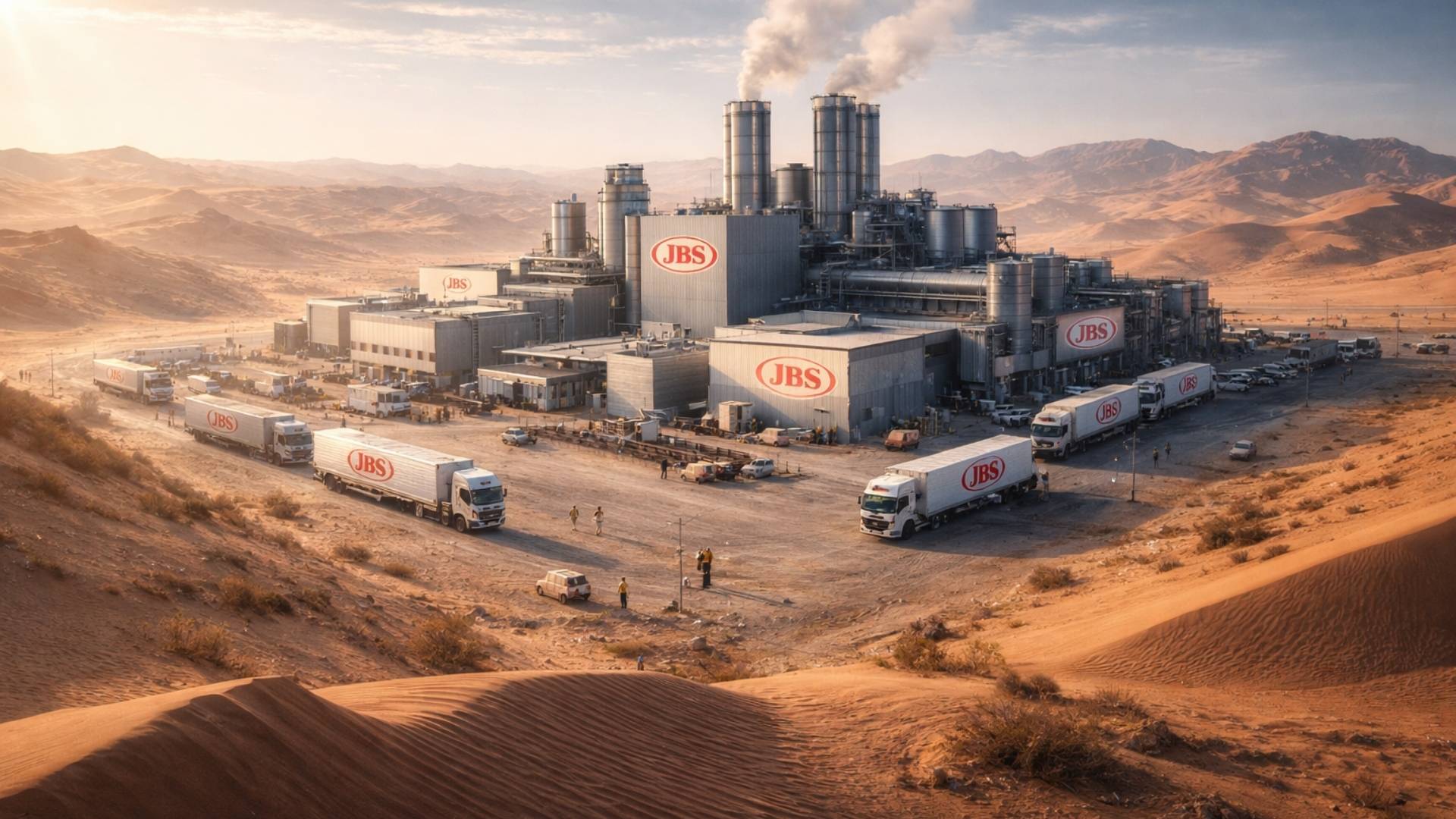
JBS, founded by the Batista brothers, continues to conquer the world: entrepreneurs built a ‘factory in the desert’ creating 3,000 jobs.
-
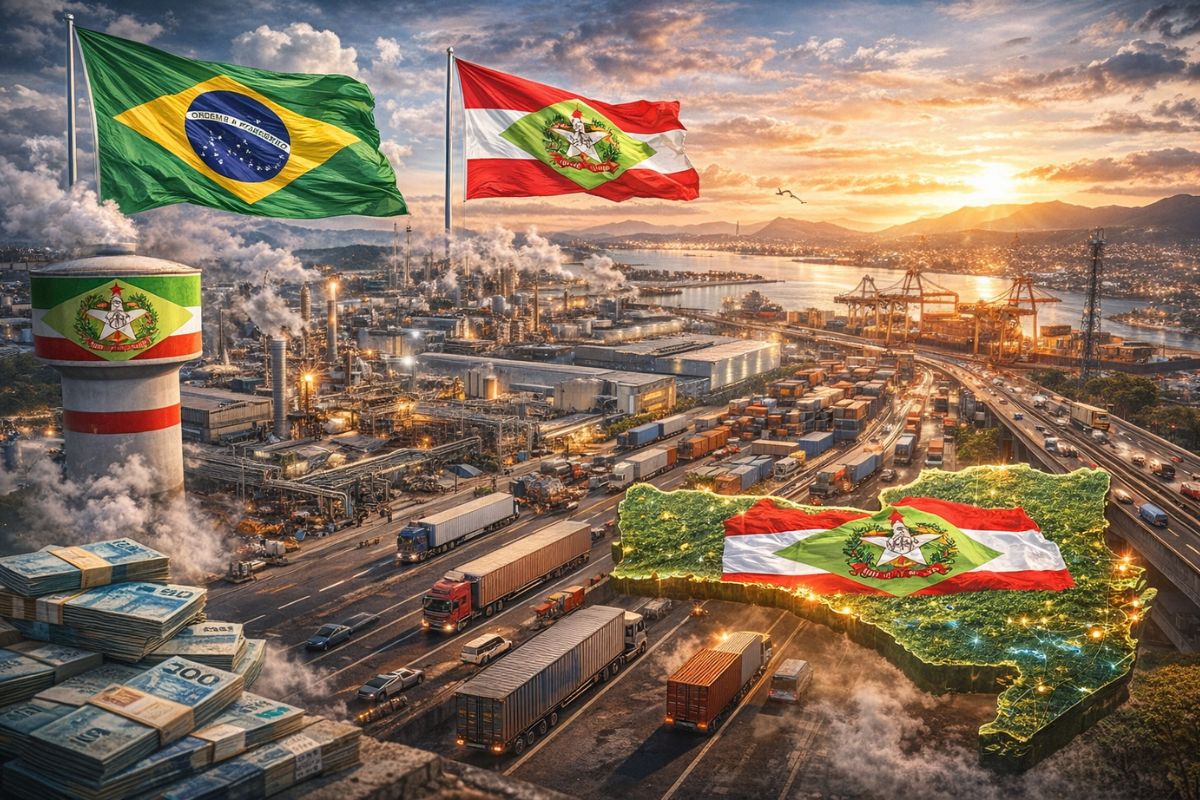
With only 1% of Brazil’s territory, Santa Catarina has built one of the most competitive industrial parks in the country, with 64,000 companies, nearly 1 million jobs, and a growth rate of 5.3% while the national industry is practically stagnant.

Fávaro emphasized that more than 60% of the national territory remains preserved and that this figure demonstrates the country’s responsibility in pursuing a low-carbon economy.
According to him, the conference will be an opportunity to show that production and preservation can indeed go hand in hand.
Bioinputs and Innovation Drive Sustainable Agribusiness at COP 30
Among the topics Brazil will bring to the conference, bioinputs will play a prominent role.
Developed by Embrapa and partners from the productive sector, these natural products replace chemical pesticides and reduce greenhouse gas emissions.
The minister highlighted that COP 30 will serve as a global showcase for science and national innovation, highlighting the strategic role of bioinputs in low-carbon agriculture.
During the ceremony for the presentation of the Apolônio Salles Merit Medal to Embrapa Soy researcher Mariangela Hungria, winner of the 2025 World Food Prize, Fávaro reiterated that the country will present the results obtained from decades of research.
According to him, the actions of sustainable agribusiness demonstrate to the world that Brazil is a reference in productivity allied with preservation.
The “Embrapa House” space within the AgriZone at COP 30 will showcase applied technologies that are already in use on Brazilian farms.
Traceability and Transparency Strengthen Brazil’s Image in the International Market
The traceability of agricultural products is another pillar that the Brazilian government will present in Belém. This measure allows for the identification of each food’s origin, ensuring transparency and safety for the consumer.
According to the minister, international buyers are increasingly seeking information about the journey of food to the table, and Brazil is prepared to meet this demand.
With the expansion of digital monitoring systems, the country demonstrates that sustainable agribusiness is not just a goal, but a reality built on science and responsibility.
Fávaro emphasized that Brazil’s Forest Code, considered one of the most stringent in the world, is proof of the balance between preservation and production.
More than 60% of the national territory is legally protected, becoming a strategic asset and a competitive advantage for the country.
The minister also reinforced that “no country can point the finger at Brazil.” On the contrary, the Brazilian agro-environmental model shows how it is possible to grow economically without compromising ecosystems.
Green Path Brazil and Renewable Energy Consolidate Sustainable Agribusiness for the Future
One of the government’s main initiatives is the Green Path Brazil program, launched by the Ministry of Agriculture and Livestock (Mapa) to restore degraded areas and transform them into sustainable productive zones.
The project aims to revitalize 40 million hectares of anthropized land, with investments exceeding R$ 50 billion in the last three years.
So far, around 5 million hectares have already been restored, reaffirming the country’s commitment to food and energy sustainability.
At COP 30, Brazil will also present its advancements in biofuels and renewable energy.
The increasing use of clean sources on rural properties, such as solar energy and biogas, demonstrates that Brazilian sustainable agribusiness is an essential part of the global energy transition.
For Fávaro, this is a historic opportunity to consolidate Brazil as a world leader in sustainable agriculture, based on science, innovation, and responsibility for future generations.
The minister stated that the country will not only participate in the conference but will showcase concrete results from those who produce while respecting the environment. This is the new national agro identity: productive, responsible, and prepared for the future.







-

Uma pessoa reagiu a isso.