





 Português
  Inglês
  Espanhol
 3 min de leitura
  0 comentários


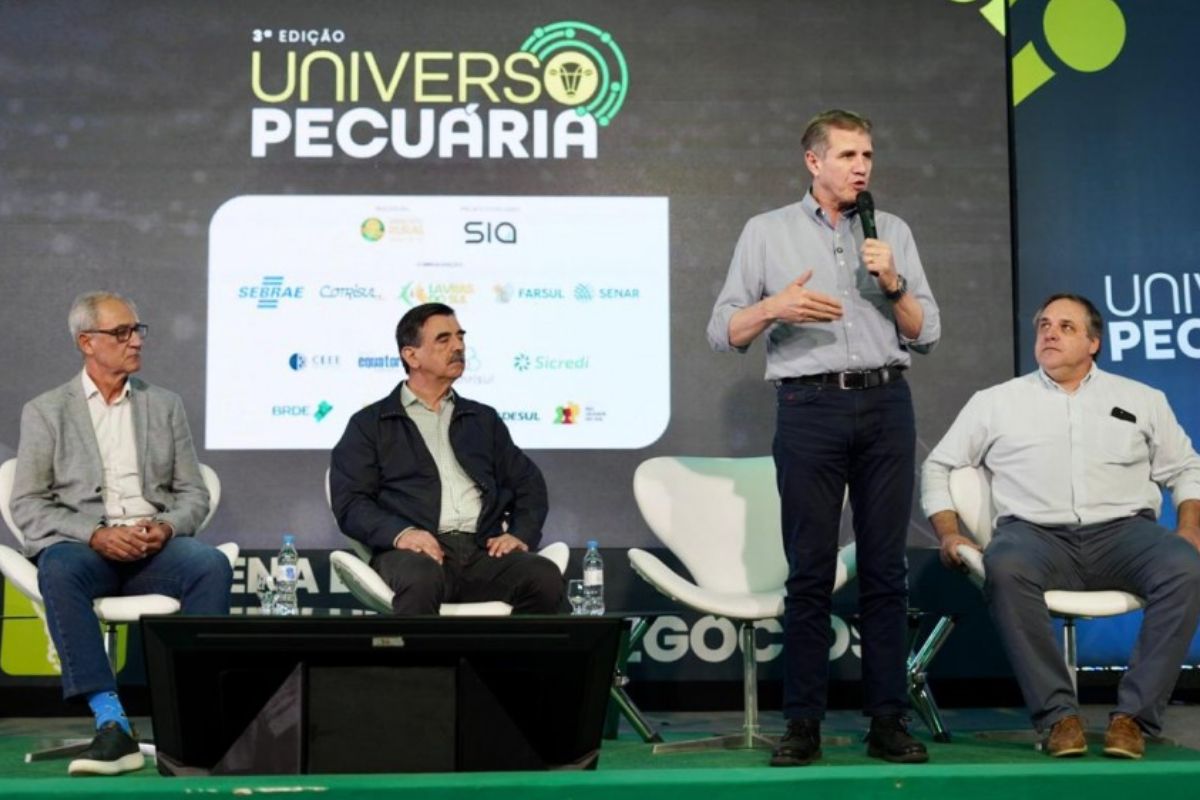
With a Focus on Sustainability and Innovation, the RS Government Participated in Debates in Lavras do Sul on Agriculture in Rio Grande do Sul, Strengthening the Pampas Gaucho and Regional Leadership
The agriculture in Rio Grande do Sul was at the center of attention during the opening of the 3rd Universe Livestock, which started on November 5th in Lavras do Sul, according to a report published.
The event, which runs until the next 9th, features the presence of state secretaries and leaders from the productive sector, bringing together producers, entrepreneurs, and public representatives.
Considered a national reference, the meeting reinforced the state’s role in the pursuit of sustainable production, supported by technology and innovation, to raise productivity levels and ensure balance between the economy and the environment.
-
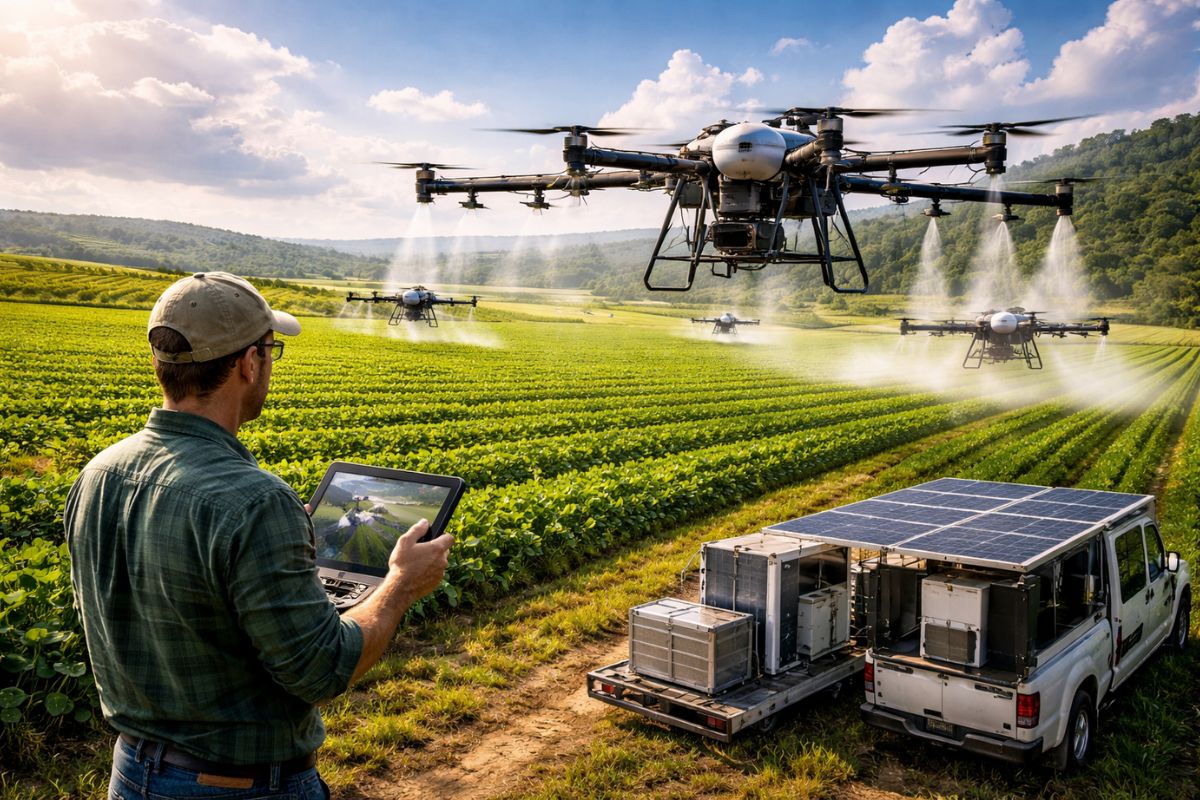
Alone, the producer applies 7,400 hectares with the T100 drone in an optimized structure, replaces the generator with a silent battery, and demonstrates how technology reduces costs, increases productivity, and even challenges the uniport in the field.
-
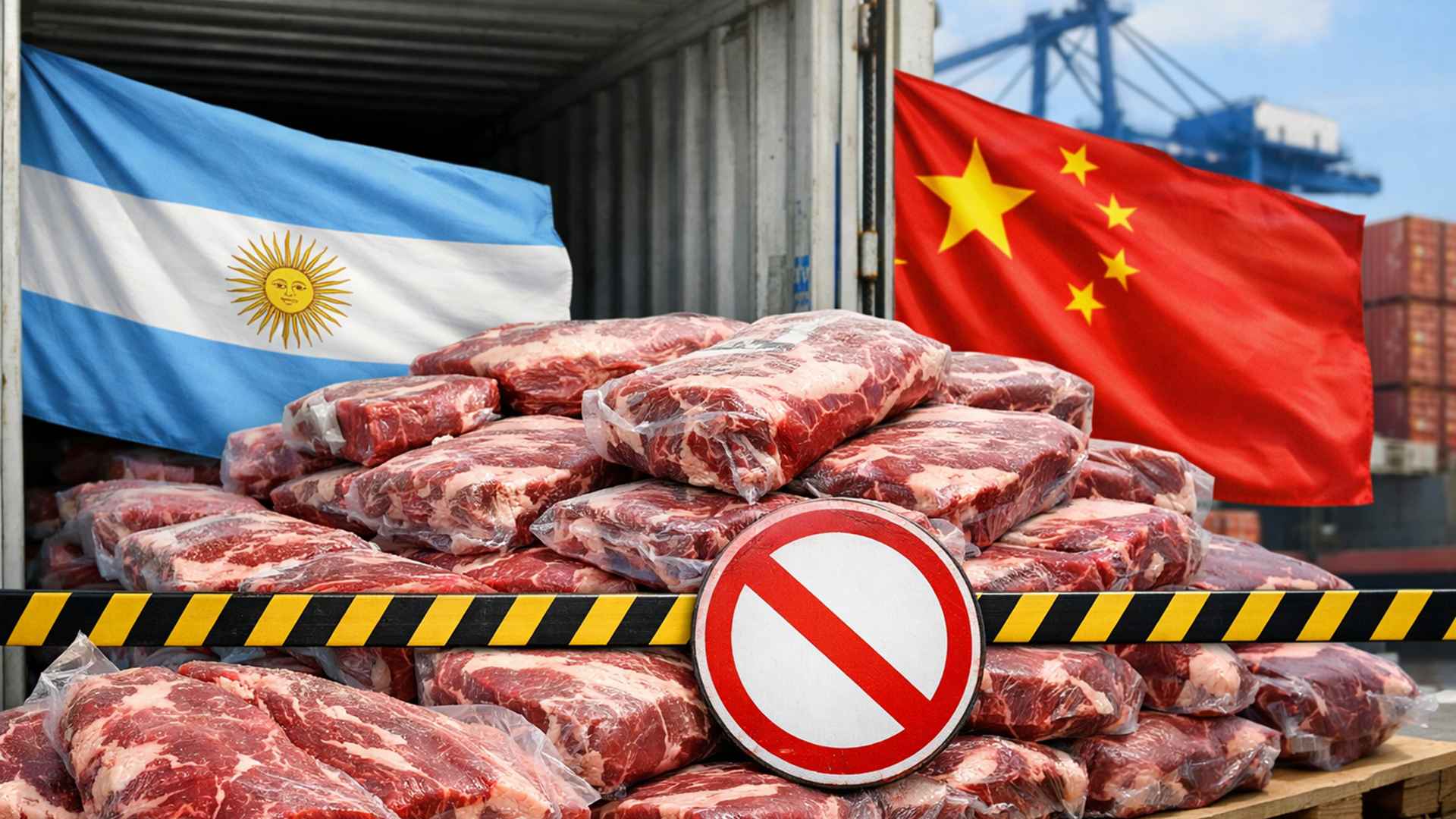
China banned the export of 22 tons of meat from Argentina.
-
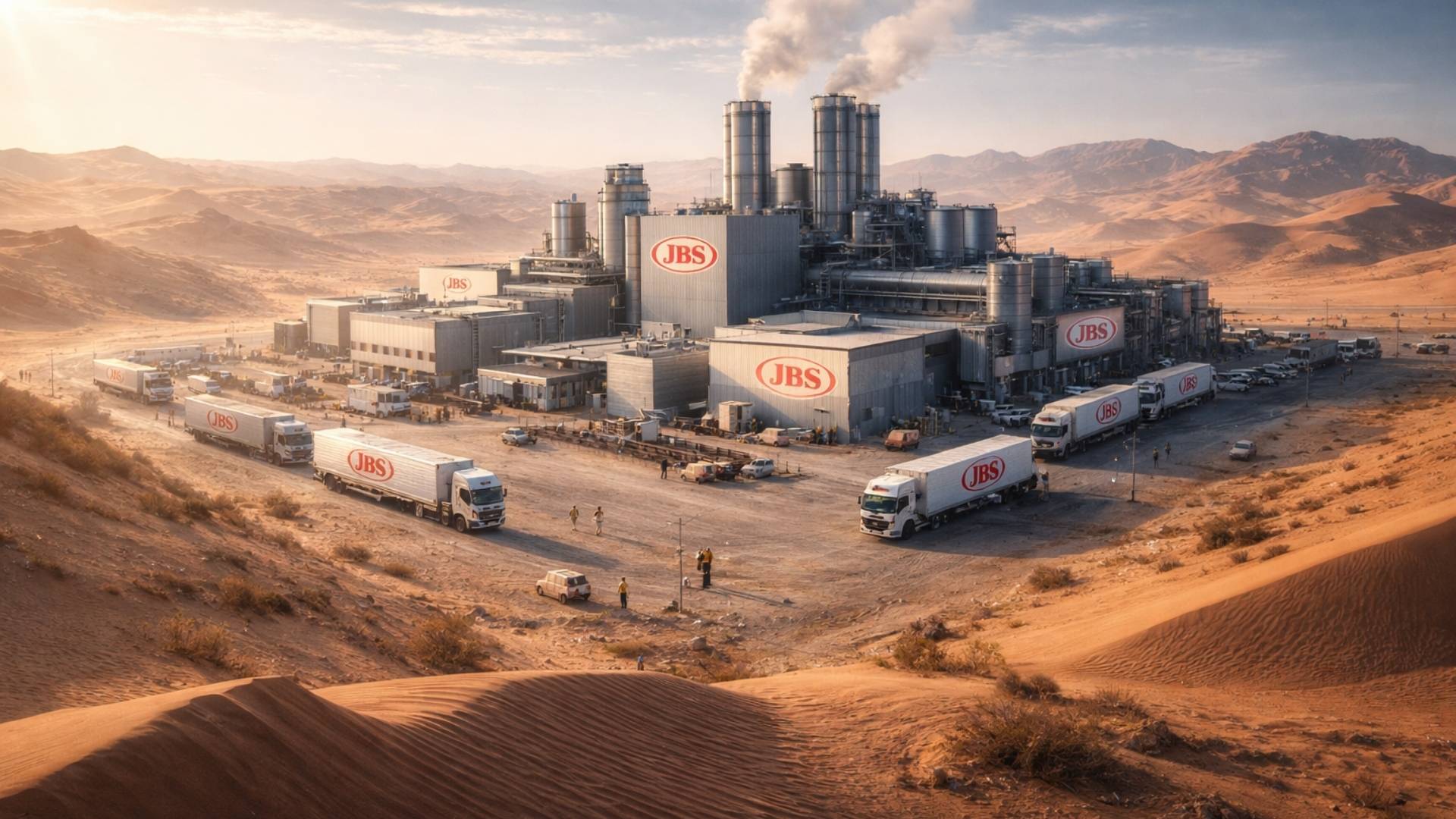
JBS, founded by the Batista brothers, continues to conquer the world: entrepreneurs built a ‘factory in the desert’ creating 3,000 jobs.
-
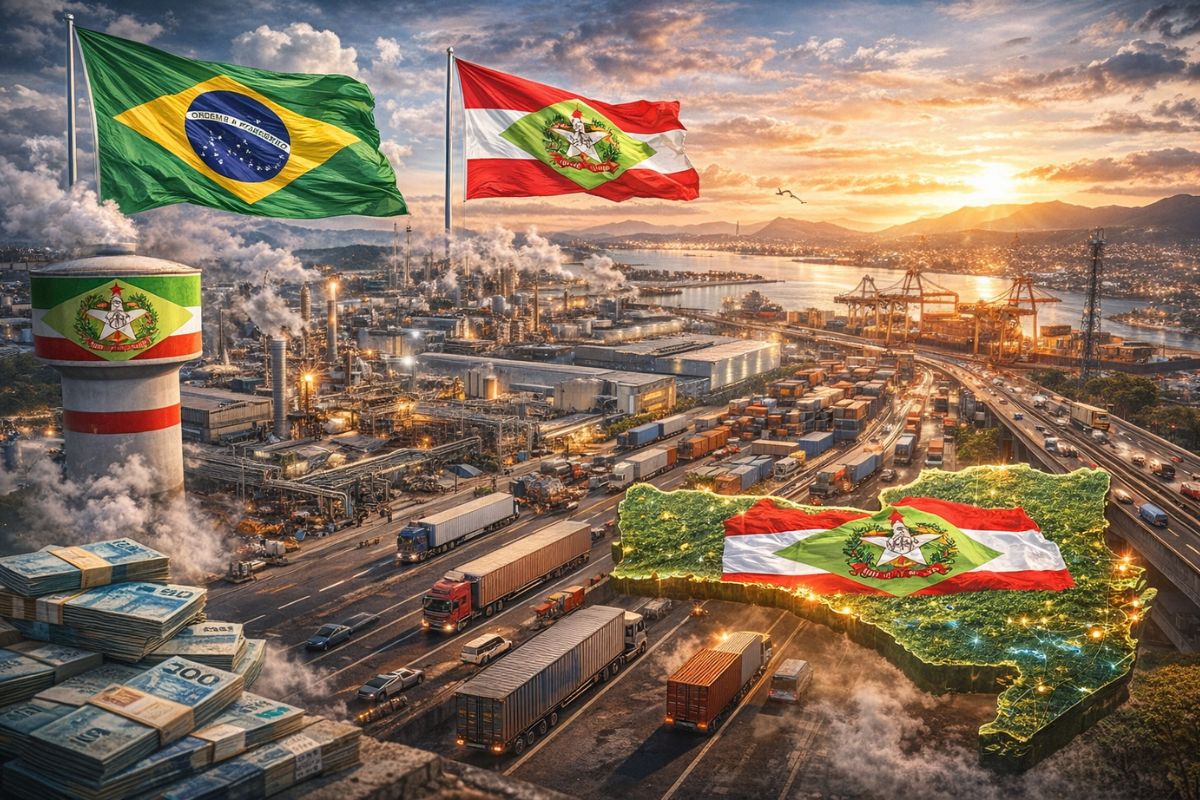
With only 1% of Brazil’s territory, Santa Catarina has built one of the most competitive industrial parks in the country, with 64,000 companies, nearly 1 million jobs, and a growth rate of 5.3% while the national industry is practically stagnant.

The ceremony was attended by the Secretary of Agriculture, Livestock, Sustainable Production, and Irrigation, Edivilson Brum, representing Governor Eduardo Leite.
In his speech, Brum highlighted that Lavras do Sul generates around R$ 200 million annually in transactions related to the livestock sector, creating jobs, income, and driving the development of the entire region.
According to the secretary, the strength of the gaucho herd, primarily composed of animals of European origin, demonstrates high genetic quality and the ability to adapt to the conditions of the Pampas, consolidating the local agricultural vocation.
Sustainability and Innovation in Gaucho Livestock Production
The search for sustainable practices and precision agriculture technologies was one of the main topics discussed at the Universe Livestock.
Brum emphasized that the moment is favorable for the growth of gaucho livestock, as the fluctuation in soybean prices may lead to a reduction in areas allocated to the crop, opening space for the expansion of livestock activities.
The rise in cattle prices and the lower supply in the market reinforce this trend, indicating a scenario of productive efficiency and sustainability.
These strategies align with the state government’s guidelines to modernize agriculture in Rio Grande do Sul, promoting greater integration among the links in the production chain and encouraging the use of technologies that reduce costs and environmental impacts.
The event also reinforced the role of livestock as a vector of regional development, attracting investors and strengthening the local economy.
Rural Entrepreneurship and Valuation of the Pampas Gaucho
The panel “Meeting of Pampas Gaucho Leaders,” held on the first day of the event, highlighted the entrepreneurial potential of the state’s interior.
Promoted by Sebrae RS and the Rural Union of Lavras do Sul, the debate brought together representatives from the public and private sectors to discuss the enhancement of regional potentialities and the strengthening of rural entrepreneurship.
During the panel, the Secretary of Economic Development, Ernani Polo, presented the LÍDER Program – Leadership for Regional Development, an initiative aimed at training local leaders capable of acting collaboratively and strategically.
Polo emphasized that programs like LÍDER strengthen the articulation between public authorities, the productive sector, and the third sector, promoting lasting and sustainable results.
According to him, “training engaged and prepared leaders is essential to ensure the economic and social growth of all of Rio Grande do Sul,” reinforcing the government’s commitment to human and territorial development.
Regional Development and Sustainable Economic Strengthening
The 3rd Universe Livestock reaffirmed the prominence of agriculture in Rio Grande do Sul as a driver of regional development.
Integration among producers, institutions, and local leaders has been fundamental in keeping the state at the forefront of sustainable production and technological innovation.
With Lavras do Sul emerging as a reference hub, the meeting demonstrated how the balance between tradition, modernization, and cooperation can yield consistent results.
The combination of efforts between public authorities and the productive sector projects the Pampas Gaucho as an example of efficiency, environmental valuation, and competitiveness in the national scenario.
The agriculture in Rio Grande do Sul continues, therefore, as a symbol of a new stage of sustainable growth, where technology, leadership, and environmental responsibility walk side by side to strengthen the future of Brazilian agriculture.







Seja o primeiro a reagir!