





 Portuguese
  English
  Spanish
  3 min of reading
  0 comments


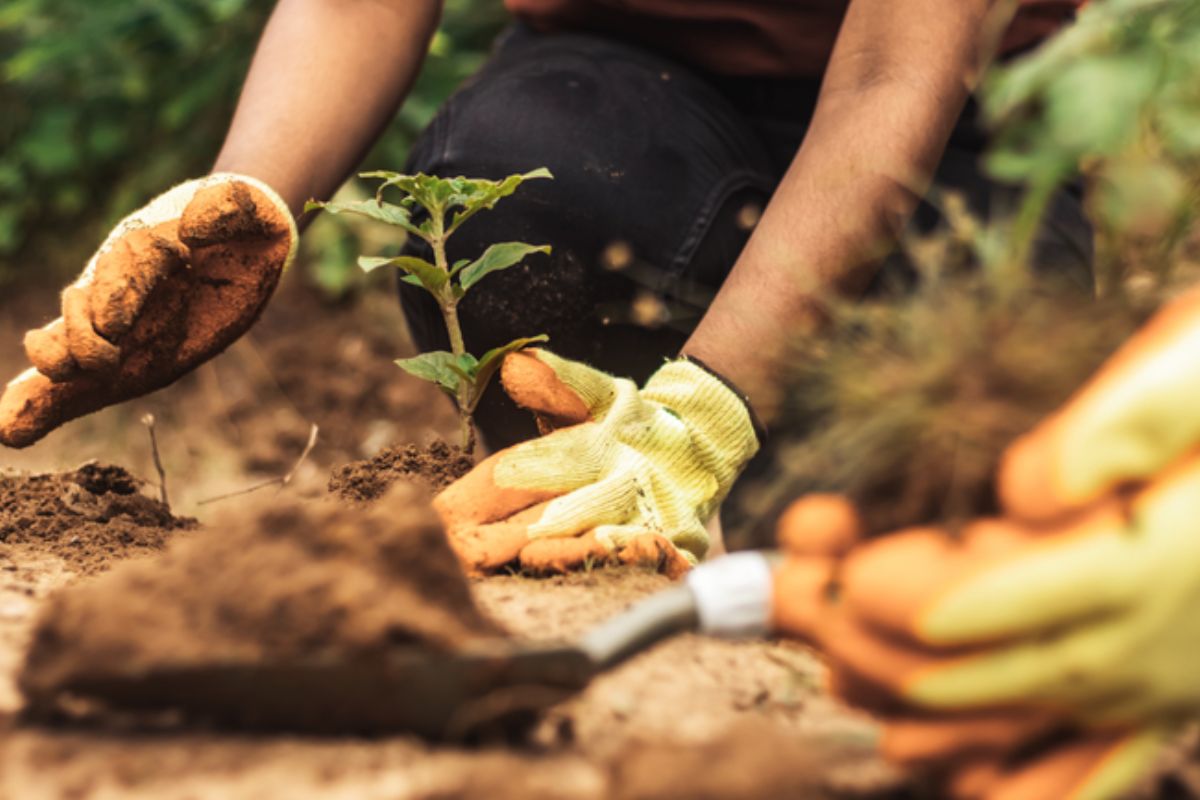
During COP 30, Brazil, Through the Map, Reinforces Its Global Leadership with Actions That Connect Sustainable Agriculture, Green Innovation and Low-Carbon Rural Economy
The sustainable agriculture gained prominence on the international agenda of COP 30, which will take place from November 10 to 21, 2025, in Belém (PA), according to a news article published.
Under the leadership of the Ministry of Agriculture and Livestock (Mapa), Brazil will present four Acceleration Plans for Solutions (PAS) that unite technological innovation, environmental conservation, and productive inclusion.
The actions reinforce the country’s strategic position in the global transition to low-carbon food production, efficient use of natural resources, and income generation in rural areas.
-
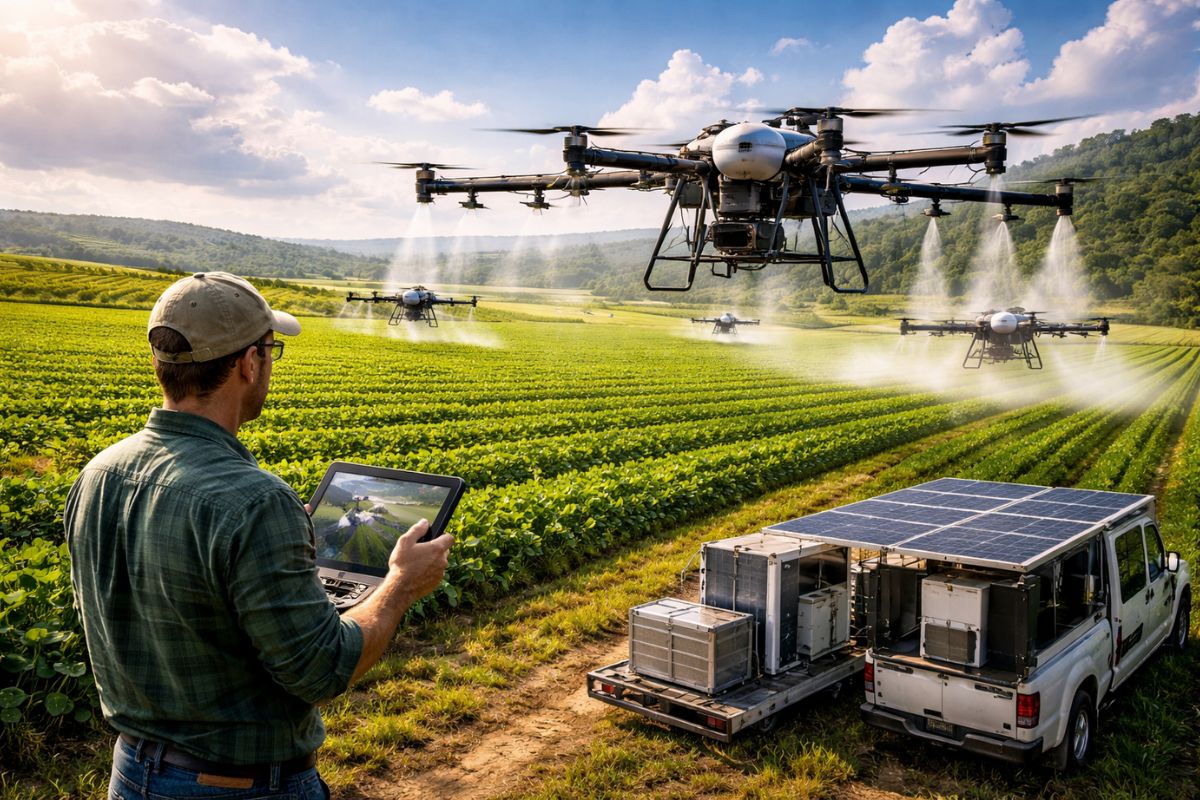
Alone, the producer applies 7,400 hectares with the T100 drone in an optimized structure, replaces the generator with a silent battery, and demonstrates how technology reduces costs, increases productivity, and even challenges the uniport in the field.
-
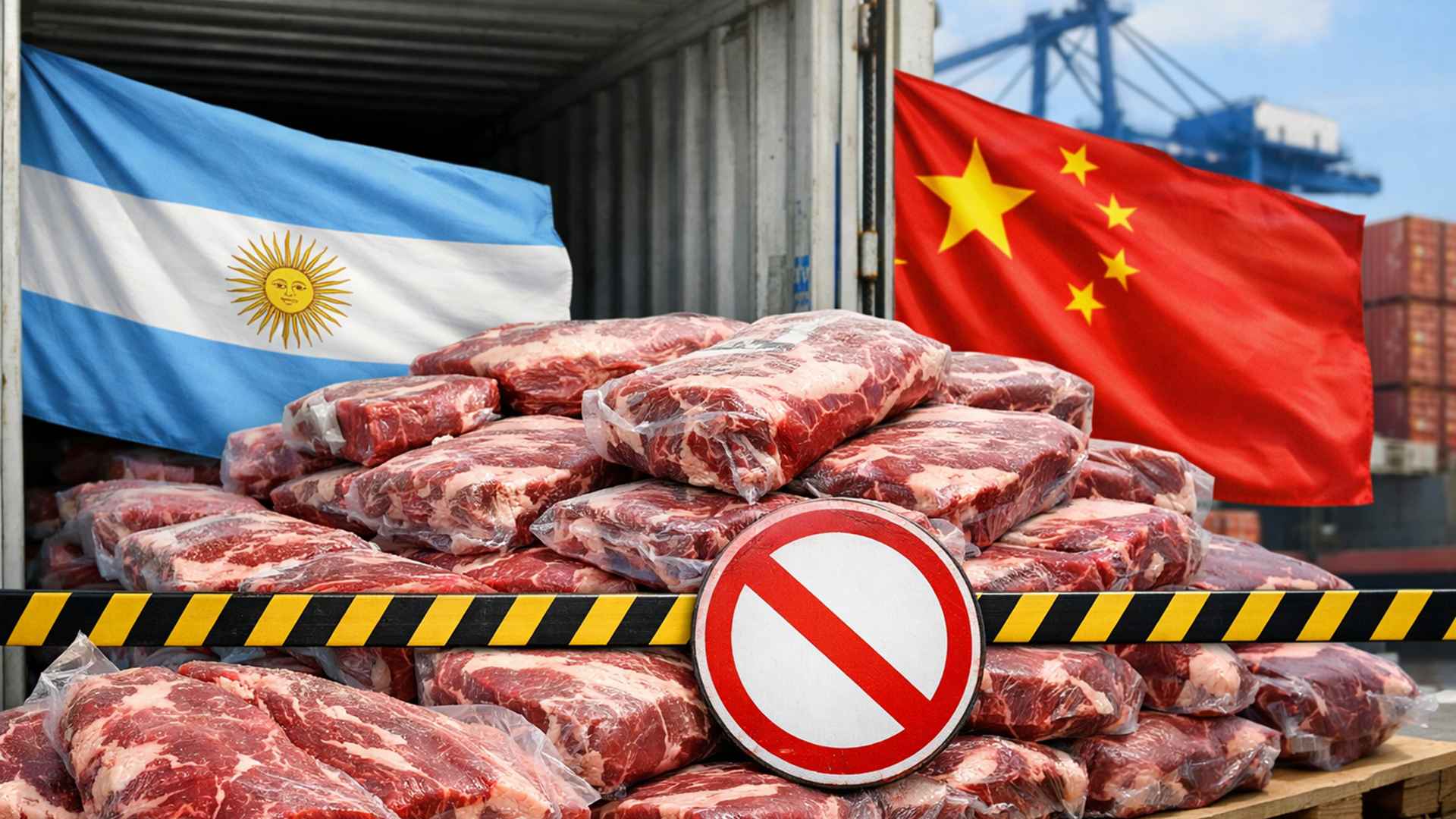
China banned the export of 22 tons of meat from Argentina.
-
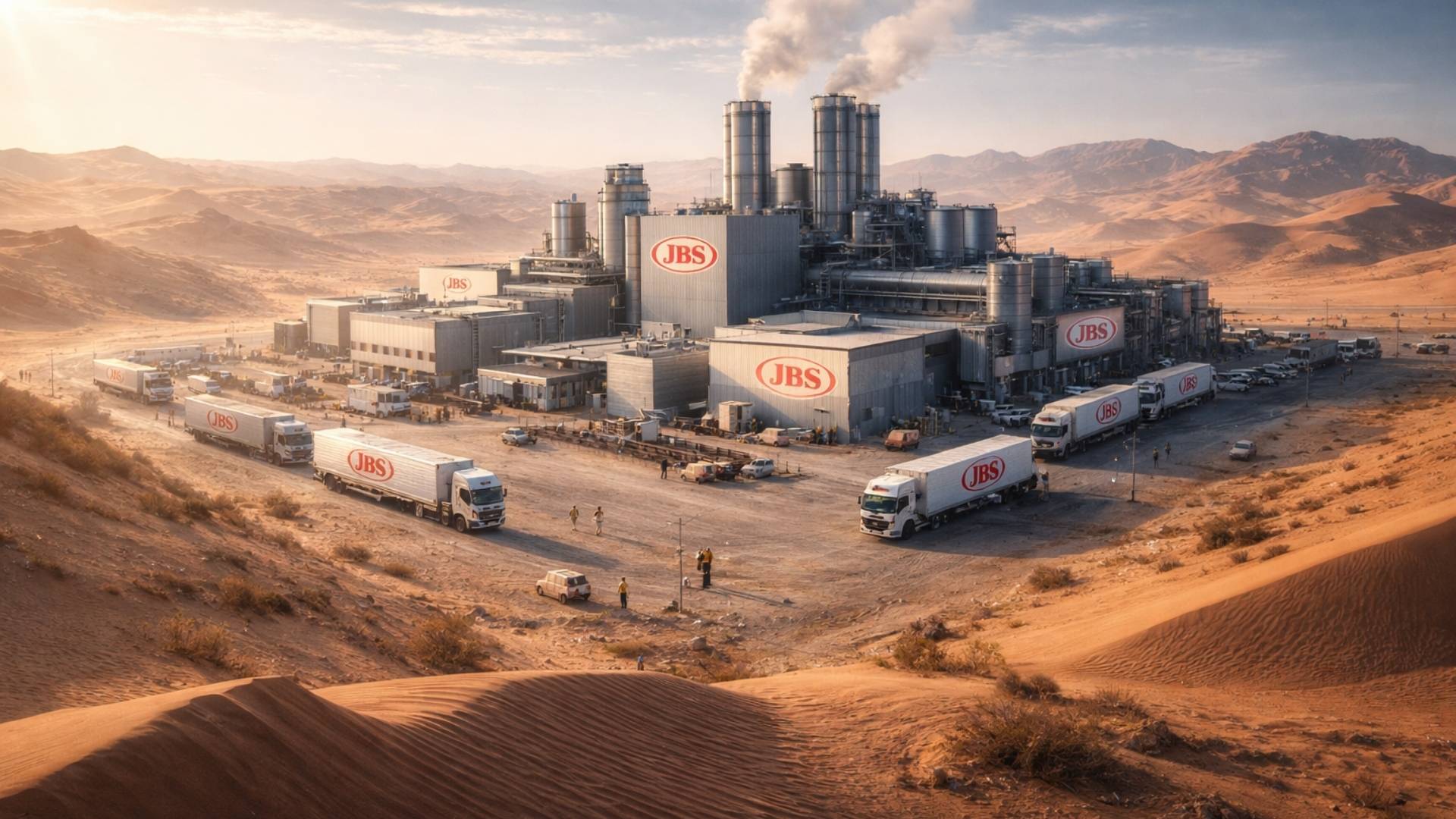
JBS, founded by the Batista brothers, continues to conquer the world: entrepreneurs built a ‘factory in the desert’ creating 3,000 jobs.
-
With only 1% of Brazil’s territory, Santa Catarina has built one of the most competitive industrial parks in the country, with 64,000 companies, nearly 1 million jobs, and a growth rate of 5.3% while the national industry is practically stagnant.


Brazil’s presence is coordinated in partnership with international organizations, such as FAO, World Bank, CGIAR, Climate and Clean Air Coalition (CCAC), and Food and Land Use Coalition (FOLU).
The goal is to accelerate the adoption of sustainable practices, ensuring productivity and food security in the face of climate change.
According to Minister Carlos Fávaro, the country demonstrates that it is possible to “produce, conserve, and include,” reaffirming Brazil’s leadership in the integration of agriculture, climate, and rural development.
Regenerative Agriculture Boosts Restoration of Degraded Areas and Green Investments
Among the highlights of the conference is the RAIZ Initiative (Resilient Agriculture Investment Plan for Zero Land Degradation), coordinated by the Mapa in partnership with FAO and the Climate and Society Institute (iCS).
The plan aims to map and restore degraded agricultural areas on a large scale, connecting governments, investors, and local communities.
The strategy aims to generate green jobs, strengthen food security, and enhance outcomes in biodiversity and rural income.
This initiative is part of a global effort for a regenerative agriculture capable of reducing environmental impacts, increasing productivity, and valuing small producers.
The proposal also includes sustainable financing mechanisms that encourage sustainable agricultural practices, strengthening Brazil’s position as a global reference in agro-environmental solutions.
Green Innovation and Rational Use of Fertilizers Reduce Emissions and Increase Efficiency
Another essential axis of the Brazilian program at COP 30 is the international plan for the efficient and sustainable use of fertilizers, coordinated by the United Kingdom and Brazil, with technical support from the Mapa and CCAC secretariat.
The project aims to optimize the management of mineral and organic fertilizers, as well as encourage the use of green ammonia and bioinputs.
The proposal focuses on reducing excessive input use, improving nutritional efficiency of crops, and stimulating low-carbon production, thereby reducing costs and environmental impacts.
The action also ensures equitable access to technologies for small and medium producers, strengthening a sustainable agriculture based on innovation and efficiency.
This transition is viewed as strategic for achieving climate mitigation goals by 2030 and consolidating Brazil as an agro-environmental power.
Low Carbon and Resilient Rural Economy Enhance Brazil’s Global Protagonism
The Mapa is also involved in carbon removal in agriculture, in partnership with Cascade Climate, utilizing technologies such as no-till planting, integrated systems, and biochar.
These solutions allow capturing and storing carbon in the soil, promoting climate resilience and improving agricultural quality.
Additionally, Brazil co-leads the initiative for sustainable livestock and agriculture, led by the Clean Air Task Force (CATF), focusing on methane reduction in livestock and rice cultivation.
These measures boost a resilient rural economy, enhance productivity, and position the producer as a central agent in the agro-environmental transition.
The goal is to reduce emissions, generate income, and increase the competitiveness of Brazilian agribusiness, aligning production with conservation.
The sustainable agriculture thus emerges as the structural axis of the climate policies led by Brazil at COP 30, consolidating the country as a global example of rural development with environmental balance.









Seja o primeiro a reagir!