





 Português
  Inglês
  Espanhol
  6 min de leitura
  0 comentários


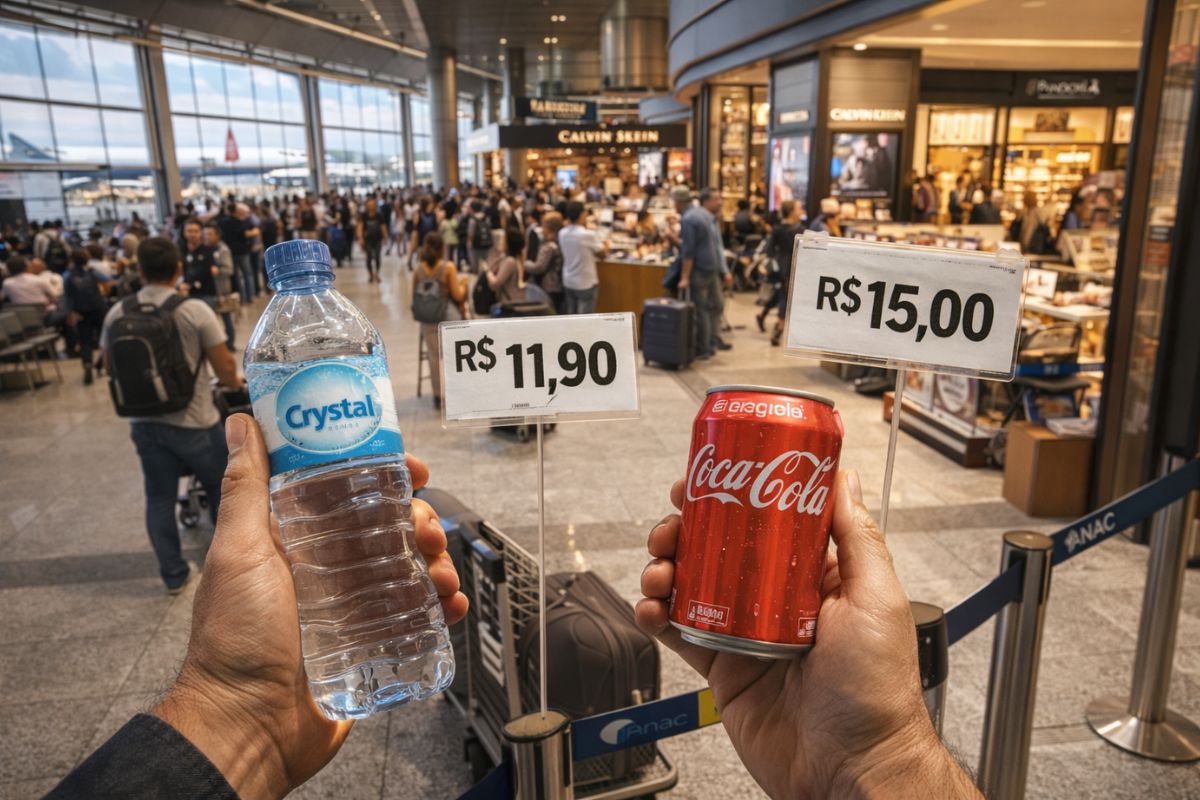
This Guide Explains Airport Prices and Food in the Secure Area of the Airport, the Weight of Non-Aeronautical Revenue and What Street Pricing Is.
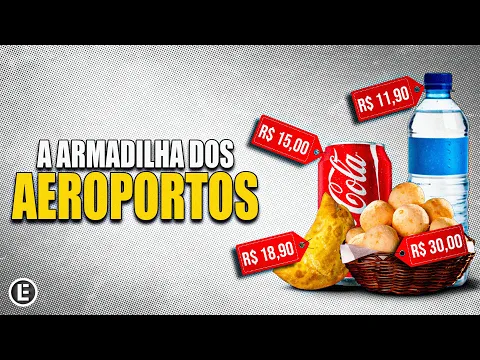
In Brazilian airports, a small bottle of water at R$ 11.90 and a soda at R$ 15 often draw attention. These prices are not just the result of point decisions by a store, but of a commercial environment with its own rules and a relatively “captive” demand, especially after the X-ray.
For the passenger, the experience is recurrent: little time, few alternatives, and prices above the standard outside the terminal. Behind this, there is a model where the commercial area has gained weight in airport revenue and directly influences what reaches the counter.
You have probably been through this situation. In the boarding area, tired and with time tight, buying inside often becomes the only practical option.
-
Brazilian city gains industrial hub for 85 companies that is equivalent to 55 football fields.

-
Peugeot and Citroën factory in Argentina cuts production by half and opens a layoff program for more than 2,000 employees after Brazil drastically reduced purchases of Argentine vehicles.

-
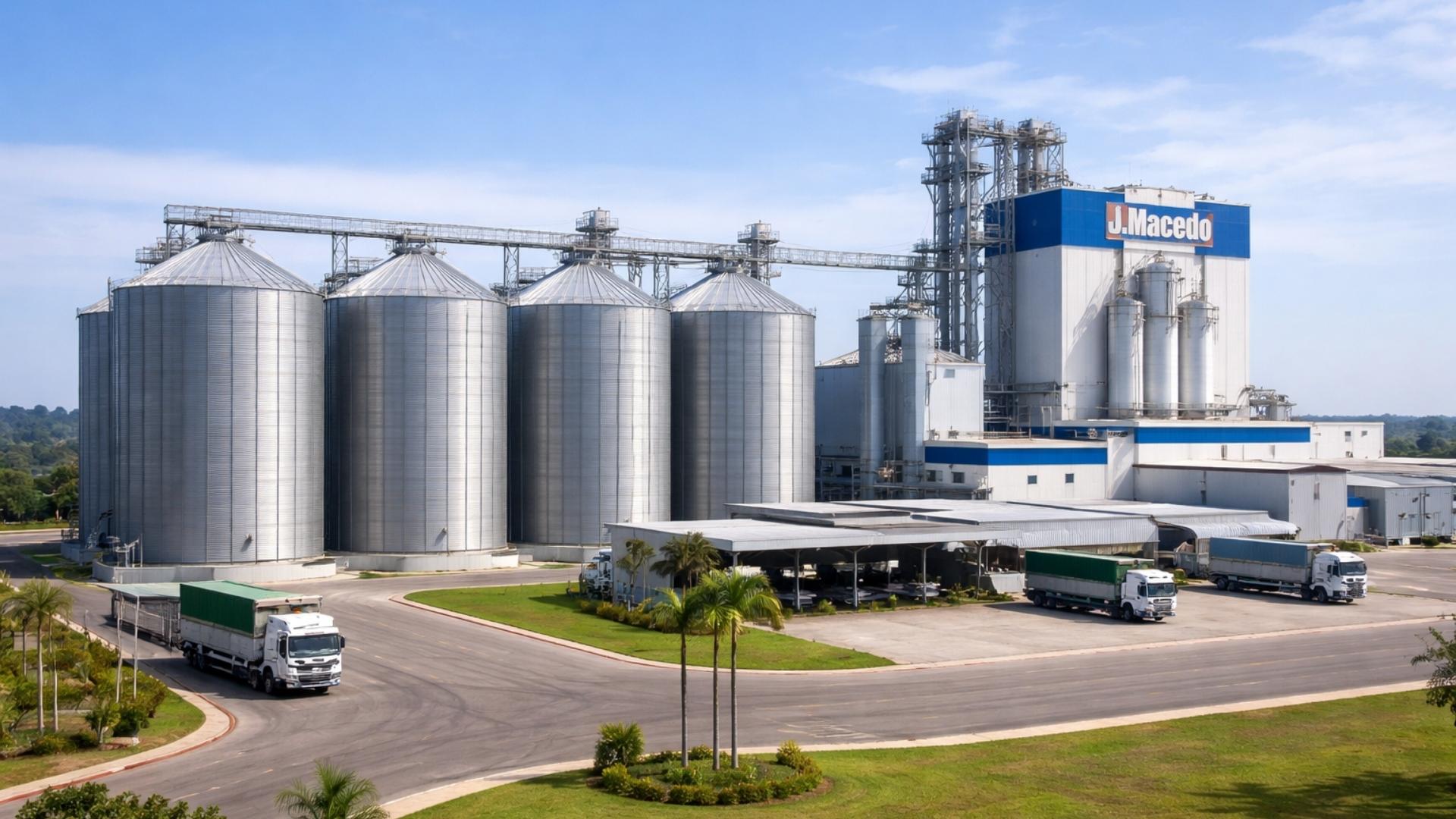
A Brazilian city gains a factory worth R$ 300 million with the capacity to process 200 thousand tons of wheat per year, a mill of 660 tons/day, silos for 42 thousand tons, and an industrial area of 276 thousand m².
-
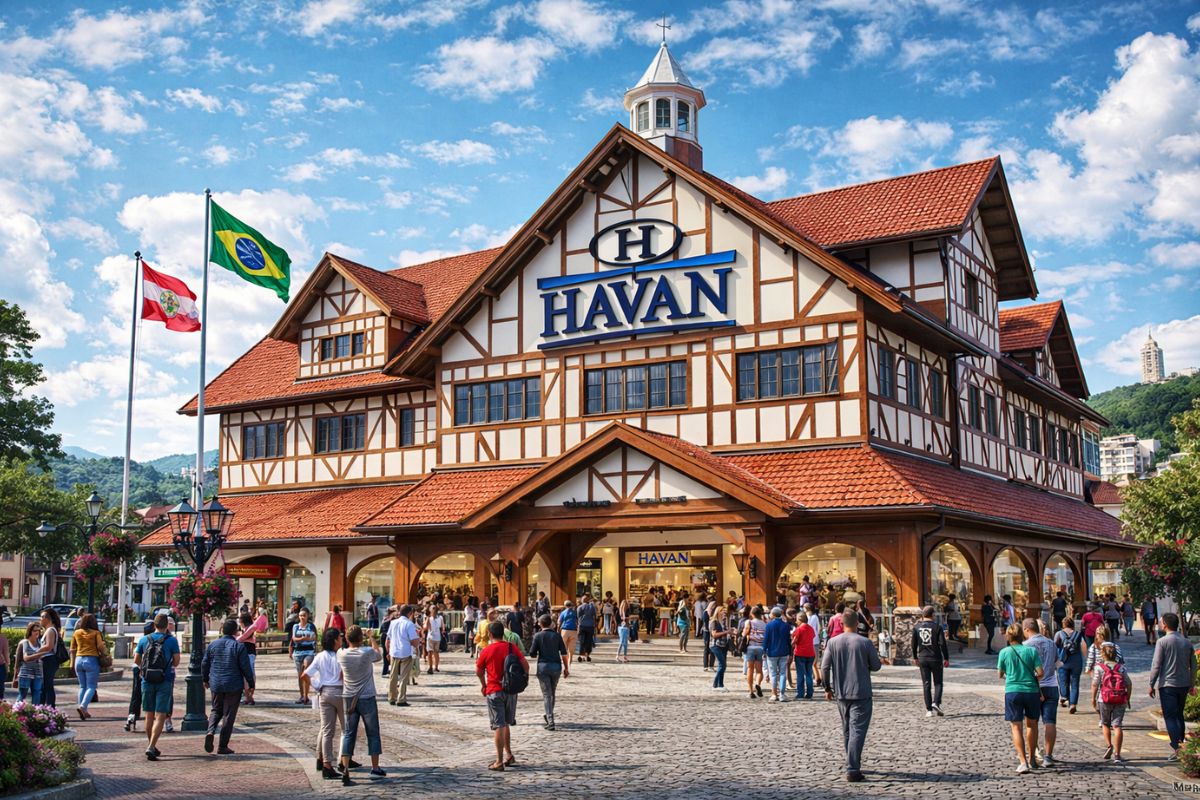
Havan will leave the shopping mall in Blumenau to inaugurate something that the chain has never done before: a megastore in half-timbered style in the Historic Center of the city, which is expected to be completed in May and change the landscape of local retail.

The impact shows up on the receipt. Water, soda, and simple items can cost amounts comparable to complete meals in nearby neighborhoods.
This does not necessarily mean that there is a “single trick” behind the price. What exists is a combination of operational and commercial factors that makes consumption at the airport structurally more expensive.
The Scene in Guarulhos That Summarizes Brazilian Airports
In Guarulhos, one of the main airports in the country, the contrast is usually evident. A simple combo with water and soda can easily exceed what the passenger would pay outside the terminal.
The central point is the lack of comparable alternatives within the secure area. After inspection, there is no “street next door” or accessible external commerce without leaving the flow and losing time.
This context reduces consumer choice. With queues, close boarding, and longer displacements, price comparison loses strength in practice.
The result is a market where convenience and restricted access weigh on the final value. Basic items end up incorporating a “premium” associated with the location.
How Airports Became Commercial Centers with Flight Infrastructure
For decades, airports were primarily designed as transportation infrastructure. The terminal provided basic services, focusing on boarding, disembarking, and air operations.
This design has changed in many countries. Today, it is common for passengers to traverse areas designed to extend their stay and exposure to stores and dining, especially after security control.
The change has an architectural component, but it is mainly economic. Airports have begun to seek, in addition to flight-related fees, revenue from commercial activities.
This revenue is often referred to as “non-aeronautical.” It includes shops, restaurants, advertising, parking, leasing spaces, and services like VIP lounges.
In larger terminals, this segment can represent a significant portion of total revenue. When this happens, retail ceases to be accessory and becomes part of the financial sustainability model.
Why Airports Are Increasingly Dependent on What Passengers Consume
In airports granted to private initiative, contracts usually combine investment obligations, goals, and service standards.
The operator’s remuneration involves sources related to air operations, but the commercial area tends to play an important role in the economic balance of the project.
In practice, the logic is simple: more traffic and more time spent increase consumption potential. This also increases the value of commercial spaces and contracts signed with retailers and brands.
In many models, the airport generates revenue from leasing and also from variable components. These components may be tied to the point’s revenue, in addition to fees and contractual obligations for the use of the space.
When the occupancy of the point is expensive, the cost tends to show up in the consumer price. The pass-through occurs diffusely, distributed across menu items and convenience products.
For this reason, food and beverages have become good indicators of the system. They are quick-purchase items, with prices easily comparable to what is found outside the airport.
What Is Embedded in the Price of a Bottle of Water
When buying a water for R$ 11.90, the passenger pays more than just for the product itself. The price incorporates operational costs and the commercial value of selling in a guaranteed traffic environment.
One of the factors is the cost of space. Rent, fees, and operational requirements can be higher in areas of intense circulation and, above all, in controlled environments.
The operation during extended hours and the need for staff in shifts also plays a role. Internal logistics, access control, and process standardization make the operation more complex than at street points.
Additionally, the consumer is in a time-limited context. This restriction reduces price sensitivity at the time of purchase, as the alternative may mean missing the boarding or facing long displacements.
With these combined elements, the product gains a “convenience premium.” This premium tends to repeat across various categories, not just in beverages.
Limited Competition and Prices That Are Similar to Each Other
Another factor is the structure of entry and commercial occupancy within airports. Opening a point often requires capital, compliance with rules, and participation in selection or hiring processes.
In many terminals, space is limited and concentrated in specific flow areas. This reduces the number of opportunities and may favor larger brands or operators capable of meeting requirements.
Even when there are different logos, prices can end up being similar. This can occur due to similar costs, a public with low substitution capacity, and contracts that increase the cost of the point.
This behavior does not need to be understood as an explicit price-fixing agreement. In markets with limited alternatives, it is common to see convergence to high levels.
With few effectively cheaper options, price competition loses strength. The passenger then comes to treat high prices as a characteristic of the environment, rather than as an exception.
Who Regulates What in Brazilian Airports
In Brazil, the ANAC primarily operates in aspects of civil aviation and airport infrastructure. This includes service standards, operational safety, operating rules, and regulatory elements related to air transportation.
The retail within the airport, on the other hand, tends to function under market logic. Generally, there is no defined sector cap determining how much water, soda, or meals can cost in the commercial area.
This does not mean the absence of consumer regulations. Transparency rules and commercial practices remain subject to the Consumer Protection Code, and agencies like Procons can act in specific situations.
The point is that there is not, as a general rule, a formal obligation for internal prices to follow city prices. Nor is there, in a standardized way, a regulatory mechanism equivalent to “street prices” for basic items.
In practice, quicker control usually occurs through reputation and public pressure. Cases that gain visibility tend to generate charges on stores and terminal management, but without a single standard.
What Happens in Other Countries and What Alternatives Appear in the Debate

In some international airports, there is a practice known as “street pricing.” In these cases, stores commit to keeping prices close to those practiced outside the terminal, with a certain margin of tolerance.
In other models, contracts and public policies may require a variety of offers. This can include more affordable options, the presence of brands with different price ranges, and transparency mechanisms.
Even where measures of this type exist, airports still tend to be more expensive than the street.
Access restrictions and operational costs usually maintain some level of “premium” in the price.
In Brazil, discussions periodically arise about ways to ensure more accessible basic options. Among the ideas, references to prices comparable to those in the city, a requirement for popular alternatives, and minimum supply standards emerge.
So far, however, the prevailing scenario is one of broad pricing freedom in airport retail. In this context, high prices are explained more by structure and incentives than by a single isolated factor.
What This Means for the Passenger
In the end, a significant part of the economy of many airports is linked to what the passenger consumes while waiting for their flight.
The water at R$ 11.90 and the soda at R$ 15 become visible examples of a system where convenience, restricted choice, and space cost have a direct impact on price.
For travelers, the perception of being expensive is usually immediate. The discussion then revolves around which mechanisms could balance commercial freedom and consumer protection in an environment with limited alternatives.
If you have ever experienced this situation, you probably have a number in mind. How much have you paid for food or drinks in airports in Brazil?








-

Uma pessoa reagiu a isso.