





 English
  Francês
  Alemão
  Italiano
  Japonês
  Norueguês
  Portuguese
  Spanish
  3 min of reading
  0 comments


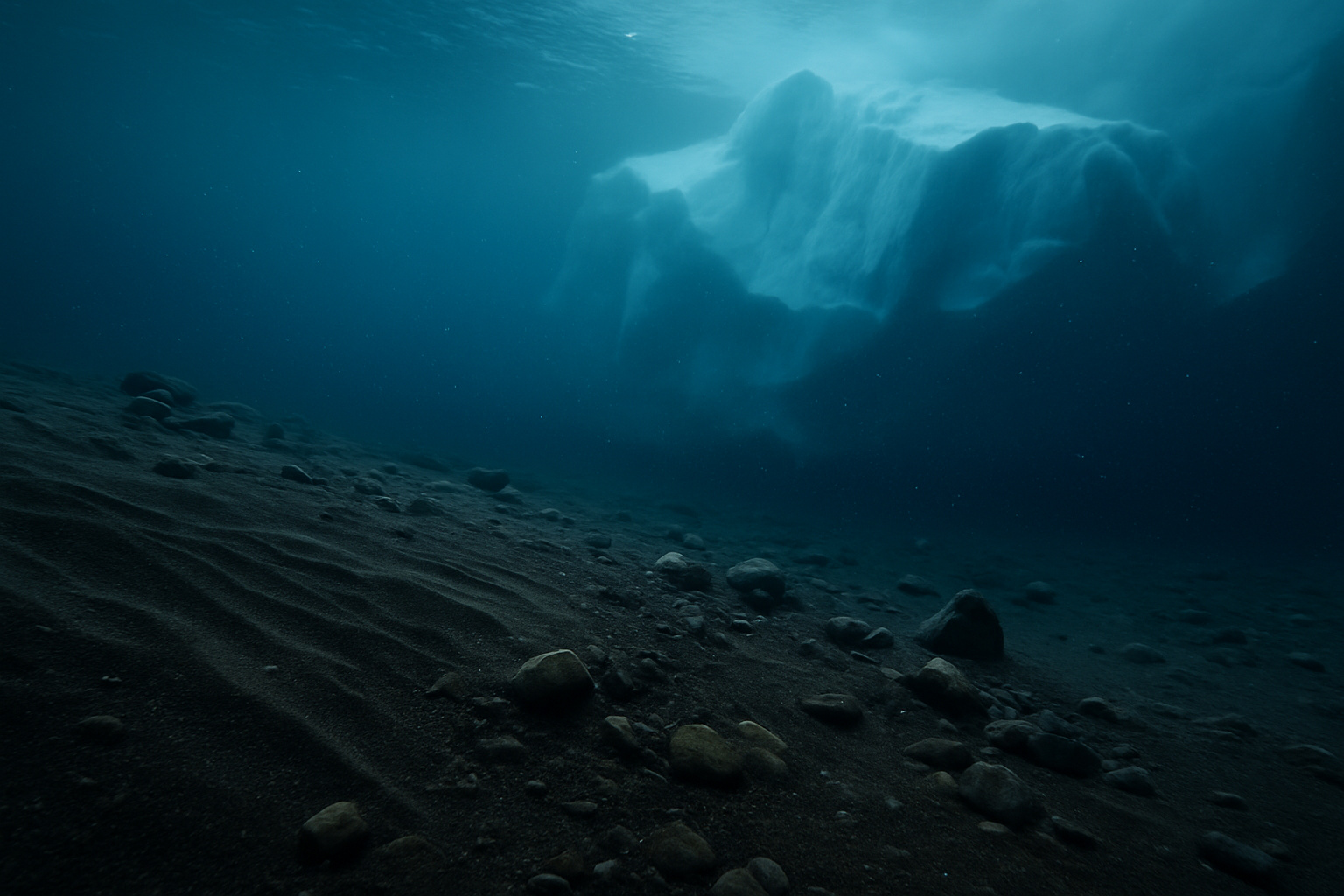
A Deep Carbon Reservoir Maintained Since the Last Ice Age Reveals How Stagnant Waters of Antarctica Shaped Earth’s Climate Transition
A Climate Phenomenon of Huge Scientific Relevance Was Recently Revealed, attracting the attention of international researchers. Scientists Discovered That the End of the Last Ice Age Occurred About 12,000 Years Ago, coinciding with the Sudden Release of Carbon Trapped in the Southern Ocean. The Analyses Were Released by Institutions Such as the University of Cambridge and the Alfred Wegener Institute, as well as the University of Oregon. This Carbon Remained Sequestered in Deep Waters for Millennia, which Directly Influenced Climate Evolution. The Waters Functioned as a Climate Vault, as They Kept CO₂ Away from the Atmosphere.
Scientific Investigation Reveals How This Hidden Vault Works
The Discovery Occurred After Analyses of Sediment Cores Extracted from the Region. These Materials Showed an Exotic Chemical Signature, Indicating Deep and Stagnant Waters. Researchers Claim That This Prolonged Stagnation Formed a Highly Concentrated Carbon Reservoir, which Happened Over Thousands of Years. Records Confirm That Isolation Kept Atmospheric CO₂ Levels Lower, Favoring Climate Stability. Stagnant Water Functioned as a Natural Barrier, Preventing the Release of Gas.
Internal Change in Antarctica Triggers Carbon Release
However, the Warming That Ended the Ice Age Initiated an Unexpected Transformation. The Retreat of Sea Ice Allowed for the Formation of a New Antarctic Bottom Water (AABW), with Reduced Salinity. This Newly Formed Mass Was Less Dense, Thus Taking Up Space and Pushing Stagnant Waters Upward. The Process Occurred in Two Phases, as Studies Describe. The Water Trapped for Millennia Lost Stability, Facilitating Its Mixing with Upper Layers. CO₂ Escaped Rapidly into the Atmosphere, Accelerating Global Warming. This Natural Mechanism Redefined the Transition to the Holocene, According to Modern Climate Analyses.
-
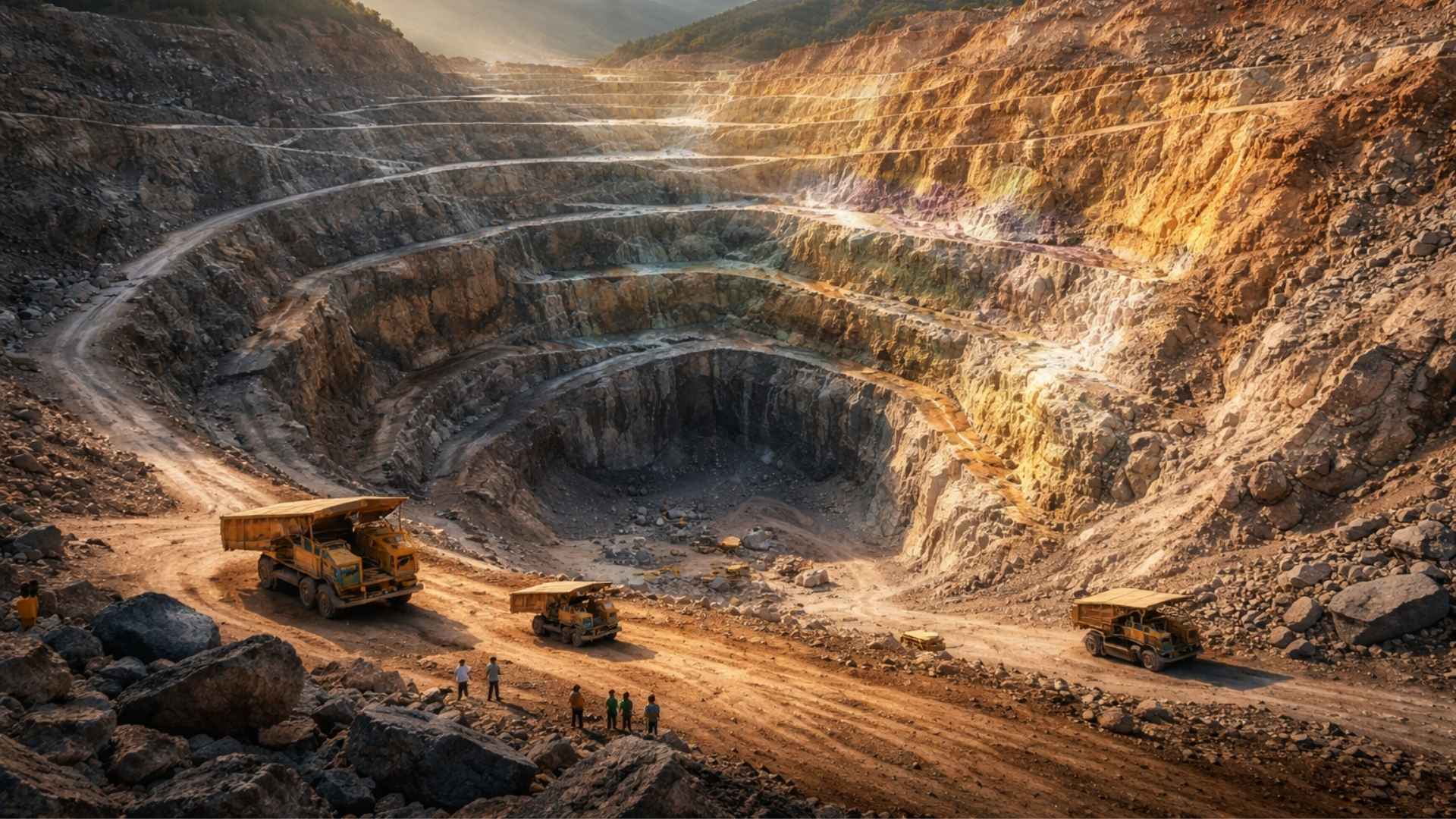
China discovers a mega reserve with 10.4 million tons of rare earths and could redefine global dominance in technology, clean energy, and the military industry with 27.1 million tons of fluorite and 37.2 million tons of barite.
-
China began working on 6G in 2019 when commercial 5G barely existed and now leads the world in patents for a technology that promises speeds 100 times greater, and no country wants to be left out.

-
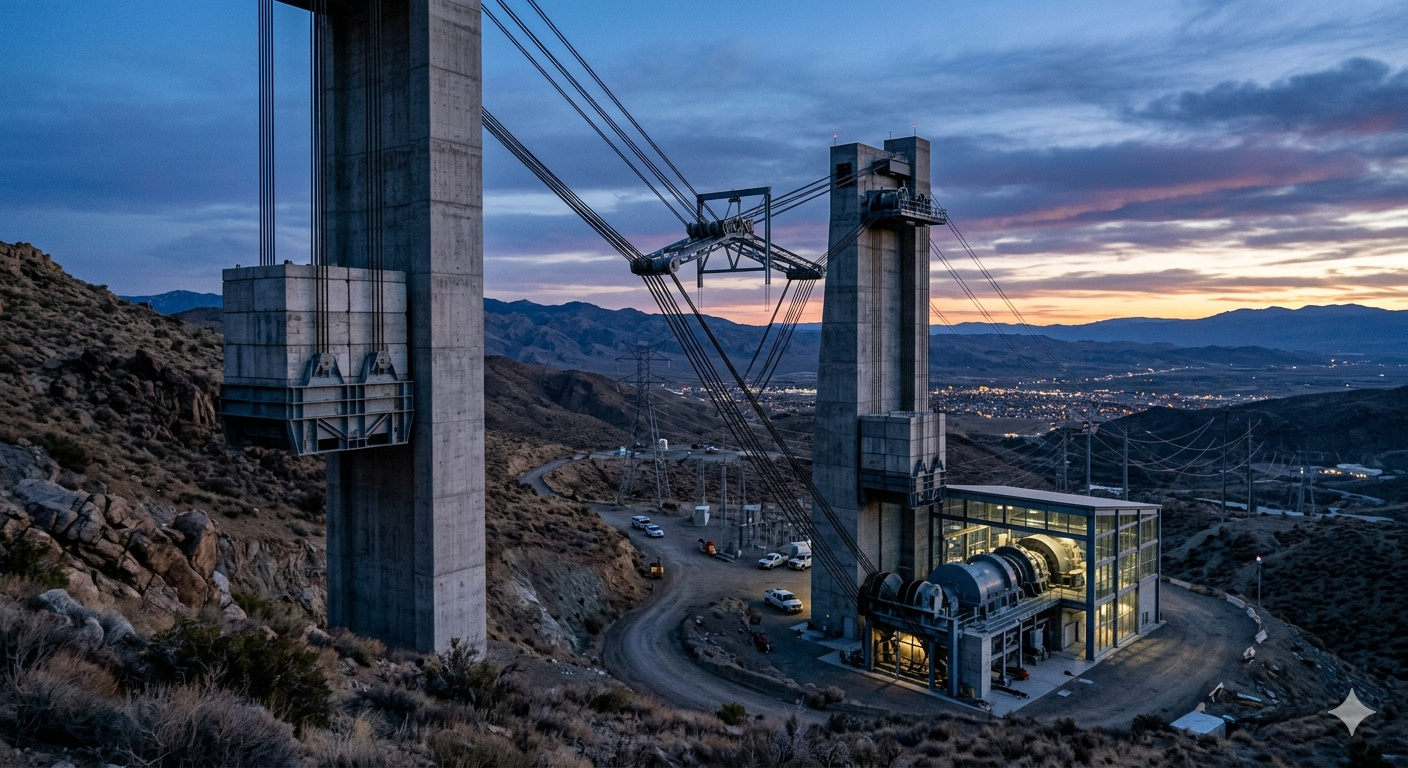
Around 500,000 abandoned coal mines could be turned into giant batteries using only sand and gravity, studies indicate a potential of up to 70 TWh of storage, with China, India, and the USA concentrating enough capacity to power entire cities without needing to build anything new.
-
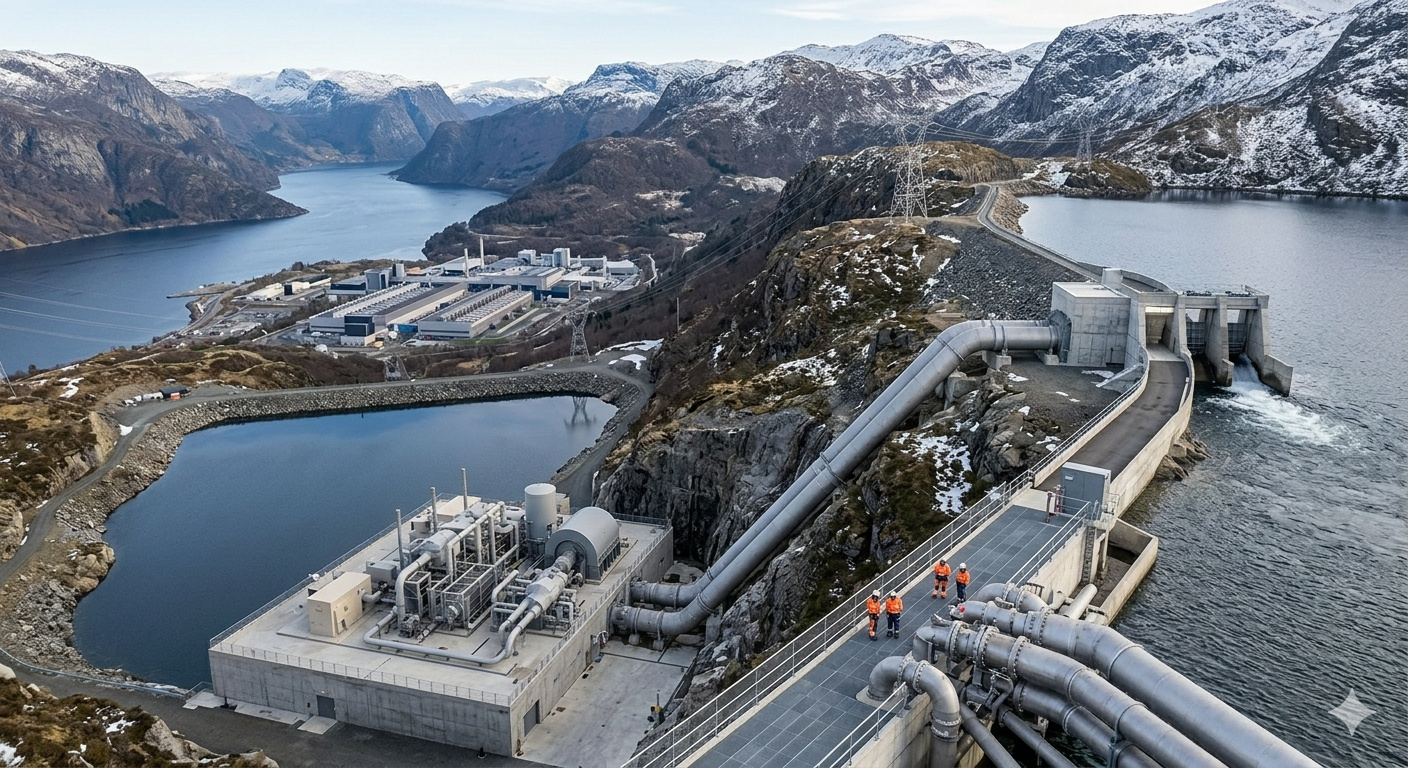
While the world bets on lithium, Norway invests over R$ 1.3 billion in a “water battery” that pumps energy 360 meters up the mountain, stores up to 107 GWh, and ensures stable electricity for the aluminum industry during the winter.

Present Impacts and Contemporary Concerns
Although the Phenomenon Belongs to the Past, The Discoveries Offer Urgent Warnings. Over the Last Five Decades, Deep Waters of the Southern Ocean Have Warmed at an Increasing Rate. Reports from International Oceanographic Centers Confirm This Behavior, Amplifying Global Concerns. Understanding the Mechanism That Unlocked the Reservoir in the Past Allows for More Accurate Forecasts, as Similar Processes May Occur Today. Current Melting May Release Accumulated Carbon, According to Observations from NOAA and the British Antarctic Survey. This Risk May Intensify Warming in the Coming Decades, According to Consulting Climatologists.
Global Consequences and Parallels with Recent Discoveries
The Antarctic Revelation Integrates a Growing Set of Climate Research. Studies Remind Us That Large Natural Carbon Reservoirs Play a Decisive Role, Reinforcing the Importance of This Find. Small Changes in These Systems Can Lead to Rapid and Profound Shifts, as Recent Analyses Indicate. These Findings Highlight How Millennial Phenomena Can Inform Modern Climate Projections, Especially in Regions Vulnerable to Current Warming.
What Does the Future Hold for Antarctica and Global Climate?
Experts Highlight That The Behavior of the Southern Ocean Will Be Crucial in the Coming Years, Mainly to Assess the Pace of Climate Changes. The Possibility of Accelerated Carbon Release Concerns Researchers, Motivating Continuous Monitoring. The Current Challenge Involves Balancing Environmental Preservation, Climate Forecasts, and Scientific Monitoring, According to Environmental Institutions. This Balance Is Essential to Ensure Stability, Especially in a Scenario of Increasing Vulnerability. In Light of This Discovery, Should the World Prioritize Understanding the Natural Processes That Shape the Climate, or Focus Solely on Mitigating the Anticipated Impacts?
What Do You Believe Should Guide Global Climate Decisions Moving Forward?






Seja o primeiro a reagir!