





 English
  Francês
  Alemão
  Italiano
  Japonês
  Norueguês
  Portuguese
  Spanish
  4 min of reading
  0 comments



How To Structure Initial Preparation, Understand The Notice, And Create An Efficient Routine To Compete For Positions At Petrobras
The Petrobras contest remains one of the most anticipated in Brazil and at the same time is blocking thousands of candidates who wish to start but do not know where to begin.
Right from the start, the excess of available information, combined with contradictory methods, creates confusion. Still, exam preparation specialists claim that those who start with direction and method get ahead, even without prior experience.
In recent years, especially after the contests held in 2018 and 2021, according to historical records from Petrobras itself, the expectation for new selections has increased. Therefore, starting studies in advance has become a clear competitive advantage.
-
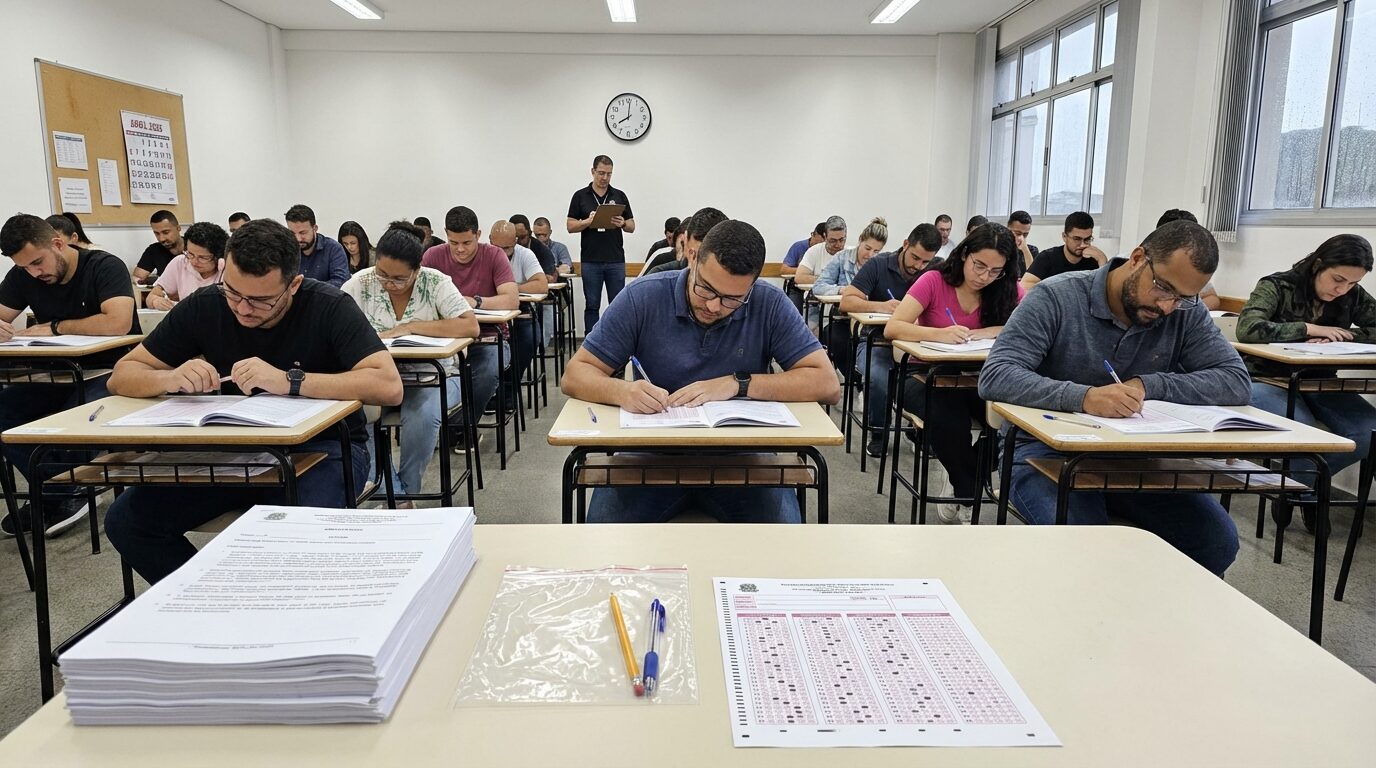
FCC releases the answer key for the Barueri 2026 contest after exams with 23,191 registered candidates, 124 vacancies, and salaries of up to R$ 22,200, with appeals scheduled for April 28 and 29.
-
The Technical Assistance and Rural Extension Company announced a Simplified Selection Process (PSS) with 24 temporary positions – the salary can exceed R$ 5,000.

-
Petrobras Subsidiary Opens 126 Positions With Salaries Exceeding R$ 8,000

-
FGV Releases Preliminary Results of the Objective Test for the PC PI Contest, Opens Appeal Period, and Confirms Dates for Next Stages with Approval Criteria and Detailed Salaries


Currently, the positions offered by the company typically feature starting salaries above R$ 14 thousand for technical level and more than R$ 24 thousand for engineers, already considering benefits. In addition, positions in offshore regimes can significantly increase remuneration, reinforcing interest in the contest.

Why So Many Candidates Get Stuck Right At The Beginning Of Their Studies
Despite the initial motivation, many candidates give up in the first days. However, this does not happen due to a lack of intelligence or effort. In practice, the main problem is the absence of clear direction.
Frequently, the notice is opened and closed quickly. Then comes the doubt about what to study first. This situation creates the feeling that only those who already master all the content can move forward, which does not reflect reality.
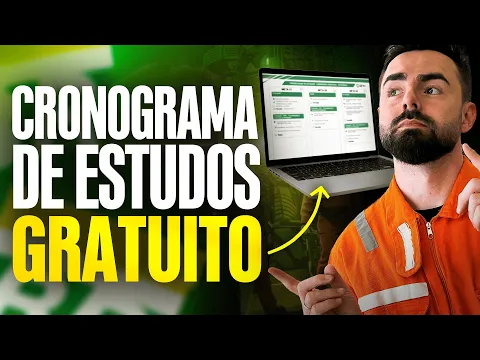
Experts emphasize that it is not necessary to know everything at the beginning. The central point is to understand how the contest works and structure the first steps objectively and realistically, as advocated by initial methodologies applied in foundational courses, such as Concurseiro Zero 1, aimed precisely at those who are starting from scratch.
Understanding The Notice And The Contest Process
Before anything else, it is essential to understand how the Petrobras contest works. Even if the notice has expired, it serves as a reliable basis for guiding studies.
In this process, the candidate should identify the required subjects for their position, observe the weight of each subject, and analyze the profile of the organizing body, as happened in previous editions conducted by institutions such as IBFC and Cebraspe.
This type of initial organization, by the way, follows the same logic adopted by introductory preparation programs, which prioritize clarity about the notice before delving into the content.
Analysis Of Previous Exams Reveals Important Patterns
After understanding the notice, the next step involves analyzing previous exams. Contrary to what many believe, exams are not random. On the contrary, they follow well-defined patterns.
By studying at least three previous exams in the same area, the candidate can identify recurring themes, question styles, and levels of difficulty. Moreover, simulated exams serve as a real thermometer of preparation.
Experts highlight that making mistakes is part of the process, as errors precisely indicate where adjustments need to be made before the official exam.
Routine Organization Defines Who Truly Advances
Without organization, there is no consistency. Still, this does not mean studying for long hours every day. Research on learning indicates that one focused hour daily tends to yield better results than long sporadic periods.
Setting fixed hours, even if short, creates discipline and reduces procrastination. This logic of consistency, in fact, is often emphasized in introductory methods, which highlight regularity before high study hours.
A Simple Study Plan Increases Approval Chances
Another decisive point is the study plan. It needs to be simple, practical, and compatible with the candidate’s reality.
Prioritizing subjects of greater weight, alternating denser content with lighter material, and reserving specific moments for weekly review are practices recommended by experts. In addition, the plan should be adjusted according to the evolution of learning.
Reviews And Simulated Exams Consolidate Learning
Finally, frequent reviews keep the content active in memory, while simulated exams bring the candidate closer to the real exam experience.
The most common advice is to review weekly, conduct simulated exams biweekly, and analyze mistakes in detail, adjusting the focus of studies whenever necessary.
The Difference Between Dreaming And Securing A Position
Experts in contests unanimously agree that those who apply method, organization, and consistency stand out. Reading about the process already represents progress, but approval depends on continuous action.
With high salaries, stability, and a career plan, the Petrobras contest remains an opportunity capable of transforming professional trajectories. Nevertheless, the notice does not wait.
Take advantage of the coupon CLICK 10 and get a 10% discount to start your preparation with Concurseiro Zero1!
In light of this scenario, the question remains: are you going to start now and build an advantage or wait for the notice and compete at a disadvantage?










-

Uma pessoa reagiu a isso.