





 English
  Francês
  Alemão
  Italiano
  Japonês
  Norueguês
  Portuguese
  Spanish
  5 min of reading
  0 comments


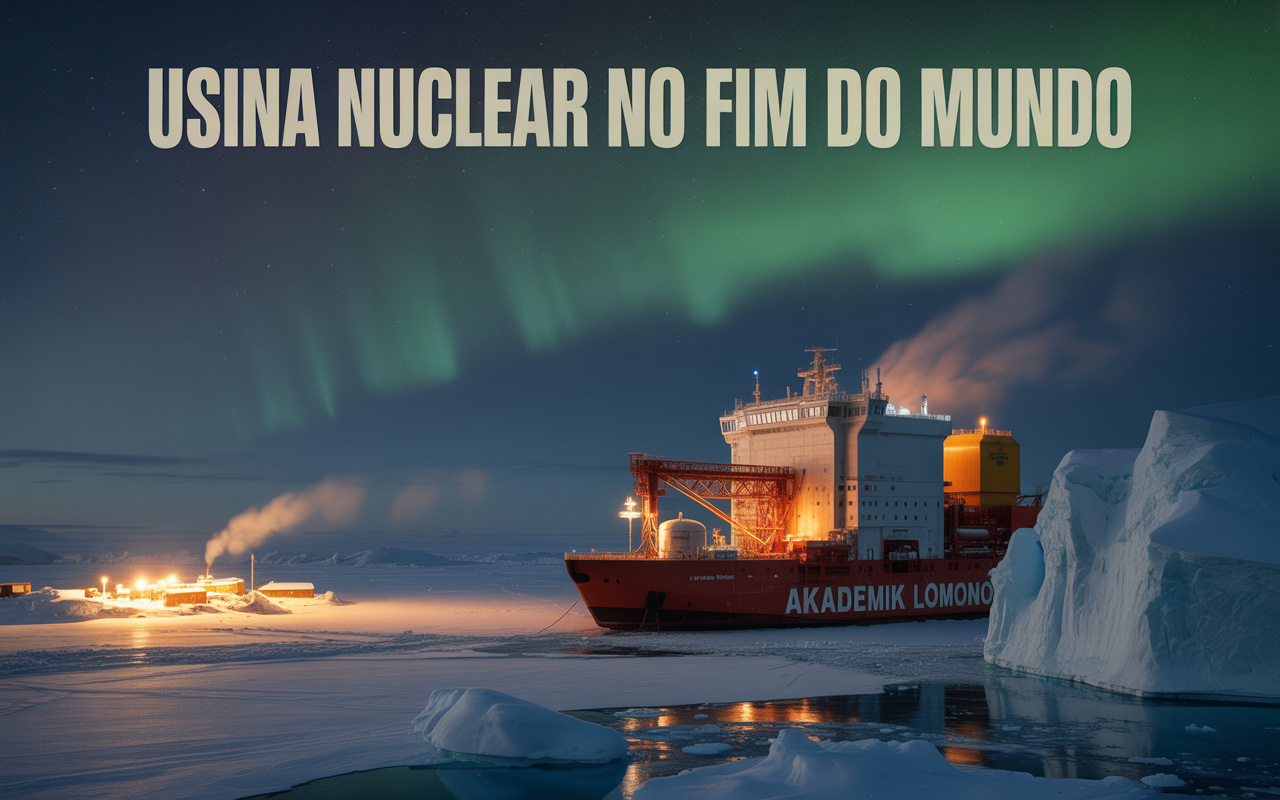
With Two Nuclear Reactors and 70 MW of Electricity, the Akademik Lomonosov Floating Power Plant Supplies Pevek in the Arctic and Redefines Energy Generation in Extreme Regions.
Generating electricity and heat in polar regions has always been one of the greatest challenges in energy engineering. In the Russian Arctic, extremely low temperatures, long periods of darkness, geographical isolation, and limited infrastructure make the application of conventional generation models unfeasible. Diesel supply, historically used, relies on long, expensive, and vulnerable logistical chains to weather conditions.
In this context, Russia opted for an unprecedented solution on a commercial scale: a fully functional nuclear power plant installed on a floating platform, capable of providing continuous electricity and urban heating for an entire city located above the Arctic Circle. This solution was given a name: Akademik Lomonosov.
What Is the Akademik Lomonosov and Why Is It Unique?
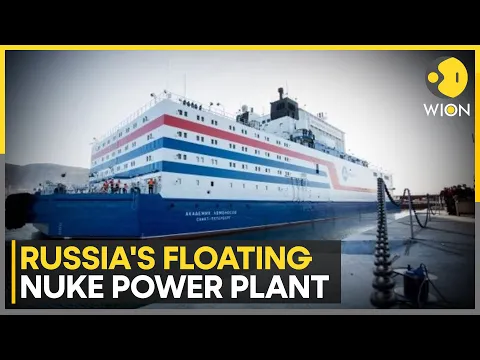
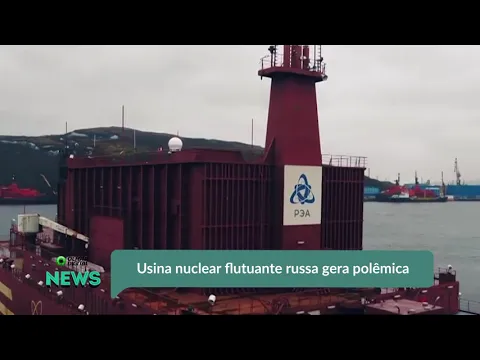
The Akademik Lomonosov is the first floating nuclear power plant in commercial operation in the world. Built as a non-self-propelling vessel, it functions as a complete energy center, permanently anchored in the port of Pevek, in the far northeast of Russia, in the Chukotka region.
-
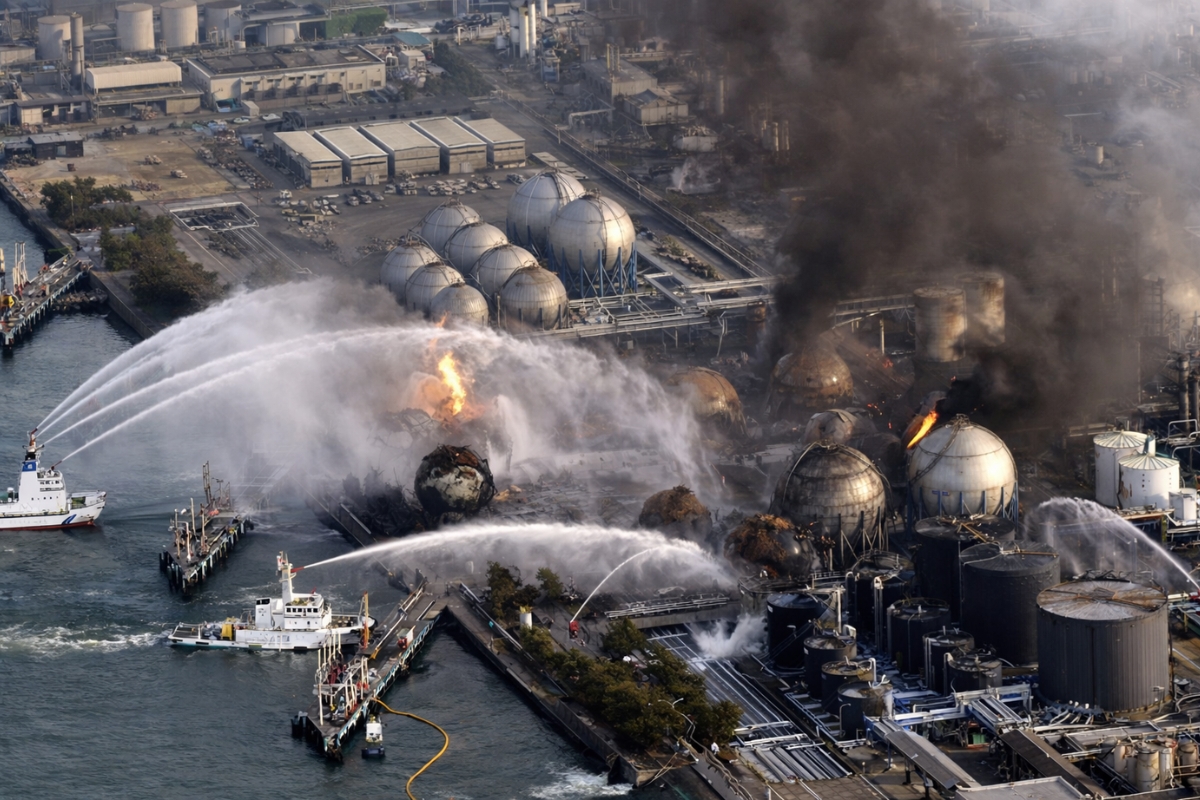
Fukushima Marks A Turning Point In Japan’s Energy Policy: After The Disaster, The Country Shut Down Its 54 Nuclear Reactors And, 15 Years Later, Only A Small Portion Have Returned To Operation
-
How Japan Overcame The Nuclear Bomb And Now Houses Millions In Hiroshima, While Ukraine Lost Chernobyl?

-
Bill Gates Receives Historic Approval to Build Giant 345 MW Nuclear Plant in the U.S. and Promises to Generate Up to 500 MW of Energy with Innovative Technology

-
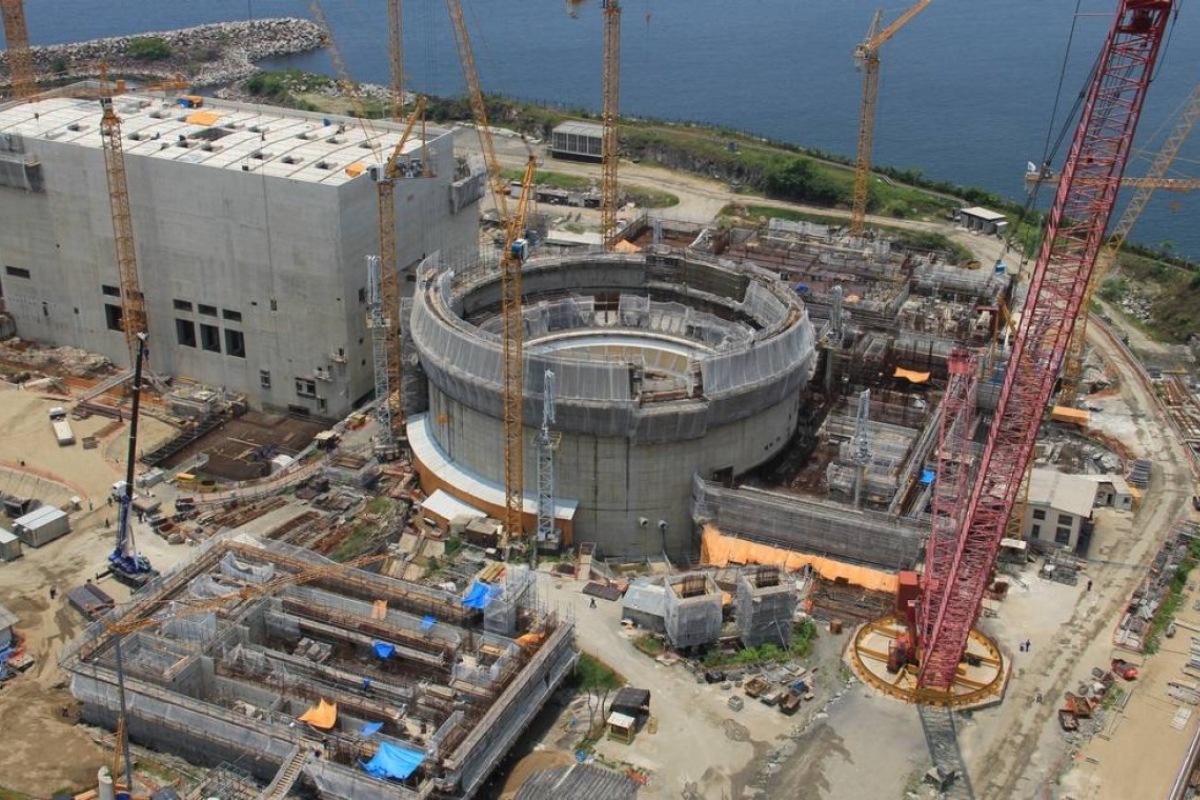
India Opens Nuclear Energy to Private Capital to Accelerate Projects and Attract Billions, While Brazil Remains Stalled at Angra 3 and Discusses Who Will Foot the Bill for Completion


The project was developed to gradually replace aging power plants and reduce dependence on fossil fuels transported over long distances. Instead of building a conventional nuclear plant on solid ground— which would require complex construction in frozen soil— Russia chose to bring the ready plant to the operational site.
The unit began commercial operation in May 2020 and started providing electrical and thermal energy to the regional system, becoming a central piece of the local infrastructure.
Dimensions, Displacement, and Structural Characteristics
The physical scale of the Akademik Lomonosov helps to understand why the project attracts international attention.
The plant is approximately 144 meters long, about 30 meters wide, and has an estimated displacement between 21,000 and 21,500 tons. These figures place it on par with large industrial vessels, although its function is not transportation, but energy generation.
The structure has been designed to operate in severe maritime environments, with a reinforced hull and redundant safety systems, suitable for Arctic conditions, including ice, strong winds, and extreme temperature variations.
The Nuclear Reactors That Power the Floating Plant
The heart of the Akademik Lomonosov consists of two KLT-40S nuclear reactors. This technology directly derives from reactors used in Russian nuclear icebreakers, adapted for stationary operation on a floating platform.
Each reactor has an approximate thermal power of 150 megawatts thermal (MWt), resulting in a combined electrical capacity of around 70 megawatts electric (MWe). This output is sufficient to supply a medium-sized city, in addition to port infrastructure and essential services.
Besides electricity, the plant also provides thermal energy for urban heating, with a capacity of up to 50 gigacalories per hour, a crucial element for survival in regions where winter dominates much of the year.
Electricity and Heating Supply for Pevek
Pevek is the northernmost city in Russia and one of the most isolated in the country. Before the arrival of the Akademik Lomonosov, the energy supply depended on a combination of old local generation and fossil fuels transported by ships during limited weather windows.
With the operation of the floating plant, Pevek now has a stable supply of electricity and heat, reducing risks of shortages and increasing the reliability of the grid. The plant has been integrated into the regional energy system, gradually replacing the capacity of older plants, such as the Bilibino nuclear power plant, which had its units shut down over the past few years. This transition marked a structural shift in the region’s energy model.
Project Timeline and Start of Operation
The development of the Akademik Lomonosov followed a long timeline, typical of large-scale nuclear projects.
- Start of Construction: 2007
- First Criticality of the Reactors: 2018
- Initial Connection to the Electric Grid: December 2019
- Start of Commercial Operation: May 2020
These milestones confirm that this is a fully operational project, not an experimental concept or prototype.
Nuclear Safety and Operational Management
The operation of a floating nuclear power plant naturally attracts attention regarding safety. The project incorporates multiple protective systems, including reactor containment, redundancy in cooling systems, and specific protocols for maritime operation.
One of the structural advantages of the floating model is the ability to return the plant to specialized shipyards for long-term maintenance or decommissioning, reducing the need for complex interventions in remote locations.
Nuclear fuel is managed in planned cycles, and operations follow the standards of the Russian nuclear industry, under the supervision of the relevant authorities.
Why a Floating Power Plant Makes Sense in the Arctic
The logic behind the Akademik Lomonosov is directly linked to the geographical and climatic conditions of the Arctic. Building large power plants on frozen ground requires special foundations, constant maintenance, and high costs. Meanwhile, continuous diesel transportation poses logistical and environmental risks.
The floating plant solves these problems by concentrating electrical and thermal generation in a single unit, installed in a protected port, with continuous supply throughout the year. The model also allows replication in other isolated coastal regions, should it be deemed economically viable.
Strategic Impact and International Relevance
Although the project was designed to meet regional needs, the Akademik Lomonosov has gained international attention by demonstrating that nuclear generation can take on unconventional forms, adapted to extreme environments.
The concept of modular and floating nuclear plants has been observed by other countries interested in providing energy to isolated regions, islands, or remote industrial poles. In this sense, the Russian plant serves as a real-world application case, not just a theoretical study.
A Milestone in Energy Engineering in the 21st Century
The Akademik Lomonosov represents a rare convergence of naval engineering, nuclear technology, and regional energy planning. By transporting a complete nuclear power plant to one of the planet’s most inhospitable regions, the project demonstrated that geographical limitations can be overcome with innovative structural solutions.
More than just a technological curiosity, the floating plant has become an essential element of the Russian Arctic infrastructure, keeping a city habitable, heated, and electrified in an environment where energy failures are not an option.
In a world seeking energy solutions for extreme and isolated regions, the Akademik Lomonosov remains one of the most concrete examples of how heavy engineering can redefine the boundaries of energy generation.









-

-

-

-

-

16 pessoas reagiram a isso.