





 English
  Francês
  Alemão
  Italiano
  Japonês
  Norueguês
  Portuguese
  Spanish
 5 min of reading
  0 comments


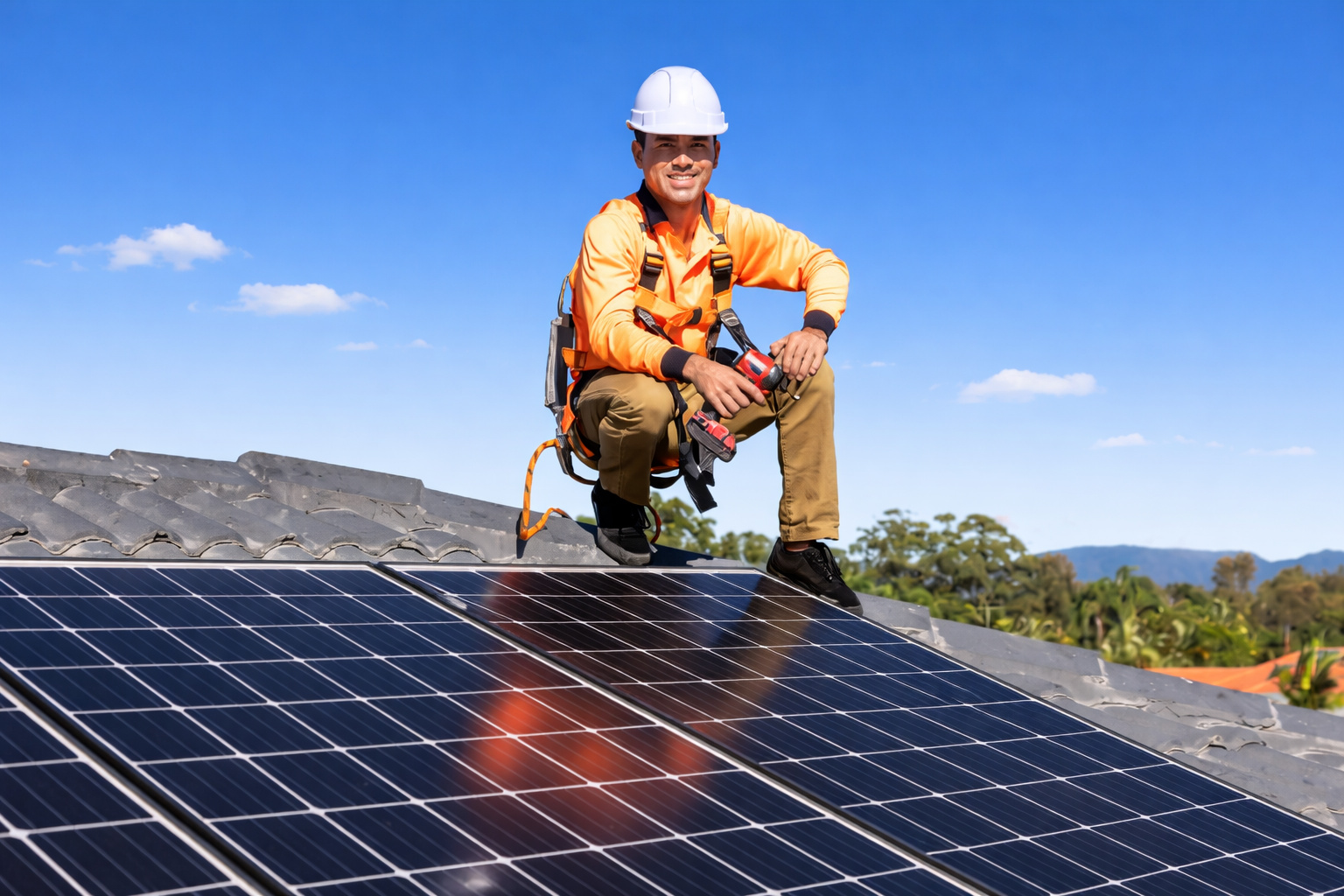
Alagoas Advances in Energy Transition and Simultaneously Strengthens Solar Energy, Consolidating Itself as a Leader in Clean Energy, Attracting Investments, Reducing Costs, and Driving Sustainable Development in the State.
Over the past few decades, the discussion around energy has shifted from being merely technical to occupying a strategic position in economic and social development. In this sense, governments, companies, and consumers have begun to understand that access to energy directly influences competitiveness, productivity, and quality of life. As a result, Alagoas has consistently increased the use of renewable sources, especially solar energy, gradually advancing to consolidate itself as a leader in clean energy in the Northeast.
Historically, Brazil structured its electric matrix with a strong dependence on hydropower. On one hand, this model ensured an important renewable base; on the other, it exposed the country to risks related to climate variations. Over time, prolonged droughts reinforced the need to diversify generation sources. Thus, little by little, solar energy gained ground as a safe, predictable, and sustainable alternative.
In this context, Alagoas has followed this transformation. Additionally, the state began to take advantage of its favorable natural conditions, such as the high solar incidence throughout the year. At the same time, technological advancements and the reduction of equipment costs have made photovoltaic energy more accessible. As a result, the state began to integrate solar energy into its development strategy, strengthening its position as a leader in clean energy.
-
Roraima bets on the sun to escape high tariffs: Amid the energy crisis and price hikes, solar energy is growing in Roraima and transforming consumption in the North region.
-
Copel boosts solar energy in Paraná and brings innovation to public schools, promoting savings on electricity bills, energy efficiency, and a direct impact on the quality of education.
-
Brazil reaches historic milestone in solar energy: Sector surpasses 2 million accumulated green jobs and generates billions in the national economy even under market pressure.
-
Minas Gerais takes the lead in renewable energy: State surpasses historic mark of 14 GW in solar energy generation in MG and consolidates dominance in the Brazilian electric sector.
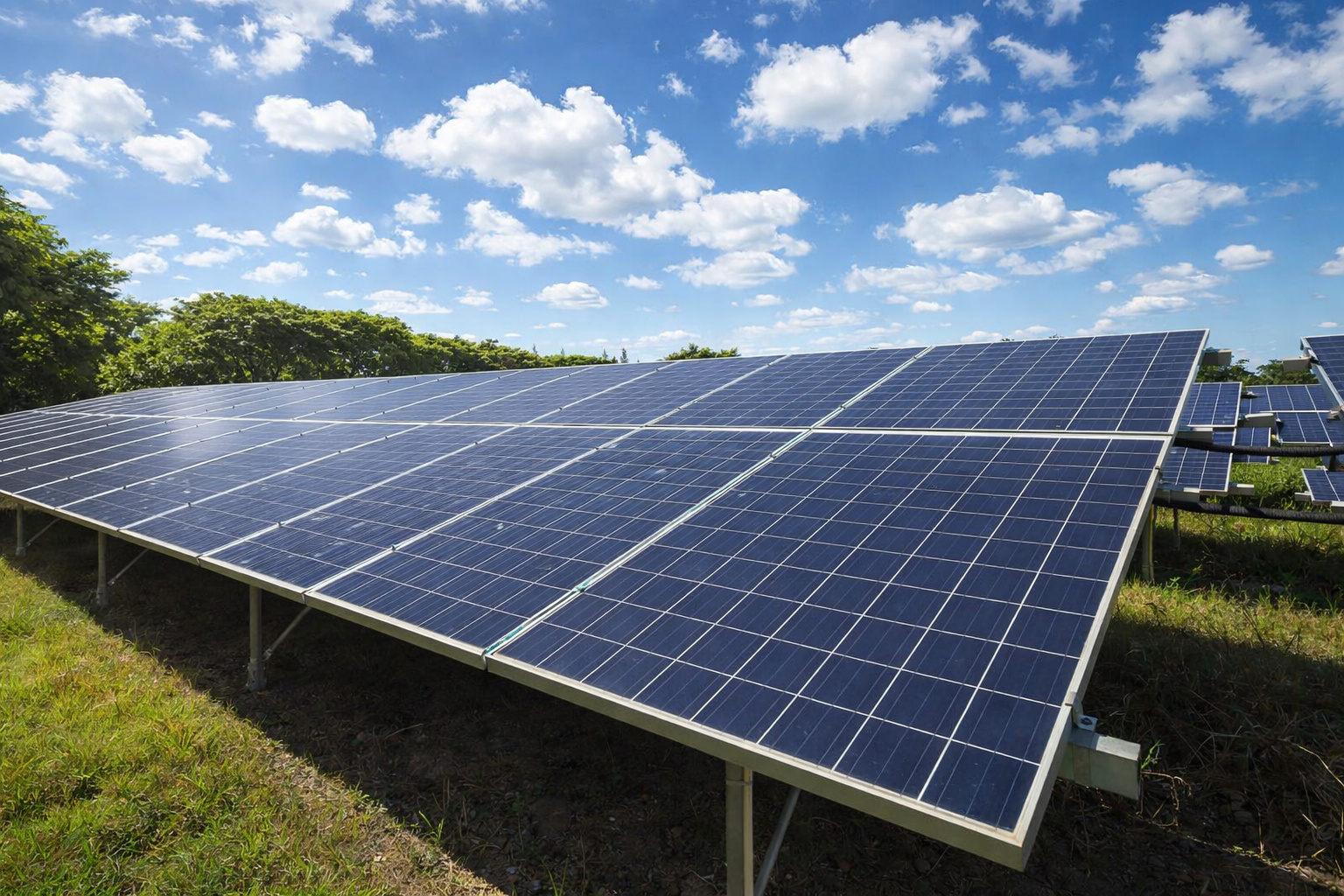

Solar Energy and the Consolidation of Alagoas as a Leader in Clean Energy
The consolidation of Alagoas as a leader in clean energy did not happen suddenly. On the contrary, it results from a continuous and structured process, built over time through a combination of investments, incentive policies, and market maturation. In addition, greater environmental awareness has also contributed to accelerate this movement.
With technological advancement, solar energy is no longer seen as a distant solution. On the contrary, it has become part of the strategic planning of companies and consumers. Meanwhile, the drop in the price of photovoltaic systems has expanded access to this source, especially for small and medium businesses. In this way, solar energy came to be perceived not only as a sustainable choice but also as an economic strategy.
Consequently, the urban and productive landscape of Alagoas began to change. Roofs of businesses, small industries, and service ventures started to incorporate solar systems. Thus, the state reinforced its image as a leader in clean energy by aligning economic growth, energy efficiency, and environmental responsibility.
Distributed Generation and the Economic Impacts of Clean Energy
Alongside this progress, distributed generation has gained prominence. This model, by allowing energy production close to the point of consumption, reduces losses in the electrical system and, at the same time, increases the energy autonomy of companies and consumers. In Alagoas, solar energy leads this process and drives the expansion of distributed generation in different regions of the state.
Moreover, the predictability of energy costs has become an important competitive differentiator. In a scenario marked by frequent tariff adjustments, solar energy offers greater financial stability. As a result, companies can better plan their investments and control their operational costs.
At the same time, the savings obtained from the reduction of the energy bill allow for new investments. Many companies direct these resources towards innovation, modernization, or workforce training. Thus, clean energy strengthens economic activity and extends its positive effects, reinforcing Alagoas as a leader in clean energy.
Solar Energy as a Driver of Development for Small Businesses
In addition to direct economic benefits, the growth of solar energy has stimulated the emergence of a diverse production chain. Thus, installation, maintenance, energy consulting, and integrated solutions companies have begun to play a significant role in the local economy. As a result, the sector expanded opportunities for entrepreneurship and the generation of skilled jobs.
However, rapid growth has also brought challenges. Many entrepreneurs entered the market without adequate planning. Therefore, the need for efficient management, financial organization, and strategic vision became evident. Over time, the sector began to demand professionalization and continuous updating.
In this scenario, solar energy is consolidating as a promising but competitive market. Thus, companies investing in training, innovation, and service quality manage to differentiate themselves and grow sustainably, further strengthening Alagoas’ role as a leader in clean energy.
The Role of Sebrae Alagoas in Structuring the Solar Sector
In this context, Sebrae Alagoas plays a strategic role in strengthening the solar energy ecosystem. On one hand, the institution works with energy as an input, supporting companies in reducing costs and increasing efficiency. On the other, it directly structures the photovoltaic production chain.
Additionally, Sebrae promotes training, specialized events, technical missions, and networking with the national market. In this way, it broadens the strategic vision of entrepreneurs and contributes to more informed decisions. As a consequence, the business environment becomes safer and more attractive for investments.
By supporting small businesses, Sebrae directly contributes to consolidating Alagoas as a leader in clean energy, ensuring that the sector’s growth is aligned with competitiveness and business sustainability.
Innovation, Competitiveness, and New Business Models
At the same time, innovation has taken center stage in the evolution of the solar sector. Gradually, companies have moved beyond just installing photovoltaic systems. Instead, they have started offering more comprehensive services, such as remote monitoring, preventive maintenance, and energy consulting.
Furthermore, these new business models enhance the competitiveness of local companies. By offering integrated solutions, entrepreneurs strengthen their relationships with customers and raise the quality standards of the sector. Consequently, the market becomes more professional and trustworthy.
This way, Alagoas strategically positions itself to attract new solar projects. The combination of innovation, technical knowledge, and a favorable environment reinforces the state’s role as a regional reference and a leader in clean energy.
Alagoas on the Map of Energy Transition and Sustainable Development
Finally, the consolidation of Alagoas as a leader in clean energy connects to the main global sustainability agendas. Increasingly, governments and businesses are seeking to reduce emissions, use resources efficiently, and accelerate the energy transition.
In addition to environmental gains, social benefits also stand out. Job creation, encouragement of entrepreneurship, and reduction of energy costs strengthen the competitiveness of companies and enhance the quality of life for the population. Thus, solar energy is integrated into regional development structurally.
Therefore, looking to the future, Alagoas has solid conditions to further increase the use of solar energy. With planning, training, and continuous innovation, the state strengthens its position as a leader in clean energy and transforms the energy transition into a concrete opportunity for economic growth, sustainability, and productive inclusion.









Seja o primeiro a reagir!