





 Portuguese
  English
  Spanish
 5 min of reading
  0 comments


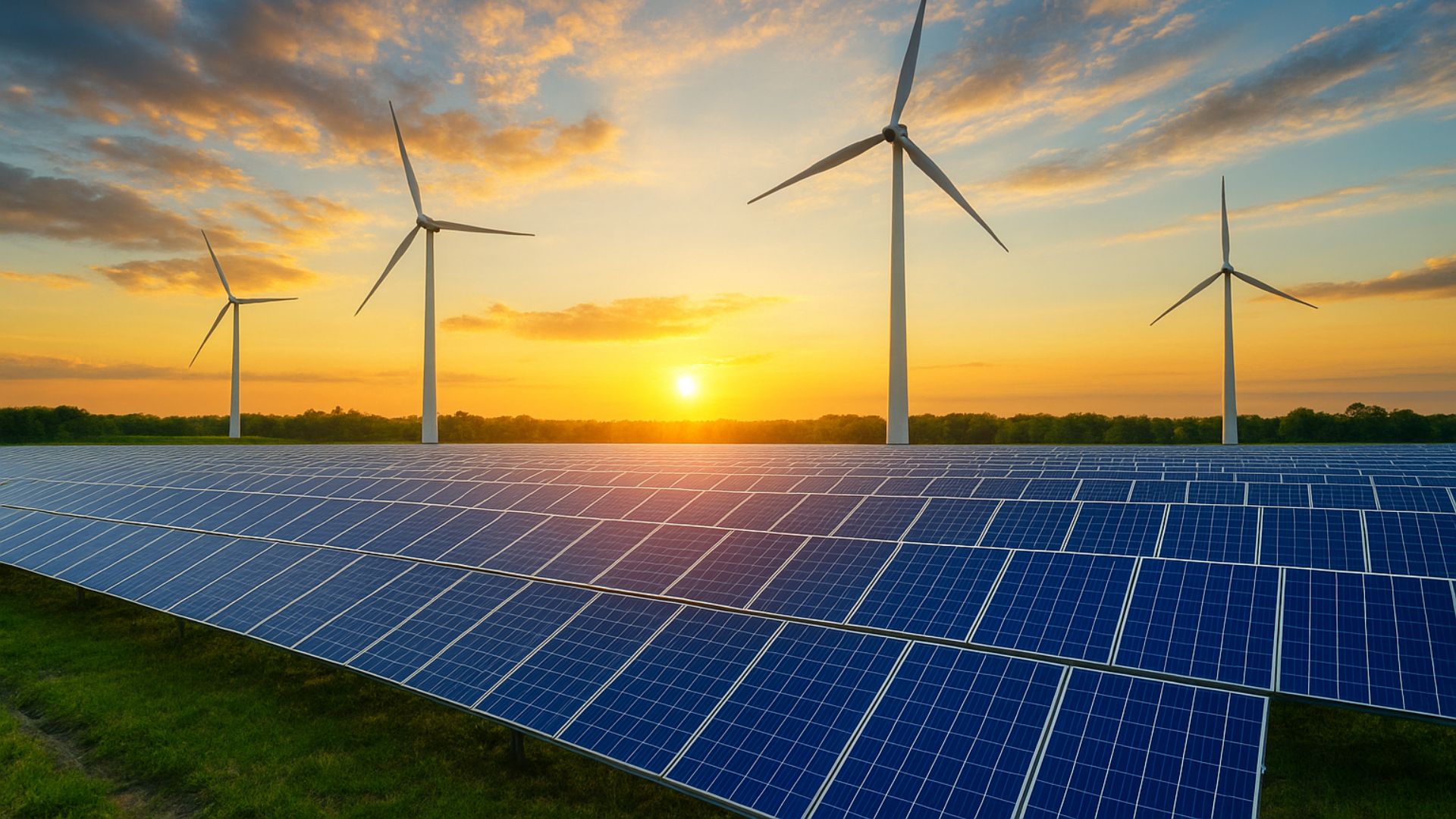
At COP30, Alckmin Highlights Ambitious Goals to Increase Renewable Energy and Accelerate Energy Efficiency by 2030, Reinforcing Brazil’s Plan to Reduce Dependency on Fossil Fuels
During the ministerial session of COP30, held in Belém (PA), Vice President Geraldo Alckmin advocated that Brazil and the international community must adopt urgent goals to accelerate the energy transition by 2030.
According to an article published by G1 on Monday (17), the proposal, widely highlighted by the press, includes tripling the renewable energy installed and doubled energy efficiency, in order to reduce global dependence on fossil fuels.
Context of COP30 and Relevance of the Goals Announced by Alckmin
Although ambitious, the announced goals align with international recommendations for emission reductions and were treated as strategic to guide governments, companies, and investors. Thus, the statement gained prominence at COP30, especially as it combines mitigation, adaptation, and sustainable development actions.
-
Renewable energy advances over protected areas in Brazil, and a survey by the Energy Transition Observatory reveals silent impacts that challenge environmental conservation and pressure sensitive traditional territories.

-
Rio Grande do Sul accelerates energy transition: State invests in renewable technologies and consolidates decarbonization strategies and pathways to attract billions in new industrial investments.

-
With 160,000 m² of collectors, an area larger than 20 football fields, Silkeborg, in Denmark, hosts a solar thermal plant that heats 19,500 homes and could become the largest solar heating plant in the world.

-
A study reveals the expansion of renewable energy procurement in Brazil and shows how companies are taking advantage of opportunities to reduce expenses, ensure energy efficiency, and strengthen strategic environmental commitments.


Alckmin’s speech occurred during the opening of the ministerial debates at COP30, a moment when heads of state and government representatives discuss guidelines to tackle the climate crisis. In this context, Brazil sought to emphasize the importance of cooperation and climate financing, especially for developing countries.
Moreover, Alckmin highlighted that the country already has a relatively clean energy matrix, which could accelerate the implementation of bolder goals by 2030.
The advocated goals — tripling clean sources and doubling efficiency — are not isolated proposals. They appear in recent reports from international organizations and also in commitments made by different countries within the UN framework. Thus, the Vice President’s speech aligns Brazil with the main global discussions on decarbonization.
Triple Renewable Energy: Pillars of Energy Policy
The expansion of renewable sources is one of the central points advocated by Alckmin. Currently, Brazil has significant installed clean energy capacity — especially hydropower, wind, and solar — but is still far from the volume needed to triple this production.
For this to happen by 2030, it will be necessary to:
- increase the installation of wind and solar parks,
- expand biomass and biogas projects,
- encourage private investments in emerging energies,
- improve energy transmission infrastructure.
According to the Ministry of Mines and Energy, expanding renewable capacity will require clear, predictable incentive policies aligned with the international market. Furthermore, storage systems and smart grids will be indispensable to balance the variable supply of these sources.
Thus, the goal defended at COP30 serves both as a challenge and an opportunity to develop green technologies and attract foreign capital.
Double Energy Efficiency: Essential Strategy by 2030
Energy efficiency was also highlighted in the speech. Although Brazil has indicators above the global average, the country still has significant potential to reduce losses in consumption and energy distribution.
Among the main pathways to achieve the goal are:
- modernization of industrial equipment,
- replacement of inefficient systems in the public sector,
- updating technical standards,
- encouraging sustainable construction,
- digitization of electrical infrastructure.
For Alckmin, doubling efficiency is essential not only to reduce emissions but also to enhance national competitiveness. With more intelligent and rational consumption, companies tend to lower costs, while the country decreases its energy vulnerability.
End of Dependency on Fossil Fuels: Vision and Challenges
In the speech, Alckmin mentioned that the energy transition must be orderly and fair, especially in countries that rely on fossil fuels as an economic base. Thus, he reinforced that abandoning these sources requires time, planning, and investments, but must be seen as an inevitable part of the climate agenda.
However, the challenge is enormous. Brazil ranks among the world’s largest oil producers, and balancing exploration with decarbonization goals is still a complex issue. Although part of the production is exported, generating cash and jobs in the sector complicates rapid changes.
Nonetheless, Alckmin pointed out that the transition needs to encompass various sectors of the economy. Additionally, he emphasized that vulnerable communities must be protected against negative impacts and included in sustainable initiatives, ensuring economic and social benefits.
Renewable Energy and Environmental Protection: Strategic Integration
Another pillar of the speech was the integration between energy transition and environmental preservation. As COP30 takes place in the Amazon, the theme gained even more relevance.
During the event, the need to:
- combat illegal deforestation,
- restore degraded areas,
- value local communities,
- promote bioeconomy,
- expand sustainable use of the forest.
This integrated approach reinforces the understanding that climate, energy, and environmental crises go hand in hand. Therefore, effective solutions must consider both responsible land use and the development of clean technologies.
Brazil as International Climate Leadership
Alckmin reiterated Brazil’s position as a global example in the transition to a low-carbon model. Indeed, the country has one of the cleanest energy matrices in the world and has made progress in policies promoting green innovation.
During COP30, this narrative was reinforced by complementary announcements, such as:
- expansion of green investment programs,
- low-carbon hydrogen projects,
- increased biofuels production,
- incentives for sustainable mobility.
Moreover, Brazilian authorities argue that developed countries should substantially increase international climate financing, especially for nations facing structural difficulties in the transition.
Paths for Brazil to Achieve Energy Goals by 2030
For Alckmin’s advocated goals to become reality, it is expected that essential measures are taken:
- Clear and Stable Regulation to attract investors.
- Expansion of Transmission Infrastructure, reducing bottlenecks in regions with high solar and wind potential.
- Strengthening Green Industrial Policies, boosting national technology.
- International Climate Financing, essential to accelerate large projects.
- Education and Professional Qualification, ensuring skilled labor.
As a result, the country can establish itself as a powerhouse in clean energy and stand out in the geopolitics of the energy transition.
Relevance of Renewable Energy Goals in the Global Scenario
The goals advocated by Alckmin at COP30 demonstrate that Brazil wishes to influence the course of international climate negotiations. Tripling renewable energy and doubling energy efficiency are measures that, if implemented, can transform the country into one of the world leaders in decarbonization.
Furthermore, this agenda generates direct impacts in areas such as economy, innovation, diplomacy, and infrastructure. For the population, the effects include cheaper energy, reduced pollution, creation of sustainable jobs, and greater energy security.
However, achieving these objectives will require political will, regulatory stability, and coordinated actions among government, private sector, and civil society. The challenge is great, but the opportunity is also historic.








Seja o primeiro a reagir!