





 English
  Francês
  Alemão
  Italiano
  Japonês
  Norueguês
  Portuguese
  Spanish
  4 min of reading
  0 comments



Know What Really Determines the Lifespan of Brazilian Flex Engines and How the Characteristics of Ethanol and Gasoline Influence the Performance, Efficiency, and Maintenance of Modern Vehicles.
The durability of Brazilian flex engines has always been a topic of discussion among drivers and experts, mainly about which fuel, ethanol or gasoline, ensures greater longevity for the engine.
However, according to automotive industry experts, the choice between ethanol and gasoline does not affect the lifespan of the flex engine, as long as maintenance is performed according to the manufacturer’s recommendations.
Flex vehicles, which have been predominant in the national market since the early 2000s, were developed to operate with both fuels, taking advantage of the national infrastructure for ethanol and gasoline distribution.
-
Engineers propose a fourth traffic light for intersections – the change promises to affect crossings, queues, and waiting times.

-
Chevrolet Suburban Z71 lands in Brazil with a V8 engine, off-road design, air suspension, seven seats, and colossal size, a rare version imported for around R$ 1.3 million with luxury and exclusivity.

-
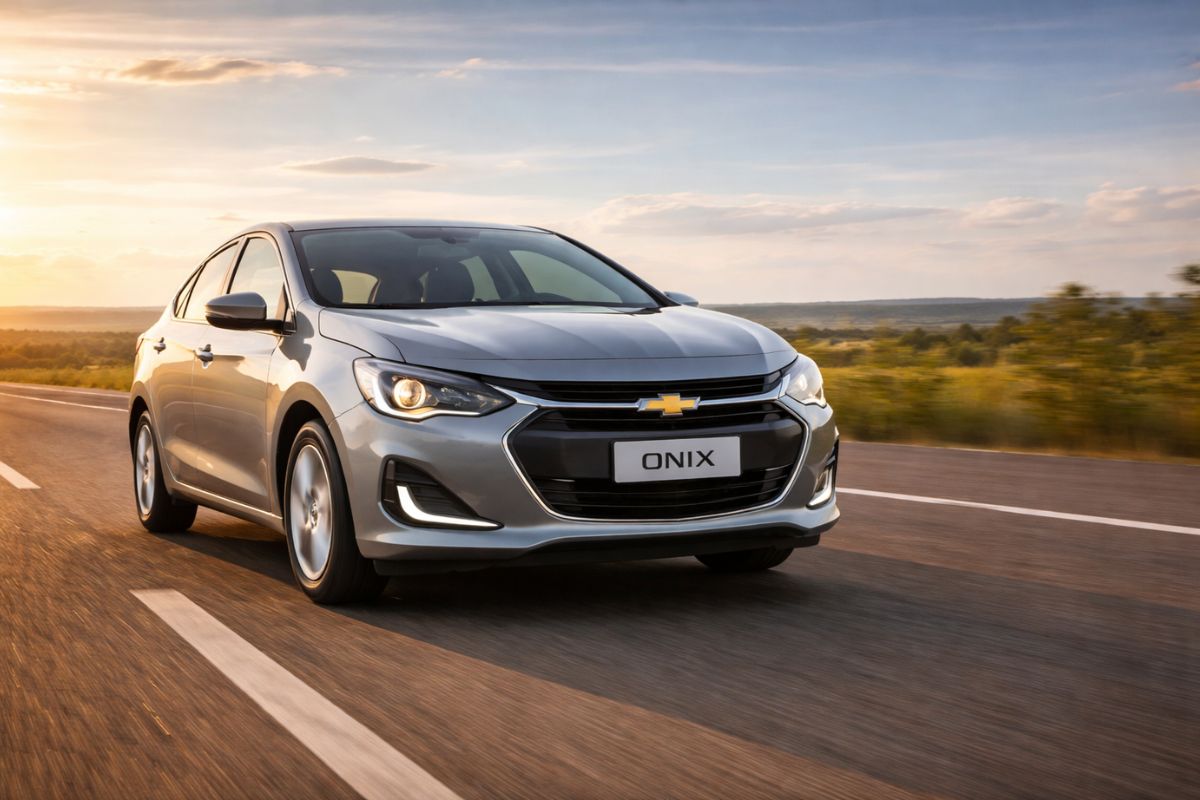
The Chevrolet Onix 1.0 turbo achieves 17.7 km per liter on the highway and ranks among the three most economical cars in Brazil in 2026, alongside two more expensive Toyota hybrids available at dealerships.
-
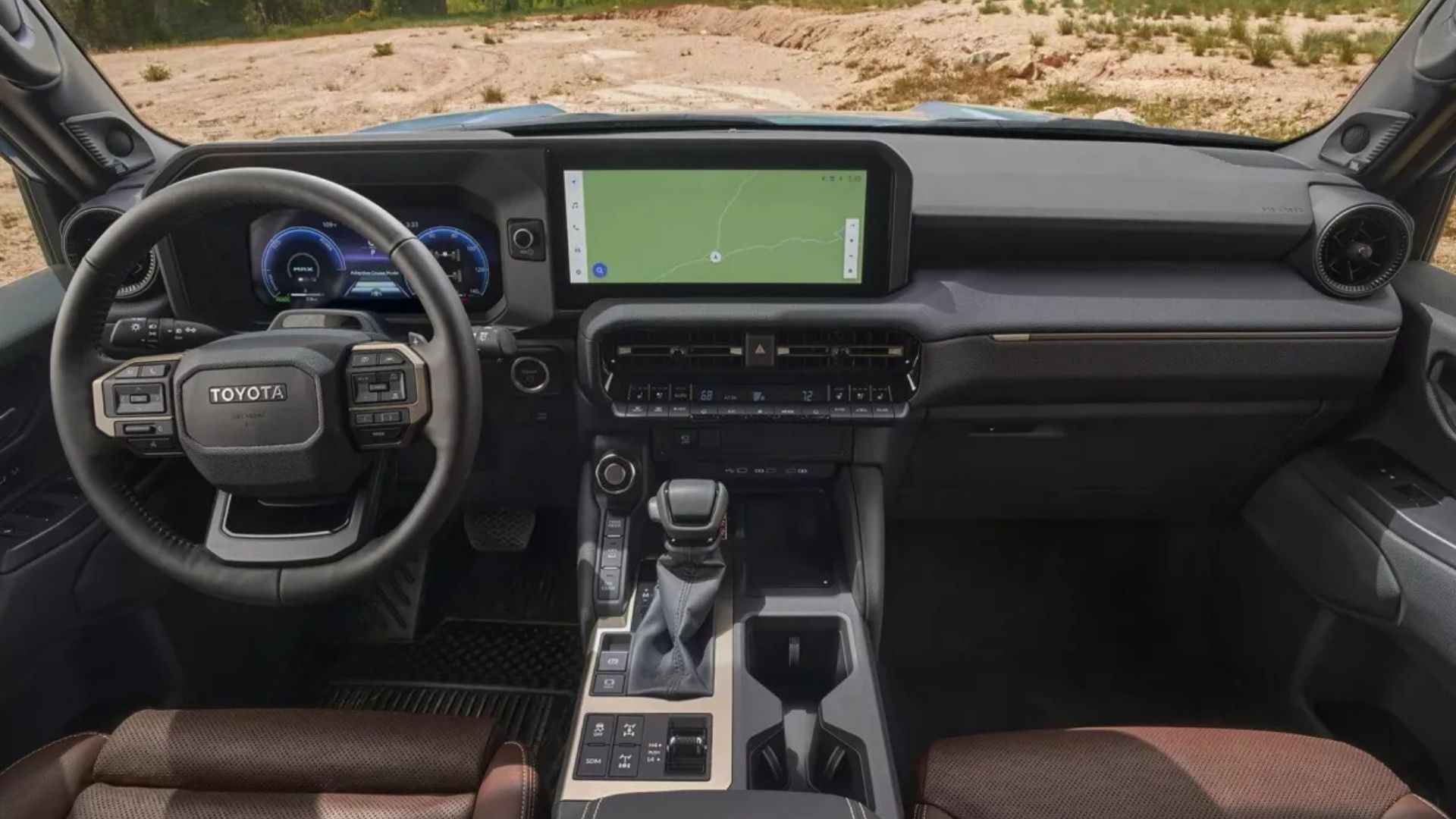
Little sister of the Hilux: Toyota launches Land Cruiser FJ with 4 radical versions, 2.7 engine with 166 hp and 4×4 traction with locking.

In Brazil, indeed, all regular gasoline sold contains a percentage of anhydrous ethanol – a mandatory blend that currently accounts for about 27% of the total volume, according to the National Agency of Petroleum, Natural Gas and Biofuels (ANP).
Mechanic Luciana Félix, a specialist in flex engines, explains that there is no detriment to engine durability, regardless of the fuel used.
According to Luciana, flex vehicles have received specific technologies that include corrosion-resistant components and injection systems capable of detecting and automatically adjusting the quantity and type of fuel, ensuring efficient combustion with both gasoline and ethanol.
How Flex Engines Were Designed to Withstand Ethanol and Gasoline
As detailed by the specialist, the entire engineering of flex engines has been adapted to handle the distinct physical and chemical properties of ethanol and gasoline.
The electronic management system, known as the Electronic Control Unit (ECU), monitors the fuel composition in the tank in real-time, adjusting injection and ignition timing as necessary.
This automatic adjustment prevents the choice of fuel from negatively impacting the integrity of internal components, such as pistons, valves, and fuel injectors.
According to mechanic Luciana Félix, “you don’t need to worry about using just one type of fuel, as the flex engine design already allows for the use of both, without a difference in durability.”
The same understanding is shared by manufacturers and automotive engineers, who advise drivers to alternate or mix fuels without fear of compromising the engine.
Efficiency and Performance: Differences Between Ethanol and Gasoline
Despite similar durability, there is a significant difference in the efficiency and performance of flex engines, depending on the fuel used.
Engineer Fábio Ferreira, director at Bosch, clarifies that the power generated by each fuel varies according to the engine design and its compression ratio.
For example, he cites a model where the maximum power with gasoline is 106 horsepower, while with ethanol it reaches about 111 horsepower.
With a mixture of the two, the value is close to 110 horsepower, especially in engines with a high compression ratio (above 11:1).
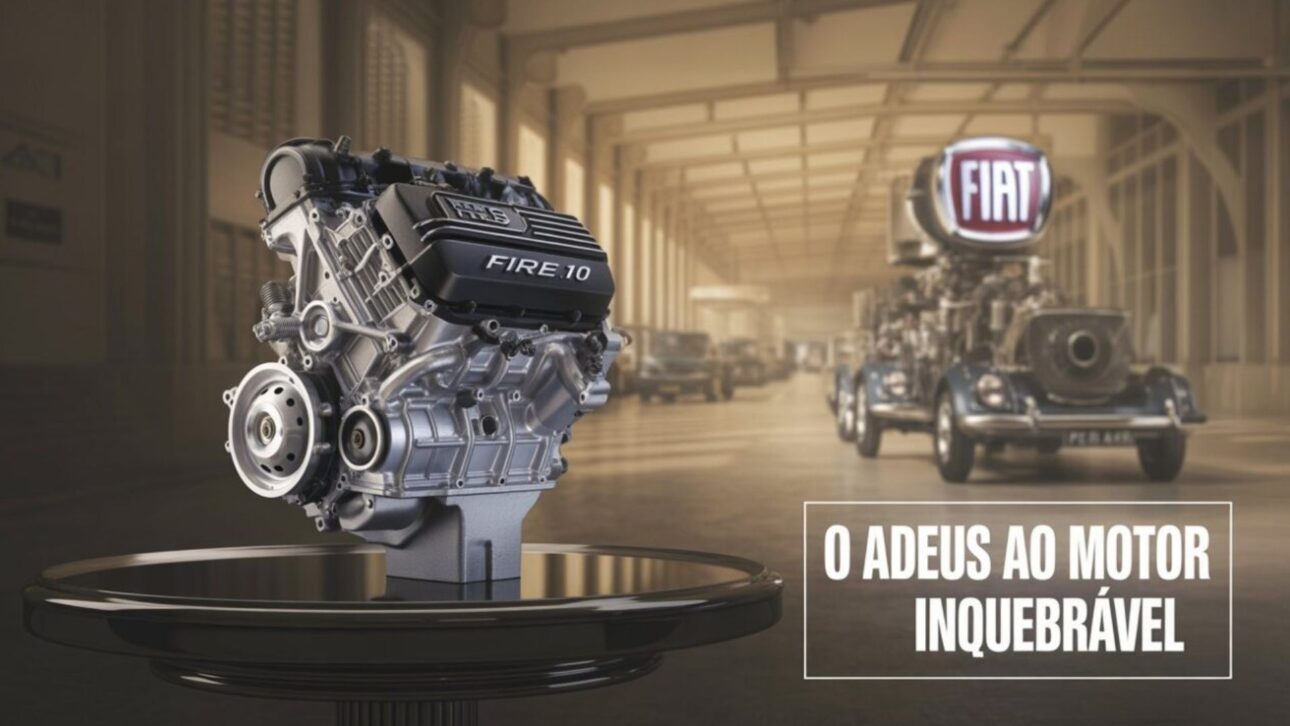
Fiat Retires ‘Unbreakable’ Engine That Runs Over 300,000 km After 40 Years and 10 Million Cars
The Role of the Compression Ratio in the Flex Engine
The increase in power when using ethanol is related to its higher anti-knock properties, which allow for higher compression ratios without the risk of pre-ignition.
For gasoline engines, the ideal ratio is around 9:1, while for ethanol, it can reach 12:1.
In the case of flex engines, the compression ratio is typically intermediate, usually between 10.5:1 and 11:1, to accommodate both fuel options.
This compromise benefits the use of ethanol, resulting in greater power and torque in most models sold in Brazil.
However, the relationship between efficiency and consumption shows marked differences.
Ethanol, due to its lower calorific value – meaning it releases less energy per liter burned – tends to result in higher consumption compared to gasoline.
For this reason, drivers often observe that the vehicle’s range is lower when opting for ethanol, which should be considered in the cost-benefit calculation when refueling.
Ethanol and Gasoline: When is Performance Equal?
The difference in power between ethanol and gasoline is not a rule for all flex vehicles.
The programming of the Electronic Control Unit (ECU) can be more conservative in some models, equalizing the power delivered by both fuels.
This is the case, for example, with some Nissan cars, which show similar values regardless of the fuel used.
The old Honda HR-V 1.8 is also cited as an inverse example, as it developed 140 horsepower with gasoline, compared to 139 horsepower when fueled with ethanol.
Preventive Maintenance: Essential to Prolong the Lifespan of the Flex Engine
More important than the choice between ethanol or gasoline, preventive maintenance is the main factor that determines the durability of the flex engine.
It is recommended to strictly follow the manufacturer’s maintenance schedule, always using approved parts and lubricants to ensure the proper functioning of the injection system, spark plugs, filters, and other essential components.
The continuous use of quality fuels provided by trusted stations is also crucial to avoid damage caused by impurities or adulterations, both in the combustion system and in the engine’s internal parts.
Durability, Efficiency, and Consumption: Which Fuel is More Worth It in the Flex Engine?
Considering the data presented by experts and manufacturers, there is no technical evidence that either ethanol or gasoline alone guarantees a longer lifespan for the flex engine.
Both fuels are perfectly compatible with flex technology, as long as maintenance and fueling recommendations are respected.
The choice, therefore, should consider factors such as efficiency, desired power, fuel price, and, mainly, trust in the product’s origin.
In light of this information, the question that remains among drivers and enthusiasts is: beyond equal durability, what really influences your decision when choosing between ethanol or gasoline to refuel your flex car?








Seja o primeiro a reagir!